How To Feed A Loon

  • About Us
  • Recipe Index
    • Appetizers
    • Asian
    • Breads and Doughs
    • Cajun / Creole / Louisiana
    • Breakfast / Brunch
    • Comfort Food
    • Delectable Desserts
    • Entrees / Mains
    • Instant Pot
    • Italian
    • Pizza
    • Rubs, Spices and Sauces
    • Soups & Salads
    • Sides
    • Seafood
    • Southern
    • Mexican / Tex-Mex / Cal-Mex
    • Thanksgiving
    • Vegetarian
  • Videos
    • Recipe Videos
    • Web Stories
  • Work With Us
  • Contact
  • **Premium Access**
  • Recipes
menu icon
go to homepage
  • Salads
  • Recipes
  • About Us
  • Work With Us
  • Premium
subscribe
search icon
Homepage link
  • Salads
  • Recipes
  • About Us
  • Work With Us
  • Premium
×
Home » Recipe Index

Cast-Iron Skillet Ratatouille (Easy Confit Byaldi)

April 24, 2026 by Kris Longwell 1 Comment

An overhead view of a cast-iron skillet ratatouille with two glasses of white wine sitting nearby as well as a light blue napkin.

Elevate your seasonal cooking with this stunning Cast Iron Skillet Ratatouille, where simple garden vegetables are transformed into a vibrant, edible masterpiece. By spiraling thinly sliced zucchini, eggplant, and tomatoes over a savory herb-infused sauce, you create a rustic yet elegant dish that is as flavorful as it is beautiful. This recipe perfectly balances the earthy depth of the vegetables with the heat-retaining power of cast iron for a tender, caramelized finish.

An overhead view of a cast-iron skillet ratatouille with two glasses of white wine sitting nearby as well as a light blue napkin.
[feast_advanced_jump_to]

🍆 The Ingredients

A harmonious blend of garden-fresh produce and fragrant aromatics simmers together to create a rich, savory foundation for this elegant and colorful meal. Find ingredient notes (including substitutions and variations) below.
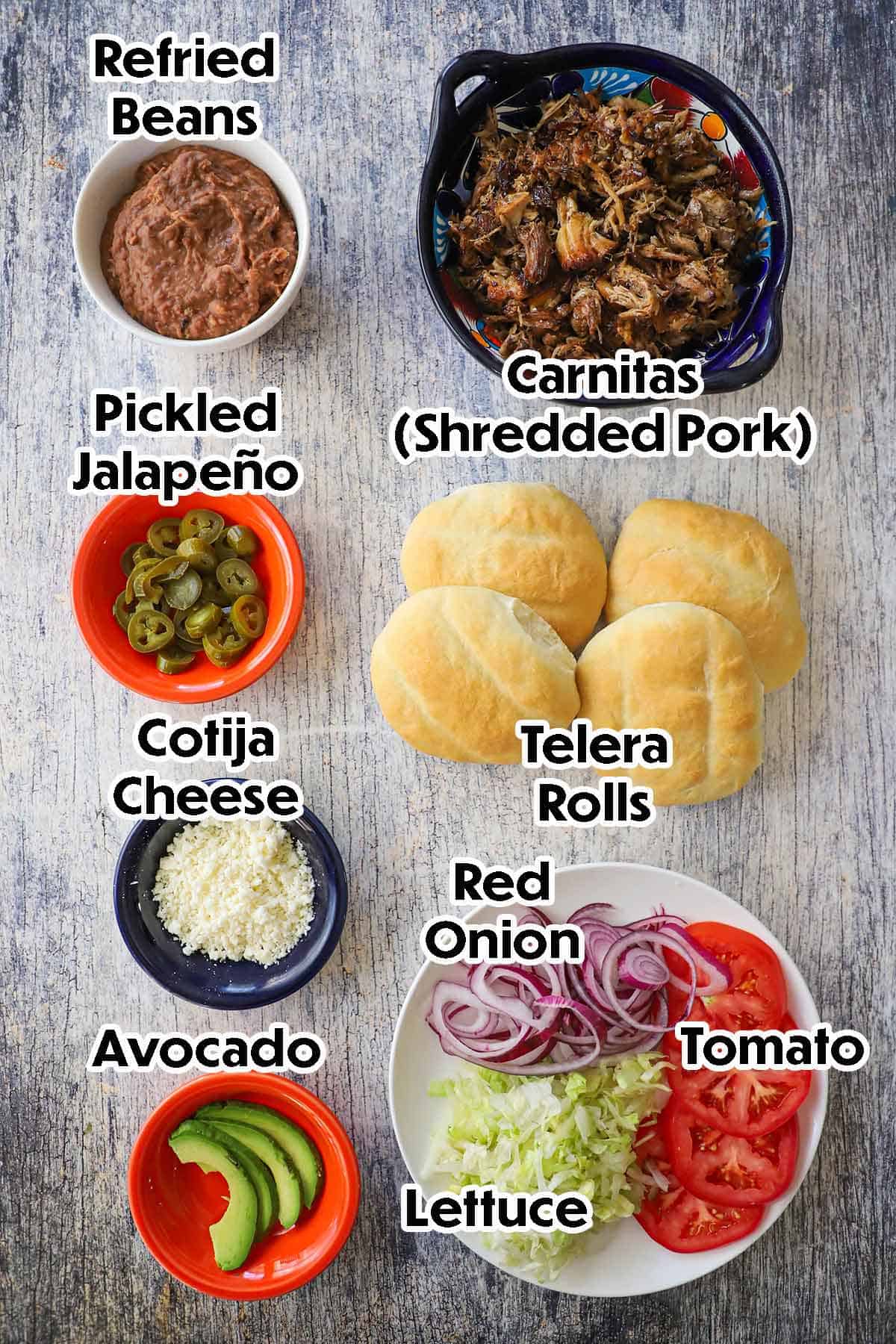
An arrangement of ingredients for cast-iron skillet ratatouille on a grey wooden background including zucchini, yellow squash, tomatoes, chopped onion, Chinese eggplant, red bell pepper, crush tomatoes, herbs, and seasonings.

📝 Ingredient Notes and Substitutions

  • Eggplant: For the best visual results, look for slender Japanese or Chinese eggplants, as their diameter closely matches that of zucchini and Roma tomatoes.
  • Roma Tomatoes: These are the ideal choice because they are firm and hold their shape well during baking; if you use a different variety, try to find “on-the-vine” tomatoes that aren’t too large.
  • Yellow Squash: While it tastes very similar to zucchini, it provides a beautiful color contrast; if you can’t find it, you can simply use extra green zucchini.
  • Fresh Herbs: Fresh thyme and basil offer the most vibrant, aromatic flavor, but you can substitute with one-third the amount of dried herbs if fresh ones aren’t available.
  • Red Bell Pepper: If you are short on time, you can substitute the fresh sautéed pepper with finely chopped jarred roasted red peppers for a smoky depth.
  • Crushed Tomatoes: For a silkier sauce base, you can use tomato purée (passata) in place of crushed tomatoes.
  • Olive Oil: Since this is a vegetable-forward dish, using a high-quality extra virgin olive oil will significantly enhance the final flavor.

Refer to the recipe card (with video) below for a full list of ingredients and measurements.

📌 Tips and Tricks for Perfect Ratatouille

  • Know Your Tools: While a mandoline is perfect for getting paper-thin slices of firm squash, it can often snag on tomato skins or eggplant. Don’t hesitate to switch to a sharp knife for the softer produce to keep your slices intact and beautiful.
  • Match Your Diameters: When shopping, try to “size up” your vegetables. Hold a zucchini next to an eggplant and a Roma tomato to ensure they are roughly the same width so the layers stack neatly without some pieces disappearing.
  • The Parchment Paper Trick: Don’t skip the parchment paper “lid” (cartouche). It traps enough steam to cook the vegetables until they are tender while preventing the delicate edges from burning before the centers are done.
  • Control the Moisture: If your tomatoes are very juicy, pat the slices with a paper towel before arranging them in the skillet. This prevents the sauce from becoming too watery during the roasting process.
  • Let it Rest: Resist the urge to serve it the moment it comes out of the oven. Letting the dish sit for 10 to 15 minutes allows the sauce to thicken and the flavors to meld, making it much easier to serve clean, beautiful portions.

👩🏼‍🍳 How to Make Cast-Iron Skillet Ratatouille

A close-up view of chopped red bell pepper and onion being sautéed in a cast-iron skillet on a gas stove.
  1. Step 1: Heat the olive oil over medium heat and sauté the onions and bell pepper until soft, about 4 to 5 minutes.
A person using a wooden spatula to stir simmering crushed tomatoes along with sautéed onions and red bell pepper in a cast-iron skillet on a gas stove.
  1. Step 2: Add the garlic and sauté for 30 seconds. Stir in the crushed tomatoes and herbs and simmer for 5 minutes, stirring often.
A person placing a stack of vegetables including sliced tomatoes, yellow squash, zucchini, and eggplant on their sides in a cast-iron skillet that has a layer of sautéed tomatoes, onions, and red bell pepper in the bottom of the pan.
  1. Step 3: Pick up a slice of each vegetable in a sequence and stack them in your hand. Place them on their side (standing upright) in the pan.
A person placing a small stack of sliced vegetables on their side in the middle of an uncooked cast-iron skillet ratatouille.
  1. Step 4: Continue following the curve of the pan until the circle is complete. Repeat with a circle of veggies on the inside. Finish with a few slices in the very center.
A person using a spoon to drizzle herbed oil over the top of an uncooked cast-iron skillet ratatouille.
  1. Step 5: Mix the olive oil, thyme leaves, garlic, salt, and pepper in a small bowl. Drizzle over the top of the ratatouille.
A person placing a circular piece of parchment paper over the top of an uncooked cast-iron skillet ratatouille.
  1. Step 6: Cut a piece of parchment paper into a circle the size of your skillet and lay it directly on top of the vegetables.
A person removing a circular piece of parchment paper from a cast-iron skillet ratatouille that is being baked in an oven.
  1. Step 7: Bake for 40 minutes at 375°F. Remove the parchment and bake for another 15 to 20 minutes.
A person placing a sprig of fresh basil leaves in the top center of a freshly baked cast-iron skillet ratatouille.
  1. Step 8: Remove from the oven and let it rest for 5 to 10 minutes. Garnish with fresh basil leaves.

🍽️ How to Serve

  • Family-Style Presentation: Bring the cast-iron skillet directly to the table (on a heat-proof trivet) to let everyone admire the beautiful vegetable spiral before digging in.
  • With Crusty Bread: Serve with a warm, sliced baguette or toasted sourdough. It is essential for mopping up the rich tomato-pepper sauce at the bottom of the pan.
  • Over a Bed of Grains: For a more filling meal, spoon the vegetables and sauce over creamy polenta, fluffy couscous, or a bed of buttery rice.
  • As an Elegant Side: This dish pairs beautifully with grilled chicken, roasted lamb shoulder, or steamed cod in parchment paper.
  • The Vegetarian Main: Make it the star of the show by serving a large portion topped with a dollop of fresh ricotta, crumbled goat cheese, or even a perfectly poached egg.
  • Fresh Finishing Touches: Just before serving, add a final garnish of fresh torn basil leaves and a drizzle of high-quality balsamic glaze or extra virgin olive oil to brighten the flavors.
  • Plating Tip: To keep the “shingled” look on the plate, use a wide spatula to carefully lift a section of the spiral, keeping the vegetables upright as you transfer them.

🙋🏽‍♂️ Frequently Asked Questions

Can I prepare Cast Iron Skillet Ratatouille in advance?

Absolutely! You can assemble the entire dish a day early and keep it covered in the refrigerator. When you are ready to eat, simply bake it according to the instructions, though you may need to add a few extra minutes to the cooking time since it will be starting from a cold temperature.

What is the best way to store leftovers of my Cast Iron Skillet Ratatouille?

Place any remaining portions in an airtight container and keep them in the fridge for up to four days. The flavors actually deepen and improve over time, making it a fantastic option for lunch the next day.

Is this Cast Iron Skillet Ratatouille recipe vegan and gluten-free?

Yes, as written, this dish is naturally plant-based and contains no wheat products.

Can I use a different pan if I don’t have the tools for Cast Iron Skillet Ratatouille?

While heavy metal cookware provides excellent heat distribution and a beautiful rustic look, you can certainly use a round ceramic or glass baking dish.

A slanted row of thinly sliced vegetables from a cast-iron skillet ratatouille resting on a thin bed of sautéed tomatoes and red bell pepper all on a white dinner plate.

🥒 More Amazing Vegetable-Focused Recipes

  • A straight-on view of two white bowls filled with a serving of zucchini and yellow squash salad topped with a cherry tomato relish, pine nuts, and shave parmesan cheese.
    Zucchini and Yellow Squash Salad with Tomato Relish
  • A large white oval serving dish filled with a cucumber tomato salad next to a red checkered napkin.
    Cucumber Tomato Salad
  • An overhead view a large cast-iron skillet with freshly prepared homemade creamed corn garnished with crispy bacon bits and snipped chives.
    The Best Homemade Creamed Corn
  • A rectangle white platter filled with Asparagus with Béarnaise Sauce with a glass gravy boat filled with the Béarnaise sauce.
    Pan-Roasted Asparagus with Silky Béarnaise Sauce

Ready to make the best veggie dish this side of Paris? Go for it!

And when you do, be sure to take a photo of it, post it on Instagram, and tag @HowToFeedaLoon and hashtag #HowToFeedaLoon!

An overhead view of a serving of cast-iron skillet ratatouille with concentric layers of evenly slice eggplant, zucchini, squash, and tomatoes.
Print Recipe
5 from 1 vote

Cast-Iron Skillet Ratatouille

This elegant Cast Iron Skillet Ratatouille features a vibrant spiral of seasonal vegetables layered over a rich, savory tomato and pepper sauce. Slow-roasted to perfection, it’s a stunning, veggie-forward dish that’s as flavorful as it is beautiful.
Prep Time15 minutes mins
Cook Time1 hour hr 15 minutes mins
Resting time10 minutes mins
Total Time1 hour hr 40 minutes mins
Course: Side or Main
Cuisine: French
Servings: 4
Calories: 234kcal
Author: Kris Longwell

Equipment

  • 1 9-10-inch cast-iron skillet
  • mandolin see NOTES
  • Parchment paper

Ingredients

For the Sauce Base (Piperade)

  • 2 tablespoon olive oil
  • 1 medium onion chopped
  • 1 red bell pepper seeded and chopped
  • 3 cloves garlic minced
  • 1 15 oz can crushed tomatoes or tomato purée
  • 1 tablespoon fresh thyme chopped
  • 1 tablespoon fresh basil chopped
  • salt and pepper

For the Vegetable Spiral

  • 2 zucchini sliced into ⅛-inch rounds
  • 2 yellow squash sliced into ⅛-inch rounds
  • 1 Chinese eggplant or Japanese, sliced into ⅛-inch rounds
  • 8 Roma tomatoes sliced into ⅛-inch rounds

For the Herb Drizzle and Finishing the Dish

  • 3 tablespoon olive oil
  • 1 teaspoon fresh thyme chopped
  • salt and pepper
  • 1 tablespoon basil fresh, chopped, for garnish
  • coarse sea salt for finishing

Instructions

  • Preheat oven to 375°F.

Prepare the Base

  • Heat the olive oil in your cast-iron skillet over medium heat. Add the onion and red bell pepper and sauté until soft and translucent, about 4 – 5 minutes. Stir in the garlic and sauté for another 30 seconds to 1 minute.
    2 tablespoon olive oil, 1 medium onion, 1 red bell pepper, 3 cloves garlic
  • Stir in the tomatoes, thyme, basil, and a healthy pinch of salt and pepper. Simmer, stirring often, for 5 minutes. Turn off the heat and use a spatula to spread the mixture evenly in the bottom of the pan.
    1 15 oz can crushed tomatoes, 1 tablespoon fresh thyme, 1 tablespoon fresh basil, salt and pepper

Arrange the Spiral

  • Pick up a slice of each vegetable in a sequence (ie, zucchini, squash, eggplant, tomato) and stack them in your hand. Start at the outer edge of your skillet and lay the stack against the edge, standing them upright but slightly leaning.
    2 zucchini, 2 yellow squash, 1 Chinese eggplant, 8 Roma tomatoes
  • Continue following the curve of the pan until you have completed the outer circle. Create another circle inside the outer circle. Finish with a stack of a few of the veggies in the very center, filling the gap.

Season, Bake, and Serve

  • In a small bowl, whisk together the olive oil (3 tbsp), thyme, garlic, and a healthy pinch of salt and pepper. Drizzle this mixture evenly over the top of the ingredients.
    3 tablespoon olive oil, 1 teaspoon fresh thyme, salt and pepper
  • Cut a piece of parchment paper into a circle the size of your skillet and lay it directly on top of the vegetables.
  • Place the skillet in the oven and bake for 40 minutes. Remove the parchment paper and bake for another 15 to 20 minutes. The veggies should be very tender, and the sauce should be bubbling.
  • Remove the skillet from the oven and let it rest for 5 – 10 minutes. Garnish with chopped basil (or basil leaves) and a sprinkling of coarse sea salt.
    1 tablespoon basil, coarse sea salt

Video

Notes

NOTE: Watch the video in the recipe card for visual guidance.
  • Mandoline vs. Knife: Use a mandoline to get perfectly uniform slices of the firm zucchini and yellow squash. However, for the softer skins of the Roma tomatoes and the spongy texture of the eggplant, a very sharp chef’s knife and a steady hand will provide much cleaner results and prevent crushing.
  • Vegetable Sizing: For a professional-looking spiral, try to select vegetables that are roughly the same diameter so they stack neatly in the skillet.
  • The “Cartouche”: Don’t skip the parchment paper circle! It acts as a lid that allows the vegetables to steam and become tender while preventing the delicate edges from browning too quickly.
  • Make Ahead: You can assemble the sauce and slice the vegetables a few hours in advance. For the best texture, wait to arrange the spiral and bake until you are nearly ready to serve.
  • Leftovers: This dish reheats beautifully in the oven or microwave and is often considered even more flavorful the next day once the aromatics have fully melded.
 

Nutrition

Calories: 234kcal | Carbohydrates: 17g | Protein: 4g | Fat: 11g | Saturated Fat: 3g | Polyunsaturated Fat: 2g | Monounsaturated Fat: 4g | Sodium: 20mg | Potassium: 936mg | Fiber: 5g | Sugar: 10g | Vitamin A: 2517IU | Vitamin C: 96mg | Calcium: 66mg | Iron: 2mg

The Best Caramelized Brioche French Toast

April 22, 2026 by Kris Longwell 1 Comment

A small white pitcher being used to drizzle warm maple syrup over the top of a plate filled with a serving of caramelized brioche French toast.

Transform your weekend brunch with this stunning Caramelized Brioche French Toast, featuring a perfectly crispy brûlée crust and a melt-in-your-mouth custard center. Topped with a billowy cloud of vanilla bean mascarpone and vibrant macerated berries, this recipe is as visually impressive as it is delicious. It’s the ultimate sweet breakfast for bringing the luxury of a high-end cafe right to your own kitchen table.

A small white pitcher being used to drizzle warm maple syrup over the top of a plate filled with a serving of caramelized brioche French toast.
[feast_advanced_jump_to]

🍞 The Ingredients

This recipe elevates simple pantry staples and fresh, seasonal produce into a decadent masterpiece by layering rich, velvety textures with warm aromatics and a bright, citrus-kissed finish. Find ingredient notes (including substitutions and variations) below.

An arrangement of ingredients for Caramelized Brioche French Toast on a grey wooden background including sliced Brioche, eggs, milk, cream, mascarpone, lemon juice, assorted fruits, sugar, and spices.

📝 Ingredient Notes and Substitutions

  • Brioche Loaf: For the best results, use a high-quality, thick-cut brioche or Challah; if these aren’t available, any thick-cut, enriched white bread will work, provided it is slightly stale to better absorb the custard.
  • Vanilla Bean Paste: This provides those beautiful gourmet black flecks and a deep flavor, but you can substitute it with an equal amount of high-quality pure vanilla extract.
  • Mascarpone Cheese: If you can’t find mascarpone, you can swap it for softened cream cheese whipped with a splash of heavy cream for a similarly rich, tangy topping.
  • Superfine Sugar: Also known as caster sugar, this is ideal for the “brûlée” crust because the smaller crystals melt quickly and evenly, though regular granulated sugar is a perfectly fine substitute.
  • Heavy Cream: Using heavy cream in the custard is the secret to a rich, “bread pudding” interior, but you can use half-and-half if you prefer a slightly lighter breakfast.
  • Fresh Berries: While the recipe calls for a mix of four berries, feel free to use whatever is in season, such as sliced peaches in the summer or sautéed apples in the fall.

Refer to the recipe card (with video) below for a full list of ingredients and measurements.

📌 Tips and Tricks for Perfect French Toast

  • Dry Out Your Bread: If your brioche is very fresh, place the slices on a wire rack for about 30 minutes (or in a 300°F oven for 5 minutes) before dipping. Slightly dry bread acts like a sponge, soaking up the custard without becoming structurally weak or “mushy.”
  • Don’t Rush the Soak: Because brioche is dense and thick-cut, it needs about 45–60 seconds per side in the custard. You want the liquid to penetrate the center so the final result has a creamy, bread-pudding-like texture rather than a dry middle.
  • Master the Heat: Cook your French toast over medium-low heat. If the pan is too hot, the outside will burn before the custard in the center has a chance to set. Patience is the key to that perfect golden-brown edge.
  • The “Brûlée” Secret: For the ultimate crunch, sprinkle the sugar onto the cooked side of the bread while it is still in the pan, then flip it for just 30–60 seconds. This creates a glass-like caramelized crust that shatters when you hit it with a fork.
  • Keep the Mascarpone Cold: To achieve that creamy “cloud” consistency, ensure your mascarpone and heavy cream are ice-cold before whipping. Stop the mixer the moment the cream holds its shape; over-whipping can cause the mascarpone to become grainy.

👩🏼‍🍳 How to Make Caramelized Brioche French Toast

A person using an electric hand mixer to whip mascarpone cheese and heavy cream into soft peaks in a metal bowl.
  1. Step 1: Place the cold mascarpone, heavy cream, and powdered sugar in a chilled bowl. Beat with an electric hand mixer until soft peaks just begin to form. Keep chilled.
A person using a whisk to mix an egg and cinnamon custard in a glass bowl for caramelized brioche French toast.
  1. Step 2: In a large bowl, whisk the eggs, milk, cream, sugar, vanilla, cinnamon, nutmeg, and salt together.
A person holding a large glass bowl that is filled with a French toast custard with two thick slices of brioche bread submerged in the liquid.
  1. Step 3: Submerge the slices of bread into the custard for about 45 to 60 seconds per side.
Two custard-soaked slices of brioche being lightly fried in a large black non-stick skillet on a gas stove.
  1. Step 4: Heat the butter in a large non-stick skillet over medium heat. Carefully transfer the soaked bread slices to the skillet and cook until browned on one side.
A person sprinkling superfine sugar over the surface of brioche French toast that are being lightly fried in a non-stick skillet on a gas stove.
  1. Step 5: Flip the bread over and liberally sprinkle the superfine sugar over the tops of the bread. Flip and let cook (and caramelize) for another minute. Repeat with the remaining slices.
A person holding a small bowl of blackberries in one hand and a small bowl of raspberries with his other hand both over a large bowl filled with macerated strawberries and blueberries.
  1. Step 6: Toss the berries with the macerated strawberries and blueberries in a large glass bowl.
A person using a spoon to drizzle a mascarpone cream sauce over the top of two pieces of caramelized brioche French toast that are stacked on a white dinner plate.
  1. Step 7: Plate two slices and drizzle the mascarpone sauce over the top.
A person using a fine-mesh sieve to dust powdered sugar over the top of plate filled with caramelized brioche French toast topped with macerated berries and strawberries.
  1. Step 8: Top with the berries and a dusting of powdered sugar. Serve with warm maple syrup and a sprig of fresh mint.

Expert Tip: Mastering the Brûlée Crust

To achieve that signature “glass-like” crunch without burning the sugar, ensure your pan is set to medium-low heat and use superfine sugar for a faster, more even melt. The secret is to flip the sugared side back onto the pan for only 30–60 seconds—just long enough for the sugar to liquefy and turn a deep amber—then immediately remove it from the heat, as the caramel will continue to harden into a crisp, shatter-perfect shell as it cools.

🍽️ How to Serve

  • Create a Tower: For a professional restaurant presentation, stack two thick slices of the caramelized brioche slightly offset from one another to create height and visual interest on the plate.
  • Layer the Textures: Place a generous dollop of the chilled vanilla bean mascarpone “cloud” directly in the center, then spoon the macerated berries over the top, allowing the vibrant red juices to swirl into the white cream.
  • The Final Drizzle: Serve with a small pitcher of warm, high-quality maple syrup on the side, or drizzle it slowly over the berries just before serving to add a glossy, irresistible finish.
  • Garnish for Contrast: Finish the plate with a light dusting of powdered sugar and a fresh sprig of mint to provide a bright pop of green against the deep reds and golden-brown tones of the toast.
  • Balance the Flavors: To cut through the richness of the sweet brioche, serve this dish alongside a side of crispy maple-pepper bacon or savory breakfast sausage for the ultimate “sweet and salty” brunch experience.

🙋🏽‍♂️ Frequently Asked Questions

What is the best bread to use for Caramelized Brioche French Toast? 

An enriched, buttery loaf like Brioche, Challah, or a thick-cut artisanal white bread works best because it can absorb the rich custard without falling apart during the cooking process.

Can I prepare Caramelized Brioche French Toast ahead of time?

You can whisk the egg mixture and whip the mascarpone topping the night before, but for the best texture, the bread should be dipped and seared just before serving to maintain that signature crispy exterior.

Why is my Caramelized Brioche French Toast soggy in the middle?

This usually happens if the heat is too high or the slices are too fresh; try using day-old bread and cooking over medium-low heat to ensure the center sets completely while the outside turns golden brown.

Do I need a kitchen torch for Caramelized Brioche French Toast?

No specialized equipment is required! You can achieve a beautiful, crunchy sugar crust simply by flipping the sugared side of the bread back onto a hot, buttered skillet for a few seconds.

How do I store leftovers of this Caramelized Brioche French Toast?

Place any extra slices in an airtight container in the refrigerator for up to two days, then reheat them in a pan or toaster oven to restore the crunch of the sugar coating.

A large white dinner plate filled with two caramelized brioche French toast slices that are topped with a mascarpone cream sauce and macerated berries.

☀️ More Amazing Sweet Brunch Recipes

  • A white plate holding a piece of caramel banana baked French toast with syrup being poured over the top.
    Caramel Banana Baked French Toast
  • An antique plate holding ricotta pancakes with a strawberry on top and syrup being poured on top.
    Ricotta Lemon Pancakes with Vanilla Sauce
  • An untouched circular loaf of homemade monkey bread on a circular white plate next to a couple mugs of coffee.
    Homemade Monkey Bread
  • Two slices of cinnamon raisin bread stacked on top of each other with melted butter on one of the slices all on a plate next to a mug of coffee.
    Homemade Cinnamon Raisin Swirl Bread

Ready to make the most stunning (and delicious) brunch dish in town? Go for it!

And when you do, be sure to take a photo of it, post it on Instagram, and tag @HowToFeedaLoon and hashtag #HowToFeedaLoon!

A large white dinner plate filled with two caramelized brioche French toast slices that are topped with a mascarpone cream sauce and macerated berries.
Print Recipe
5 from 1 vote

The Best Caramelized Brioche French Toast

This decadent French toast features thick-cut brioche with a shatter-crisp brûlée exterior and a soft, custard-like center. Topped with a billowy cloud of vanilla bean mascarpone and glossy macerated berries, it’s a visually stunning, restaurant-quality brunch you can easily recreate at home.
Prep Time15 minutes mins
Cook Time15 minutes mins
Chill and macerate time30 minutes mins
Total Time1 hour hr
Course: Breakfast / Brunch
Cuisine: American / French
Servings: 4
Calories: 867kcal
Author: Kris Longwell

Equipment

  • 1 Hand mixer electric is best
  • 1 large (12") skillet preferably non-stick

Ingredients

For the Mascarpone Sauce

  • ½ cup Mascarpone cold
  • ¼ cup heavy cream
  • 1 tablespoon powdered sugar
  • 1 teaspoon vanilla paste or extract, optional

For the Macerated Fruit

  • ½ cup strawberries sliced
  • ½ cup blueberries
  • ½ cup blackberries
  • ½ cup raspberries
  • 1 teaspoon lemon juice usually from half of a lemon
  • 3 tablespoon granulated sugar

For the French Toast and Garnish

  • 1 loaf brioche cut into thick slices, see NOTES
  • 4 large eggs
  • 1 cup whole milk
  • ¼ cup heavy cream
  • 2 tablespoon granulated sugar
  • 1 tablespoon vanilla paste or extract
  • 1 teaspoon cinnamon ground
  • ½ teaspoon nutmeg ground
  • ¼ teaspoon salt
  • 4 tablespoon unsalted butter plus more, as needed
  • ¼ cup superfine sugar or regular sugar
  • powdered sugar for dusting
  • maple syrup warmed
  • fresh mint leaves for garnish, optional

Instructions

Make the Mascarpone Sauce

  • Place a bowl (preferably metal) in the freezer for at least 15 minutes.
  • Add the mascarpone, heavy cream (¼ cup), and powdered sugar (1 tbsp) into the chilled bowl. Use an electric hand mixer to beat the mixture until thickened and soft peaks begin to form (no more than 2 minutes). Chill until ready to use.
    ½ cup Mascarpone, ¼ cup heavy cream, 1 tablespoon powdered sugar, 1 teaspoon vanilla paste

Prep (Macerate) the Berries (30 minutes before serving)

  • 30 minutes before serving the French toast, place the sliced strawberries and blueberries in a bowl. Stir in the lemon juice and sugar and toss to coat.
    ½ cup strawberries, ½ cup blueberries, ½ cup blackberries, ½ cup raspberries, 1 teaspoon lemon juice, 3 tablespoon granulated sugar
  • Just before serving, fold in the blackberries and raspberries.

Prepare the French Toast

  • Slice the bread into thick cuts (see NOTES) and let sit on a baking rack for at least 15 minutes.
    1 loaf brioche
  • In a large bowl, whisk the eggs, milk, heavy cream, sugar, vanilla bean paste (or extract), cinnamon, nutmeg, and salt together until completely smooth with no streaks of egg white.
    4 large eggs, 1 cup whole milk, ¼ cup heavy cream, 2 tablespoon granulated sugar, 1 tablespoon vanilla paste, 1 teaspoon cinnamon, ½ teaspoon nutmeg, ¼ teaspoon salt
  • Working in batches, submerge the brioche slices in the custard for about 45 to 60 seconds per side. The bread feels heavy, but not so soggy that it falls apart.
  • Melt the butter in a large, non-stick skillet over medium heat. Use a spatula to carefully transfer the soaked bread slices to the skillet. Cook for 3 to 4 minutes until the bottom side is a deep, golden brown. Flip and liberally sprinkle the superfine sugar over the tops of each slice. Cook for another 3 to 4 minutes. Flip and cook for another 60 seconds. Transfer to a baking pan and place in a low-temperature oven (220°F) while you prepare the remaining French toast slices.
    4 tablespoon unsalted butter, ¼ cup superfine sugar
  • Toss the blackberries and raspberries with the macerated strawberries and blueberries. There should be some juice, but the berries should still be intact.
  • Stack to slices per plate. Top with the mascarpone sauce, berries, and a dusting of powdered sugar. Serve at once with warmed maple syrup and garnish with mint leaves (if desired).
    powdered sugar, maple syrup, fresh mint leaves

Video

Notes

NOTE: Watch the video in the recipe card for visual guidance.
  • Finding the Best Brioche: Look for high-quality brioche loaves at your local bakery or gourmet food stores like Central Market. If you can’t find a whole loaf to slice yourself, pre-packaged sliced brioche bread is a perfectly fine and convenient substitute.
  • Loaf Quantity: Depending on how thick you cut your slices, you may need two loaves to generously serve four people. For the most “visually stunning” look, aim for slices that are 1.5 to 2 inches thick.
  • Stale is Better: For the best texture, use bread that is a day or two old. If your bread is fresh, let the slices sit out on a wire rack for 30 minutes to dry out slightly so they can absorb more custard without becoming mushy.
  • Temperature Control: When searing the bread, keep your pan at medium-low. This ensures the custard center cooks through completely before the sugar on the outside has a chance to burn.

Nutrition

Calories: 867kcal | Carbohydrates: 82g | Protein: 21g | Fat: 36g | Saturated Fat: 12g | Polyunsaturated Fat: 2g | Monounsaturated Fat: 8g | Trans Fat: 0.5g | Cholesterol: 431mg | Sodium: 654mg | Potassium: 261mg | Fiber: 2g | Sugar: 40g | Vitamin A: 2297IU | Vitamin C: 17mg | Calcium: 228mg | Iron: 2mg

Authentic Smoked Pulled Pork

April 19, 2026 by Kris Longwell 2 Comments

A straight-on view of a smoked pulled pork sandwich that is topped with Carolina BBQ sauce and homemade coleslaw.

Experience the ultimate low-and-slow BBQ with this authentic Carolina-style pulled pork, seasoned to perfection with the Best Pork Rub for a deep, smoky bark. Every tender, hickory-smoked bite is perfectly balanced by a tangy Carolina BBQ sauce and a generous scoop of our creamy Homemade Diner-Style Coleslaw for the perfect sandwich.

A straight-on view of a smoked pulled pork sandwich that is topped with Carolina BBQ sauce and homemade coleslaw.
[feast_advanced_jump_to]

🐖 The Ingredients

By combining a generously seasoned, slow-smoked roast with a signature tangy sauce and classic, creamy toppings, this recipe achieves the perfect harmony of smoke, acidity, and crunch. Find ingredient notes (including substitutions and variations) below.

An arrangement of ingredients for smoked pulled pork including a pork butt, pork rub, salt, apple cider, butter, coleslaw, hamburger buns, and bbq sauce.

📝 Ingredient Notes and Substitutions

  • Bone-In Pork Butt: Also known as a Boston Butt, the bone-in variety is preferred because the bone acts as a natural heat conductor, providing a built-in “doneness” indicator (it should pull out clean when finished). If you only have a boneless roast, ensure it is tied tightly with butcher’s twine to maintain a uniform shape for even cooking.
  • Kosher Salt: This recipe is designed for the coarse grains of Kosher salt. If you must substitute with standard table salt, reduce the amount by half, as table salt is much denser and can easily oversalt the meat.
  • Pork Rub: While we recommend our homemade “no-salt” rub to control the flavor profile, you can use your favorite store-bought BBQ rub. Just be sure to check if the commercial rub already contains salt; if it does, skip the dry brining step or reduce the salt used in the brine.
  • Apple Cider: We use unfiltered apple cider for the wrap to add a deep, autumnal sweetness. If you can’t find cider, apple juice is a perfectly fine substitute, or you can use a 50/50 mix of apple juice and apple cider vinegar for an extra tangy kick.

Refer to the recipe card (with video) below for a full list of ingredients and measurements.

🌡️ The Tools You Will Need

Equipping yourself with the right high-quality gear is essential for a seamless smoking experience. You can save 10% on your entire order at SmokinTex.com by using our exclusive discount code LOON10.

  • Smoker: We use our Smokin’ Tex electric smoker because its professional-grade insulation and consistent heat make long cooks foolproof. Regardless of the brand you use, ensure your smoker can maintain a steady temperature of 225°F for 10+ hours to properly render the fat and collagen. Use Discount Code LOON10 for 10% off!
  • Wood Chips: We used Hickory for this cook, as its bold, hearty smoke profile is the traditional choice for Carolina-style pork and stands up perfectly to the tangy vinegar sauce. For a milder or sweeter flavor, fruitwoods like Apple or Cherry also work beautifully with pork.
  • Water Pan: A water pan is essential for maintaining a humid environment inside the smoker. This moisture prevents the surface of the pork from drying out during the long smoke and helps the hickory flavor adhere to the meat for a better bark. These can be found in home improvement centers and many supermarkets.
  • Digital Thermometer: This is the most important tool in your kit. Use a reliable digital probe thermometer to monitor the internal temperature of the pork in real-time; we recommend a dual-probe model so you can track both the meat and the smoker’s actual cabinet temperature simultaneously.
  • Meat Claws: Once the pork has rested, these heavy-duty shredding tools (also known as meat claws) allow you to pull the 6.5 lb roast into perfect strands in seconds. They are much more efficient than standard kitchen forks and help you handle the hot meat safely.

📌 Tips and Tricks for Perfect Smoked Pulled Pork

  • Patience is the Secret Ingredient: A 6.5 lb pork butt is a large piece of meat that requires time to break down. Never try to rush the process by cranking up the heat; the “low and slow” method is what transforms tough connective tissue into melt-in-your-mouth tender pork.
  • Master the “Bone Test”: The most reliable way to check for doneness—beyond the thermometer—is the bone test. When the pork reaches 201°F, grab the shoulder bone with your bear claws or tongs and give it a gentle tug; it should slide out completely clean with absolutely no resistance.
  • Tighten the Foil Seal: When wrapping your pork in the “Texas Crutch” (foil), ensure the seal is as airtight as possible. A tight wrap traps the steam and apple cider, creating a pressurized environment that powers the meat through the stall and keeps it incredibly moist.
  • Don’t Skimp on the Rest: It is tempting to shred the meat the moment it comes out of the smoker, but resting is non-negotiable. Placing the foil-wrapped pork in an insulated BBQ blanket for at least an hour allows the juices to thicken and reabsorb into the fibers, ensuring your first bite is just as juicy as the last.
  • The “Clean Shred”: When shredding the meat, take a moment to discard any large pieces of unrendered fat or “gristle.” This ensures that every forkful your guests get is pure, tender meat and flavorful bark.

👨‍🍳 How to Make Smoked Pulled Pork

A person sprinkling coarse Koser salt all over an uncooked pork butt that is resting on a baking rack.
  1. Step 1: Liberally salt the pork butt all over and refrigerate (uncovered) for 4 to 12 hours.
A person using his fingers to press a pork rub into the surface of an uncooked pork butt that is on a baking rack inside a baking sheet pan.
  1. Step 2: Spray the pork with a little water and then add the pork rub all over the roast. Use your fingers to press the rub into the meat.
A person inserting a digital meat thermometer into the thickest part of a seasoned uncooked pork butt that is resting on a grate inside an electric smoker.
  1. Step 3: Prepare your smoker for smoking. Add the seasoned pork butt and insert the digital thermometer into the thickest part of the roast.
A person transferring apple cider from a small glass bowl around the base of a smoked pork butt that is sitting on two large pieces of heavy-duty foil on a wooden cutting board.
  1. Step 4: Smoke at 225°F until you reach the stall (between 150°F and 160°F). Remove the pork butt and place it on a large piece of heavy-duty foil. Add the apple cider and tightly wrap the foil around the pork (you may need to double wrap it). Smoke until internal temp reaches 201°F.
A person holding a BBQ resting blanket with a foil-wrapped smoked pork butt sitting inside the blanket.
  1. Step 5: Place the wrapped pork in a BBQ blanket or a cooler wrapped in a couple of towels. Let it rest for 1 to 2 hours.
A person using plastic bear claws to shred smoked pork butt in a large steel roasting pan.
  1. Step 6: Place the roast in a large roasting pan. Remove the bone and shred the meat, removing large chunks of fat, if necessary.
A person drizzling Carolina BBQ sauce over shredded smoked pork in a large steel roasting pan.
  1. Step 7: Pour in the juices from the foil and about a half cup of the Carolina BBQ Sauce. Toss to coat.
A person placing a top toasted hamburger bun onto a smoked pulled pork sandwich topped with BBQ sauce and homemade coleslaw.
  1. Step 8: Place a mound of the pulled pork on a toasted bun bottom and top that with Carolina BBQ sauce, coleslaw, and the top bun.

🍽️ How to Serve

  • The Toasted Bun Foundation: Spread a little butter on your buns and toast them on a griddle or pan until golden brown. This creates a delicious crunch and provides a sturdy base that won’t get soggy under the thin vinegar sauce.
  • The “BBQ Shack” Assembly: Pile a generous mound of the sauced pork onto the bottom bun. Top it immediately with a large, cold scoop of the diner-style coleslaw. The contrast between the hot, smoky meat and the cold, crunchy slaw is the hallmark of a great Carolina sandwich.
  • Classic Sides: Serve your sandwiches with traditional BBQ accompaniments like thick-cut dill pickles, homemade potato chips, or pit-style baked beans. The acidity of the pickles complements the vinegar sauce perfectly.
  • Beyond the Sandwich: While this pork makes a legendary sandwich, it is incredibly versatile for other meals! It tastes amazing as a topping for BBQ pizza, piled high onto classic nachos with melted cheese and jalapeños, or stuffed into a giant twice-baked potato for the ultimate comfort food.
  • Family Style Presentation: If serving a crowd, place the shredded pork in a large warm dish with a small carafe of extra sauce on the side. Set out a platter of toasted buns and a bowl of chilled slaw so guests can build their own sandwiches to their preferred meat-to-slaw ratio.

🙋🏽‍♂️ Frequently Asked Questions

How long does it take to smoke Carolina Style Pulled Pork?

For a 6.5 lb roast, you should plan for approximately 11 to 15 hours in the smoker. Factors such as the outdoor temperature, your specific equipment, and how often the door is opened will influence the final timing.

What is the best wood for authentic Carolina Style Pulled Pork?

Hickory is the traditional choice because its robust, hearty flavor profile stands up perfectly to the high acidity of the vinegar-based mop sauce. If you prefer something slightly sweeter, fruitwoods like apple or cherry are also excellent options that pair well with the meat.

At what temperature is Smoked Pulled Pork considered done?

The meat is ready to be removed from the heat when it reaches an internal temperature of 201°F. At this stage, the connective tissues have fully transformed into gelatin, making the roast tender enough to shred with ease using bear claws.

Why is a vinegar sauce used on Smoked Pulled Pork?

This thin, tangy dressing is designed to cut through the richness and fat of the smoked shoulder. It provides a sharp, bright contrast that balances the deep, savory notes of the hickory smoke and the sweetness of the rub.

Can you freeze leftover Carolina Style Pulled Pork?

Yes, this meat freezes exceptionally well for future meals. Store it in airtight vacuum-sealed bags or freezer-safe containers with a little bit of the extra juices to keep it moist when you reheat it for pizza, nachos, or baked potatoes.

Expert Tip: Adapting for a Pellet Smoker

If you are using a pellet smoker, start the cook at a lower temperature—around 190°F to 200°F—for the first two hours to maximize smoke absorption, as pellet grills burn very cleanly and produce the most flavorful smoke at lower settings. Because pellet smokers use fan-forced convection heat, the exterior of the meat can dry out faster than in an electric unit; to counter this, always use a water pan and ensure you use high-quality, 100% hickory pellets to achieve that authentic, deep Carolina flavor profile.

Regardless of the pellet brand, once you reach the 160°F mark and wrap the pork in foil, you can increase the temperature to 225°F or 250°F to efficiently finish the cook without sacrificing any of that hard-earned smoky character.

A person holding a smoked pulled pork sandwich with one hand revealing the shredded pork, BBQ sauce, and coleslaw on toasted buns.

🔥 More Classic BBQ Recipes

  • A person holding on a fully cooked Texas-Style Beef Brisket with one hand and using a large knife to slice it into juicy strips with the other hand.
    Texas-Style Smoked Brisket
  • An overhead view of a rack of smoked St. Louis-style ribs that have been partially cut up with a bowl of homemade barbecue sauce nearby.
    Smoked St. Louis-Style Ribs
  • A straight-on view of a slow cooker pulled pork sandwich sitting on a red checkered sandwich wrapper with kettle chips scattered around it.
    Slow Cooker Pulled Pork
  • Stir a batch of cooked Southern Baked Beans with a wooden spoon in a large cast iron skillet.
    Southern Baked Beans

Ready to make the best pulled pork this side of Carolina? Go for it!

And when you do, be sure to take a photo of it, post it on Instagram, and tag @HowToFeedaLoon and hashtag #HowToFeedaLoon!

A close-up view of a smoked pulled pork sandwich resting on brown sandwich paper with shredded pork, BBQ sauce, and coleslaw all nestled between two toasted hamburger buns.
Print Recipe
No ratings yet

Authentic Smoked Pulled Pork

This authentic Carolina-style pulled pork is smoked low and slow with hickory until melt-in-your-mouth tender. Tossed in a signature tangy vinegar sauce and topped with creamy diner-style coleslaw, it delivers the perfect balance of smoke, acid, and crunch in every bite.
Prep Time15 minutes mins
Cook Time13 hours hrs
Chill and Resting Time8 hours hrs
Total Time21 hours hrs 15 minutes mins
Course: Entree
Cuisine: American / BBQ
Servings: 12
Calories: 505kcal
Author: Kris Longwell

Equipment

  • Smoker electric or pellet (see Expert Tip for Pellet Smoker)
  • water pan
  • Digital thermometer
  • heavy-duty foil
  • BBQ resting blanket or cooler with towels
  • meat claws optional, but very helpful

Ingredients

For the Pulled Pork

  • 6 lb pork butt bone-in, 5 to 6 lbs
  • coarse Kosher salt for dry brine
  • water preferably in a squirt bottle
  • 1 cup pork rub see NOTES
  • ¼ cup apple cider

For the Carolina BBQ Sauce

  • 1½ cup apple cider vinegar
  • ¾ cup ketchup
  • 1 tablespoon dark brown sugar
  • 1 teaspoon Kosher salt
  • ½ teaspoon red pepper flakes
  • 1 cup BBQ sauce

For Pulled Pork Sandwiches

  • 4 hamburger buns
  • 4 tablespoon unsalted butter
  • 1 cup Carolina BBQ Sauce recipe below
  • 2 cups coleslaw preferably diner-style (click link)

Instructions

  • Pat the pork butt dry with paper towels. Liberally season the pork butt all over with Kosher salt. Place on a baking rack in a baking sheet pan and refrigerate (uncovered) for 2 to 12 hours.
    6 lb pork butt, coarse Kosher salt
  • Spritz the pork with water. Coat the pork all over with the pork rub.
    water, 1 cup pork rub
  • Prepare your smoker for smoking. Add a water pan on the bottom rack. Fill your wood box with 4 oz of wood chips, preferably hickory, mesquite, pecan, or apple.
  • Place the pork fat-side down on a grate. Insert your digital thermometer in the thickest part of the roast. Close the door and smoke at 225°F until you reach the stall, usually about 6 to 8 hours, and around 155°F to 160°F. Add another 4 oz of wood chips every hour for the first three hours.
  • Remove the pork from the smoker and place it on a large piece of heavy-duty foil. Shape the foil up around the pork and gently pour the apple cider around the base of the roast. Tightly seal the foil around the pork, and add another layer. Return the pork to the smoker and continue smoking until an internal temperature of 201°F is reached, usually another 5 to 8 hours.
    ¼ cup apple cider
  • During the slow-cooking of the pork, prepare the Carolina BBQ sauce by adding all ingredients to a medium saucepan. Bring to a simmer and continue simmering for 10 minutes, stirring often. Remove from heat, and when cool, transfer to a jar/container with a lid. Refrigerate for up to 1 week. Let it come to room temperature (or gently warm) before serving.
    1½ cup apple cider vinegar, ¾ cup ketchup, 1 tablespoon dark brown sugar, 1 teaspoon Kosher salt, ½ teaspoon red pepper flakes, 1 cup BBQ sauce
  • Once 201°F is reached, remove the pork from the smoker. Transfer (still wrapped in foil) to a BBQ blanket or a cooler wrapped in towels. Let it rest for 1 to 2 hours.
  • Gently remove the pork from the foil (saving the liquid) and place in a large roasting pan. Slide the bone out and discard it. Use meat claws, or two forks, to shred the meat.
  • Add the reserved juices to the meat, and stir in about ¼ cup of the Carolina BBQ sauce. Stir. The meat should be coated but not swimming in the sauce. Add another ¼ cup of the sauce, if desired.
  • Meanwhile, butter the buns and toast them in a large skillet, on a griddle, or on a grill. Build the pulled pork sandwiches by piling a large mound of pulled pork on the bottom bun. Top with a liberal drizzle of the Carolina BBQ Sauce. Add a layer of coleslaw. Top with the bun and serve at once, with extra BBQ sauce on the side.
    4 hamburger buns, 4 tablespoon unsalted butter, 1 cup Carolina BBQ Sauce, 2 cups coleslaw

Video

Notes

NOTE: Watch the video in the recipe card for visual guidance.
  • Patience is Key (Timing May Vary): While we estimate about 1.5 to 2 hours per pound, BBQ is done when it’s done, not when the clock says so. Factors like outdoor humidity, wind, and the unique density of your 6.5 lb pork butt can all cause timing to vary significantly. Be patient during “the stall” and trust your digital thermometer—the results are well worth the wait!
  • The “Texas Crutch” Advantage: While some prefer butcher paper, we find that tightly wrapping the pork in heavy-duty aluminum foil with a splash of apple cider is the most reliable way to ensure a moist, tender result. This method traps steam to break down tough connective tissues and helps the meat power through the temperature stall.
  • The Power of the Rest: Never skip the resting phase! Placing your foil-wrapped pork into an insulated BBQ blanket or a cooler for at least one hour allows the juices to redistribute and the muscle fibers to relax. This is the difference between good BBQ and “melt-in-your-mouth” BBQ.
  • Dry Brining for Flavor: For the best results, season your pork 12–15 hours in advance and let it rest in the fridge. This “dry brine” allows the salt to penetrate deep into the meat, improving both the flavor and the final texture of the pork.
  • Smokin’ Tex Discount: If you’re looking to upgrade your BBQ gear, you can get 10% off your entire order at SmokinTex.com by using our exclusive discount code: LOON10.

Nutrition

Calories: 505kcal | Carbohydrates: 36g | Protein: 46g | Fat: 19g | Saturated Fat: 8g | Polyunsaturated Fat: 2g | Monounsaturated Fat: 7g | Trans Fat: 0.2g | Cholesterol: 146mg | Sodium: 805mg | Potassium: 1069mg | Fiber: 3g | Sugar: 15g | Vitamin A: 802IU | Vitamin C: 8mg | Calcium: 268mg | Iron: 11mg

The Best Twice-Baked Potatoes (The Steakhouse Secret)

April 17, 2026 by Kris Longwell Leave a Comment

A row of freshly prepared twice baked potatoes topped with chopped scallions and crispy bacon bits all on a grayish-blue oval platter.

Unlock the ultimate steakhouse secret with these twice-baked potatoes, featuring a crispy bacon-fat crust and a velvety garlic-herb filling that’s guaranteed to steal the show. They are the perfect, indulgent side to a juicy reverse-seared filet mignon, a tangy balsamic pork chop, or even a comforting smothered chicken cutlet.

A row of freshly prepared twice baked potatoes topped with chopped scallions and crispy bacon bits all on a grayish-blue oval platter.
[feast_advanced_jump_to]

🥔 The Ingredients

This recipe pairs a decadent blend of velvety dairy and savory aromatics with the smoky, salty crunch of perfectly rendered toppings to create a side dish that is as luxurious as it is addictive. Find ingredient notes (including substitutions and variations) below.

An arrangement of ingredients for twice baked potatoes on a grey wooden background including russet potatoes, sour cream, garlic and herb cheese, cream, white cheddar, butter, and seasonings.

📝 Ingredient Notes and Substitutions

  • Russet Potatoes: These are essential for the best results; their high starch content ensures a fluffy, light filling, and their thick skins are sturdy enough to hold up to the “overstuffing” process.
  • Boursin Garlic & Fine Herbs: This is the “secret” to the gourmet flavor profile. If you can’t find it, you can substitute it with 5 ounces of plain cream cheese mixed with a teaspoon of garlic powder and a tablespoon of dried parsley or chives.
  • Bacon: Thick-cut bacon provides the best texture and the most rendered fat for the crust. For a vegetarian version, skip the bacon and use olive oil or melted butter to crisp the skins.
  • White Cheddar: We use extra-sharp white cheddar for a sophisticated look and a bold bite, but you can easily swap this for sharp yellow cheddar, Gruyère, or even Monterey Jack for a milder melt.
  • Sour Cream: Full-fat sour cream is recommended for the classic steakhouse tang, but plain Greek yogurt works as a great high-protein substitute.
  • Heavy Cream: This is the key to a “pipable” mousse-like texture. If you only have whole milk or half-and-half on hand, add it slowly to ensure the filling doesn’t become too runny.
  • Coarse Sea Salt: Don’t skip the salt on the exterior! It creates that iconic, crunchy “salt crust” that makes the skin just as delicious as the center.
  • Scallions: Also known as green onions. For a more delicate, fine-dining aesthetic, you can substitute these with fresh minced chives.

Refer to the recipe card (with video) below for a full list of ingredients and measurements.

🔥 Tips and Tricks for Perfect Twice-Baked Potatoes

  • Skip the Foil: Never wrap your potatoes in foil for the initial bake. Foil traps steam, which results in a soft, soggy skin. Baking them directly on the oven rack allows the air to circulate, creating that iconic, crispy “salt crust.”
  • The “Hot Scoop” Rule: Scoop the potato flesh while it is still hot! If the potato cools too much, the starch becomes “gluey.” Working with hot potatoes ensures the Boursin and butter melt instantly into a silky, aerated emulsion.
  • Use a Potato Ricer: For the most professional, cloud-like texture, pass your potato centers through a potato ricer before mixing. If you don’t have one, a hand mixer works well—just be careful not to over-mix, or the potatoes will become gummy.
  • The Piping Bag Pro-Move: To get those beautiful, toasted ridges seen in high-end restaurants, use a large star tip and a piping bag to fill the skins. If you don’t have a piping bag, a Ziploc bag with the corner snipped off works perfectly.
  • Vent the Steam: As soon as the potatoes come out of the first bake, slice them open immediately. This allows the internal steam to escape, preventing the potato from becoming waterlogged and keeping the skin extra crunchy.
  • Make-Ahead Magic: These are perfect for entertaining! You can prep and pipe the potatoes up to 24 hours in advance. Store them covered in the fridge, then simply add a few extra minutes to the final baking time when you’re ready to serve.

👩🏼‍🍳 How to Make the Best Twice-Baked Potatoes

Person using a pair of metal tongs to drag an uncooked russet potato through rendered bacon grease in a case-iron skillet.
  1. Step 1: Cook the bacon in a skillet, remove it, and then roll the uncooked potatoes in the rendered bacon grease.
A person placing salted russet potatoes on an oven grate in an oven set to 400°F.
  1. Step 2: Roll the greased potatoes in coarse sea salt, and then bake them in a 400°F oven until soft when pierced, about 65 minutes.
A person using a spoon to remove the inside potato flesh from a baked potato that has been cut in half.
  1. Step 3: Slice the top third of the hot potato, and then use a spoon to scoop out the flesh (use a kitchen towel or oven mitts to hold the hot potatoes).
A person using a wooden spoon to stir in a large glass bowl whipped potatoes, herbed butter, sour cream, shredded white cheddar, crispy bacon bits, and chopped scallions.
  1. Step 4: Add the scooped-out potatoes to a large bowl and mix in the Boursin Garlic and Herbs Cheese, sour cream, melted butter, cheese, half of the bacon, and half of the scallions.
A person using a piping bag to pie softened twice potato filling into a shelled-out baked potato boat on a wooden cutting board.
  1. Step 5: Spoon or pipe the filling into the potato boats.
A line-up of twice baked potatoes topped with white cheddar cheese and smoked paprika on a metal baking sheet.
  1. Step 6: Brioil for a few minutes, until brown spots are visible. Remove from the oven and add a small layer of shredded cheddar and a pinch of paprika.
A line-up of twice baked potatoes topped with melted white cheddar cheese and smoked paprika on a metal baking sheet.
  1. Step 7: Broil for another minute or so, until the cheese is very melty and brown in spots.
A person sprinkling chopped scallions over the tops of twice baked potatoes that are also topped with crispy bacon bits.
  1. Step 8: Garnish with the rest of the bacon and chopped scallions and serve immediately.

🙋🏽‍♂️ Frequently Asked Questions

What are the best potatoes for twice-baked potatoes?

Russet potatoes (also known as Idaho potatoes) are the gold standard for this recipe. Their high starch content results in a light, fluffy mash, and their thick, sturdy skins crisp up beautifully in the oven, creating a perfect “vessel” for the filling.

Can I make twice-baked potatoes ahead of time?

Yes! These are an entertainer’s dream. You can prepare the potatoes all the way through the piping stage, cover them tightly, and refrigerate for up to 24 hours. When you’re ready to serve, simply add the cheese and bake. You may need to add 5–10 minutes to the baking time to ensure the center is hot.

How do I reheat leftover twice-baked potatoes without them getting soggy?

To maintain that “steakhouse” crunch, avoid the microwave. Instead, reheat leftovers in the oven or an air fryer at 350°F until the cheese is bubbling and the skin has crisped back up.

Do I have to use a piping bag for twice-baked potatoes?

Not at all! While a piping bag with a star tip gives you those beautiful “steakhouse” ridges, you can simply spoon the filling back into the skins. Use a fork to rough up the surface of the potato mash; those little peaks will still brown beautifully under the broiler.

Should you eat the skin on these Twice-Baked Potatoes?

In this specific recipe, the outside is seasoned with bacon fat and sea salt, making it just as delicious and crunchy as a gourmet chip.

A person using a fork to lift the filling out of a twice baked potato that is resting on a white salad plate.

😋 More Classic Steakhouse Sides

  • A steakhouse wedge salad with homemade blue cheese on a white dinner plate with a stemless glass of white wine in the background.
    Steakhouse Wedge Salad with Homemade Blue Cheese Dressing
  • A large cast-iron skillet filled with sautéed mushrooms that have been sprinkled with fresh chopped parsley.
    Sautéed Mushrooms – Steakhouse Style
  • A white oval serving bowl filled with creamed spinach.
    Creamed Spinach
  • Steak house onion rings on a large baking sheet
    Steak House Onion Rings

Ready to make the best nostalgic side-dish of all time? Go for it!

And when you do, be sure to take a photo of it, post it on Instagram, and tag @HowToFeedaLoon and hashtag #HowToFeedaLoon!

A person using a fork to lift the filling out of a twice baked potato that is resting on a white salad plate.
Print Recipe
No ratings yet

The Best Twice-Baked Potatoes (The Steakhouse Secret)

Discover the ultimate steakhouse secret with these overstuffed potatoes, featuring an impossibly crispy bacon-fat crust and a velvety, cloud-like Boursin filling. Perfectly seasoned and topped with bubbling white cheddar and smoky bacon, they are the gold standard of indulgent comfort food.
Prep Time15 minutes mins
Cook Time1 hour hr 15 minutes mins
Total Time1 hour hr 30 minutes mins
Course: Side
Cuisine: American
Servings: 4
Calories: 768kcal
Author: Kris Longwell

Equipment

  • Hand mixer or potato rice, see NOTES

Ingredients

  • 4 strips bacon thick-cut, diced
  • 4 large Russet potatoes scrubbed clean and dried
  • coarse sea salt
  • 1 5.2 oz Boursin Garlic and Fine Herbs Cheese see NOTES
  • ½ cup sour cream
  • 4 tablespoon unsalted butter melted
  • ¼ cup heavy cream
  • ½ teaspoon Kosher salt
  • 1½ cups white cheddar shredded
  • 3 scallions chopped
  • 1 teaspoon smoked paprika

Instructions

  • Preheat oven to 400°F.
  • Cook the bacon in a skillet until crispy. Remove with a slotted spoon to a paper towel-lined plate.
    4 strips bacon
  • Prick the potatoes several times with a fork. Next, use a pair of tongs to rub them generously all over in the rendered bacon grease (still in the pan). Pour the coarse sea salt into a shallow bowl and roll the potato around it to slightly coat it. Repeat this process with the remaining potatoes.
    4 large Russet potatoes, coarse sea salt
  • Place the potatoes directly on the oven rack and bake for 65 to 70 minutes.
  • Remove the potatoes from the oven, and with the help of a kitchen towel or heatproof oven mitts, hold each potato and use a sharp knife to slice off the top third of it. Use a spoon to scoop out the insides and place them in a large bowl. You'll want to leave about a ¼-inch shell with the potato "boat."
  • Add the Boursin, sour cream, melted butter, heavy cream, and salt. Use a potato ricer or hand mixer to whip the potatoes until very smooth. Fold in 1 cup of the shredded cheddar, half of the bacon, and half of the scallions. Stir until smooth, and the cheese has melted.
    1 5.2 oz Boursin Garlic and Fine Herbs Cheese, ½ cup sour cream, 4 tablespoon unsalted butter, ¼ cup heavy cream, ½ teaspoon Kosher salt, 1½ cups white cheddar, 3 scallions
  • Use a large spoon, or a piping bag (or a large plastic baggie with the corn cut off) to add the filling back into the potato boats in a high, swirling mound. Place them on a baking pan.
  • Turn your broiler to HIGH and place the oven rack 6 inches from the heating element.
  • Place the potatoes on the rack and broil just until starting to brown in spots (keep an eye on them, don't let them burn). Remove the pan from the oven and sprinkle the remaining cheese and a sprinkle of paprika over the lightly browned potatoes. Return to the rack and broil for another minute or so, until the tops are lightly browned.
    1 teaspoon smoked paprika
  • Remove the potatoes from the oven and use a spatula to move them to a platter or individual plates. Garnish with the remaining bacon bits and scallions. Serve at once.

Video

Notes

NOTE: Watch the video in the recipe card for visual guidance.
  • The Boursin Secret: Boursin is a brand of Gournay cheese known for its creamy, spreadable texture and bold infusion of garlic and fine herbs. It acts as a “shortcut” to gourmet flavor, providing a sophisticated richness that sets these potatoes apart. You can typically find it in the specialty cheese section (near the deli or artisanal cheeses) at most major supermarkets.
  • Uniform Sizing: Choose Russet potatoes that are similar in size and shape. This ensures that they all bake at the same rate and appear uniform for a beautiful “steakhouse” presentation.
  • The Bacon Fat Trick: After frying your bacon bits, don’t discard the fat! Use that liquid gold to rub down the potato skins before the first bake. It adds a layer of smoky flavor and helps the coarse sea salt stick to the skin for that perfect crunch.
  • Don’t Over-Mix: When combining your filling, mix until just smooth. Overworking the potatoes, especially with a high-speed electric mixer, can cause the starches to break down and become “gummy” rather than fluffy.

Nutrition

Calories: 768kcal | Carbohydrates: 71g | Protein: 22g | Fat: 32g | Saturated Fat: 9g | Polyunsaturated Fat: 3g | Monounsaturated Fat: 8g | Trans Fat: 0.5g | Cholesterol: 121mg | Sodium: 748mg | Potassium: 1705mg | Fiber: 5g | Sugar: 4g | Vitamin A: 1520IU | Vitamin C: 23mg | Calcium: 399mg | Iron: 4mg

The Ultimate One-Pot Swedish Meatball Pasta

April 15, 2026 by Kris Longwell 8 Comments

A large stainless steel skillet filled with Swedish meatball pasta that has been garnished with chopped Italian parsley.

If you love the cozy flavors of classic Swedish meatballs (think IKEA), but want a more filling, one-pan meal, this One-Pot Swedish Meatball Pasta is the ultimate comfort food solution. Tender egg noodles and juicy, spiced meatballs simmer together in a rich, velvety gravy that tastes even better than the restaurant version. It’s a 30-minute dinner that delivers maximum flavor with minimal cleanup, making it a guaranteed hit for busy weeknights.

A large stainless steel skillet filled with Swedish meatball pasta that has been garnished with chopped Italian parsley.
[feast_advanced_jump_to]

🥩 The Ingredients

This dish combines savory proteins and signature warm spices with a velvety, cream-based sauce to create a comforting, restaurant-quality meal right in your own kitchen. Find ingredient notes (including substitutions and variations) below.

An arrangement of ingredients for Swedish meatball pasta on a grey wooden background including ground beef, ground pork, breadcrumbs, an egg, grated onion, butter, beef stock, cream, egg noodles, and seasonings.

📝 Ingredient Notes and Substitutions

  • Ground Beef & Pork: Using a 50/50 blend is traditional for Swedish meatballs; the beef provides a hearty flavor while the pork adds fat and tenderness. You can use 100% ground beef if preferred, but try to use 80/20 fat content to keep them from drying out.
  • Panko Breadcrumbs: These create a lighter, fluffier meatball than standard breadcrumbs. If you are gluten-free, you can easily swap these for certified GF breadcrumbs or crushed pork rinds.
  • Grated Onion: Grating the onion directly into the meat mixture (rather than dicing it) ensures the meatballs stay incredibly moist and prevents large chunks from breaking the meatballs apart.
  • Allspice & Nutmeg: These are the “secret” ingredients that define the Swedish flavor profile. Even if you aren’t a fan of warm spices in savory food, don’t skip them—they provide a subtle, authentic depth that sets this apart from a standard beef gravy.
  • Beef Stock: For the best color and richest flavor, use a high-quality beef stock or bone broth. If you only have chicken stock on hand, it will still work, though the sauce will be lighter in color and flavor.
  • Egg Noodles: Wide egg noodles are the classic choice because their wavy shape is perfect for “trapping” the creamy sauce. If you don’t have them, hearty shapes like Rotini or Pappardelle are great alternatives.
  • Heavy Cream: This gives the sauce its signature velvet texture. For a slightly lighter version, you can use half-and-half, but the sauce may not be quite as thick and rich.
  • Dijon & Worcestershire: These two ingredients add “umami” and a necessary tang to balance the richness of the cream. If you don’t have Dijon, a half-teaspoon of dry mustard powder will do the trick.

🔥 Tips and Tricks for the Perfect Dish

  • Don’t Overmix the Meat: When combining your meatball ingredients, mix until just combined. Overworking the meat can lead to tough, rubbery meatballs instead of the tender, melt-in-your-mouth texture you want.
  • The “Fond” is Flavor: Don’t worry about the brown bits stuck to the bottom of the pan after searing the meatballs. That is called “fond,” and it’s concentrated flavor! When you pour in the beef stock, use a wooden spoon to scrape those bits up so they dissolve into the gravy.
  • Sear in Batches: If your skillet isn’t large enough to hold all the meatballs with space between them, sear them in two batches. If the pan is crowded, the meatballs will steam rather than brown, and you’ll miss out on that savory crust.
  • Keep an Eye on the Liquid: Because the pasta cooks directly in the sauce, it absorbs a lot of moisture. If the sauce looks too thick before the noodles are tender, simply splash in an extra ¼ cup of beef broth to loosen it up.
  • Use Room Temperature Cream: To prevent the heavy cream from curdling when it hits the hot pan, take it out of the fridge about 15 minutes before you need it. This ensures a perfectly smooth, velvet-like sauce.

👩🏼‍🍳 How to Make Swedish Meatball Pasta

A person using a large wooden spoon to mix ground beef, ground pork, and other ingredients in a glass bowl for homemade Swedish meatballs.
  1. Step 1: Place all of the meatball ingredients in a bowl and mix until just combined.
A person wearing black kitchen gloves forming uncooked Swedish meatballs and placing them on an oval platter.
  1. Step 2: Shape the mixture into 1-inch balls and set aside.
Uncooked Swedish meatballs being seared in a large skillet filled with simmering olive oil on a gas stove.
  1. Step 3: Heat the oil (2 tbsp) in a large skillet over medium heat and sear the meatballs until lightly browned all over (they won’t be completely cooked through).
A person transferring all-purpose flour from a small white bowl into a large skillet that is filled with a simmering roux on a gas stove.
  1. Step 4: Remove the meatballs and add the butter. Stir in the flour and whisk to make a roux, about 2 minutes.
A person pouring beef stock into a skillet filled with a simmering roux that is being whisked by his other hand.
  1. Step 5: Whisk in the beef broth, Dijon, Worcestershire sauce, salt, and pepper. Stir until starting to thicken just a bit, about 1 to 2 minutes.
A person dumping uncooked egg noodles into a skillet filled with a simmering brown sauce.
  1. Step 6: Stir in the noodles, bring to a boil, lower the heat, cover, and simmer for about 6 minutes, stirring every now and then (to make sure the pasta isn’t sticking to the pan).
A person transferring partially cooked Swedish meatballs into a large skillet filled with a simmering brown and cream sauce with egg noodles in the sauce.
  1. Step 7: Stir in the cream and add the meatballs. Simmer for another 5 minutes.
A person sprinkling chopped Italian parsley over a skillet filled with Swedish Meatball Pasta.
  1. Step 8: Garnish with chopped Italian parsley and serve at once.

Expert Tip: The “Hydration Rest” for Perfect Texture

For the most tender, restaurant-quality meatballs, let your meatball mixture rest in the refrigerator for at least 15 minutes before you start rolling. This crucial step allows the Panko breadcrumbs to fully hydrate from the egg and onion juices, creating a “panade” that locks in moisture and prevents the meat from becoming tough or rubbery during the searing process.

As a bonus, chilled meat is much easier to shape into perfectly smooth rounds without sticking to your hands! Not 100% necessary, but it helps to make perfect meatballs!

🙋🏽‍♂️ Frequently Asked Questions

Can I use frozen meatballs to make this One-Pot Swedish Meatball Pasta?

Yes, you certainly can. Simply thaw them completely before starting and sear them in the pan as directed to ensure they develop a nice crust and soak up the flavors of the homemade gravy.

How should I store and reheat leftovers of One-Pot Swedish Meatball Pasta?

Place any remaining portions in an airtight container and keep them in the refrigerator for up to three days. When you are ready to eat, reheat them on the stove over low heat with a splash of beef broth or milk to bring the creamy sauce back to its original consistency.

Can I make this One-Pot Swedish Meatball Pasta gluten-free?

Absolutely. To adapt this recipe, use certified gluten-free breadcrumbs in the meat mixture, swap the all-purpose flour for a 1:1 gluten-free baking blend, and use your favorite gluten-free sturdy noodle or brown rice pasta.

What are the best noodles to use for One-Pot Swedish Meatball Pasta?

Wide egg noodles are the ideal choice because their wavy shape and soft texture are perfect for clinging to a thick, savory gravy. If you don’t have those on hand, any hearty pasta like rotini, fusilli, or even penne will work beautifully to capture the sauce.

Can I prep the meatballs for One-Pot Swedish Meatball Pasta in advance?

es, you can roll the meat mixture into balls up to 24 hours ahead of time. Store them on a parchment-lined plate covered with plastic wrap in the fridge, which actually helps them hold their shape even better when they hit the hot skillet.

An overhead view of a white pasta bowl filled with a serving of Swedish meatball pasta sitting next to a large skillet filled with the same.

🍝 More Amazing One-Pot Wonder Recipes

  • A skillet filled with one-pot chili mac with a layer of melted cheddar cheese over the the surface with colorful checkered napkins near the pan and two glasses of iced tea nearby.
    One-Pot Chili Mac
  • An overhead view of a large filled with One-Pot Marry Me Chicken Pasta including cooked pasta shells, bites of chicken, sun-dried tomatoes, wilted spinach, all in a creamy Tuscan sauce.
    One-Pot Marry Me Chicken Pasta
  • An overhead view of Garlic Butter Steak Bites and Potatoes in a large black cast-iron skillet garnished with chopped Italian parsley and coarse sea salt.
    Garlic Butter Steak Bites and Potatoes (One Skillet)
  • A French onion smothered chicken on a bed of mashed potatoes with steamed green beans in the background, all on a white dinner plate.
    One-Pan French Onion Smothered Chicken

Ready to make the best pasta dish this side of Sweden? Go for it!

And when you do, be sure to take a photo of it, post it on Instagram, and tag @HowToFeedaLoon and hashtag #HowToFeedaLoon!

An overhead view of a large stainless steel skillet filled a freshly prepared Swedish meatball pasta topped with chopped Italian parsley.
Print Recipe
5 from 4 votes

The Ultimate One-Pot Swedish Meatball Pasta

This One-Pot Swedish Meatball Pasta features juicy, spiced meatballs and tender egg noodles simmered in a rich, velvety cream gravy. It’s a 30-minute, family-favorite dinner that delivers all the cozy flavors of the IKEA classic with the ease of a single pan!
Prep Time10 minutes mins
Cook Time20 minutes mins
Total Time30 minutes mins
Course: Entree
Cuisine: American
Servings: 4
Calories: 768kcal
Author: Kris Longwell

Equipment

  • 1 large skillet (12") preferably with lid

Ingredients

For the Meatballs

  • ½ lb ground beef 85% – 90% lean
  • ½ lb ground pork
  • ½ cup Panko breadcrumbs
  • 1 large egg
  • ½ cup grated onion see NOTES
  • 3 cloves garlic minced
  • ½ teaspoon ground allspice
  • ½ teaspoon ground nutmeg
  • ¾ teaspoon Kosher salt
  • ½ teaspoon black pepper
  • 2 tablespoon olive oil

For the Pasta and Sauce

  • 2 tablespoon unsalted butter
  • ¼ cup all-purpose flour
  • 4 cups beef stock or broth
  • 1 tablespoon Worcestershire sauce
  • 1 tablespoon Dijon mustard
  • 1 teaspoon Kosher salt
  • 1 teaspoon black pepper
  • 12 oz egg noodles extra-wide
  • 1 cup heavy cream
  • 2 tablespoon Italian parsley chopped, for garnish

Instructions

Sear the Meatballs

  • In a large bowl, gently mix the beef, pork, breadcrumbs, egg, onion, garlic, allspice, nutmeg, salt, and pepper until just combined. Roll into 1-inch balls and set aside.
    ½ lb ground beef, ½ lb ground pork, ½ cup Panko breadcrumbs, 1 large egg, ½ cup grated onion, 3 cloves garlic, ½ teaspoon ground allspice, ½ teaspoon ground nutmeg, ¾ teaspoon Kosher salt, ½ teaspoon black pepper
  • Heat the oil in a large skillet over medium heat. Add the meatballs and sear them, moving them frequently around to help keep them from sticking to the pan. Sear them until lightly browned all over, but not completely cooked through. Remove them from the pan onto a plate or platter. Set aside.
    2 tablespoon olive oil

Make the Sauce and Finish the Dish

  • In the same skillet over medium heat, add the butter and stir until melted.
    2 tablespoon unsalted butter
  • Stir in the flour and cook for one to two minutes, stirring often.
    ¼ cup all-purpose flour
  • Whisk in the beef stock and then the Worcestershire, Dijon, salt (1 tsp), and pepper (1 tsp). Use a wooden spatula to pry up any brown bits stuck to the pan. Stir for about 2 minutes, until the sauce is just beginning to thicken (it will continue to thicken as the sauce cooks).
    4 cups beef stock, 1 tablespoon Worcestershire sauce, 1 tablespoon Dijon mustard, 1 teaspoon Kosher salt, 1 teaspoon black pepper
  • Stir in the egg noodles and bring to a boil. Immediately turn the heat to LOW and cover the pan. Simmer for about 6 minutes, stirring once or twice to keep the noodles from sticking to the pan.
    12 oz egg noodles
  • Remove the lid and stir in the heavy cream, and then return the meatballs to the skillet. Let simmer for about 5 minutes. If the sauce becomes too thick, thin it with a splash of beef stock (or broth).
    1 cup heavy cream
  • Serve at once, garnish with the chopped parsley.
    2 tablespoon Italian parsley

Video

Notes

NOTE: Watch the video in the recipe card for visual guidance.
  • The Grated Onion Secret: For the juiciest meatballs, always grate your onion using a box grater instead of dicing it. The onion juice and fine pulp distribute evenly throughout the meat, providing incredible moisture and flavor without the risk of large onion chunks causing your meatballs to fall apart in the pan.
  • Adjusting Sauce Consistency: Because the pasta absorbs liquid as it cooks, the sauce can thicken quickly. If it looks too thick before the noodles are tender, simply stir in an extra ¼ to ½ cup of beef broth to loosen it up.
  • Don’t Crowd the Pan: When searing the meatballs, work in batches if necessary. Crowding the pan will cause the meat to steam rather than brown; you want that deep golden crust to create the “fond” (brown bits) that gives the gravy its rich color and flavor.
  • Storage Tip: This dish is best served fresh, but leftovers can be stored in an airtight container for up to 3 days. When reheating, add a splash of milk or broth to the pan to help the cream sauce become silky again.

Nutrition

Calories: 768kcal | Carbohydrates: 115g | Protein: 48g | Fat: 32g | Saturated Fat: 8g | Polyunsaturated Fat: 6g | Monounsaturated Fat: 7g | Trans Fat: 1g | Cholesterol: 281mg | Sodium: 689mg | Potassium: 976mg | Fiber: 6g | Sugar: 9g | Vitamin A: 1354IU | Vitamin C: 5mg | Calcium: 240mg | Iron: 8mg

Authentic Spanish Seafood Paella

April 12, 2026 by Kris Longwell 4 Comments

An overhead view of a large paella pan filled with freshly prepared Authentic Spanish Seafood Paella.

Transport your taste buds to the coast of Spain with this stunning, Authentic Seafood Paella. We’ve combined the finest saffron-infused rice with succulent monkfish and fresh shellfish to create a Mediterranean masterpiece that is as beautiful as it is delicious!

An overhead view of a large paella pan filled with freshly prepared Authentic Spanish Seafood Paella.
[feast_advanced_jump_to]

🍤 The Ingredients

By combining traditional Spanish pantry essentials with a bounty of premium seafood, we’ve created a dish that captures the true, smoky essence of the Mediterranean coast in every spectacular bite. Find ingredient notes (including substitutions and variations) below.

An arrangement of ingredients for Authentic Spanish Seafood Paella on a grey wooden background including bomba rice, fish stock, chopped bell peppers and onions, monk fish, mussels, clams, shrimp, grated tomatoes, garlic, and seasonings.

📝 Ingredient Notes and Substitutions

  • The Rice: For the most authentic texture, we highly recommend Bomba rice (like Santo Tomás), as it absorbs a massive amount of flavor while remaining distinct and firm. If you can’t find it, Calasparra or Arborio rice are the best substitutes, though you may need to adjust your liquid ratios slightly.
  • Monkfish: Known as “the poor man’s lobster,” monkfish is prized in paella for its firm, meaty texture that won’t flake apart during cooking. If it’s unavailable, any firm-fleshed white fish like grouper, snapper, or halibut will work beautifully.
  • Saffron: High-quality Saffron threads are the soul of this dish, providing that iconic golden hue and floral aroma. While there is no true flavor substitute, you can use a pinch of turmeric if you only need to replicate the vibrant yellow color.
  • Pimentón: Be sure to use Smoked Spanish Paprika (Pimentón de la Vera) rather than domestic paprika; it provides the deep, smoky “chorizo-like” essence that defines a traditional paella.
  • Shellfish Stock: A rich, homemade shrimp and crab stock is the flavor engine of this recipe. In a pinch, you can use a high-quality store-bought seafood stock or even clam juice diluted with a bit of water; just be sure to taste for salt!

Refer to the recipe card (with video) below for a full list of ingredients and measurements.

🔥 Tips and Tricks for Perfect Seafood Paella

  • The “No-Stir” Rule: Once you’ve added the stock and distributed the rice evenly, put the spoon away! Stirring releases starch and makes the rice creamy like risotto, but for a perfect paella, you want the grains to be distinct and separate.
  • Rotate the Pan: If you are using a large 16-inch or 20-inch pan, it likely extends beyond your heat source. Every few minutes, give the pan a 90-degree turn to ensure the rice at the edges cooks at the same rate as the center.
  • Season Like the Sea: Since rice is a neutral sponge, your stock needs to be well-seasoned. Taste your stock after adding the saffron; it should taste slightly “too salty” (like seawater) to ensure the finished rice is perfectly flavored.
  • Master the Sofrito: Don’t rush the grated tomatoes. Sauté them until the water has evaporated and they turn into a thick, dark “jam” where the oil begins to separate. This “tomato gold” is the flavor foundation of the entire dish.
  • The Foil Trick: If your rice is tender but your clams and mussels haven’t popped open yet, cover the pan with a large sheet of foil for the last 3 minutes. This traps the steam and “shocks” the shells open without overcooking the rice.
  • Listen for the Crackle: To achieve the legendary socarrat (the caramelized crust on the bottom), listen for a faint crackling sound at the very end of the cook. This means the liquid is gone, and the rice is starting to toast in the olive oil.
  • The Power of the Rest: After you turn off the heat, cover the pan with a clean kitchen towel and let it rest for 5 to 10 minutes. This final steam allows the rice to finish cooking perfectly and helps the socarrat release from the bottom of the pan.

👩🏼‍🍳 How to Prep for Seafood Paella

A person using a mortar and pestle to grind saffron threads with warm shellfish stock on a wooden cutting board.
  1. Step 1: Grind the saffron threads and add two tablespoons of hot shellfish stock.
A person using two metal spoons to toss shrimp in hot oil in a large paella pan.
  1. Step 2: Heat the oil over medium-high heat and quickly sear the seasoned shrimp. Remove from the pan and set aside.
A person using a wooden spoon to toss chunks of monkfish in hot oil in a large paella pan.
  1. Step 3: Add the chopped and seasoned monkfish to the pan and sear for a couple of minutes. Remove from the pan and set aside.
A person using a wooden spatula to stir chopped onion and red bell pepper in hot oil in a large paella pan.
  1. Step 4: Add the chopped onion and red bell pepper and sauté until tender, about 4 minutes.
A person transferring minced garlic into a large paella pan that contains chopped onions and red bell pepper that are being sautéed in hot oil.
  1. Step 5: Add the garlic and sauté for another minute.
A person transferring grated tomatoes from a glass bowl into a large paella pan that is filled with simmering chopped onions and red bell peppers in hot oil.
  1. Step 6: Add the grated tomatoes (with juice) and cook until most of the liquid has evaporated and it is “jammy.”

Expert Tip:

For a truly professional “Fumet” (seafood stock), sauté your shrimp and crab shells in extra-virgin olive oil over medium-high heat until they turn a vibrant, deep orange before adding your water and aromatics. This crucial step “blooms” the essential oils in the shells, creating a rich, savory foundation.

👨‍🍳 How to Make Spanish Paella

A person transferring short-grain rice from a glass bowl into a large paella pan that is filled with sautéd sofrito.
  1. Step 1: Stir in the rice and cook for 1 to 2 minutes, until coated.
A person holding a small bowl of Spanish paprika over a large paella pan filled with toasted short-grain rice with sofrito.
  1. Step 2: Stir in the Spanish paprika and cook for 1 minute.
A person pouring hot shellfish stock from a stock pot into a large paella pan filled with toasted bomba rice mixed with sofrito.
  1. Step 3: Stir in the shellfish stock.
A person pouring saffron-infused shellfish stock from a coral bowl into a paella pan filled with seafood paella that is being simmered.
  1. Step 4: Stir in the bloomed saffron.
A person placing littleneck clams onto the surface of freshly prepared Authentic Spanish Seafood Paella in a large paella pan.
  1. Step 5: Nestle in the clams and mussels, and then after 10 minutes, add the shrimp and monkfish. Simmer another 10 minutes, remove from heat, and cover with a kitchen towel for 10 more minutes.
A person using a large serving spoon to serve authentic Spanish seafood paella from a large pan and revealing the socarrat on the bottom of the rice.
  1. Step 6: Garnish with lemon wedges and chopped parsley and serve at once!

🍽️ How to Serve

  • The Grand Reveal: Bring the entire pan directly to the table! Paella is a communal masterpiece, and there is nothing more impressive than the “wow” factor of that massive, colorful display sitting in the center of the gathering.
  • The Garnish: Arrange fresh lemon wedges around the perimeter and give the dish a final sprinkle of chopped Italian parsley. Instruct your guests to squeeze the lemon over the seafood just before eating; the bright acidity is essential for cutting through the richness of the saffron and smoky pimentón.
  • Scrape for the Gold: When plating, use a sturdy spoon to ensure you are scraping up plenty of the socarrat from the bottom of the pan. That crispy, caramelized layer of rice is the most prized part of the dish and provides a spectacular textural contrast to the tender monkfish.
  • The Perfect Pairings: Keep your side dishes simple to let the seafood shine. A crisp, leafy green salad with a light vinaigrette and a chilled bottle of Spanish Albariño or a dry Rosé are the perfect companions for this Mediterranean feast.

🙋🏽‍♂️ Frequently Asked Questions

What is the best pan to use for an Authentic Seafood Paella?

A wide, shallow carbon steel or stainless steel pan is ideal because it allows the rice to cook in a thin layer and promotes the formation of the legendary crispy bottom crust. If you don’t have a traditional vessel, a large, heavy-bottomed skillet is the next best choice. A paella grill is perfect for cooking outside.

Can I use regular long-grain rice for Authentic Seafood Paella?

It is best to avoid long-grain varieties as they don’t absorb liquid correctly; instead, look for short-grain Spanish varieties like Bomba or Calasparra that stay firm and distinct when cooked. These specific grains are designed to soak up three times their volume in broth without becoming mushy.

How do I know when my Authentic Seafood Paella has developed the socarrat?

Listen for a gentle crackling or “frying” sound at the end of the cooking process, which indicates the moisture has evaporated and the bottom layer of rice is beginning to toast in the oil. You can also carefully poke a spoon to the bottom of the pan to feel for a slightly resistant, tacky crust.

Can I make Authentic Seafood Paella ahead of time?

This dish is best enjoyed immediately after its short rest, as the rice will continue to soften and the seafood can become rubbery if reheated later. However, you can certainly prepare the shellfish stock and chop your vegetables a day in advance to make the final assembly much faster.

What should I do if the clams don’t open in my Authentic Seafood Paella?

Simply discard any shells that remain tightly closed after the steaming and resting period, as this usually indicates they were not alive before cooking. To help them along, you can briefly cover the pan with foil at the very end to create a concentrated burst of steam.

An overhead view of a large paella pan filled with seafood paella next to small tapas-style plates filled with small servings of the paella.

🌎 More Amazing International Recipes

  • An overhead view of a large stainless steel skillet filled with Spanish chicken and rice with the seared chicken thighs resting in colorful rice along with slices of chorizo and green olives.
    Spanish Chicken and Rice (Arroz con Pollo)
  • A close-up view of a white bowl filled with a serving of Portuguese-style clam chowder with pieces of cooked chorizo, tomato chunks, and opened littleneck clams visible.
    Portuguese-Style Clam Chowder
  • A small round dark grey plate filled with garlic shrimp sitting next to a stemless glass of white wine.
    Garlic Shrimp (Gambas al Ajillo)
  • An overhead view of a large silver skillet filled with chicken tagine with preserved lemons and olives next to a bowl of couscous and a grey napkin.
    Chicken Tagine with Preserved Lemons and Olives

Ready to make the best dish this side of Valencia? Go for it!

And when you do, be sure to take a photo of it, post it on Instagram, and tag @HowToFeedaLoon and hashtag #HowToFeedaLoon!

An overhead view of a large paella pan filled with freshly prepared Authentic Spanish Seafood Paella.
Print Recipe
5 from 1 vote

Authentic Spanish Seafood Paella

This showstopping Authentic Spanish Seafood Paella is a Mediterranean masterpiece featuring saffron-infused Bomba rice, succulent shrimp, and meaty monkfish. Perfectly seasoned and topped with fresh shellfish, it’s the ultimate communal feast that delivers that legendary crispy socarrat in every bite!
Prep Time20 minutes mins
Cook Time30 minutes mins
Resting Time10 minutes mins
Total Time1 hour hr
Course: Entree / Tapas
Cuisine: Spanish
Servings: 8
Author: Kris Longwell

Equipment

  • 20-inch paella pan See NOTES

Ingredients

Do Ahead – Shellfish Stock

  • 12 cups shellfish stock heated

For the Seafood Paella

  • 1 teaspoon saffron
  • 1 lb shrimp cleaned, tails left on (if desired), patted dry with paper towels
  • 1 lb monkfish cut into bite-sized pieces, patted dry with paper towels.
  • salt and pepper
  • ¾ cup extra-virgin olive oil
  • 2 medium onions finely chopped
  • 2 red bell peppers seeded and finely chopped
  • 6 cloves garlic minced
  • 7 Roma tomatoes grated, with juices
  • 4 cups bomba rice
  • 2 teaspoon Spanish smoked paprika
  • 15 littleneck clams
  • 15 mussels
  • 2 lemons cut into wedges, for garnish
  • 2 tablespoon Italian parsley fresh chopped, for garnish

Instructions

Do Ahead (or use purchased Seafood Stock)

  • Make the shellfish stock. Refrigerate for up to 3 days. Or, freeze for up to 3 months.
    12 cups shellfish stock

Make the Seafood Paella

  • Use a mortar and pestle (or a bowl and your fingers) to crush the saffron. Add two tablespoons of hot shellfish stock and stir (and crush). Set aside.
    1 teaspoon saffron
  • Make sure the shrimp and monkfish are patted dry. Then, season them all over with salt and pepper.
    1 lb shrimp, 1 lb monkfish, salt and pepper
  • Heat the oil over medium-high heat in a paella pan (or shallow skillet).
    ¾ cup extra-virgin olive oil
  • Add the shrimp to the hot oil, and cook for about 1 to 2 minutes, just until they are just turning pink (they will finish cooking later). Remove them with a slotted spoon and set aside. Add the seasoned monkfish and sear for about 1 to 2 minutes. Remove them with a slotted spoon and set aside.
  • In the same oil, sauté the onion and red bell pepper until soft, about 4 minutes. Add the garlic and sauté for another 30 seconds to 1 minute. Add the grated tomatoes (with juice) and cook until most of the liquid is gone and the tomatoes are "jammy." Stir in a pinch of salt and pepper.
    2 medium onions, 2 red bell peppers, 6 cloves garlic, 7 Roma tomatoes
  • Stir in the rice and cook for about 2 minutes, ensuring it is coated in the oil. Stir in the paprika, and cook for an additional minute.
    4 cups bomba rice, 2 teaspoon Spanish smoked paprika
  • Carefully add the warm shellfish stock. Add 1 tablespoon plus 1 teaspoon of salt. Stir to make sure the rice is evenly distributed. At this point: DO NOT STIR ANYMORE. Simmer for 10 to 15 minutes, until the rice is not completely submerged, but the sauce is still bubbly.
  • Nestle the clams and mussels into the rice, hinge side down (so they will open their shells upward). Simmer for 10 minutes.
    15 littleneck clams, 15 mussels
  • Next, nestle in the shrimp and monkfish. Simmer for another 5 to 10 minutes. At this point, you should hear the rice starting to crackle. If it smells burnt, turn off the heat immediately. If the clams and/or mussels aren't opening, cover the pan with foil.
  • Turn off the heat and cover the pan with a kitchen towel (or two) for 10 minutes.
  • Remove the towels and garnish with lemon wedges and chopped parsley. Serve at once!
    2 lemons, 2 tablespoon Italian parsley

Video

Notes

NOTE: Watch the video in the recipe card for visual guidance.
  • The Rice Ratio: This recipe is specifically calibrated for Bomba rice, which requires a 1:3 ratio (1 part rice to 3 parts liquid). If you substitute with Calasparra or Arborio, you may need to reduce the stock slightly.
  • Seasoning the Stock: Because rice is very neutral, your stock must be well-seasoned. Taste your stock after adding the saffron; it should taste slightly “too salty” (like seawater) to ensure the finished dish is perfectly flavored.
  • The “No-Stir” Rule: Once the rice is distributed and the stock is simmering, do not stir the pan! Stirring releases starches and will result in a creamy, risotto-like texture rather than the distinct, firm grains required for authentic paella.
  • The Socarrat: To achieve the legendary crispy bottom crust, listen for a faint crackling sound during the final 60 seconds of cooking. If you aren’t sure, use a spoon to gently peek at the bottom—it should be dark golden and tacky, not black or burnt.
  • Shellfish Safety: Always discard any mussels or clams that remain tightly closed after the cooking and resting period.
  • The Rest: Do not skip the 5–10 minute rest under a clean kitchen towel! This final steam finishes the rice perfectly and helps the socarrat release from the bottom of the pan for easier serving.
If you are scaling down from the 20-inch outdoor version to a standard 16-inch pan (perfect for a stovetop), use these adjusted quantities to ensure the rice remains in that ideal thin layer:
  • Rice & Stock: 2 ½ cups Bomba rice and 7 ½ cups shellfish stock.
  • The Sofrito: 1 large yellow onion, 1 red bell pepper, 4 cloves of garlic, and 3 large Roma tomatoes (grated).
  • The Spices: ½ cup EVOO, ½ teaspoon saffron threads, and 1 teaspoon smoked Spanish paprika.
  • The Protein: 1 lb monkfish (cubed), 12–16 jumbo shrimp, 12 mussels, and 12 clams.
 

The Best Restaurant-Style Honey Mustard Dressing

April 10, 2026 by Kris Longwell 2 Comments

A person holding a spoonful of Restaurant-Style Honey Mustard Dressing over a jar of the same surrounded by a couple of plates holding side salads as well as a glass of white wine a small jar holding cherry tomatoes.

Stop settling for store-bought bottles and whip up this creamy, tangy Restaurant-Style Honey Mustard Dressing in just five minutes. It features the perfect balance of sweet honey and savory mustard, making it an irresistible choice for dipping crispy chicken tenders, homemade soft pretzels, or drizzling over a fresh garden salad.

A person holding a spoonful of Restaurant-Style Honey Mustard Dressing over a jar of the same surrounded by a couple of plates holding side salads as well as a glass of white wine a small jar holding cherry tomatoes.
[feast_advanced_jump_to]

🍯 The Ingredients

This recipe combines creamy pantry staples with bright citrus and a hint of smoky heat to create a perfectly balanced sauce that rivals any high-end steakhouse version. Find ingredient notes (including substitutions and variations) below.

An arrangement of ingredients for Restaurant-Style Honey Mustard Dressing including mayonnaise, Dijon mustard, yellow mustard, honey, lemon juice, and seasonings.

📝 Ingredient Notes and Substitutions

  • Mayonnaise: For the creamiest texture and most authentic restaurant flavor, use a high-quality, full-fat mayonnaise. If you want a lighter version, you can swap half of the mayo for plain Greek yogurt or sour cream, though it will be significantly tangier.
  • Honey: Use a mild liquid honey for easy mixing; if you are looking for a vegan alternative, agave nectar or maple syrup can be used, though the flavor profile will shift slightly.
  • The Mustards: The combination of Dijon and yellow mustard is essential for depth; however, if you prefer a coarser texture, you can substitute the Dijon with stone-ground mustard.
  • Lemon Juice: Freshly squeezed lemon juice provides the best bright acidity, but apple cider vinegar or white wine vinegar can be used as a 1:1 replacement in a pinch.
  • Whole Milk: This is used strictly to adjust the consistency; omit it entirely for a thick dipping sauce, or swap it with heavy cream for extra richness or a splash of water for a dairy-free thinning agent.
  • Spices: Smoked paprika adds a subtle woodsy undertone that sets this apart from basic recipes, while the cayenne pepper is meant to enhance the other flavors rather than provide heat—feel free to adjust the “zing” to your preference.

Refer to the recipe card (with video) below for a full list of ingredients and measurements.

👩🏼‍🍳 How to Make Restaurant-Quality Honey Mustard Dressing

A person using a spoon to transfer Dijon mustard from a small bowl into a larger glass bowl containing mustard and honey.
  1. Step 1: In a medium-sized bowl, add the mayo, honey, and Dijon mustard.
A person using a spoon to transfer yellow mustard from a small bowl into a larger glass bowl containing mayonnaise, honey, and Dijon mustard.
  1. Step 2: Next, add the yellow mustard.
A person using a citrus juicer to squeeze fresh lemon juice into a glass bowl filled with mayonnaise, honey, Dijon mustard, and yellow mustard.
  1. Step 3: Add the juice of half of a lemon, about 1 teaspoon.
A person holding a small bowl filled with seasonings that he is ready to dump into a bowl filled with mayonnaise, mustard, honey, and lemon juice.
  1. Step 4: Add the garlic powder, paprika, cayenne, salt, and pepper.
A person pouring a small amount of whole milk from a small bowl into a glass bowl holding the ingredients for Restaurant-Style Honey Mustard Dressing.
  1. Step 5: For a slightly thinner dressing (for salads), add a splash of milk (or water). Omit for a thicker dipping sauce.
A person pouring freshly prepared Restaurant-Style Honey Mustard Dressing from a glass bowl into a small glass jar on a wooden cutting board.
  1. Step 6: Whisk until combined and then transfer to a jar (or container) with a lid. Refrigerate until ready to use, for up to 2 weeks.

🍽️ How to Serve

  • As a Classic Dip: Serve in a small ramekin alongside crispy chicken tenders, nuggets, or crispy coconut shrimp.
  • For Salads: Drizzle over a fresh garden salad, a crispy chicken Cobb, or a chopped Italian salad for a sweet and savory finish.
  • As a Sandwich Spread: Slather it onto turkey clubs, ham and cheese sliders, or grilled chicken sandwiches to add moisture and a tangy kick.
  • With Snacks: Use it as a gourmet dip for soft pretzels, crunchy potato wedges, or salty pita chips.
  • With Roasted Vegetables: Toss roasted Brussels sprouts, carrots, or sweet potatoes in the dressing just before serving to glaze them with flavor.
  • As a Main Dish Glaze: Brush it over salmon fillets or pork chops during the last few minutes of baking or grilling for a beautiful caramelized crust.

🙋🏽‍♂️ Frequently Asked Questions

How long can I store Restaurant-Style Honey Mustard Dressing in the refrigerator?

When kept in an airtight container or a sealed glass jar, this sauce will stay fresh and flavorful for up to two weeks.

Can I make a dairy-free version of this Restaurant-Style Honey Mustard Dressing?

Absolutely; simply use a plant-based mayonnaise and replace the milk with a splash of water or unsweetened almond milk to achieve your desired consistency.

Is this Restaurant-Style Honey Mustard Dressing spicy?

While it contains a pinch of cayenne and smoked paprika, the primary flavor profile is sweet and tangy rather than hot. You can easily omit the pepper if you prefer a completely mild dressing.

How do I adjust the thickness of my Restaurant-Style Honey Mustard Dressing?

For a thick dip, omit the milk (or water). For a more pourable dressing, add a splash of milk to the sauce. The dressing will thicken somewhat after it chills.

Can I use Restaurant-Style Honey Mustard Dressing as a marinade for meat?

Yes, it works beautifully for coating chicken or pork before grilling or baking, as the sugars help create a delicious caramelized crust on the outside.

A person pouring Restaurant-Style Honey Mustard Dressing from a jar over a chopped salad in a large wooden salad bowl

🥗 More Classic Salad Dressing Recipes

  • A classic Caesar salad served family-style on a large white platter topped with homemade croutons and grated Parmesan cheese.
    Classic Caesar Salad
  • A hand pouring homemade ranch dressing onto a green salad in a brown wooden bowl.
    Homemade Ranch Dressing
  • A Mason jar filled with homemade Italian dressing with a small pile of grated parmesan cheese, dried herbs, and fresh parsley around the jar.
    Homemade Italian Dressing
  • A Mason jar filled with homemade balsamic vinaigrette next to a wooden salad bowl filled with salad.
    Balsamic Vinaigrette

Ready to make the best dressing (or dip) in town? Go for it!

And when you do, be sure to take a photo of it, post it on Instagram, and tag @HowToFeedaLoon and hashtag #HowToFeedaLoon!

A person holding a spoonful of Restaurant-Style Honey Mustard Dressing over a glass jar holding the same in front of a side salad on a salad plate.
Print Recipe
5 from 1 vote

The Best Restaurant-Quality Honey Mustard Dressing

This creamy Restaurant-Style Honey Mustard Dressing strikes the perfect balance between sweet honey and tangy mustard with a hint of smoky spice. Ready in just five minutes, it’s the ultimate upgrade for salads, sandwiches, and dipping your favorite appetizers.
Prep Time5 minutes mins
chill time (recommended)1 hour hr
Total Time1 hour hr 5 minutes mins
Course: Dressing or Dip
Cuisine: American
Servings: 8
Calories: 124kcal
Author: Kris Longwell

Equipment

  • 1 medium bowl for mixing
  • 1 whisk or fork/spoon
  • 1 jar with lid, or container with lid

Ingredients

  • ½ cup mayonnaise
  • 3 tablespoon honey
  • 2 tablespoon Dijon mustard
  • 1 tablespoon yellow mustard
  • 1 tablespoon lemon juice fresh, usually from one half of a lemon
  • 1 teaspoon whole milk or water, see NOTES
  • ½ teaspoon garlic powder
  • ¼ teaspoon smoked paprika
  • ¼ teaspoon cayenne pepper
  • salt and pepper

Instructions

  • In a medium bowl, whisk the mayonnaise, honey, Dijon mustard, yellow mustard, lemon juice, milk (if using), garlic powder, paprika, cayenne, and a pinch each of salt and pepper until fully combined.
    ½ cup mayonnaise, 3 tablespoon honey, 2 tablespoon Dijon mustard, 1 tablespoon yellow mustard, 1 tablespoon lemon juice, 1 teaspoon whole milk, ½ teaspoon garlic powder, ¼ teaspoon smoked paprika, ¼ teaspoon cayenne pepper, salt and pepper
  • Transfer to a jar (or container) and cover. Serve at once, or better, chill for at least one hour. Give the jar a good shake (or stir) before serving.

Video

Notes

NOTE: Watch the video in the recipe card for visual guidance.
  • Adjusting Thickness: For a thick, rich consistency perfect for dipping chicken tenders or pretzels, omit the milk (or water) entirely. Only add the liquid if you prefer a thinner, pourable dressing for salads.
  • Chill Before Serving: For the best flavor, let the dressing rest in the refrigerator for at least 30 minutes. This allows the spices to meld and the mustard’s sharpness to mellow slightly.
  • Storage: Store any leftovers in an airtight container or mason jar for up to two weeks. If the dressing separates slightly while sitting, simply give it a quick stir or shake before using.
  • Customizing Heat: The cayenne pepper provides a very subtle depth. If you prefer a “spicy” honey mustard, feel free to double the cayenne or add a dash of your favorite hot sauce.

Nutrition

Calories: 124kcal | Carbohydrates: 7g | Protein: 0.5g | Fat: 11g | Saturated Fat: 2g | Polyunsaturated Fat: 6g | Monounsaturated Fat: 3g | Trans Fat: 0.03g | Cholesterol: 6mg | Sodium: 152mg | Potassium: 23mg | Fiber: 0.3g | Sugar: 7g | Vitamin A: 71IU | Vitamin C: 1mg | Calcium: 6mg | Iron: 0.2mg

The Ultimate Slow Cooker Beef Manhattan

April 8, 2026 by Kris Longwell 2 Comments

A straight-on view of a slow cooker beef manhattan with brown gravy drizzled over the top of the bread, potatoes, and shredded roasted beef all on a white dinner plate.

This Slow Cooker Beef Manhattan is the ultimate comfort meal, featuring tender chuck roast and a rich, from-scratch gravy that is far better than any packet. It’s a hearty, nostalgic dinner that brings the best of this diner classic right to your kitchen with minimal effort. To truly take this dish over the top, serve these savory layers over our Best Mashed Potatoes with a thick slice of toasted Homemade Country White Bread.

A straight-on view of a slow cooker beef manhattan with brown gravy drizzled over the top of the bread, potatoes, and shredded roasted beef all on a white dinner plate.
[feast_advanced_jump_to]

🥩 The Ingredients

This recipe relies on fresh aromatics, savory pantry staples, and a well-marbled cut of beef to build a deep, complex flavor profile that eliminates the need for processed seasoning packets. Find ingredient notes (including substitutions and variations) below.

An arrangement of ingredients for slow cooker beef Manhattan on a grey wooden background including a chuck roast, beef broth, onion, garlic, fresh herbs, Worcestershire sauce, vinegar, mashed potatoes, bread, and seasonings.

📝 Ingredient Notes and Substitutions

  • Chuck Roast: This is the ideal cut for slow cooking because the marbled fat breaks down over time, resulting in incredibly tender beef. If you can’t find chuck, a rump roast or bottom round will work, though they may be slightly leaner.
  • Beef Stock: For the best flavor, use a high-quality beef bone broth. If you are using a standard stock, opt for low-sodium so you can control the salt level yourself.
  • Balsamic Vinegar: This adds a subtle acidity that cuts through the richness of the beef. If you don’t have balsamic, a splash of red wine or red wine vinegar is a great alternative.
  • Fresh Herbs: Fresh rosemary and thyme provide a bright, earthy aroma that dried herbs can’t quite match. However, if you must use dried, use 1 teaspoon of each and add them at the beginning of the cook time.
  • White Bread: A sturdy, thick-cut bread is traditional for a Manhattan to ensure it holds up under the gravy. While we recommend Homemade Country White Bread, a thick-cut sourdough or Texas toast also works beautifully.
  • Cornstarch Slurry: This is the secret to a glossy, “no-packet” gravy. Always mix the cornstarch with cold water before adding it to the hot liquid to prevent clumping.

🔥 Tips and Tricks for Perfect Beef Manhattan

  • Don’t Rush the Sear: The deep brown crust created during the searing process is where the “umami” flavor lives. Since we aren’t using flavor packets, this step is essential for creating a dark, rich gravy.
  • Low and Slow is Best: While most slow cookers have a “High” setting, chuck roast benefits from the “Low” setting. The longer, gentler cook time allows the connective tissues to fully break down, resulting in beef that melts in your mouth.
  • Skim the Fat: Chuck roast can be a fatty cut. If you see a lot of oil rising to the top of the liquid after cooking, use a wide spoon or a fat separator to skim off the excess grease before thickening the gravy for a cleaner, richer flavor.
  • Rest the Meat: Let the beef rest for about 10 minutes while you are thickening the gravy. This allows the juices to redistribute so the beef remains moist and succulent when you portion it out.
  • Strain for Silky Gravy: For a truly restaurant-quality finish, pour the cooking liquid through a fine-mesh strainer before adding your cornstarch slurry. This removes the softened onions, garlic bits, and herb remnants, leaving you with a perfectly smooth, silky gravy that looks beautiful on the plate.

👩🏼‍🍳 How to Make Slow Cooker Beef Manhattan

A large beef chuck roast that has been seasoned with salt and pepper and is being seared in oil in a large non-stick skillet.
  1. Step 1: Season the roast with salt and pepper. Sear on both sides in the oil in a large skillet over medium heat. Set aside once browned.
A person using a large wooden spoon to stir strips of onion that are being sautéed in a large non-stick skillet on an induction stovetop.
  1. Step 2: Add the sliced onions to the skillet and sauté until softened, about 4 minutes. Add the garlic and cook for another 30 seconds. Deglaze the pan with a splash of beef broth.
A person pouring beef stock from a glass measuring cup into a slow cooker that contains a partially seared chuck roast that is topped with strips of sautéed onions.
  1. Step 3: Place the roast in your slow cooker and top with the sautéed onions and garlic. Pour in the beef stock, Worcestershire sauce, and balsamic vinegar.
A person placing a bundle of fresh herbs that have been tied together with kitchen twine into a slow cooker filled with a partially seared chuck roast, beef stock, and sautéed onions.
  1. Step 4: Season with salt and pepper and nestle the herbs next to the roast. Cook on LOW to 8 to 10 hours.
A person pouring a cornstarch slurry into a saucepan that is filled with a strained liquid from a slow cooker beef Manhattan.
  1. Step 5: Remove the roast, strain the liquid, and pour it into a saucepan. Whisk in the cornstarch slurry, and stir until thickened.
Brown gravy being poured over the top of a serving of slow cooker beef Manhattan including shredded roast beef over mashed potatoes on top of homemade sliced white bread.
  1. Step 6: Roughly pull the beef apart and serve it over bread topped with mashed potatoes. Pour on plenty of gravy!

Expert Tip: The Secret to Lump-Free Gravy

Always whisk your cornstarch into cold water before adding it to the hot liquid to prevent irreversible clumping. While you can thicken the gravy directly in the slow cooker on High, transferring it to a saucepan is the pro move; the direct heat activates the cornstarch much faster and allows you to easily whisk the gravy to a perfectly smooth, silky consistency.

🍽️ How to Serve

  • The Classic Assembly: Place a slice of toasted white bread on the plate (cut diagonally for a professional diner look). Top the bread with a generous scoop of Best Mashed Potatoes, then pile a heap of the tender beef over the top.
  • The Gravy Pour: Generously ladle the hot, silky gravy over the beef and potatoes, allowing it to cascade down and soak into the bread.
  • Add a Green Side: Balance the rich “meat and potatoes” flavors with a bright side dish. Southern-style green beans, roasted broccoli, or maple-glazed carrots pair perfectly with this meal.
  • The Finishing Touch: Don’t forget the fresh chopped parsley! It provides a necessary pop of color and a hit of freshness that cuts through the savory gravy.
  • Family Style: If you aren’t plating individually, place the beef on a large platter surrounded by a ring of mashed potatoes, and serve the gravy in a boat on the side so everyone can add as much as they like.

🙋🏽‍♂️ Frequently Asked Questions

Why is it called a Beef Manhattan?

This dish actually originated in Indianapolis, Indiana, during the 1940s. It was created at a local deli and named after the famous New York City borough to give the hearty, Midwestern meal an air of sophisticated, big-city flair.

What is the best cut of meat for a Slow Cooker Beef Manhattan?

A well-marbled chuck roast is the top choice because it becomes incredibly tender after a long simmer. The fat breaks down during the process, creating a succulent texture that pairs perfectly with homemade gravy.

Can I make this Slow Cooker Beef Manhattan ahead of time?

Absolutely. You can prepare the roast and gravy a day in advance and store them in the refrigerator. In fact, the flavors often deepen overnight, making the meal taste even better when reheated the next day.

How do I store leftovers of my Slow Cooker Beef Manhattan?

Keep the meat and gravy in an airtight container in the fridge for up to four days. For the best results, store the bread and potatoes separately to prevent them from becoming too soft before you are ready to eat.

A person pouring brown gravy from a glass gravy boat over the top of a serving of slow cooker beef Manhattan on a white dinner plate.

😋 More Amazing Beefy Slow Cooker Recipes

  • A shallow white bowl filled slow cooker beef tips and gravy over a pile of mashed potatoes with a glass of iced tea nearby.
    The Ultimate Slow Cooker Beef Tips and Gravy
  • Two side-by-side blue soup bowls filled with slow-cooker beef stew.
    Slow-Cooker Beef Stew
  • An overhead view of the best slow cooker pot roast on a platter surrounded by slow cooked potatoes and carrots.
    The Best Slow Cooker Pot Roast
  • A person plunging a slow cooker French dip sandwich into a small white bowl filled with an au jus sauce sitting on a black dinner plate.
    Slow Cooker French Dip Sandwiches

Ready to make the best beef comfort food this side of Manhattan? Go for it!

And when you do, be sure to take a photo of it, post it on Instagram, and tag @HowToFeedaLoon and hashtag #HowToFeedaLoon!

A close-up view of a slow cooker beef manhattan with brown gravy drizzled over the top of the bread, potatoes, and shredded roasted beef all on a white dinner plate.
Print Recipe
5 from 1 vote

Slow Cooker Beef Manhattan

This hearty diner classic features tender, melt-in-your-mouth chuck roast and a rich, from-scratch gravy served over thick bread and creamy mashed potatoes. It’s the ultimate "meat and potatoes" comfort meal made easy in the slow cooker without any processed packets.
Prep Time15 minutes mins
Cook Time10 hours hrs
Total Time10 hours hrs 15 minutes mins
Course: Entree / Slow Cooker
Cuisine: American
Servings: 8
Calories: 427kcal
Author: Kris Longwell

Equipment

  • 6-quart slow-cooker

Ingredients

  • 3½ lb chuck roast
  • salt and pepper for seasoning roast
  • 2 tablespoon olive oil
  • 1 large onion halved and sliced
  • 4 cloves garlic minced
  • 2 cups beef stock or broth
  • 2 tablespoon Worcestershire sauce
  • 1 tablespoon balsamic vinegar
  • 2 sprigs rosemary fresh
  • 3 sprigs thyme fresh
  • 1½ teaspoon Kosher salt
  • 1 teaspoon black pepper
  • ¼ cup cornstarch mixed with 4 tablespoon of cold water to make a slurry.
  • white bread thick slices
  • mashed potatoes
  • 2 tablespoon Italian parsley fresh chopped, for garnish (optional)

Instructions

  • Liberally season the roast all over with salt and pepper. Heat the oil in a large skillet over medium heat. Once the oil is shimmering, add the roast and sear on each side for about 5 minutes per side, until browned all over. Remove the roast from the pan and place it in your slow cooker.
    3½ lb chuck roast, salt and pepper, 2 tablespoon olive oil
  • Add the onion to the pan and sauté until softened, about 4 minutes. Stir in the garlic and sauté for another 30 seconds. Add a splash of the beef broth and use a spatula to scrape up any stuck-on bits in the pan. Pour over the top of the roast in your slow cooker.
    1 large onion, 4 cloves garlic, 2 cups beef stock
  • Add the rest of the beef stock (or broth), Worcestershire sauce, and balsamic vinegar. Tie the herbs together with a string and nestle them into the liquid, placing them next to the roast. Add the salt (1½ tsp) and pepper (1 tsp).
    2 tablespoon Worcestershire sauce, 1 tablespoon balsamic vinegar, 2 sprigs rosemary, 3 sprigs thyme, 1½ teaspoon Kosher salt, 1 teaspoon black pepper
  • Cover and cook on LOW for 8 to 10 hours, or until the meat is very tender. It should be "fork tender," but not so much that it completely shreds into strands.
  • Use a couple of large spatulas to remove the roast from the slow cooker. It will probably fall apart somewhat because it is so tender. This is good!
  • Carefully strain the liquid into a saucepan, pressing down on the solids to release all the delicious juices. Make the cornstarch slurry in a small bowl (¼ cup cornstarch mixed with ¼ cup cold water). Whisk in the slurry a little at a time, stirring and whisking constantly. Stir until the desired thickness is reached (usually 2 to 3 minutes).
    ¼ cup cornstarch
  • Place sliced bread on each guest's plate. Top with mashed potatoes, a generous portion of chunks of beef, and then topped with a generous pouring of gravy. Garnish with chopped parsley, if desired.
    white bread, mashed potatoes, 2 tablespoon Italian parsley

Video

Notes

NOTE: Watch the video in the recipe card for visual guidance.
  • The “No-Packet” Secret: Since this recipe avoids processed seasoning packets, searing the beef is critical. That deep brown crust on the roast is what provides the rich color and “umami” depth for your homemade gravy.
  • Straining for Quality: For a truly silky gravy, pour the cooking liquid through a fine-mesh strainer into your saucepan or back into the slow cooker. This removes the bits of onion, garlic, and herbs, leaving you with a smooth, glossy finish.
  • Thickening Preference: While you can thicken the gravy in the slow cooker on High, using a saucepan on the stove is much faster and allows you to better control the thickness. If the gravy gets too thick, simply whisk in a splash of extra beef stock.
  • Make-Ahead & Storage: The flavors in the beef and gravy actually improve overnight! Store leftovers in an airtight container in the refrigerator for up to 4 days. The beef and gravy also freeze beautifully for up to 3 months (store without the bread or potatoes).

Nutrition

Calories: 427kcal | Carbohydrates: 8g | Protein: 40g | Fat: 26g | Saturated Fat: 11g | Polyunsaturated Fat: 2g | Monounsaturated Fat: 14g | Trans Fat: 1g | Cholesterol: 137mg | Sodium: 773mg | Potassium: 851mg | Fiber: 1g | Sugar: 2g | Vitamin A: 134IU | Vitamin C: 4mg | Calcium: 55mg | Iron: 5mg

Easy Leftover Ham Fried Rice

April 5, 2026 by Kris Longwell 2 Comments

An overhead view of an oval platter containing a large serving of leftover ham fried rice with a colorful napkin and a large serving spoon nearby.

Transform your holiday leftovers into a vibrant, one-pan dinner with this Easy Leftover Ham Fried Rice. By pairing savory diced ham with fresh carrots, onions, and aromatic ginger, you can create a satisfying “flavor reset” that feels entirely different from your traditional Easter feast. It’s a quick, family-friendly meal that ensures none of that delicious ham goes to waste!

An overhead view of an oval platter containing a large serving of leftover ham fried rice with a colorful napkin and a large serving spoon nearby.
[feast_advanced_jump_to]

🍚 The Ingredients

This dish utilizes a mix of savory holiday leftovers, fresh garden aromatics, and classic pantry staples to create a perfectly balanced and flavorful one-pan dinner. Find ingredient notes (including substitutions and variations) below.

An arrangement of ingredients for leftover ham fried rice on a wooden grey background including cubed ham, day-old rice, carrots, onion, ginger, garlic, peas, scallions, and Chinese seasonings.

📝 Ingredient Notes and Substitutions

  • Leftover Ham: Any variety of holiday ham works beautifully, whether it’s honey-glazed, smoked, or spiral-sliced. If you don’t have leftovers, thick-cut deli ham or Canadian bacon are excellent substitutes.
  • Day-Old Jasmine Rice: Using cold, dry steamed rice is the secret to achieving that distinct fried rice texture without it becoming gummy. If you only have fresh rice, spread it on a baking sheet and pop it in the freezer for 15–20 minutes to dry it out before cooking.
  • Peanut Oil: This is the preferred choice for its high smoke point and nutty aroma, but you can easily swap it for canola, vegetable, or grapeseed oil.
  • Oyster Sauce: This ingredient provides a rich, savory “umami” depth that mimics restaurant-style fried rice. If you don’t have it, you can substitute it with Hoisin sauce or an extra splash of soy sauce mixed with a pinch of brown sugar.
  • Fresh Ginger and Garlic: While fresh aromatics offer the most punch, you can substitute ¼ teaspoon of ground ginger and ½ teaspoon of garlic powder in a pinch.
  • Sweet Peas: Frozen peas are ideal because they add a pop of bright green color and sweetness; there is no need to thaw them, as they will heat through instantly when tossed with the hot rice.
  • Soy Sauce: To make this dish gluten-free, simply swap the soy sauce for Tamari or coconut aminos.

Refer to the recipe card (with video) below for a full list of ingredients and measurements.

🔥 Tips and Tricks for Perfect Ham Fried Rice

  • The Golden Rule of Cold Rice: Always use cold, day-old rice. Freshly cooked rice contains too much moisture, which will cause the dish to become gummy and mushy. If you didn’t plan, cook a fresh batch, spread it out on a large baking sheet, and place it in the freezer for 15–20 minutes to dry out the grains before frying.
  • Mise en Place is Essential: Stir-frying is a high-heat, fast-moving process. Have all your ingredients—the diced ham, chopped veggies, minced aromatics, and whisked eggs—prepped and sitting in bowls next to the stove before you turn on the burner.
  • The “Small Dice” for Carrots: Since this recipe uses fresh carrots, ensure you dice them very small (about the size of a pea). This allows them to soften and become tender-crisp in the pan at the same rate the onions cook, eliminating the need to par-boil them.
  • Sear the Ham First: Don’t skip the step of browning the ham. Searing the ham cubes in the peanut oil creates crispy, caramelized edges and infuses the oil with smoky flavor that carries through the entire dish.
  • Use High Heat: To get that signature “restaurant-style” toasted flavor, keep your heat on medium-high to high. You want the rice to “crackle” and fry in the pan rather than steaming.
  • The Egg “Well” Technique: Pushing the rice to the outer edges of the pan to create a “well” in the center allows the eggs to cook directly on the hot surface of the pan. This ensures you get distinct, fluffy ribbons of egg rather than a coating that makes the rice look yellow and wet.
  • Watch the Salt: Easter hams are often heavily salted or honey-glazed. Between the ham, the soy sauce, and the oyster sauce, you likely won’t need to add any extra salt. Always taste a bite of the finished dish before reaching for the salt shaker!

👩🏼‍🍳 How to Make Leftover Ham Fried Rice

Pieces of cubed left-over ham being lightly fried in peanut oil in a large wok on a gas stove.
  1. Step 1: Heat the oil in a wok (or large skillet) over high heat. Add the cubed ham and stir-fry until it gets crispy and lightly browned on the edges. Remove and set aside.
A person using two wooden spoons to stir simmering chopped onion and carrots in oil in a large wok on a gas stove.
  1. Step 2: Add a little more oil and add the carrots and onion. Stir-fry until soft, about 3 to 4 minutes.
A person holding a small bowl of minced ginger in one hand and a small bowl of minced garlic over a wok of sautéed chopped onion and carrots.
  1. Step 3: Add the minced garlic and ginger and stir-fry for another 30 seconds.
A person transferring a bowl of day-old white rice into a large wok filled with carrots, onions, garlic, and ginger that are being stir-fried.
  1. Step 4: Add one more tablespoon of oil, and then stir in the day-old rice.
A person transferring crispy chunks of ham from a white dinner plate into a large wok filled with fried rice, onions, carrots, and aromtics.
  1. Step 5: Stir in the crispy ham.
A person pouring a brown stir-fry sauce over leftover ham fried rice in a large wok on a gas stove.
  1. Step 6: In a small bowl, combine the soy sauce, sesame oil, and oyster sauce. Pour over the fried rice and stir to combine.
A person transferring frozen sweet peas from a small glass bowl into a large wok filled with simmering leftover ham fried rice.
  1. Step 7: Stir in the peas and half of the scallions.
A person pouring three lightly beaten eggs from a small glass bowl into a wok that has ham fried rice pushed to the side, leaving space for the eggs to cook.
  1. Step 8: Push the fried rice to one side of the wok. Add the beaten eggs to the open space in the wok and cook until starting to scramble. Stir into the rice. Serve at once with extra scallions for garnish.

🍽️ How to Serve

  • Serve Immediately: Fried rice is best enjoyed piping hot, straight from the wok or skillet, while the rice grains still have their “toasted” texture and the ham is slightly crispy.
  • Fresh Garnishes: Top each bowl with a generous handful of fresh sliced scallions and a sprinkle of toasted sesame seeds for added crunch and visual appeal.
  • Add Some Heat: For those who like a spicy kick, serve with a side of Sriracha, chili garlic sauce, or a drizzle of crispy chili oil to cut through the richness of the ham.
  • Light Side Pairings: Balance the savory, salty flavors of the fried rice by serving it with homemade scallion pancakes, authentic hot and sour soup, or braised bok choy.
  • Family Style: Transfer the rice to a large communal serving bowl and let everyone scoop their own portions, making it a casual and easy post-holiday dinner.
  • A Bright Finish: A tiny squeeze of fresh lime juice just before eating can brighten the deep umami flavors of the soy and oyster sauces.

🙋🏽‍♂️ Frequently Asked Questions

Can I use brown rice for Leftover Ham Fried Rice?

Yes, as long as it is cold and dry. It adds a nuttier flavor and more fiber to the dish, though you may need a tiny splash of extra soy sauce, as brown rice is more absorbent.

How long can I store Leftover Ham Fried Rice in the refrigerator?

It will stay fresh for up to 3 to 4 days when kept in an airtight container. Be sure to reheat it thoroughly in a hot pan or the microwave before serving.

Is it possible to freeze Leftover Ham Fried Rice for later?

Absolutely. Place the cooled mixture into freezer-safe bags or containers for up to 3 months. Thaw it in the fridge overnight and stir-fry it again with a splash of water or oil to restore the original texture.

Do I need a wok to make Leftover Ham Fried Rice?

Not at all. A large non-stick skillet or a heavy-bottomed cast iron pan works perfectly well, provided it is big enough to toss the ingredients together without overcrowding the surface.

How can I make a vegetarian version of Leftover Ham Fried Rice?

Simply omit the meat and replace it with extra vegetables like mushrooms, bell peppers, or firm tofu cubes. You should also use a vegetarian stir-fry sauce or “mushroom sauce” instead of the traditional oyster-based option.

What is the best way to reheat Leftover Ham Fried Rice?

The best method is to toss it back into a hot skillet with a teaspoon of oil or a splash of water to keep the grains from drying out. This helps maintain the slightly crispy texture of the meat and vegetables.

A person holding a fork over a white bowl filled with a serving of leftover ham fried rice with a colorful napkin underneath the bowl.

😋 Other Ways to Use Up Leftover Ham

  • An overhead view of a person using two grey napkins to hold an oval baking dish that is filled with a freshly baked cheesy ham and potato casserole.
    Cheesy Ham and Potato Casserole
  • An overhead view of a white soup bowl filled with Classic Ham and Bean Soup (With Navy Beans) sitting on a white plate with a gold spoon resting nearby.
    Classic Ham and Bean Soup (with Navy Beans)
  • A glazed ham loaf sitting on a small cutting board and has a few slices cut sitting next to sprigs of thyme and rosemary.
    Glazed Ham Loaf
  • A shallow white bowl filled with best-ever ham salad surrounded by a plate of green leaf lettuces, slices of bread, plates, and glasses of iced tea.
    Best-Ever Ham Salad

Ready to make the best fried rice this side of Chinatown? Go for it!

And when you do, be sure to take a photo of it, post it on Instagram, and tag @HowToFeedaLoon and hashtag #HowToFeedaLoon!

A close-up view of a fork being held over a white bowl filled with a serving of leftover ham fried rice with a colorful napkin underneath the bowl.
Print Recipe
5 from 1 vote

Easy Leftover Ham Fried Rice

Transform your holiday leftovers into a vibrant, restaurant-quality meal with this savory and satisfying fried rice. Featuring crispy diced ham, fresh-chopped carrots, and aromatic ginger and garlic, this one-pan dinner offers a delicious "flavor reset" that is both quick to prepare and incredibly comforting.
Prep Time20 minutes mins
Cook Time15 minutes mins
Total Time35 minutes mins
Course: Entree
Cuisine: Chinese / American
Servings: 6
Calories: 402kcal
Author: Kris Longwell

Equipment

  • Wok or large sturdy skillet

Ingredients

  • 4 cups steamed white rice day-old, cooked (2 cups uncooked)
  • 3 tablespoon peanut oil or vegetable, divided
  • 2 cups ham cubed
  • 1 cup onion chopped
  • 1 cup carrots chopped
  • 3 cloves garlic minced
  • 1 tablespoon ginger fresh, minced
  • 3 tablespoon soy sauce
  • 1 tablespoon sesame seed oil
  • 1 tablespoon oyster sauce
  • ½ cup sweet peas frozen (okay if not thawed)
  • 3 bunches scallions chopped, divided
  • 3 large eggs lightly beaten

Instructions

Do Ahead – Make the Rice

  • Prepare the rice and spread it out on a baking pan to dry out. Do this the day before, if possible (see NOTES).
    4 cups steamed white rice

Make the Fried Rice

  • Heat 1 tablespoon of the oil in a wok (or skillet) over high heat until shimmering. Add the ham and fry until they become slightly crispy and charred in some places, about 4 minutes. Stirring often. Set aside.
    3 tablespoon peanut oil, 2 cups ham
  • Add another tbps of oil and add the onions and carrots. Stir-fry for another 3 to 4 minutes, until starting to soften. Stir in the garlic and ginger and stir-fry for another 30 seconds.
    1 cup onion, 1 cup carrots, 3 cloves garlic, 1 tablespoon ginger
  • Add the final tablespoon of oil and stir in the rice. Stir to fully coat.
  • Stir in the crispy ham cubes.
  • In a small bowl, mix the soy sauce, sesame oil, and oyster sauce. Stir in the sauce and stir-fry for about 1 minute.
    3 tablespoon soy sauce, 1 tablespoon sesame seed oil, 1 tablespoon oyster sauce
  • Stir in the peas and half of the scallions. Cook, stirring often, for 1 minute.
    ½ cup sweet peas, 3 bunches scallions
  • Push the fried rice to one side of the wok (or skillet) and add the beaten eggs to the open spot. Let the eggs cook for about 1 minute, and then stir them to help them scramble. Stir the egg ribbons into the fried rice.
    3 large eggs
  • Serve at once with the remaining chopped scallions for garnish.

Video

Notes

NOTE: Watch the video in the recipe card for visual guidance.
  • The Rice Secret: For the best texture, always use cold, day-old Jasmine rice. Freshly cooked rice is too moist and will turn gummy in the pan; if you must use fresh rice, spread it on a baking sheet and chill it in the freezer for 15 minutes to dry out the grains before frying.
  • Watch the Salt: Between the salty holiday ham, soy sauce, and oyster sauce, you likely won’t need to add any extra salt. Always taste the finished dish before seasoning further.
  • Prep Ahead: Stir-frying happens very quickly once the pan is hot. Have your ham, vegetables, and sauces prepped and ready to go next to the stove before you begin cooking.
  • High Heat: Don’t be afraid to turn up the heat! Using a high flame helps “toast” the rice and caramelize the ham, giving the dish its signature smoky, restaurant-style flavor.

Nutrition

Calories: 402kcal | Carbohydrates: 37g | Protein: 18g | Fat: 20g | Saturated Fat: 5g | Polyunsaturated Fat: 5g | Monounsaturated Fat: 9g | Trans Fat: 0.01g | Cholesterol: 122mg | Sodium: 1193mg | Potassium: 377mg | Fiber: 2g | Sugar: 3g | Vitamin A: 3819IU | Vitamin C: 6mg | Calcium: 55mg | Iron: 2mg

Cheesy Hashbrown Casserole from Scratch

April 3, 2026 by Kris Longwell 2 Comments

A hashbrown casserole from scratch in a white baking dish with a portion of the casserole missing.

This cheesy Hashbrown Casserole From Scratch is the ultimate versatile side dish, swapping out canned soups for a rich, velvety homemade cream sauce. It’s an essential addition to any holiday brunch or weekend breakfast, but it also shines as a comforting side for a summer BBQ or a formal holiday feast. Once you taste the difference that fresh ingredients make, this elevated classic will become a staple on your table all year long.

A hashbrown casserole from scratch in a white baking dish with a portion of the casserole missing.
[feast_advanced_jump_to]

🧀 The Ingredients

This elevated version relies on fresh pantry staples and wholesome dairy to create a rich, savory foundation finished with a signature buttery crunch. Find ingredient notes (including substitutions and variations) below.

An arrangement of ingredients for hashbrown casserole from scratch on a grey wooden background including russet potatoes, cheddar cheese, chicken stock, butter, milk, flour, onion, corn flakes, sour cream, and seasonings.

📝 Ingredient Notes and Substitutions

  • Russet Potatoes: For the best texture, peel and grate fresh russets, then rinse them in cold water and pat them thoroughly dry to remove excess starch. If you are in a pinch, you can substitute a 30-oz bag of frozen shredded hashbrowns (thawed and patted dry).
  • Chicken Broth & Whole Milk: This combination creates a richer, more complex flavor than milk alone. To make this dish vegetarian, simply swap the chicken broth for vegetable stock.
  • Sour Cream: This provides the classic tang and creamy mouthfeel. You can substitute plain Greek yogurt for a slightly lighter option with a similar flavor profile.
  • Shredded Cheddar: Sharp cheddar gives the best flavor “pop” against the potatoes. For the creamiest melt, we recommend grating your cheese fresh from the block to avoid the powdery anti-caking agents found in pre-shredded bags. We use our food processor (with the shredding attachment).
  • Chopped Onion: Fresh yellow or white onion adds a lovely bite. If you have picky eaters who dislike the texture of onions, you can omit the fresh onion and increase the onion powder by half a teaspoon.
  • Crushed Corn Flakes: This is the traditional topping for that iconic crunch. If you don’t have cornflakes on hand, crushed Ritz crackers or Panko breadcrumbs mixed with the melted butter are excellent alternatives.

Refer to the recipe card (with video) below for a full list of ingredients and measurements.

😎 Tips and Tricks for the Perfect Hashbrown Casserole

  • Whisk the Sauce Gradually: When making your homemade cream sauce, pour the chicken broth and milk in slowly while whisking constantly. This prevents lumps from forming and ensures your “from scratch” base is as silky-smooth as the canned version (but much tastier!).
  • Grate Your Own Cheese: For the ultimate melt, buy a block of sharp cheddar and grate it yourself. Pre-shredded cheeses are coated in potato starch to keep them from clumping in the bag, which can prevent them from melting smoothly into your sauce.
  • Don’t Over-Crush the Corn Flakes: You want a variety of textures in your topping—some fine crumbs and some larger flakes. This creates a more interesting, “shatteringly crisp” crust compared to a fine powder.
  • The Make-Ahead Method: If you’re serving this for Easter brunch, assemble the casserole (minus the corn flake topping) the night before. Cover it tightly with foil and refrigerate. When you’re ready to bake, add the topping and give it an extra 5–10 minutes in the oven since it’s starting from a cold temperature.
  • Let it Rest: Resist the urge to scoop into the dish immediately! Let the casserole sit for 10 minutes after it comes out of the oven. This allows the sauce to thicken and set, ensuring you get a perfect, cohesive scoop every time.

👩🏼‍🍳 How to Make Hashbrown Casserole from Scratch

A large white pot on a gas stove filled with whole russet potatoes simmering in boiling water.
  1. Step 1: Par-boil the unpeeled potatoes for 15 minutes. Drain and chill until cold.
A person lifting strings of par-boiled potatoes that have been shredded in a food processor.
  1. Step 2: Peel chilled potatoes and then shred them on a box grater or in your food processor with the shredding attachment.
A person using a wooden spoon to stir a thickened cream of chicken and sour cream sauce in a saucepan on a gas stove.
  1. Step 3: In a saucepan over medium heat, melt the butter and sauté the onions. Add the flour and cook for 1 minute. Whisk in the stock and milk, stirring until thickened. Stir in the sour cream and season with onion and garlic powders, salt, and pepper.
A person using a large wooden spoon to stir shredded potatoes, shredded cheddar cheese, chopped onions, and a homemade cream of chicken sour cream sauce in a large glass bowl.
  1. Step 4: In a large bowl, combine the grated potatoes, sauce, and shredded cheese. Gently mix until combined.
A person sprinkling crushed corn flakes over the top of a white baking dish that is filled with a hashbrown casserole from scratch.
  1. Step 5: Grease a 9×13″ baking dish and spread the filling. Top with crushed cornflakes that have been tossed with 2 tbsps of melted butter.
A person with oven mitts holding a white baking dish that contains a freshly baked homemade hashbrown casserole.
  1. Step 6: Bake at 350°F (175°C) for 40 to 45 minutes, or until golden and bubbly. Let rest for 10 minutes before serving.

🍽️ How to Serve

  • The Ultimate Easter Brunch: Pair this casserole with a honey-glazed ham, deviled eggs, and a fresh spring salad for a traditional holiday spread that hits every flavor note.
  • The BBQ Companion: Because it is so rich and cheesy, this dish is the perfect “cool” counterpoint to smoky BBQ favorites like pulled pork, smoked beef brisket, or grilled chicken wings.
  • Family-Style Presentation: Serve this directly from your prettiest ceramic baking dish or a seasoned cast-iron skillet to keep it warm on the table and lean into that cozy, homemade aesthetic.
  • Add a Fresh Garnish: Just before serving, sprinkle a generous amount of fresh chopped chives, green onions, or parsley over the top. The bright green color pops against the golden crust, and the fresh herbs cut through the richness of the cheese.
  • Individual Portions: For a more formal holiday dinner, you can bake the mixture in greased ramekins. This gives every guest their own personal casserole with maximum “crunchy edge” surface area!
  • The “Breakfast for Dinner” Star: Serve a large scoop alongside crispy bacon and best-ever scrambled eggs for a comforting weeknight meal that the whole family will love.

🙋🏽‍♂️ Frequently Asked Questions

Can I make this Hashbrown Casserole From Scratch ahead of time?

Yes! You can assemble the entire dish up to 24 hours in advance. Simply cover it tightly and store it in the refrigerator, then add the crunchy topping just before you pop it into the oven.

Can I use frozen potatoes for a Hashbrown Casserole From Scratch?

Absolutely. While fresh russets offer the best texture, a store-bought bag of shredded potatoes works well, too. Just be sure to thaw them completely and pat them dry to prevent the final dish from becoming watery.

How should I store leftovers of my Hashbrown Casserole From Scratch?

Keep any remaining portions in an airtight container in the fridge for up to four days. To maintain the crispiness of the topping, reheat it in the oven or an air fryer instead of the microwave.

Why is a Hashbrown Casserole From Scratch better than the version with canned soup?

Making your own cream base allows you to control the sodium levels and avoid artificial preservatives. The result is a much cleaner, richer flavor with a velvety texture that processed ingredients simply can’t match.

Can you freeze a Hashbrown Casserole From Scratch?

Yes, this dish freezes beautifully. Assemble it in a freezer-safe container without the corn flake topping, wrap it twice in plastic wrap and foil, and store it for up to three months. Thaw it in the refrigerator overnight before baking as directed.

An overhead view of a person using two red-checkered linens to hold the handles of a white baking dish containing an untouched hashbrown casserole from scratch.

🍳 More Classic Breakfast or Brunch Recipes

  • A yellow rectangular baking dish filled with a classic breakfast casserole with the handles of the dish being held by a person holding two linen napkins.
    Classic Breakfast Casserole (Egg Bake)
  • An antique plate holding ricotta pancakes with a strawberry on top and syrup being poured on top.
    Ricotta Lemon Pancakes with Vanilla Sauce
  • A straight-on view of cooked strips of maple pepper bacon resting on two baking racks.
    Maple Pepper Bacon
  • A white bowl filled with easy breakfast potatoes garnished with chopped parsley with a large serving spoon inserted along the side of the dish.
    Easy Breakfast Potatoes

Ready to make the best hashbrown casserole of all time? Go for it!

And when you do, be sure to take a photo of it, post it on Instagram, and tag #HowToFeedaLoon and hashtag #HowToFeedaLoon!

A close-up view of hashbrown casserole from scratch in a white baking dish with a portion of the casserole missing.
Print Recipe
No ratings yet

Cheesy Hashbrown Casserole From Scratch

Ditch the canned soup for this creamy, Cheesy Hashbrown Casserole From Scratch. Featuring a velvety homemade sauce and a signature buttery crunch, it’s the ultimate comfort food side for Easter brunch, holiday dinners, or your next family BBQ.
Prep Time30 minutes mins
Cook Time1 hour hr
Chill time1 hour hr
Total Time2 hours hrs 30 minutes mins
Course: Breakfast, Lunch, or Dinner
Cuisine: American
Servings: 8
Calories: 428kcal
Author: Kris Longwell

Equipment

  • Box grater or food processor with shredding attachment
  • 9"x13" baking dish

Ingredients

  • 2½ lbs russet potatoes
  • 4 tablespoon unsalted butter
  • ½ cup onions chopped (optional)
  • ¼ cup all-purpose flour
  • 1 cup whole milk
  • 1 cup chicken stock or broth
  • 1 cup sour cream
  • 1 teaspoon onion powder
  • 1 teaspoon garlic powder
  • 2 teaspoon Kosher salt
  • 1 teaspoon black pepper
  • 2 cups cheddar cheese freshly grated
  • cooking spray

For the Topping

  • 1½ cups cornflakes
  • 2 tablespoon unsalted butter melted

Instructions

  • Place the whole (unpeeled) potatoes in a large pot of salted water (about 1 tablespoon salt). Bring to a boil and simmer the potatoes for 15 – 17 minutes. They should be piercable by a sharp knife, but still very firm. Drain them immediately and place them in an ice bath in a large bowl. Let them chill for an hour, or even better, place them in the fridge until completely chilled (several hours to overnight).
    2½ lbs russet potatoes
  • Preheat oven to 350°F (175°F).
  • Peel the potatoes and grate them using the large holes of a box grater, or in your food processor with the medium shredding attachment. Squeeze any excess water from the potatoes with a kitchen towel. Set aside.
  • In a medium saucepan, melt the butter (4 tbsp) over medium heat. Add the onions (if using) and sauté until softened, about 4 minutes. Whisk in the flour and cook for 1 minute, stirring often.
    4 tablespoon unsalted butter, ½ cup onions, ¼ cup all-purpose flour
  • Slowly whisk in the milk and stock. Keep whisking and stirring to remove any lumps until it is a thick, smooth gravy. Remove from the heat and stir in the sour cream, onion powder, garlic powder, salt, and pepper. Let cool slightly.
    1 cup whole milk, 1 cup chicken stock, 1 cup sour cream, 1 teaspoon onion powder, 1 teaspoon garlic powder, 2 teaspoon Kosher salt, 1 teaspoon black pepper
  • In a large bowl, combine the grated potatoes, sauce, and shredded cheese. Toss gently until combined.
    2 cups cheddar cheese
  • Spray a 9×13" baking dish with cooking spray. Spread the filling evenly into the dish.
    cooking spray
  • In a small bowl, add the crushed cornflakes with the melted butter (2 tbsp). Toss to combine. Top the casserole with buttered cornflakes.
    1½ cups cornflakes, 2 tablespoon unsalted butter
  • Bake the casserole (uncovered) for 40 to 45 minutes, until golden and bubbly. Let the casserole rest for about 10 minutes before serving.

Video

Notes

NOTE: Watch the video in the recipe card for visual guidance.
  • Potato Prep: If using fresh russets, rinse the grated potatoes in cold water and wring them out in a clean kitchen towel until very dry. If using frozen hashbrowns, ensure they are fully thawed and patted dry to prevent a watery casserole.
  • Grate Your Own Cheese: For the smoothest melt, grate your cheddar fresh from the block. Pre-shredded cheese is coated in potato starch, which can make the homemade sauce feel slightly grainy.
  • Make-Ahead Tip: You can assemble the casserole up to 24 hours in advance. Store it covered in the refrigerator, but wait to add the corn flake topping until just before you pop it in the oven to ensure maximum crunch.
  • Topping Variations: If you don’t have corn flakes, crushed Ritz crackers, or Panko breadcrumbs mixed with the melted butter are excellent substitutes.
  • Vegetarian Option: To make this dish vegetarian-friendly, simply swap the chicken broth for an equal amount of vegetable stock.

Nutrition

Calories: 428kcal | Carbohydrates: 39g | Protein: 13g | Fat: 25g | Saturated Fat: 14g | Polyunsaturated Fat: 1g | Monounsaturated Fat: 6g | Trans Fat: 0.3g | Cholesterol: 72mg | Sodium: 877mg | Potassium: 767mg | Fiber: 2g | Sugar: 5g | Vitamin A: 872IU | Vitamin C: 10mg | Calcium: 294mg | Iron: 3mg

Pan-Roasted Asparagus with Silky Béarnaise Sauce

April 1, 2026 by Kris Longwell Leave a Comment

A rectangle white platter filled with Asparagus with Béarnaise Sauce with a glass gravy boat filled with the Béarnaise sauce.

This Pan-Roasted Asparagus with Silky Blender Béarnaise is the ultimate elegant addition to your spring table. Along with creamy Potatoes Dauphinoise, it ranks as one of the perfect sides to Holiday Ham for a sophisticated and balanced feast. The combination of charred, snappy spears and velvety, herb-infused sauce is sure to be the star of your Easter celebration.

A rectangle white platter filled with Asparagus with Béarnaise Sauce with a glass gravy boat filled with the Béarnaise sauce.
[feast_advanced_jump_to]

🥚 The Ingredients

By pairing crisp, seasonal spears with a rich, herb-infused emulsion and a bright wine reduction, this dish achieves a perfect balance of buttery decadence and fresh spring flavor. Find ingredient notes (including substitutions and variations) below.

An arrangement of ingredients for Asparagus with Béarnaise Sauce on a grey wooden background including asparagus, egg yolks, tarragon, vinegar, lemon juice, shallots, butter, wine, and seasonings.

📝 Ingredient Notes and Substitutions

  • Thick Asparagus: Choose thick spears for this recipe; they hold up much better to the high-heat pan-roasting process and provide a more satisfying “snap” than pencil-thin varieties.
  • Champagne Vinegar: This offers a delicate, sophisticated acidity. You can easily substitute it with white wine vinegar or tarragon vinegar; in a pinch, lemon juice can work as the acid base.
  • Dry White Wine: A crisp Sauvignon Blanc or Pinot Grigio adds depth to the reduction. If you prefer to cook without alcohol, you can substitute the wine with a splash of chicken or vegetable broth.
  • Shallots: These provide a mild, sweet onion flavor that is traditional for Béarnaise. If unavailable, use the white parts of green onions or very finely minced red onion.
  • Fresh Tarragon: This is the signature herb for the sauce. If you must use dried tarragon, use 1 teaspoon for every tablespoon of fresh, and be sure to add it to the vinegar reduction so it can rehydrate.
  • Unsalted Butter: Using unsalted butter allows you to control the seasoning perfectly. If you only have salted butter, simply omit the additional salt called for in the recipe and season to taste at the end.
  • Egg Yolks: Use large, room-temperature egg yolks. They bond more easily with the hot butter, resulting in a much more stable and velvety emulsion.
  • Olive Oil & Butter (for searing): Using a combination of both allows for a higher smoke point from the oil while still getting that rich, nutty flavor from the butter as the asparagus chars.

Refer to the recipe card (with video) below for a full list of ingredients and measurements.

📌 Tips and Tricks for Perfect Asparagus with Béarnaise

  • Dry the Asparagus Thoroughly: After blanching and shocking the asparagus in ice water, make sure to pat the spears completely dry with a clean kitchen towel. Any lingering moisture will cause the asparagus to steam in the pan rather than achieving those beautiful, golden-brown char marks.
  • The “Snap” Test: To easily remove the woody, tough ends, hold an asparagus spear at both ends and bend it until it snaps naturally. This ensures you are only serving the most tender, flavorful part of the vegetable.
  • Don’t Skip the Ice Bath: Shocking the blanched asparagus in ice water is the secret to that vibrant “Easter green” color. It stops the cooking process immediately, preventing the spears from turning a dull olive color during the final sear.
  • Keep the Sauce Warm: While you are pan-roasting the asparagus, keep your Béarnaise in a warm spot, such as the blender jar or a pre-warmed thermos. If the sauce cools down too much, it will become too thick to pour elegantly over the spears.
  • Avoid Overcrowding the Pan: For the best “pan-roasted” results, sear the asparagus in a single layer. If you are cooking for a large crowd, work in batches so the spears have enough room to develop a delicious crust without steaming.
  • Plate at the Last Minute: For the most professional presentation, wait until you are ready to serve before drizzling the sauce. This keeps the asparagus snappy and ensures the Béarnaise is at its silkiest, most decadent consistency when it hits the table.

👩🏼‍🍳 How to Make Pan-Seared Asparagus with Béarnaise

A person dumping chopped, fresh tarragon from a small white bowl into a small saucepan containing simmering vinegar, white wine, and chopped shallots.
  1. Step 1: Simmer the vinegar, wine, shallots, tarragon, and pepper over medium heat until reduced by half.
A person transferring a pile of asparagus stalks from a white bowl into a pot filled with boiling water on a gas stove.
  1. Step 2: Cut the tough ends of the asparagus and then boil in salted water for 2 minutes (after the water comes back to a boil).
A person adding sprigs of asparagus that have been blanched in boiling water into an ice bath in a large glass bowl.
  1. Step 3: Transfer the asparagus immediately to an ice bath.
A person using a large pair of tongs to sauté asparagus in a large non-stick skillet with olive oil, butter, salt, and pepper.
  1. Step 4: Sauté the dried asparagus in a skillet with oil and butter until softened and lightly browned. Season with salt and pepper.
A person pouring melted butter through the top opening in the lid of a blender.
  1. Step 5: Add the egg yolks, reduced shallot liquid, and salt to the blender. Stream in the melted butter and pulse until thickened, only a few seconds.
A person pouring blender Béarnaise sauce from a glass gravy boat onto a pile of pan-seared asparagus on a white rectangular platter.
  1. Step 6: Stir in lemon juice and tarragon to the Béarnaise. Plate the asparagus and pour ribbons of the sauce across the center of the spears.

Expert Tip: The “Blanch-and-Char” Secret

To achieve a truly restaurant-quality result, blanch your asparagus in heavily salted water for just 2 minutes before shocking them in ice water and finishing them in a hot skillet. This two-step process ensures the spears are perfectly tender and vibrant green all the way through, while the final high-heat sear adds a smoky, buttery crust that beautifully contrasts with the rich, silky Béarnaise sauce.

🙋🏽‍♂️ Frequently Asked Questions

Can I prepare Asparagus with Béarnaise Sauce ahead of time?

You can blanch the spears and make the flavor reduction a day early, but the final pan-roasting and the blender emulsion are best done right before your meal to ensure the most vibrant color and silkiest texture.

What is the best way to plate Asparagus with Béarnaise Sauce for a holiday dinner?

Arrange the charred, tender-crisp spears on a warmed platter and pour a wide ribbon of the rich, buttery topping across the middle, finishing with a sprinkle of fresh herbs and lemon zest.

How do I keep the vegetables crunchy in Asparagus with Béarnaise Sauce?

The secret is a quick two-minute blanch followed by an immediate ice bath; this locks in the snap and bright green color before you finish them with a high-heat sear in the skillet.

Is thick or thin produce better for Asparagus with Béarnaise Sauce?

Larger, sturdier spears are ideal because they provide a more satisfying texture and can support the weight of the decadent, herb-flecked cream without becoming limp.

What are the best menu pairings for Asparagus with Béarnaise Sauce?

This sophisticated side is a traditional partner for roasted meats like lamb or ham, and it complements other classic holiday favorites like scalloped potatoes or a savory quiche.

A white dinner plate filled with a single serving of asparagus with Béarnaise sauce next to a pile of mashed potatoes and a couple slices of ham.

🥕 Other Classic Side Dish Recipes

  • An overhead view of an oval white platter filled with roasted baby carrots with herbed vinaigrette on an autumnal-style place matt.
    Roasted Baby Carrots with Herbed Vinaigrette
  • An overhead view of a large oval white platter holding green beans almondine with a bottle of wine and two glass of white wine nearby.
    Green Beans Almondine (Classic French Green Bean Recipe)
  • A white bowl holding stewed okra and tomatoes.
    Stewed Okra and Tomatoes
  • An overhead view of a large cast-iron skillet filled with French onion au gratin potatoes with fresh herbs and a grey napkin near the dish.
    French Onion au Gratin Potatoes

Ready to make the best side dish for your holiday table? Go for it!

And when you do, be sure to take a photo of it, post it on Instagram, and tag @HowToFeedaLoon and hashtag #HowToFeedaLoon!

An overhead view of a white rectangle platter filled with a dish of Asparagus with Béarnaise sauce and a large gold serving fork nearby.
Print Recipe
No ratings yet

Pan-Roasted Asparagus with Silky Béarnaise Sauce

This sophisticated side dish features tender-crisp, pan-roasted asparagus topped with a rich and velvety blender Béarnaise sauce. Infused with fresh tarragon and shallots, it’s a foolproof, restaurant-quality recipe that perfectly complements a holiday ham or roast lamb for an elegant Easter feast.
Prep Time15 minutes mins
Cook Time15 minutes mins
Total Time30 minutes mins
Course: Side Dish
Cuisine: American / French
Servings: 4
Calories: 362kcal
Author: Kris Longwell

Equipment

  • large (12") skillet
  • Blender for making the Béarnaise

Ingredients

  • 1½ lbs asparagus ends trimmed
  • 1 tablespoon olive oil
  • 1 tablespoon unsalted butter
  • salt and pepper
  • 1 cup Béarnaise sauce click link for the easy blender recipe
  • lemon zest for garnish
  • 1 tablespoon tarragon fresh, chopped, for garnish

Instructions

  • Bring a large pot of heavily salted water to a boil. Add the trimmed asparagus and cook for just 2 minutes until tender-crisp.
    1½ lbs asparagus
  • Immediately remove the spears and plunge them into a bowl of ice water to "shock" them. This locks in the vibrant green color. Once cool, remove and pat them completely dry with a kitchen towel.
  • Heat the olive oil and butter in a large skillet over medium-high heat. Once the butter is bubbling, add the dried asparagus in a single layer.
    1 tablespoon olive oil, 1 tablespoon unsalted butter
  • Sear the asparagus for 2–3 minutes, tossing occasionally, until they develop golden-brown char marks. Season with a pinch of salt and pepper.
    salt and pepper
  • Prepare the Sauce: While the asparagus is searing, follow the instructions for my Foolproof Blender Béarnaise Sauce. It takes only 5 minutes to emulsify in the blender!
    1 cup Béarnaise sauce
  • Arrange the charred asparagus on a warmed platter. Pour a generous ribbon of the silky Béarnaise over the center of the spears. Garnish with lemon zest and fresh tarragon, and serve immediately.
    lemon zest, 1 tablespoon tarragon

Video

Notes

NOTE: Watch the video in the recipe card for visual guidance.
  • Make-Ahead Tip: You can blanch and shock the asparagus up to 24 hours in advance. Keep them stored in the fridge wrapped in a paper towel, then simply do the quick 3-minute pan-sear right before serving.
  • The “Dry” Secret: For the best char marks, the asparagus must be bone-dry before hitting the hot oil. If they are wet, they will steam instead of sear.
  • Thick vs. Thin: This recipe specifically calls for thick spears. If you use pencil-thin asparagus, skip the blanching step and go straight to the pan-roast for 3–4 minutes.

Nutrition

Calories: 362kcal | Carbohydrates: 7g | Protein: 4g | Fat: 21g | Saturated Fat: 8g | Polyunsaturated Fat: 4g | Monounsaturated Fat: 3g | Trans Fat: 0.1g | Cholesterol: 8mg | Sodium: 198mg | Potassium: 397mg | Fiber: 4g | Sugar: 3g | Vitamin A: 1447IU | Vitamin C: 10mg | Calcium: 62mg | Iron: 4mg

Foolproof Blender Béarnaise Sauce

April 1, 2026 by Kris Longwell Leave a Comment

A glass gravy boat will with Blender Béarnaise Sauce next to an orange-checkered napkin and a platter filled with pan-seared asparagus.

If you’ve ever been intimidated by classic French sauces, this Blender Béarnaise Sauce is a total game-changer. In just 10 minutes, you can create a thick, velvety sauce that is absolutely foolproof and guaranteed never to break or curdle. It’s the ultimate elegant topping for steak, eggs, or our favorite Pan-Roasted Asparagus with Silky Blender Béarnaise.

A glass gravy boat will with Blender Béarnaise Sauce next to an orange-checkered napkin and a platter filled with pan-seared asparagus.
[feast_advanced_jump_to]

🧈 The Ingredients

This sauce strikes a sophisticated balance by combining a bright, herb-infused reduction with rich dairy and a touch of citrus for a perfectly layered flavor profile. Find ingredient notes (including substitutions and variations) below.

An arrangement of ingredients for Blender Béarnaise Sauce on a grey wooden background including two sticks of butter, egg yolks, vinegar, lemon juice, shallots, wine, tarragon, and seasonings.

📝 Ingredient Notes and Substitutions

  • Vinegar: Champagne or white wine vinegar provides a crisp, elegant acidity. If you want an even deeper herb flavor, use tarragon vinegar; in a pinch, apple cider vinegar works too.
  • Dry White Wine: Choose a crisp, dry wine like Sauvignon Blanc or Pinot Grigio. Avoid sweet wines or heavily oaked Chardonnays, which can throw off the flavor balance.
  • Shallots: These offer a delicate, sweet onion flavor. If you don’t have shallots, you can substitute them with the white parts of green onions or a very finely minced red onion.
  • Fresh Tarragon: This is the signature flavor of Béarnaise. While fresh is best, you can substitute 1 teaspoon of dried tarragon for every tablespoon of fresh, but be sure to add it to the reduction so it has time to rehydrate.
  • Unsalted Butter: Using unsalted butter allows you to control the seasoning perfectly. If you only have salted butter on hand, simply omit the additional salt called for in the recipe and season to taste at the end.
  • Egg Yolks: Use large, room-temperature egg yolks. The temperature helps them emulsify more easily with the hot butter for a stable, silky finish.
  • Black Pepper: For the best flavor, use freshly cracked black pepper. If you want a perfectly smooth, speckle-free look, you can use ground white pepper instead.

Refer to the recipe card (with video) below for a full list of ingredients and measurements.

🔥 Tips and Tricks for Perfect Béarnaise Sauce

  • Temperature is Key: Your butter must be bubbling and very hot (around 200°F) before you start pouring. The heat from the butter is what actually “cooks” the egg yolks and creates a thick, stable emulsion.
  • The Slow Drizzle: When adding the butter to the blender, pour it in a very thin, steady stream. If you dump the butter in too quickly, the sauce will “break” and become oily instead of creamy.
  • Warm Your Blender Jar: Before you begin, rinse your blender jar with hot water and dry it thoroughly. A warm jar prevents the sauce from cooling down too quickly, which helps maintain that signature silky texture.
  • How to Fix a Broken Sauce: If your sauce separates and looks oily, don’t panic! Place one teaspoon of boiling water in a clean bowl and very slowly whisk the broken sauce into the water, one spoonful at a time, until it re-emulsifies.
  • Keep it Warm in a Thermos: Béarnaise is notoriously difficult to reheat without it curdling. If you aren’t serving it immediately, pour the finished sauce into a pre-warmed thermos; it will stay at the perfect serving temperature for up to an hour.
  • Strain for Smoothness: For a truly professional finish, always strain your vinegar and shallot reduction through a fine-mesh sieve. This allows you to extract all the concentrated flavor while keeping the sauce perfectly smooth.
  • Use Room Temperature Yolks: Take your eggs out of the fridge about 30 minutes before starting. Room-temperature yolks bond with the hot butter much more easily than cold ones, leading to a more stable sauce.

👩🏼‍🍳 How to Make Blender Béarnaise Sauce

A person dumping chopped, fresh tarragon from a small white bowl into a small saucepan containing simmering vinegar, white wine, and chopped shallots.
  1. Step 1: Heat the vinegar, wine, shallots, tarragon, and pepper in a small saucepan. Simmer until reduced by half, about 4 to 5 minutes.
A person straining a tarragon, shallot, and vinegar reduction through a sieve into a small glass bowl.
  1. Step 2: Strain the reduction through a sieve into a small bowl.
A person pouring a shallot and wine reduction into a blender that contains three egg yolks.
  1. Step 3: Add the room-temperature egg yolks to your blender, and then the strained reduction and a pinch of salt.
A person pouring melted butter through the top opening in the lid of a blender.
  1. Step 4: Melt the butter in a saucepan over medium heat. With the motor running, slowly pour the hot butter in a slow, steady stream. The sauce will immediately thicken.
A person pouring fresh lemon juice from a small bowl into a larger white bowl holding Blender Béarnaise Sauce garnished with chopped tarragon.
  1. Step 5: Pour the sauce into a bowl and stir in the lemon juice and chopped tarragon.
A person pouring blender Béarnaise sauce from a glass gravy boat onto a pile of pan-seared asparagus on a white rectangular platter.
  1. Step 6: Serve at once!

Expert Tip: The “Bright Finish” Secret

To achieve a true restaurant-quality balance, don’t rush the reduction process; let the vinegar and wine simmer until they are thick and syrupy to ensure a deep, concentrated flavor base. Most importantly, always do a final taste test just before serving. If the sauce feels too heavy or “fatty” on the tongue, whisk in a tiny extra squeeze of lemon juice or a drop of vinegar to cut through the richness and make the tarragon notes truly sing.

🙋🏽‍♂️ Frequently Asked Questions

Can I make Blender Béarnaise Sauce ahead of time?

Yes, you can prepare it up to an hour before serving. To keep it at the ideal consistency, store it in a pre-warmed thermos or leave it in the insulated jar in a warm spot in your kitchen.

What should I do if my Blender Béarnaise Sauce breaks or looks oily?

Simply place a teaspoon of boiling water in a clean bowl. Slowly whisk the separated mixture into the water one tablespoon at a time until the emulsion is restored and becomes smooth and creamy again.

How is Blender Béarnaise Sauce different from Hollandaise?

While both are buttery emulsions made with egg yolks, this version is distinguished by a savory reduction of vinegar, wine, shallots, and fresh tarragon, giving it a distinct herbal profile rather than a purely citrus-forward one.

Can I reheat leftover Blender Béarnaise Sauce?

It is very difficult to warm back up because direct heat will likely cause the eggs to scramble or the fats to separate. If you must try, use a very gentle double boiler on the lowest possible setting while whisking constantly, though it is truly best enjoyed immediately after making.

Can I use dried tarragon in this Blender Béarnaise Sauce recipe?

You can certainly use the dried version if fresh isn’t available. Just be sure to add it directly to the vinegar and wine reduction so the heat and moisture can draw out the oils and soften the texture of the herbs before straining.

A person pouring blender Béarnaise sauce from a glass gravy boat of a pile of pan-seared asparagus on a white platter.

😋 More Amazing Sauce Recipes

  • Easy hollandaise sauce being poured onto eggs Benedict
    Easy Hollandaise Sauce
  • A small serving bowl with a blue pattern on it filled with mornay sauce with a spoon being lifted out of it.
    Mornay Sauce
  • A white bowl of brown sauce
    Brown Sauce
  • Steak au Poivre on a white plate with a fork nearby.
    Steak au Poivre

Ready to make the best sauce this side of Paris? Go for it!

And when you do, be sure to take a photo of it, post it on Instagram, and tag @HowToFeedaLoon and hashtag #HowToFeedaLoon!

A close-up view of a glass gravy boat filled with Blender Béarnaise Sauce next to a platter of pan-seared asparagus.
Print Recipe
No ratings yet

Foolproof Blender Béarnaise Sauce

This luxurious, herb-infused sauce is a foolproof take on the French classic, utilizing a blender to achieve a perfectly stable, velvety emulsion in just 10 minutes. With its bright notes of tarragon and shallots, it is the ultimate decadent topping for roasted asparagus, grilled steak, or festive holiday brunch dishes.
Prep Time5 minutes mins
Cook Time8 minutes mins
Total Time13 minutes mins
Course: French sauce
Cuisine: French
Servings: 8
Calories: 237kcal
Author: Kris Longwell

Equipment

  • small saucepan
  • Blender

Ingredients

  • ¼ cup Champagne vinegar or white wine vinegar or tarragon vinegar
  • 2 tablespoon white wine dry
  • 1 shallot finely chopped
  • 2 tablespoon tarragon fresh, roughly chopped, plus more for garnish
  • ½ teaspoon black pepper freshly ground
  • 1 cup unsalted butter 2 sticks
  • 3 egg yolks room temperature
  • ¼ teaspoon Kosher salt
  • 1 teaspoon fresh lemon juice usually from 1 half of a lemon

Instructions

  • In a small saucepan, combine the vinegar, wine, shallots, tarragon, and black pepper. Bring to a simmer and cook until reduced by about half, usually about 3 to 5 minutes.
    ¼ cup Champagne vinegar, 2 tablespoon white wine, 1 shallot, 2 tablespoon tarragon, ½ teaspoon black pepper
  • Strain the reduction through a fine-mesh sieve into a small heatproof bowl. Press on the shallots and herbs to release all the concentrated flavor. Set aside.
  • Melt the butter in a medium saucepan.
    1 cup unsalted butter
  • In your blender, add the egg yolks (room temp), shallot reduction, and salt. Pulse 2 or 3 times to combine.
    3 egg yolks, ¼ teaspoon Kosher salt
  • When the butter is bubbling and very hot, turn your blender to a low setting, remove the center cap from the lid, and carefully pour the hot butter in a slow, steady stream. The sauce will thicken quickly to a pale-yellow cream.
  • Pour the sauce into a bowl and stir in the lemon juice and another tablespoon of tarragon. Serve at once.
    1 teaspoon fresh lemon juice

Video

Notes

NOTE: Watch the video in the recipe card for visual guidance.
  • Temperature Matters: Ensure your butter is bubbling and very hot (approximately 200°F) before pouring it into the blender; this high heat is what “cooks” the egg yolks and creates a thick, stable emulsion.
  • Fixing a Broken Sauce: If the sauce separates or looks oily, whisk 1 teaspoon of boiling water into a clean bowl, then slowly whisk in the broken sauce one spoonful at a time until it becomes smooth and creamy again.
  • Storage & Keeping Warm: This sauce is best served immediately. To keep it warm for up to an hour, store it in a pre-warmed thermos or leave it in the blender jar in a warm spot in your kitchen.
  • Reheating: Avoid the microwave at all costs, as it will scramble the eggs. If you must reheat, use a very gentle double boiler on the lowest possible heat, whisking constantly.
  • Serving Suggestion: While this is the perfect partner for my Pan-Roasted Asparagus, it is also incredible served over grilled steak, poached salmon, or as a decadent topping for Eggs Benedict.

Nutrition

Calories: 237kcal | Carbohydrates: 2g | Protein: 2g | Fat: 25g | Saturated Fat: 15g | Polyunsaturated Fat: 1g | Monounsaturated Fat: 7g | Trans Fat: 1g | Cholesterol: 134mg | Sodium: 81mg | Potassium: 85mg | Fiber: 0.3g | Sugar: 0.3g | Vitamin A: 881IU | Vitamin C: 1mg | Calcium: 38mg | Iron: 1mg

Slow-Roasted Lamb Shoulder with Crispy Potatoes

March 29, 2026 by Kris Longwell 2 Comments

A large white oval platter filled with a slow-roasted lamb shoulder that has been roughly slices and is surrounded by crispy potato wedges and a small bowl filled with a red wine au jus.

For a truly spectacular roast, nothing beats the succulent, pull-apart texture of a slow-cooked lamb shoulder. This recipe infuses a boneless roast with fresh garlic and rosemary, resulting in a melt-in-your-mouth main dish served alongside the ultimate crispy potatoes roasted in rendered lamb fat. It’s a timeless, “set-it-and-forget-it” meal that transforms simple ingredients into a sophisticated, flavor-packed feast.

A large white oval platter filled with a slow-roasted lamb shoulder that has been roughly slices and is surrounded by crispy potato wedges and a small bowl filled with a red wine au jus.
[feast_advanced_jump_to]

🧄 The Ingredients

This recipe utilizes a simple combination of fresh aromatics and savory liquids to slowly infuse the meat with flavor, creating a naturally rich and glossy reduction. Find ingredient notes (including substitutions and variations) below.

An arrangement of ingredients for slow-roasted lamb shoulder with crispy potatoes including a boneless lamb shoulder, gold potatoes, carrots, onion, garlic, red wine, oil, beef stock, and seasonings.

📝 Ingredient Notes and Substitutions

  • Boneless Lamb Shoulder: This cut is prized for its high fat content and connective tissue, which break down during the slow-roasting process to create incredibly tender meat; if you only have access to a leg of lamb, keep in mind it is much leaner and may require a shorter cooking time to avoid drying out.
  • Fresh Rosemary: Fresh herbs provide the most vibrant, aromatic flavor, but you can easily substitute the rosemary with fresh thyme or use one teaspoon of dried rosemary if fresh is unavailable.
  • Beef Stock: A high-quality beef or lamb stock serves as the savory foundation for your pan juices; however, chicken stock can be used in a pinch for a lighter, more delicate flavor profile.
  • Red Wine: Choose a dry red wine you enjoy drinking, such as a Shiraz, Malbec, or Cabernet Sauvignon, to add a sophisticated depth to the jus; if you prefer to cook without alcohol, replace the wine with extra stock and a teaspoon of balsamic vinegar for a similar hit of acidity.
  • Coarse Kosher Salt: We recommend coarse salt for its ability to create a savory crust on the meat, but if you are using fine table salt, be sure to reduce the amount by half to prevent the dish from becoming too salty.

Refer to the recipe card (with video) below for a full list of ingredients and measurements.

🔥 Tips and Tricks for Perfect Roast Lamb Shoulder

  • Temper the Meat: Take the lamb out of the fridge at least an hour before cooking to bring it to room temperature; this ensures the heat penetrates the center evenly and prevents the meat from tightening up in the oven.
  • The “Fluff” Factor: After par-boiling your potatoes, give the pot a vigorous shake to roughen up the edges; those starchy, fuzzy bits are exactly what transform into a glass-like, golden crunch when they hit the hot lamb fat.
  • The “Spoon-Tender” Test: Unlike a leg of lamb, which is often served pink, a shoulder is at its best when it is “spoon-tender.” If the meat still feels springy or tough when pressed, it simply needs another 30 minutes under the foil to allow the connective tissue to fully break down.
  • Non-Negotiable Resting: Never skip the resting period! Giving the lamb 30–45 minutes to rest allows the muscle fibers to relax and reabsorb all those delicious juices, ensuring the meat is succulent rather than dry when you carve it.
  • Skim for a Glossy Jus: When preparing the red wine reduction, let the pan drippings settle in a glass jug for a minute so the fat rises to the top; skimming this off before making your sauce ensures the final jus is rich and concentrated rather than greasy.
  • Maintain a Uniform Shape: When tying your boneless roast, aim for a consistent “log” shape from end to end; this prevents the thinner tapered ends from overcooking while the thicker center is still reaching its peak tenderness.

👩🏼‍🍳 How to Prep a Boneless Lamb Shoulder

A person using a spoon to spread a fresh herb and garlic paste over the top of an uncooked lamb shoulder on a wooden cutting board.
  1. Step 1: Season the lamb all over with salt and pepper. In a small bowl, mix the rosemary, garlic, and oil. Open the lamb shoulder up and rub the herb and garlic mixture all over the top of it.
An overhead view of a boneless lamb shoulder that has been rolled and tied together with twine on a wooden cutting board.
  1. Step 2: Tightly roll the lamb and tie it up with twine. Seas
A person pouring beef stock from a measuring cup into a roasting pan filled with a lamb shoulder resting on cut onion and carrots.
  1. Step 3: Place the roughly cut onion and carrots in a large roasting pan.
A person pressing down heavy duty foil over a large roasting pan on a wooden cutting board.
  1. Step 4: Cover the pan tightly with heavy-duty foil. Preheat your oven to 325°F. Roast for 3 hours.

👨‍🍳 How to Roast a Lamb Shoulder and Crispy Potatoes

A person transferring gold potato wedges into a pot of boiling water on a gas stove.
  1. Step 1: Add the peeled and cut potatoes to boiling water. Bring back to a boil and simmer for 8 minutes.
A person using two large wooden spoons to toss par-boiled gold potato wedges in lamb stock and seasonings.
  1. Step 2: Remove the roast from the oven and take off the foil. Add the potatoes to another pan and toss with ¼-cup of the braising liquid, olive oil, salt, and pepper. Turn the oven up to 400°F. Place the potatoes and lamb in the oven for 25 minutes.
A person tenting a slow-roasted lamb shoulder on a platter with a large piece of heavy duty foil.
  1. Step 3: Remove the lamb from the pan and tent loosely with foil. Toss the potatoes and add another splash of oil, if needed. Roast them for another 30 to 40 minutes, until crispy.
A person pour red wine from a small carafe into a large roasting pan filled with roasted carrots and onions in a beef and lamb stock on a gas stove.
  1. Step 4: Place the roasting pan on the stove and add the wine. Cook over medium-high heat until reduced by half. Strain and season with salt and pepper.
A person using kitchen scissors to cut away twine that is wrapped around a slow-roasted lamb shoulder.
  1. Step 5: Remove the twine from the roast.
A person using a large chef's knife to slice a slow-roasted lamb shoulder on a wooden cutting board.
  1. Step 6: Slice the lamb and serve at onces with the crispy potatoes and au jus.

Expert Tip: Mastering the Fat Separation

Lamb shoulder is a beautifully marbled cut, but it releases a significant amount of rendered fat during its long roast. To ensure your red wine jus is silky and concentrated rather than greasy, we highly recommend using a fat separator—a specialized pitcher that pours from the bottom, allowing you to easily drain the flavorful juices while leaving the oil behind.

If you don’t have one, simply pour the pan drippings into a tall glass jug and let them settle for 2–3 minutes; the clear fat will rise to the top, allowing you to carefully skim it off with a large spoon or use a turkey baster to draw the dark, savory liquid from underneath.

🙋🏽‍♂️ Frequently Asked Questions

What is the best internal temperature for a slow-roasted lamb shoulder?

To achieve that signature “pull-apart” texture, aim for an internal temperature of around 195°F to 205°F (90°C to 96°C). At this stage, the connective tissues have fully broken down, allowing the meat to be easily shredded with a fork rather than sliced like a traditional steak.

Can I use a leg of lamb instead of a slow-roasted lamb shoulder?

While you can use other cuts, the leg is much leaner and tends to dry out if cooked for the same duration. If you choose the leaner option, you should reduce the oven time significantly and aim for a medium-rare finish to maintain moisture.

How do I ensure the meat stays juicy in a slow-roasted lamb shoulder?

Keeping the roasting tin tightly covered with a double layer of heavy-duty foil is essential. This traps the steam and aromatics inside the pan, essentially braising the meat in its own savory drippings until it reaches peak tenderness.

Can I prepare a slow-roasted lamb shoulder a day in advance?

Yes, you can cook the meat fully, let it cool, and store it in the refrigerator. When ready to serve, gently reheat it in a low oven with a splash of stock to prevent it from drying out, though we recommend making the potatoes fresh for the best possible crunch.

Why is my slow-roasted lamb shoulder still tough after the recommended time?

If the meat feels springy or difficult to shred, it likely just needs more time in the oven. This particular cut requires several hours at a low temperature to transform the tough collagen into succulent, melt-in-your-mouth goodness, so don’t be afraid to give it an extra 30 minutes if needed.

An overhead view of a large platter filled with sliced slow-roasted lamb shoulder with crispy potatoes next to a dinner plate filled with a serving of the same and two glasses of red wine nearby.

✨ Other Centerpiece Roasts

  • Two racks of lamb persillade standing upright on a white platter with the French bones intersecting each other in a "cathedral" style presentation.
    Roast Rack of Lamb Persillade
  • A spiral baked ham sitting on a large oval white platter with cooked carrots surrounding the roast.
    Slow-Cooker Spiral Ham
  • A fully cooked standing prime rib roast sitting upright on a white platter surrounded by fresh herbs.
    Standing Prime Rib Roast
  • A freshly roasted Maple Glazed Turkey Breast resting on a white platter surrounded by fresh herbs, cranberries, and orange slices.
    Maple Glazed Turkey Breast – Juicy & Perfect for Holidays

Ready to make an extra-special roast for that special occasion? Go for it!

And when you do, be sure to take a photo of it, post it on Instagram, and tag @HowToFeedaLoon and hashtag #HowToFeedaLoon!

An overhead view of a large white oval platter that is filled with a sliced slow-roasted lamb shoulder with crispy potatoes and a small bowl of red wine au jus.
Print Recipe
No ratings yet

Slow-Roasted Lamb Shoulder with Crispy Potatoes

This masterclass in slow-roasting transforms a boneless lamb shoulder into a succulent, fork-tender centerpiece infused with garlic and fresh rosemary. By roasting the potatoes in the rendered lamb fat and finishing the dish with a glossy red wine reduction, you create a sophisticated, restaurant-quality meal that is perfect for any special occasion or a comforting Sunday dinner.
Prep Time20 minutes mins
Cook Time3 hours hrs 30 minutes mins
Resting Time1 hour hr 30 minutes mins
Total Time5 hours hrs 20 minutes mins
Course: Entree
Cuisine: American
Servings: 8
Calories: 456kcal
Author: Kris Longwell

Equipment

  • Kitchen twine
  • Roasting pan You will need heavy-duty foil to cover it
  • Fat separator see NOTES

Ingredients

  • 1 4½ lb lamb shoulder boneless
  • salt and pepper
  • 6 sprigs rosemary fresh, chopped (leaves only)
  • 8 cloves garlic minced
  • 2 tablespoon extra-virgin olive oil
  • 1 large onion roughly chopped (leave in wedges)
  • 2 medium carrots peeled and cut into 2-inch pieces
  • 1 cup beef stock or broth

For the Potatoes and au Jus

  • 3 lbs gold potatoes peeled and cut into large wedges
  • 2 tablespoon extra-virgin olive oil plus more, as needed
  • salt and pepper
  • 1 cup red wine

Instructions

  • Remove the lamb 1 hour before roasting. If there is a netting on it, remove it.
    1 4½ lb lamb shoulder
  • Preheat oven to 325°F.
  • Open the lamb shoulder up and liberally season it all over with salt and pepper.
    salt and pepper
  • In a small bowl, mix the rosemary and garlic with the oil. Rub the mixture all over one side of the lamb (the side with the least amount of fat).
    6 sprigs rosemary, 8 cloves garlic, 2 tablespoon extra-virgin olive oil
  • Roll the lamb into a tight log. Use kitchen twine to tie it firmly at 1-inch intervals.
  • Place the chopped onion and carrots in your roasting pan. Place the lamb shoulder on top of the veggies, fat-side up. Pour the beef stock into the pan and then cover the pan tightly with several pieces of heavy-duty foil. Roast for 3 hours.
    1 large onion, 2 medium carrots, 1 cup beef stock
  • While the lamb is roasting, peel and cut your potatoes into large chunks/wedges. Bring a pot of salted water to a boil and carefully add the potatoes. Bring back to a boil and then simmer for 8 to 10 minutes. Drain and add them back to the pot. Give the pan a strong shake. This "fluffs" the potatoes a bit, which helps them get nice and crispy.
    3 lbs gold potatoes
  • Remove the lamb from the oven and turn the oven up to 400°F.
  • Place the par-boiled potatoes in another pan. Remove the foil from the roasting pan containing the lamb shoulder. Take about ¼-cup of the braising liquid and pour it over the potatoes. Drizzle 2 tablespoons of oil over the potatoes and toss to coat. Liberally sprinkle salt and pepper all over them. Once the oven reaches 400°F, add both pans.
    2 tablespoon extra-virgin olive oil, salt and pepper
  • Remove the lamb after 25 minutes. Carefully transfer the roast to a cutting board and loosely tent with foil. Allow the potatoes to continue roasting for another 30 to 45 minutes, until crispy and lightly browned, tossing occasionally, and adding a little more oil, if needed. They
  • Meanwhile, place the roasting pan over the stove and add the wine. Bring to a strong simmer until reduced by half, usually about 15 minutes. Stir in a healthy pinch of salt and pepper. Strain the liquid and use a fat separator, or skim the rendered grease from the surface of the au jus. See NOTES. Set aside.
    1 cup red wine
  • Remove the twine, and carve the lamb into thick, juicy chunks. Serve immediately with the crispy potatoes and au jus.

Video

Notes

NOTE: Watch the video in the recipe card for visual guidance.
  • Removing Rendered Grease: To ensure a glossy, flavorful jus, it is essential to remove the excess rendered grease from the pan drippings. Pour the liquid into a fat separator or a tall glass jug and let it settle for a few minutes; the clear fat will rise to the top, allowing you to easily skim it off with a spoon or use a turkey baster to draw the dark, savory liquid from the bottom.
  • The Importance of Resting: Never skip the 30–45 minute resting period. This allows the muscle fibers to relax and reabsorb the juices, ensuring the meat is succulent when carved, while also providing the potatoes with the uninterrupted oven time they need to reach peak crispiness.
  • Doneness Check: Unlike a leg of lamb, a shoulder is best served “spoon-tender” rather than pink. If the meat still feels springy or resists being pulled apart with a fork, simply cover it back up and give it another 30 minutes in the oven.
  • Alcohol-Free Substitution: If you prefer to make the jus without red wine, substitute the wine with an equal amount of beef stock and add a tablespoon of balsamic vinegar to provide the necessary acidity and depth of flavor.
  • Potato Variety: For the best results, use a starchy roasting potato like Yukon Gold, as they create the fluffiest interior and the crunchiest exterior.
 

Nutrition

Calories: 456kcal | Carbohydrates: 35g | Protein: 5g | Fat: 19g | Saturated Fat: 3g | Polyunsaturated Fat: 1g | Monounsaturated Fat: 5g | Cholesterol: 0.1mg | Sodium: 245mg | Potassium: 899mg | Fiber: 5g | Sugar: 3g | Vitamin A: 2555IU | Vitamin C: 37mg | Calcium: 41mg | Iron: 2mg

The Best Homemade Creamed Corn

March 27, 2026 by Kris Longwell 5 Comments

An overhead view a large cast-iron skillet with freshly prepared homemade creamed corn garnished with crispy bacon bits and snipped chives.

Whether you’re hosting an elegant Easter lunch or firing up the grill for a backyard BBQ, this velvety, homemade creamed corn is the ultimate crowd-pleasing side. It’s incredibly rich and fresh, offering a simple yet sophisticated upgrade that outshines the canned version every time.

An overhead view a large cast-iron skillet with freshly prepared homemade creamed corn garnished with crispy bacon bits and snipped chives.
[feast_advanced_jump_to]

🌽 The Ingredients

This dish relies on a handful of high-quality dairy staples and fresh seasonal produce to achieve its signature silky texture and irresistible savory-sweet balance. Find ingredient notes (including substitutions and variations) below.

An arrangement of ingredients for homemade creamed corn on a grey wooden background including ears of corn, flour, sugar, cream, milk, bacon, chives, and seasonings.

📝 Ingredient Notes and Substitutions

  • Corn: Fresh ears of corn are highly recommended so you can scrape the “milk” from the cob for extra flavor, but you can substitute with 20 ounces of frozen (thawed) or canned (thoroughly drained) corn in a pinch.
  • The Fat: Use unsalted butter for a clean, classic taste, or swap it for bacon grease to infuse the entire dish with a rich, smoky depth.
  • Flour: This acts as the thickening agent for the sauce. If you need a gluten-free option, you can use a 1:1 gluten-free flour blend or substitute with 1 tablespoon of cornstarch (whisked into the cold milk before adding to the pan).
  • Heavy Cream & Whole Milk: This combination creates the ultimate velvety texture; however, you can use half-and-half for a slightly lighter version or full-fat canned coconut milk for a dairy-free alternative.
  • Sugar: Depending on the natural sweetness of your corn, you can adjust the sugar to your preference or swap it for honey or maple syrup.
  • Garnishes: While crispy bacon bits and snipped chives add the perfect crunch and freshness, you can also experiment with a sprinkle of smoked paprika, red pepper flakes, or freshly grated Parmesan cheese.

Refer to the recipe card (with video) below for a full list of ingredients and measurements.

🔥 Tips and Tricks for Perfect Creamed Corn

  • The “Bowl-in-a-Bowl” Method: To keep kernels from bouncing off your counter, place a small bowl upside down inside a much larger mixing bowl. Rest the tip of the corn cob on the flat base of the inverted bowl; as you slice downward, the larger bowl will neatly catch all the kernels and juices.
  • Don’t Skip the Scrape: After cutting the kernels off, use the back of your knife to scrape the cob. This “corn milk” contains natural starches that help thicken the sauce and provide a much more intense corn flavor.
  • Watch the Heat: When adding the heavy cream and milk, keep the heat on medium-low. Boiling dairy too vigorously can cause it to separate or scorch on the bottom of the pan.
  • Control Your Consistency: If the sauce is too thick, stir in an extra splash of milk. If it’s too thin, let it simmer for another 2–3 minutes; it will also continue to thicken as it cools slightly before serving.
  • Taste Before You Sugar: Fresh summer corn can be incredibly sweet on its own. Always taste a kernel first—if it’s already very sweet, you may want to cut the added sugar in half or omit it entirely.
  • Make-Ahead Strategy: You can make this up to two days in advance. When reheating on the stovetop, add a tablespoon of milk or cream to loosen the sauce and restore that velvety, “just-made” texture.

👩🏼‍🍳 How to Make Homemade Creamed Corn

A person using a chef's knife to cut away kernels from a cob of corn that is resting on an inverted small bowl inside a large glass bowl.
  1. Step 1: Invert a small bowl into a large bowl. Place the corn on top of the small bowl and use a knife to cut away the kernels. Use the knife for an additional scrape to get that amazing corn milk.
A person using a wooden spoon to cook corn kernels in a large black cast-iron skillet on a gas stove.
  1. Step 2: Heat the butter (or bacon grease) over medium heat in a large skillet. Add the corn kernels and corn milk and sauté for 3 to 4 minutes, stirring often.
A person adding all-purpose flour from a small bowl over sautéed corn kernels simmering in a large cast-iron skillet on a gas stove.
  1. Step 3: Stir in the flour and cook for 1 minute.
A person pouring cream into a large skillet that is filled with sautéed corn kernels that have been coated in flour.
  1. Step 4: Stir in the cream and milk. Stir to combine.
A person transferring sugar from a small bowl into a large cast-iron skillet that is filled with simmering homemade creamed corn.
  1. Step 5: Stir in the sugar, salt, and pepper. Continue stirring and simmering until slightly thickened, about 5 minutes.
A close-up view of a cast-iron skillet filled with freshly prepared homemade creamed corn topped with crispy bacon bits and snipped chives.
  1. Step 6: Garnish with crispy bacon bits and snipped chives (if desired) and serve at once.

🍽️ How to Serve

  • The Holiday Centerpiece: This dish is a natural partner for a glazed Easter ham, roasted turkey, or a prime rib roast, adding a touch of creamy elegance to your holiday spread.
  • BBQ’s Best Friend: Balance out smoky, charred flavors by serving this alongside St. Louis-style ribs, pulled pork, or Texas smoked brisket.
  • Comfort Food Classic: For a cozy weeknight meal, pair it with crispy fried chicken, breaded pork chops, or a traditional savory meatloaf.
  • Steakhouse Style: Elevate your dinner by serving it as a decadent side to a pan-seared New York strip steak or filet mignon.
  • Garnish with Flair: Just before serving, top the bowl with your crispy bacon bits and snipped chives to provide a satisfying crunch and a fresh pop of color.
  • Individual Portions: For a more formal presentation, spoon the creamed corn into small individual ramekins or mini cast-iron cocottes so every guest gets their own perfect portion.

🙋🏽‍♂️ Frequently Asked Questions

Can I use frozen or canned corn instead of fresh for Homemade Creamed Corn?

Yes! While fresh corn is preferred for its flavor and the “corn milk” from the cob, you can substitute it with about 20 ounces of frozen or canned corn. If you can’t find fresh, frozen corn is the better alternative because canned corn can often have a distinct “canned” aftertaste that interferes with the fresh flavor of the dish.

How do I make Homemade Creamed Corn gluten-free?

To make this gluten-free, simply swap the all-purpose flour for a 1:1 gluten-free flour blend. Alternatively, you can omit the flour and use a cornstarch slurry (1 tablespoon of cornstarch mixed with 1 tablespoon of cold milk) stirred into the simmering cream at the very end.

Can I make Homemade Creamed Corn ahead of time?

Absolutely. You can prepare this dish up to 2 days in advance. Store it in an airtight container in the refrigerator and reheat it slowly on the stovetop over low heat, adding a splash of milk or cream to bring back its original creamy consistency.

Is Homemade Creamed Corn supposed to be sweet?

Traditional creamed corn has a subtle sweetness that complements the savory cream sauce. However, the amount of sugar needed depends on the natural sweetness of your corn. We recommend tasting the corn first and adjusting the sugar to your personal preference.

A close-up view of homemade creamed corn in a black cast-iron skillet with a wooden spoon being used to lift a serving of the corn from the pan.

😋 More Amazing Recipes Starring Fresh Corn

  • A cast-iron skillet filled with Mexican cream corn topped with crumbled queso fresco, chopped tomatoes, and chopped cilantro.
    Mexican Cream Corn
  • A large white serving bowl filled with black bean and corn salad with two gold serving spoons tucked in beside the salad.
    Zesty Black Bean and Corn Salad
  • Slow-cooker corn on the cob cutlets resting in a large white ceramic platter with fresh ears of corn nearby.
    Slow Cooker Corn on the Cob
  • A row six ears of Mexican street corn, eloté, resting on sheets of brown paper with lime wedges scattered around them.
    Elote (Easy Mexican Street Corn)

Ready to make the best corn dish in town, in just 20 minutes? Go for it!

And when you do, be sure to take a photo of it, post it on Instagram, and tag @HowToFeedaLoon and hashtag #HowToFeedaLoon!

A close-up view of homemade creamed corn in a black cast-iron skillet with a wooden spoon being used to lift a serving of the corn from the pan.
Print Recipe
5 from 2 votes

The Best Homemade Creamed Corn

Ditch the can for this rich, velvety Homemade Creamed Corn ready in just 15 minutes. Using fresh corn and a simple "cob-scraping" secret, this elevated side is perfect for everything from Easter lunch to backyard BBQs. Top with crispy bacon and fresh chives for a truly irresistible finish!
Prep Time10 minutes mins
Cook Time10 minutes mins
Total Time20 minutes mins
Course: Side Dish
Cuisine: American
Servings: 6
Calories: 229kcal
Author: Kris Longwell

Equipment

  • 1 large (12") skillet ie, cast-iron

Ingredients

  • 2 strips bacon cooked and chopped, for garnish
  • 6-8 ears corn shucked, see NOTES for frozen corn
  • 2 tablespoon unsalted butter or bacon grease
  • 2 tablespoon all-purpose flour
  • 1 cup heavy cream
  • ½ cup whole milk
  • 1 tablespoon sugar
  • 1¼ teaspoon Kosher salt
  • ½ teaspoon black pepper
  • 1 tablespoon chives snipped, for garnish (optional)

Instructions

  • Cook the bacon until crisp. Chop and set aside (if using).
    2 strips bacon
  • Place a small bowl upside down inside a much larger mixing bowl. Rest the tip of the corn cob on the flat base of the inverted bowl. Carefully use a knife to cut the kernels from the cob. Once the kernels are off, use the back of your knife to scrape the cob all the way down. This releases the "corn milk." Repeat with all of the ears.
    6-8 ears corn
  • In a large skillet or saucepan, melt the butter (or grease) over medium heat. Add the corn kernels (and corn milk). Sauté for about 3 – 4 minutes, until the corn is tender and fragrant.
    2 tablespoon unsalted butter
  • Sprinkle the flour over the corn and stir constantly for about 1 minute. Slowly pour in the heavy cream and milk, stirring often. Stir in the sugar, salt, and pepper. Continue stirring for a few minutes until slightly thickened. If it becomes too thick, add a splash or two of milk until the desired consistency is reached.
    2 tablespoon all-purpose flour, 1 cup heavy cream, ½ cup whole milk, 1 tablespoon sugar, 1¼ teaspoon Kosher salt, ½ teaspoon black pepper
  • Taste and add more sugar or salt, if needed. Serve at once, garnished with crispy bacon bits and snipped chives (if using).
    1 tablespoon chives

Video

Notes

NOTE: Watch the video in the recipe card for visual guidance.
  • Corn Selection: Fresh corn is highly recommended, so you can extract the “corn milk” from the cob. If fresh isn’t available, use frozen corn rather than canned, as canned varieties often have a metallic aftertaste that can overpower the delicate cream sauce. Allow the corn to fully thaw and then sauté it in butter for 5 minutes. You’ll need about 6 cups.
  • The Secret Step: Don’t skip scraping the cobs with the back of your knife! This releases natural starches and intense corn flavor that helps thicken the sauce and creates a much richer result.
  • Adjusting Sweetness: Always taste your corn before adding the sugar. If you are using peak-season summer corn, it may already be sweet enough to omit the extra sugar entirely.
  • Storage & Freezing: Store leftovers in an airtight container in the refrigerator for 3–4 days. You can freeze this dish for up to 2 months, but be aware that the cream sauce may become slightly grainy once thawed; simply reheat it slowly on the stovetop with a splash of milk while whisking to restore the velvety texture.

Nutrition

Calories: 229kcal | Carbohydrates: 6g | Protein: 3g | Fat: 22g | Saturated Fat: 13g | Polyunsaturated Fat: 1g | Monounsaturated Fat: 6g | Trans Fat: 0.2g | Cholesterol: 62mg | Sodium: 552mg | Potassium: 93mg | Fiber: 0.1g | Sugar: 4g | Vitamin A: 761IU | Vitamin C: 1mg | Calcium: 55mg | Iron: 0.2mg

Lemon Blueberry Swirl Cheesecake (Foolproof & No Cracks!)

March 25, 2026 by Kris Longwell Leave a Comment

A person using a cake spatula to lift a slice of lemon blueberry cheesecake from a the cake resting on a circular white cake dish.

If you loved our classic New York-Style Cheesecake with Glazed Strawberry Topping, you are going to adore this vibrant Lemon Blueberry Swirl Cheesecake. It combines a creamy, zesty lemon filling with stunning ribbons of a fresh blueberry sauce for a show-stopping dessert that’s as beautiful as it is delicious. Best of all, our foolproof baking method ensures a perfectly smooth, crack-free finish every single time.

A person using a cake spatula to lift a slice of lemon blueberry cheesecake from a the cake resting on a circular white cake dish.
[feast_advanced_jump_to]

🍋🫐 The Ingredients

By combining fresh, tangy citrus and vibrant seasonal berries with rich, creamy staples, we’ve created a perfectly balanced dessert that tastes as bright and fresh as it looks. Find ingredient notes (including substitutions and variations) below.

An arrangement of ingredients for lemon blueberry cheesecake on a grey wooden background including softened cream cheese, blueberries, eggs, sugar, lemon zest, vanilla, graham crackers, butter, and lemon juice.

📝 Ingredient Notes and Substitutions

  • Blueberries: Fresh berries provide the most vibrant color, but frozen blueberries work perfectly for the sauce—just simmer them a few minutes longer to account for the extra moisture.
  • Graham Crackers: For a flavor twist, you can substitute the graham crackers with Digestive biscuits or even Biscoff cookies for a subtle spiced note.
  • Cream Cheese: It is essential to use full-fat, brick-style cream cheese; whipped or low-fat varieties will not provide the structure needed for a dense, New York-style texture.
  • Sour Cream: Full-fat sour cream adds the perfect amount of tang and moisture, though plain full-fat Greek yogurt is an excellent 1:1 substitute.
  • Lemon: Always use freshly squeezed juice and zest, as bottled juice lacks the bright, floral oils found in fresh citrus that make this cheesecake pop.
  • Eggs: Use large, room-temperature eggs to ensure they incorporate smoothly into the batter without the need for over-mixing, which helps prevent cracks.
  • Butter: We recommend unsalted butter for the crust so you can fully control the salt content of your dessert.

Refer to the recipe card (with video) below for a full list of ingredients and measurements.

🥇 Tips and Tricks for the Perfect Cheesecake

  • Room Temperature is Key: For a perfectly smooth, lump-free batter, make sure your cream cheese, eggs, and sour cream are at true room temperature before you start. Cold ingredients won’t incorporate properly, leading to a grainy texture.
  • Mix on Low Speed: Once you add the eggs, keep your mixer on the lowest setting. Adding too much air to the batter causes the cheesecake to puff up in the oven and then collapse as it cools, which is the main cause of surface cracks.
  • Don’t Skip the Water Bath: It might seem like an extra step, but baking the cheesecake in a pan of hot water ensures gentle, even heat. This is the secret to that creamy, “New York-style” texture and a perfectly flat top.
  • Master the Swirl: When adding the blueberry sauce, use a toothpick or a small knife to make gentle “figure-eight” motions. Stop before you think you’re done! It’s easy to over-swirl, and you want those beautiful, distinct purple ribbons to stand out against the white filling.
  • The “Slow Cool” Method: After the bake time is up, turn off the oven and crack the door open just a few inches. Let the cheesecake sit inside for a full hour. This gradual temperature change prevents the cheesecake from “shocking” and cracking as it cools. Next, let the cheesecake rest (still in the locked pan) on the counter for a couple of hours.
  • For Perfect Slices: To get those clean, professional-looking edges you see in photos, dip a sharp knife in hot water and wipe it dry between every single cut. This prevents the blueberry swirl from smudging into the white cheesecake layers.

👩🏼‍🍳 How to Prep a Lemon Blueberry Cheesecake

A person using a wooden spatula to stir simmering blueberries in a silver saucepan on a gas stove.
  1. Step 1: Add the blueberries, sugar, and lemon juice to a medium saucepan over medium heat. Stir until berries are starting to burst open.
A person pouring a cornstarch slurry from a small glass bowl into a bowl of simmering blueberries that have burst open and created a blueberry sauce.
  1. Step 2: Stir in the cornstarch slurry and cook (stirring often) until slightly thickened. Remove from the heat.
A person pouring a blueberry sauce from a sliver saucepan into a sieve that is resting over a medium-sized glass bowl on a wooden cutting board.
  1. Step 3: Strain the sauce and let it cool completely.
A person pouring melted butter from a small glass bowl into a larger glass bowl filled with graham cracker crumbs and sugar.
  1. Step 4: In a bowl, combine the crushed Graham crackers, sugar, and melted butter.
A person using a clear measuring up to compact a graham cracker crust into the bottom of a springform pan.
  1. Step 5: Use a measuring cup or a flat-bottomed glass to compact the crust. Then bake for 10 minutes. Let cool completely.
A person transferring an egg into a glass bowl that has a cheesecake filling in along with an electric hand mixer.
  1. Step 6: Use a mixer to combine the softened cream cheese with the sugar. Blend in the sour cream, vanilla, lemon juice, and zest. Next, mix in the eggs, one at a time.

Expert Tip: The Leak-Proof Foil Seal

To guarantee a perfectly dry, crunchy crust, use extra-wide heavy-duty aluminum foil. Standard foil is often too narrow, creating seams where water can easily seep in. Place your springform pan in the center of a large square of foil and fold it up the sides in one continuous piece. If you only have standard-width foil, criss-cross two long sheets and pull them up high—well past the water line—to create a “triple-layer” defense against the water bath.

👨‍🍳 How to Bake the Cheesecake

A person using a wooden coffee stirrer to make swooping designs from dollops of a blueberry sauce on top of an uncooked lemon blueberry cheesecake in a springform pan.
  1. Step 1: Pour half of the filling into a springform pan that is wrapped in foil (See Expert Tip above). Pour half of the batter into the pan. Add drops of the blueberry sauce and use a toothpick or stirrer to create decorative swirls.
A person using a large ladle to add hot water into a roasting pan that is holding a foil-wrapped springform pan with an uncooked lemon blueberry cheesecake in it.
  1. Step 2: Place the pan in a large roasting pan and fill the pan with hot water (about halfway up the springform pan).
A person using a knife to cut the edges of a cooked lemon blueberry cheesecake from the side of the springform pan that is what baked in.
  1. Step 3: Bake at 325°F for 70 to 75 minutes. Jar the door of the oven and let the cake rest for another hour. Remove from the oven and run a sharp knife along the edge of the cake. Let it sit out at room temp for 1 to 2 hours, then chill for 6 hours, or overnight
A person lifting a springform pan from a chilled lemon blueberry cheesecake that is resting on a wooden cutting board.
  1. Step 4: Release the springform pan. Remove from the base (or leave it in place). Cut slices and let sit at room temp for an hour or so (optional, but makes for a creamy slice).

Expert Tip: The “Bridge” to the Fridge

Never move a warm cheesecake directly from the oven to the refrigerator. Sudden temperature shock causes the filling to contract too quickly, which is the leading cause of late-stage surface cracks. Instead, allow your cheesecake to sit on the counter for at least 2 hours until the bottom of the pan is completely cool to the touch. This gradual transition acts as a “bridge,” ensuring the structure stays stable and the top remains perfectly smooth and flawless.

🍽️ How to Serve

  • The Perfect Slice: To get those clean, professional edges, use a long, thin knife dipped in hot water and wiped dry between every single cut. This prevents the creamy filling and purple swirl from smudging, keeping each slice looking sharp and beautiful.
  • Fresh Garnishes: Just before serving, top the cheesecake with a handful of fresh blueberries and a light dusting of fresh lemon zest. A small sprig of fresh mint adds a beautiful pop of green that makes the purple and yellow colors really stand out.
  • Add a Dollop of Cream: A cloud of lightly sweetened whipped cream or a spoonful of mascarpone cream on the side perfectly balances the tanginess of the lemon and the sweetness of the blueberry reduction.
  • Drizzle Extra Sauce: If you have any leftover blueberry sauce, drizzle a small amount over each plate before serving for an extra burst of vibrant color and concentrated fruit flavor.
  • Drink Pairings: This zesty dessert pairs wonderfully with a hot cup of Earl Grey tea, a glass of sparkling lemonade, or even a chilled glass of Prosecco for a more celebratory occasion.

🙋🏽‍♂️ Frequently Asked Questions

Can I use frozen berries for my Lemon Blueberry Swirl Cheesecake?

Yes, they work perfectly for the sauce. Just simmer them a few minutes longer to cook off the extra moisture before adding the reduction to the batter.

How do I prevent cracks in a Lemon Blueberry Swirl Cheesecake?

The secret is a combination of room-temperature ingredients, a gentle water bath, and a slow cooling process in the oven with the door cracked. Avoid over-mixing once the eggs are added to keep the texture dense and smooth.

How long will a Lemon Blueberry Swirl Cheesecake stay fresh in the fridge?

It will keep beautifully for up to five days when stored in an airtight container. In fact, the flavors often deepen and improve after the first 24 hours of chilling.

Can I make a Lemon Blueberry Swirl Cheesecake ahead of time?

Absolutely! This dessert is ideal for preparing a day or two in advance, as it requires at least six to eight hours of refrigeration to set properly before slicing.

Can you freeze a Lemon Blueberry Swirl Cheesecake?

Yes, it freezes quite well. Wrap the fully chilled cake tightly in plastic wrap and then foil; it will stay delicious for up to three months. Thaw it overnight in the refrigerator before adding any fresh garnishes.

A lemon blueberry cheesecake with colorful blueberry-colored swirl designs on the top of the cake sitting next to a bowl of blueberries and two whole lemons.

🍰 More Amazing Cheesecake Recipes

  • New York Style Cheesecake with strawberry glaze on a white plate with a cup off coffee.
    New York-Style Cheesecake with Strawberry Glaze
  • A slice of Italian ricotta cheesecake being lifted out of the cake on a cake stand.
    Italian Ricotta Cheesecake
  • A person using a metal spatula to raise a slice of pecan pie cheesecake from the entire cake resting on a cake stand.
    Pecan Pie Cheesecake
  • A slice of Instant Pot Chocolate Marble Cheesecake on a white plate
    Instant Pot Chocolate Marble Cheesecake

Ready to make the best cheesecake of the season? Go for it!

And when you do, be sure to take a photo of it, post it on Instagram, and tag @HowToFeedaLoon and hashtag #HowToFeedaLoon!

A close-up view of a lemon blueberry cheesecake with colorful blueberry-colored swirl designs on the top of the cake.
Print Recipe
No ratings yet

The Ultimate Lemon Blueberry Cheesecake

A velvety, zesty Lemon Blueberry Swirl Cheesecake featuring a buttery graham cracker crust and vibrant ribbons of fresh blueberry sauce. This foolproof recipe uses a "no-crack" method for a perfectly smooth, professional finish every time.
Prep Time15 minutes mins
Cook Time1 hour hr 30 minutes mins
Resting and Chilling Time8 hours hrs
Total Time9 hours hrs 45 minutes mins
Course: Dessert
Cuisine: American
Servings: 8
Calories: 378kcal
Author: Kris Longwell

Equipment

  • 1 9-inch springform pan
  • Roasting pan or 9×13" baking dish

Ingredients

For the Blueberry Swirl and Topping

  • 2 cups blueberries fresh, or frozen (see NOTES)
  • ¼ cup sugar
  • 1 tablespoon lemon juice
  • 1 teaspoon cornstarch mixed with 1 teaspoon water (for the slurry)

For the Graham Cracker Crust (see NOTES)

  • 1 cup Graham crackers pulverized (1 cup after being pulverized)
  • ¼ cup sugar
  • 1 tablespoon lemon zest
  • 5 tablespoon unsalted butter melted

For the Cheesecake Filling

  • 4 8 oz cream cheese room temperature (32 ounces)
  • 1 cup sugar
  • 1 cup sour cream room temperature
  • 1 tablespoon vanilla extract
  • 2 tablespoon lemon juice
  • 2 tablespoon lemon zest
  • 4 large eggs room temperature

For Garnish

  • fresh blueberries
  • fresh mint leaves optional

Instructions

Make the Blueberry Sauce

  • In a medium saucepan, combine the blueberries, sugar (¼ cup), and lemon juice (1 tbsp). Simmer over medium heat for about 8 – 10 minutes until the berries burst and release their juices. Stir in the cornstarch slurry (1 teaspoon cornstarch + 1 teaspoon water) and stir until slightly thickened, about 1 minute.
    2 cups blueberries, ¼ cup sugar, 1 tablespoon lemon juice, 1 teaspoon cornstarch
  • Strain the sauce through a sieve into a bowl. Save the chunky blueberries for garnish and let the strained sauce cool completely. Set aside.

Make the Graham Cracker Crust

  • Preheat oven to 325°F (160°C).
  • In a medium bowl, mix the Graham crackers, sugar, zest, and melted butter. Press firmly into the bottom of your springform pan (use the bottom of a measuring cup or a flat-bottomed glass to help you with this.) If you want to go up the sides of the pan, see the NOTES (you'll need to increase the amount of crushed crackers).
    1 cup Graham crackers, ¼ cup sugar, 1 tablespoon lemon zest, 5 tablespoon unsalted butter
  • Bake for 10 minutes. Let cool completely.

Make the Filling and Prepare the Cheesecake

  • Bring a pot of water to a strong simmer, or a boil.
  • In a large bowl, use a hand-mixer (or use a stand mixer) to beat the room temperature cream cheese with the sugar until well combined. Mix in the sour cream, vanilla, lemon juice, and zest. Add the eggs, one at a time, mixing just until the yellow disappears.
    4 8 oz cream cheese, 1 cup sugar, 1 cup sour cream, 1 tablespoon vanilla extract, 2 tablespoon lemon juice, 2 tablespoon lemon zest, 4 large eggs
  • Pour half of the batter over the crust in the pan. Add small spoonfuls of the cooled blueberry sauce (about one-third of the sauce) over the surface of the batter. Use a toothpick or stirrer to create swirls in the batter (try not to overlap the sauce).
  • Add the rest of the batter and smooth with a butter knife or an offset spatula. Add another round of blueberry sauce in small drips. And again make swirls.
  • Place the cheesecake in a roasting pan or baking dish. Ladle in enough of the hot water to go about halfway up the side of the pan. Bake for 70 to 75 minutes, until the sides of the cake are set, but the center is still slightly "jiggly."
  • Turn the oven off and crack the door open slightly. Let the cheesecake sit in the oven for 1 hour. Remove the pan from the oven and carefully take the cheesecake out of the roasting pan with the water. Remove the foil. Run a sharp knife along the edge of the cake to help release it (don't release the springform pan yet!).
  • Let the cheesecake sit on the counter for 1 to 2 hours, or until the pan is no longer warm. Place in the fridge to chill for 6 hours, or even better: overnight.
  • Release the side of the springform pan and transfer the cake to a cake stand, or leave it on the pan base. Serve chilled with extra blueberries, blueberry sauce, and mint leaves, if desired.
    fresh blueberries, fresh mint leaves

Video

Notes

NOTE: Watch the video in the recipe card for visual guidance.
  • Using Frozen Berries: Frozen blueberries work perfectly for the swirl sauce. There is no need to thaw them first; simply simmer them in the saucepan for a few extra minutes to cook off any additional moisture before adding the cornstarch slurry.
  • For a Taller Crust: This recipe is designed for a bottom-only crust. If you prefer the graham cracker crust to go up the sides of the springform pan, increase the crushed crackers to 1 ½ cups and the melted butter to 6 tablespoons.
  • Room Temperature Ingredients: To achieve a velvety, lump-free texture, ensure your cream cheese, eggs, and sour cream are at true room temperature before mixing. Cold ingredients will not incorporate smoothly and can lead to over-mixing, which causes cracks.
  • The Water Bath: For the best results, do not skip the water bath! The gentle, even steam is what creates that signature creamy texture and prevents the top from browning or cracking.
  • Storage: This cheesecake stays fresh in the refrigerator for up to 5 days. For the best flavor and cleanest slices, we recommend making it at least 24 hours before you plan to serve it.

Nutrition

Calories: 378kcal | Carbohydrates: 54g | Protein: 5g | Fat: 17g | Saturated Fat: 8g | Polyunsaturated Fat: 1g | Monounsaturated Fat: 5g | Trans Fat: 0.3g | Cholesterol: 129mg | Sodium: 122mg | Potassium: 134mg | Fiber: 2g | Sugar: 45g | Vitamin A: 561IU | Vitamin C: 9mg | Calcium: 61mg | Iron: 1mg

One-Pan French Onion Smothered Chicken

March 22, 2026 by Kris Longwell 8 Comments

A French onion smothered chicken on a bed of mashed potatoes with steamed green beans in the background, all on a white dinner plate.

This One-Pan French Onion Smothered Chicken is a total “knock-out” meal, featuring juicy chicken breasts topped with deeply caramelized onions and a bubbly, double-cheese blanket. For the ultimate comfort food experience, serve this restaurant-quality dish alongside buttery homemade mashed potatoes and a side of crisp green beans almondine.

A French onion-smothered chicken on a bed of mashed potatoes with steamed green beans in the background, all on a white dinner plate.
[feast_advanced_jump_to]

🧅 The Ingredients

This recipe transforms humble pantry staples and fresh aromatics into a gourmet masterpiece by layering savory, slow-cooked flavors with a sophisticated duo of melted cheeses. Find ingredient notes (including substitutions and variations) below.

An arrangement of ingredients for French onion mothered chicken on a grey wooden background including chicken breasts, onions, beef stock, garlic, flour, oil, cheese, and seasonings.

📝 Ingredient Notes and Substitutions

  • Chicken Breasts: We recommend slicing the breasts into thin cutlets and pounding them to an even thickness to ensure they stay juicy; however, boneless skinless chicken thighs are a fantastic, extra-tender alternative.
  • Yellow Onions: These provide the best balance of sweetness and savory depth for caramelizing, but you can substitute with sweet Vidalia onions if you prefer a milder flavor.
  • Beef Stock: This is the secret to that rich, dark mahogany gravy that defines French Onion flavor; if you must use chicken broth, add a teaspoon of Worcestershire sauce to help deepen the color and umami.
  • The Cheese Duo: While the combination of nutty Gruyère and creamy Provolone creates the perfect “bistro” melt, you can easily swap them for Swiss, Emmental, or even Mozzarella for a milder finish.
  • Balsamic Vinegar: This is used to deglaze the pan and adds a subtle acidity that cuts through the richness of the cheese and onions—red wine vinegar or a splash of dry sherry also works beautifully.

Refer to the recipe card (with video) below for a full list of ingredients and measurements.

🔥 Tips and Tricks for Perfect Smothered Chicken

  • Patience is the Secret Ingredient: Truly caramelized onions take about 40 minutes to reach that deep, jammy mahogany color; don’t try to rush them on high heat, or they will burn and turn bitter instead of sweet.
  • The Make-Ahead Hack: You can caramelize the onions up to 5 days in advance and store them in the fridge; when you’re ready for dinner, simply sear the chicken, and assembly takes less than 15 minutes!
  • Don’t Over-Sear the Chicken: Since the chicken cutlets are thin and will spend a few minutes under the broiler to melt the cheese, only sear them until they are golden brown on the outside—they will finish cooking to juicy perfection in the pan.
  • Deglaze the “Fond”: After searing the chicken, those little brown bits stuck to the bottom of the pan (the “fond”) are flavor gold; make sure to scrape them up while the onions cook to incorporate that savory depth into your gravy.
  • The Broiler Watch: Every broiler is different! Stay by the oven once you add the cheese—it only takes about 2–3 minutes to go from perfectly bubbly and golden to overdone.
  • Use an Oven-Safe Skillet: To keep this a true “one-pan” meal, use a cast-iron or heavy stainless steel skillet that can go directly from the stovetop to the broiler without damaging the handle.

👩🏼‍🍳 How to Make French Onion Smothered Chicken

A person dredging a thin chicken breast through seasoned flour on a large platter on a wooden cutting board.
  1. Step 1: Season the chicken breasts with salt and pepper, and then dredge them in the seasoned flour.
A person searing lightly breaded chicken breasts in butter and olive oil n a large cast iron skillet on a gas stove.
  1. Step 2: Sear the chicken breasts in a large oven-proof skillet with butter and olive oil until golden on both sides.
A person dumping dried thyme from a small bowl in one hand and minced garlic from a small bowl in his other hand, both going into a skillet filled with deeply caramelized onions.
  1. Step 3: Caramelize the onions in melted butter until reduced and mahogany in color, about 30 to 40 minutes. Then, stir in the thyme and minced garlic.
A person pouring beef stock from a clear measuring cup into a large cast-iron skillet filled with caramelized onions.
  1. Step 4: Sprinkle on the flour, stir, and cook for 1 minute, and then whisk in the beef stock.
A person placing a round slice of Provolone cheese over a small mound of grated Gruyere cheese that is piled on a seared chicken breast that is nestled in a French onion sauce all in a large cast-iron skillet.
  1. Step 5: Nestle the chicken into the sauce and then top each breast with a mound of grated Gruyère and then top with a slice of Provolone.
A person spoon French onion sauce over the top of a French onion smothered chicken that is resting in a pan with three other smothered chicken breasts all in a cast-iron skillet.
  1. Step 6: Broil for 1 to 2 minutes, until the cheese is melted and browned in spots. Top with more sauce. Serve at once, garnish with chopped parsley.

Expert Tip: Master the “Fond” for Deep Flavor

After searing your chicken, you’ll notice golden-brown bits stuck to the bottom of the skillet—this is called “fond,” and it is concentrated flavor gold. Instead of cleaning the pan, let the moisture released by the onions naturally deglaze these bits as they cook; this creates a rich, built-in seasoning that infuses the entire gravy with a professional, savory depth you simply can’t get from broth alone.

🍽️ How to Serve

  • The Ultimate Comfort Pairing: Serve each chicken breast over a generous bed of buttery homemade mashed potatoes. The buttery potatoes are the perfect vessel for soaking up every drop of that rich, dark onion gravy.
  • Add a Fresh Veggie: Pair this dish with easy green beans almondine. The crisp-tender texture and toasted almonds provide a bright, nutty contrast to the decadent melted cheese and savory onions. Southern-style green beans are wonderful, too!
  • Don’t forget the Bread: Warm, skillet dinner rolls or thick slices of homemade rye bread are perfect for mopping up the extra sauce left in the skillet.
  • A Light Contrast: If you want to balance the richness of the Gruyère and Provolone, add a simple French garden salad with a sharp lemon vinaigrette on the side.
  • Skillet-to-Table Presentation: For the best “wow” factor, serve this meal family-style straight from the skillet. It keeps the chicken hot and ensures the cheese stays perfectly bubbly and melty until the very last bite!

🙋🏽‍♂️ Frequently Asked Questions

Can I prepare French Onion Smothered Chicken in advance?

Yes! You can caramelize the onions up to five days ahead of time and store them in the refrigerator. When you’re ready to eat, simply sear the meat, add the prepared topping, and melt the cheese for a 15-minute meal.

What is the best cut of meat for French Onion Smothered Chicken?

While we recommend using thin-sliced breasts for a lean and elegant presentation, boneless skinless thighs are a wonderful alternative if you prefer a richer, more succulent flavor that stays incredibly moist.

Can I make French Onion Smothered Chicken without Gruyère?

Absolutely. If you don’t have that specific variety on hand, feel free to use Swiss, Emmental, Jarlsberg, or even a sharp white cheddar for a delicious and melty result.

How should I store leftovers of this French Onion Smothered Chicken?

Place any remaining portions in an airtight container and keep them in the fridge for up to three days. To reheat, place them in a skillet over low heat with a splash of broth to keep the sauce glossy and the meat tender.

An overhead view of a large cast-iron skillet filled with four servings of French onion smothered chicken garnished with chopped Italian parsley.

😋 More One-Pan Chicken Dinner Recipes

  • An overhead view of a stainless steel skillet filled with six pieces of chicken fricassee with a creamy mushroom sauce.
    Chicken Fricassee
  • An overhead view of a large silver skillet filled with creamy Tuscan chicken with slices of toasted bread and a bowl of grated cheese nearby.
    Best Creamy Tuscan Chicken
  • An overhead view of a large stainless steel skillet filled with Spanish chicken and rice with the seared chicken thighs resting in colorful rice along with slices of chorizo and green olives.
    Spanish Chicken and Rice (Arroz con Pollo)
  • A close-up view of a white bowl filled with chicken creole with steamed white rice on top garnished with chopped scallions.
    Creole Chicken and Rice

Ready to make the ultimate chicken comfort dinner? Go for it!

And when you do, be sure to take a photo of it, post it on Instagram, and tag @HowToFeedaLoon and hashtag #HowToFeedaLoon!

A close-up view of a French onion-smothered chicken on a bed of mashed potatoes with steamed green beans in the background, all on a white dinner plate.
Print Recipe
5 from 4 votes

One-Pan French Onion Smothered Chicken

This One-Pan French Onion Smothered Chicken features juicy, golden-seared breasts topped with deeply caramelized onions and a bubbly, double-cheese blanket. It’s a restaurant-quality, bistro-style dinner that’s surprisingly easy to make in a single skillet.
Prep Time15 minutes mins
Cook Time50 minutes mins
Total Time1 hour hr 5 minutes mins
Course: Entree
Cuisine: American, French / American
Servings: 4
Calories: 614kcal
Author: Kris Longwell

Equipment

  • 1 large ovenproof skillet see NOTES

Ingredients

  • 2 large chicken breasts boneless, skinless, sliced in half to create 4 thin cutlets
  • salt and pepper
  • ½ teaspoon garlic powder
  • ½ cup all-purpose flour
  • 2 tablespoon olive oil divided
  • 4 tablespoon unsalted butter divided
  • 3 large yellow onions thinly sliced and cut into half moons
  • 2 cloves garlic minced
  • 1 teaspoon thyme dried
  • 1 tablespoon balsamic vinegar
  • 1 tablespoon Dijon mustard
  • 1 cup beef stock or broth
  • 1 cup Gruyere cheese grated
  • 4 slices Provolone cheese
  • 2 tablespoon Italian parsley fresh, chopped

Instructions

  • Slice the cutlets in half, lengthwise. Season the cutlets all over with salt and pepper. Add the flour to a large platter and mix in ½ teaspoon salt, ½ teaspoon black pepper, and ½ teaspoon garlic powder. Dredge the cutlets through the seasoned flour until fully coated.
    2 large chicken breasts, salt and pepper, ½ teaspoon garlic powder, ½ cup all-purpose flour
  • Heat 1 tablespoon of oil and 1 tablespoon of butter over medium heat in a large oven-safe skillet. Sear the floured chicken cutlets until golden on the underside, about 4 to 5 minutes. Gently move the cutlets around in the skillet to prevent sticking and even browning. Flip the cutlets and brown the other sides, about another 4 to 5 minutes. Remove the cutlets from the skillet onto a clean platter or plate.
    2 tablespoon olive oil, 4 tablespoon unsalted butter
  • Melt the remaining 3 tablespoon butter in the same skillet over medium heat. Add the onions (it will fill the pan), and a pinch of salt. Cook, stirring often, until they become very soft, reduced, jammy, and a mahogany color, about 30 to 40 minutes.
    3 large yellow onions
  • Add a pinch of salt, garlic, and thyme to the onions. Stir and cook for 1 minute. Stir in the balsamic, Dijon, and beef stock. Bring to a simmer, stirring occasionally for a minute or two, until slightly thickened.
    2 cloves garlic, 1 teaspoon thyme, 1 tablespoon balsamic vinegar, 1 tablespoon Dijon mustard, 1 cup beef stock
  • Nestle the chicken cutlets into the sauce and let them simmer for a couple of minutes. Top each cutlet with a small handful (about a ¼ cup) of the grated Gruyere. Top with a slice of Provolone
    1 cup Gruyere cheese, 4 slices Provolone cheese
  • Place a grate in your oven about 6 inches from the heating element. Turn the broiler onto HIGH. Place the skillet in the oven and broil for about 1 to 2 minutes, or until the cheese is melted and beginning to brown in a few spots. Keep an eye on it, don't let it burn!
  • Serve at once, garnish with chopped parsley.
    2 tablespoon Italian parsley

Video

Notes

NOTE: Watch the video in the recipe card for visual guidance.
  • Scaling Up for a Crowd: If you are cooking more than four cutlets, be sure to sear the chicken in batches to avoid crowding the pan; this ensures every piece gets that essential golden-brown crust. Once all the chicken is seared and your onion gravy is ready, you can transfer the chicken to a 9×13 baking dish, spoon the onions and sauce over the top, add your cheese, and bake at 375°F for 10–15 minutes until the cheese is perfectly melted and bubbly.
  • Don’t Rush the Onions: The deep, savory flavor of this dish comes entirely from the caramelization process. If the onions start to look dry or brown too quickly, add a tablespoon of water to the skillet to scrape up the flavorful bits and keep them softening evenly.
  • Internal Temperature: For the juiciest results, use a meat thermometer to ensure the chicken reaches an internal temperature of 165°F. Since the cutlets are thin, they cook quickly, so keep a close eye on them during the final broiling step.
  • Make-Ahead Tip: You can prepare the caramelized onion gravy up to 5 days in advance. Simply reheat it in the skillet with a splash of beef broth before nestling the seared chicken back into the pan to finish.

Nutrition

Calories: 614kcal | Carbohydrates: 26g | Protein: 43g | Fat: 31g | Saturated Fat: 7g | Polyunsaturated Fat: 2g | Monounsaturated Fat: 8g | Trans Fat: 0.5g | Cholesterol: 152mg | Sodium: 674mg | Potassium: 801mg | Fiber: 3g | Sugar: 6g | Vitamin A: 1061IU | Vitamin C: 14mg | Calcium: 530mg | Iron: 2mg

Authentic Lyonnaise Potatoes

March 20, 2026 by Kris Longwell 2 Comments

A close-up view of an oval grey serving platter filled with a pile of Authentic Lyonnaise Potatoes garnished with chopped Italian parsley.

Bring the taste of a French bistro to your kitchen with these Authentic Lyonnaise Potatoes, where buttery, pan-fried spuds meet deeply caramelized onions. This versatile side is the perfect accompaniment to a succulent French Roast Chicken or even a classic plate of steak frites (substitute Lyonnaise potatoes for the shoestring fries!)

A close-up view of an oval grey serving platter filled with a pile of Authentic Lyonnaise Potatoes garnished with chopped Italian parsley.
[feast_advanced_jump_to]

🥔 The Ingredients

This recipe transforms a handful of simple, high-quality kitchen staples into a sophisticated side dish that perfectly balances rich, buttery flavors with a bright, herbaceous finish. Find ingredient notes (including substitutions and variations) below.

An arrangement of ingredients for Authentic Lyonnaise Potatoes on a grey wooden background including Yukon gold potatoes, onions, butter, olive oil, salt, pepper, and parsley.

📝 Ingredient Notes and Substitutions

  • Yukon Gold Potatoes: These are the gold standard for this dish because their waxy texture holds its shape during frying while maintaining a buttery interior. If you can’t find them, red potatoes or “all-purpose” yellow potatoes are great substitutes; avoid Russets, as they are too starchy and will crumble in the pan.
  • Yellow Onions: These provide the classic, deep sweetness when caramelized. You can substitute white onions for a sharper bite or large shallots for a more delicate, gourmet flavor.
  • Unsalted Butter: Using unsalted butter allows you to control the seasoning perfectly. If you only have salted butter on hand, reduce the amount of added salt later in the recipe.
  • Extra-Virgin Olive Oil: Mixing oil with butter raises the smoke point, which prevents the butter from burning while the potatoes crisp up. For an even higher smoke point, you can substitute with avocado or grapeseed oil.
  • Italian Parsley: Flat-leaf Italian parsley adds a necessary bright, fresh finish to cut through the richness of the butter. If you don’t have parsley, fresh chives, or a sprinkle of fresh thyme are excellent herbal alternatives.

Refer to the recipe card (with video) below for a full list of ingredients and measurements.

🔥 Tips and Tricks for Perfect Lyonnaise Potatoes

  • Chill Before Slicing: For the cleanest, most uniform rounds, let your parboiled potatoes cool completely (or even refrigerate them for an hour) before slicing. This helps the starches set, preventing the slices from crumbling in the pan.
  • Don’t Crowd the Pan: If the potatoes are piled on top of each other, they will steam instead of fry. Work in batches if necessary to ensure every slice has direct contact with the hot oil and butter.
  • The “No-Stir” Rule: Once you place the potatoes in the hot fat, leave them alone for at least 3–4 minutes. Constant stirring prevents that beautiful “shatter-crisp” crust from forming.
  • Low and Slow for Onions: True caramelization takes time. Don’t rush the onions on high heat; cooking them slowly over medium-low heat is what coaxes out the natural sugars that balance the salty, savory flavor of potatoes.
  • Clarified Butter Upgrade: For an even more elevated experience, consider using clarified butter (ghee). It has a much higher smoke point than regular butter, allowing you to get the potatoes even crispier without the milk solids burning.

👩🏼‍🍳 How to Make Authentic Lyonnaise Potatoes

Five whole, unpeeled gold potatoes in a pot of boiling water on a gas stove.
  1. Step 1: Place the potatoes in cool water and bring to a boil. Simmer for 10 to 12 minutes. Drain and let cool.
A person using a chef's knife to cut a par-boiled gold potato into slices on a large wooden cutting board.
  1. Step 2: Peel the skin away from the potatoes, then cut them into ¼-inch slices.
A pile of sautéed onions in the center of a large stainless steel skillet on a gas stove.
  1. Step 3: Sauté the onions until very soft and lightly caramelized (about 15 minutes). Remove them from the pan and set aside.
A close-up view of slices gold potatoes that are being crisped and browned in butter in a large skillet on a gas stove.
  1. Step 4: Melt three tablespoons of the unsalted butter over medium heat and add the potatoes in a single row (you may need to work in batches). Cook, untouched, until lightly browned, and then flip. Salt and pepper to taste.
A close-up view of crispy, browned gold potato slices in a skillet that are being tossed with lightly caramelized onions.
  1. Step 5: Add the cooked onions and gently toss to combine.
A person sprinkling chopped Italian parsley over the top of freshly prepared Authentic Lyonnaise Potatoes in a large stainless steel skillet.
  1. Step 6: Garnish with chopped Italian parsley and serve immediately. .

Expert Tip: The Power of the Chill

For the absolute crispiest results, parboil your potatoes a full day in advance and let them chill in the refrigerator uncovered overnight. This process, known as starch retrogradation, allows the surface of the potato to dry out and the internal starches to firm up, ensuring that when they hit the hot fat, they develop a shatter-crisp, golden crust that stays crunchy even after being tossed with the buttery caramelized onions.

🍽️ How to Serve

  • The Ultimate French Feast: For a truly traditional meal, serve these alongside a succulent French Roast Chicken or as the classic “frites” alternative for Steak Frites. The potatoes are perfect for soaking up pan juices and red wine reductions.
  • A Holiday Showstopper: Replace your traditional mashed potatoes with this elegant dish at your next Thanksgiving or Christmas dinner. They provide a beautiful golden pop of color and a sophisticated texture that pairs perfectly with roast turkey, prime rib, or leg of lamb.
  • Elevated Bistro Brunch: Turn your leftovers (if you have any!) into a gourmet breakfast by topping a warm pile of potatoes and onions with a poached or fried egg. The runny yolk creates a rich sauce that complements the crispy potato edges beautifully.
  • Serve Warm: These potatoes are best served immediately while the crust is at its peak crunch. If you are serving a crowd, transfer them to a pre-warmed ceramic platter or serve them directly out of a seasoned cast-iron skillet for a rustic, “farm-to-table” aesthetic.
  • The Final Garnish: Just before serving, add a final sprinkle of flaky sea salt and a fresh handful of chopped Italian parsley. For a bright, acidic “pop” that cuts through the buttery richness, offer a small cruet of Sherry vinegar or high-quality balsamic on the side.

🙋🏽‍♂️ Frequently Asked Questions

What are the best potatoes to use for Authentic Lyonnaise Potatoes?

Yukon Golds are the ideal choice because their waxy texture holds up well during the boiling and frying process, resulting in a creamy interior and a perfectly crispy exterior. Avoid starchy varieties like Russets, as they tend to crumble and lose their shape in the pan.

Can I make Authentic Lyonnaise Potatoes ahead of time?

Yes, you can parboil and slice them up to 24 hours in advance. Store the slices in an airtight container in the refrigerator and simply fry them with the onions just before serving to ensure the best possible texture and crunch.

Why do my Authentic Lyonnaise Potatoes stick to the pan?

This usually happens if the skillet isn’t hot enough or if the starch wasn’t properly set. Boiling them whole and letting them cool completely before slicing creates a firmer surface that resists sticking and helps develop that signature golden crust.

How do I get the perfect golden crust on Authentic Lyonnaise Potatoes?

The secret is to use a combination of butter and oil in a heavy skillet and to avoid stirring too frequently. Let the slices sit undisturbed in the hot fat for several minutes until a deep, crunchy layer forms before flipping them

An overhead view of a grey, oval serving platter filled with a pile of Authentic Lyonnaise Potatoes with a gold serving fork nearby and two stemless glasses of white wine next to the dish.

🇫🇷 More Classic French Bistro Recipes

  • An overhead view of a large wooden salad bowl filled with Classic French Bistro Salad surrounded by small bowls of snipped herbs, sliced French bread, and two glasses of white wine.
    Classic French Bistro Salad with Dijon Vinaigrette
  • Two white soup bowl filled with homemade French onion soup with slices of a toasted baguette nearby.
    Homemade French Onion Soup
  • A square slice of potatoes dauphinoise on a white plate and is garnished with chopped Italian parsley.
    Potatoes Dauphinoise
  • A large oval Dutch oven filled with beef bourguignon being held by two hands.
    Beef Bourguignon

Ready to make the best potatoes this side of Lyon, France? Go for it!

And when you do, be sure to take a photo of them, post it on Instagram, and tag @HowToFeedaLoon and hashtag #HowToFeedaLoon!

An overhead view of a grey, oval serving platter filled with a pile of freshly prepared Authentic Lyonnaise Potatoes with a large gold serving fork sitting on the edge of the platter.
Print Recipe
5 from 1 vote

Authentic Lyonnaise Potatoes

Experience a timeless French bistro classic with these buttery, pan-fried potato rounds and deeply caramelized onions. This authentic recipe delivers the perfect balance of crisp edges and a tender, melt-in-your-mouth interior that pairs beautifully with any roast.
Prep Time15 minutes mins
Cook Time30 minutes mins
Total Time45 minutes mins
Course: Side Dish
Cuisine: French
Servings: 4
Calories: 411kcal
Author: Kris Longwell

Equipment

  • 1 large sturdy skillet (12" or larger) cast-iron or carbon steel

Ingredients

  • 2½ lbs Yukon gold potatoes
  • 4 tablespoon unsalted butter divided
  • 2 tablespoon extra-virgin olive oil divided
  • 2 large yellow onions thinly sliced into half-moons
  • salt and pepper
  • 2 tablespoon Italian parsley chopped

Instructions

  • Place the whole, unpeeled potatoes in a large pot of cool water. Bring the water to a boil, then reduce it to a simmer. Cook for about 10 to 12 minutes.
    2½ lbs Yukon gold potatoes
  • Drain the potatoes and let them cool. Use your fingers to peel the skins off (they should come off easily). Cut them into ¼-inch slices. Set aside.
  • In a large skillet, melt 1 tbps of the butter with 1 tablespoon of extra-virgin olive oil over medium heat. Add the sliced onions and a pinch of salt. Cook, stirring occasionally, for about 15 to 20 minutes until they are very soft, reduced, and starting to brown. Remove them from the pan and set aside.
    4 tablespoon unsalted butter, 2 tablespoon extra-virgin olive oil, 2 large yellow onions
  • Add the remaining 3 tablespoon of butter and 1 tablespoon oil over medium-high heat. Once the butter is foaming, add the potatoes in a single layer (you'll probably need to do this in a couple of batches). Fry for about 5 minutes per side, gently scooting them around in the pan for even browning. Once the undersides are toasty and browned in spots, flip them over and fry for another 5 minutes. You may need to add another 1 to 2 tablespoon of butter.
  • Season with a healthy pinch of salt and pepper and add half of the sautéed onions. Add the rest of the potatoes (if you prepared them in batches), lightly season them with salt and pepper, and then add the rest of the onions. Toss gently and let them heat through for about 1 to 2 minutes.
    salt and pepper
  • Remove from heat, garnish with the chopped parsley, and serve at once.
    2 tablespoon Italian parsley

Video

Notes

NOTE: Watch the video in the recipe card for visual guidance.
  • Potato Choice: Yukon Gold potatoes are highly recommended for their buttery flavor and ability to hold their shape. Avoid starchy Russet potatoes, which tend to crumble and turn “mealy” during the pan-frying process.
  • The “Boil Whole” Secret: For the cleanest slices and the crispiest edges, always boil the potatoes whole and unpeeled. Slicing them after they have cooled prevents excess starch release, which is the primary reason potatoes stick to the pan.
  • Don’t Crowd the Pan: To achieve a shatter-crisp golden crust, fry the potato slices in a single layer. If your skillet is small, work in batches to ensure the potatoes fry rather than steam.
  • Skillet Selection: A well-seasoned cast-iron or carbon steel skillet is the best tool for this recipe. These pans provide the superior heat retention and natural non-stick surface needed for a perfect, even sear.
  • Make-Ahead Tip: You can parboil and slice the potatoes up to 24 hours in advance. Store them in an airtight container in the refrigerator; chilled potatoes actually fry up even crispier than room-temperature ones!
  • The Onion Technique: Always cook the onions first and set them aside. Adding them back at the very end prevents them from burning while you are waiting for the potatoes to reach their peak crispiness.

Nutrition

Calories: 411kcal | Carbohydrates: 57g | Protein: 7g | Fat: 19g | Saturated Fat: 8g | Polyunsaturated Fat: 1g | Monounsaturated Fat: 8g | Trans Fat: 0.5g | Cholesterol: 30mg | Sodium: 468mg | Potassium: 1318mg | Fiber: 8g | Sugar: 5g | Vitamin A: 526IU | Vitamin C: 64mg | Calcium: 57mg | Iron: 3mg

How to Make the Perfect Reuben Sandwich Entirely From Scratch

March 17, 2026 by Kris Longwell 6 Comments

A close-up view of a "From Scratch" Reuben Sandwich resting on a brown paper in a small metal sheet pan with a pickle spear and kettle chips nearby.

Creating the perfect “from scratch” Reuben sandwich is a true labor of love that transforms simple ingredients into a deli-style masterpiece. By handcrafting every component—from the slow-cured corned beef and fermented sauerkraut to the fresh-baked rye and zesty Russian dressing—you’ll achieve a level of flavor and texture that no store-bought version can match.

A close-up view of a "From Scratch" Reuben Sandwich resting on a brown paper in a small metal sheet pan with a pickle spear and kettle chips nearby.
[feast_advanced_jump_to]

🥩 The Ingredients

This recipe relies on high-quality, wholesome staples that are slowly nurtured into the bold and complex elements of a world-class sandwich.

An overhead view of the ingredients for "From Scratch" Reuben Sandwich including a pile of corned beef, rye bread, Swiss cheese, sauerkraut, Russian dressing, and softened butter.

🗓️ The Master Project Timeline

Since crafting a Reuben from scratch is a multi-week culinary project, this master timeline will help you coordinate the fermentation, curing, and baking so every component is ready for the perfect assembly.

  • 3 Weeks Before: Start the Easy Homemade Sauerkraut. Fermentation is the longest step, and you want that perfect tang.
  • 7 Days Before: Begin the Classic “From-Scratch” Corned Beef. The beef needs a full week to cure to get that classic deli flavor and color.
  • 1 Day Before: Bake the Deli-Style Sandwich Rye Bread and cook the corned beef. (Pro tip: Chilled corned beef is much easier to slice thinly!)
  • The Big Day: Whip up the Homemade Russian Dressing, slice your meat (and steam it), assemble the ultimate sandwich, and grill it to perfection!

🔥 Tips and Tricks for a World-Class Reuben

  • Squeeze the Sauerkraut: To prevent a soggy sandwich, place your homemade sauerkraut in a clean kitchen towel or paper towels and squeeze out as much moisture as possible before adding it to the bread.
  • The “Cheese Barrier” Technique: Place a slice of Swiss cheese on both the top and bottom pieces of bread. This creates a moisture barrier that protects the rye from the juicy corned beef and kraut, keeping the crust perfectly crisp.
  • Slice Cold, Eat Hot: For the thinnest, most uniform slices of corned beef, chill the meat completely before slicing it against the grain. You can then gently steam the slices or warm them in a pan before assembling.
  • Butter Edge-to-Edge: Use softened butter to coat the exterior of the rye bread all the way to the very edges. This ensures an even, golden-brown crunch across the entire surface.
  • The Steam-Melt Secret: Cover your pan with a lid or a large metal bowl during the griddle process. This traps the heat and steam, ensuring your Swiss cheese is perfectly gooey and melted by the time the bread is golden-brown.
  • Low and Slow is Key: Don’t rush the griddle process. Use medium-low heat so the thick-cut homemade bread has time to toast beautifully while the interior components get hot and the cheese fully melts.
  • The Perfect Ratio: While it’s tempting to overstuff a from-scratch sandwich, aim for a balanced ratio of meat to kraut so you can taste every component you worked so hard to make.

👩🏼‍🍳 How To Make a Reuben Sandwich – From Scratch

A person placing thin slices of cooked corned beef into the basket of a steamer that is nestled into a pot with simmering water.
  1. Step 1: Remove the chilled corned beef from the braising liquid and slice thinly. Steam in a basket for 2 minutes over simmering water, covered.
A person using a spoon to spread homemade Russian dressing over the top of a slice of rye bread on a wooden cutting board.
  1. Step 2: Add a thick layer of the Russian on one side of half of the slices of bread.
A person placing homemade sauerkraut over the top of a thick slice of Swiss cheese that is resting on a slice of rye bread and a smear of Russian dressing.
  1. Step 3: Add a layer of Swiss cheese and then top with sauerkraut.
A person pile warm, thin slices of corned beef over the top of sauerkraut resting on top of Swiss cheese over a smear of Russian dressing on a slice of homemade rye bread.
  1. Step 4: Pile on a layer of the steamed corned beef.
A person smearing softened butter over the top slice of a "from scratch" reuben sandwich that is about to be griddled.
  1. Step 5: Add another layer of cheese and then spread more Russian dressing on a slice of bread. Add the bread, dressing side down, and butter the top.
A "from scratch" reuben sandwich that has melty cheese and piles of corned beef and sauerkraut being grilled in a non-stick skillet.
  1. Step 6: Cook the sandwiches over low heat until browned on one side. Gently flip and brown on the other side until the cheese is melty. Slice and serve at once.

Expert Tip: Steam-Warm Your Meat

For the most tender, juicy results, briefly steam your sliced corned beef in a skillet with a splash of water or beef broth just before assembling the sandwich. This “blooms” the spices and ensures the meat is piping hot and succulent, preventing the common mistake of a cold center or over-toasted bread.

🍽️ How to Serve

To make the most of your culinary masterpiece, follow these serving suggestions for the ultimate deli-style experience:

  • The Classic Diagonal Cut: Slice your Reuben on a sharp diagonal. Not only does this provide that iconic deli look, but it also makes the sandwich easier to handle and beautifully showcases the layers of homemade beef and kraut.
  • The Essential Pickle: No Reuben is complete without a crisp, cold dill pickle on the side. The bright acidity and crunch of the pickle provide a necessary palate cleanser that cuts through the rich, savory flavors of the corned beef and Russian dressing.

  • The Ultimate Sides: For a truly “from scratch” meal, pair your sandwich with a side of golden, hand-cut French fries or a bowl of crunchy homemade potato chips. The salty crunch of the potatoes is the perfect companion to the tender, griddled rye.
  • Serve Piping Hot: This sandwich is at its absolute best the moment it comes off the griddle. Serve it immediately while the bread is still buttery and crisp and the Swiss cheese is at its most gooey and melted.
  • Extra Dressing on the Side: Offer a small ramekin of your homemade Russian dressing for dipping. It’s a great way to enjoy every last bit of that zesty, creamy flavor.

🙋🏽‍♂️ Frequently Asked Questions

Can I prepare the components for a “from scratch” Reuben sandwich in advance?

Absolutely. In fact, most elements like the sauerkraut and corned beef require days or weeks of lead time, while the dressing and bread can be made a day or two before assembly to save time on the day you plan to eat.

Is making a “from scratch” Reuben sandwich really worth the time and effort?

The depth of flavor you get from naturally fermented cabbage and home-cured meat is incomparable to store-bought versions, making the final result a truly gourmet experience that you simply can’t find at a standard deli.

What is the best way to reheat a “from scratch” Reuben sandwich?

To maintain the crispness of the rye bread, it’s best to use a skillet over medium-low heat or a toaster oven. Avoid using a microwave, as it will make the crust soggy and the meat rubbery.

What is the best cheese to use for a “from scratch” Reuben sandwich?

A high-quality Swiss or Emmental is the traditional choice because it melts beautifully and has a mild, nutty profile that complements the salty beef and tangy kraut perfectly without overpowering them.

A person holding half of a "From Scratch" reuben sandwich revealing the stacks of corned beef, and the sauerkraut, melty cheese, surrounded by the toasty slices of rye bread.

🥪 More Iconic Sandwich Recipes

  • A person holding two halves of a Wagyu pastrami sandwich on rye bread.
    Wagyu Pastrami Sandwich
  • An Italian meatball sub sandwich on a cutting board
    Best-Ever Meatball Sub Sandwich
  • Four halves of tuna melt sandwiches that are stacked on top of each other with the interior of the sandwich visible.
    Best-Ever Tuna Melt
  • A close-up side view of a fried chicken sandwich with pickles and remoulade between toasted brioche buns.
    Crispy Fried Chicken Sandwich

Ready to make a World-Class sandwich in your own kitchen? Go for it!

And when you do, be sure to take a photo of it, post it on Instagram, and tag @HowToFeedaLoon and hashtag #HowToFeedaLoon!

A close-up view of a "From Scratch" Reuben Sandwich resting on a brown paper in a small metal sheet pan.
Print Recipe
4.67 from 3 votes

The Ultimate “From Scratch” Reuben Sandwich

Experience the ultimate deli classic with this "from scratch" Reuben sandwich. By handcrafting every element—from the slow-cured corned beef and tangy sauerkraut to the fresh-baked rye and zesty dressing—you’ll create a masterpiece of flavor and texture that is truly in a league of its own.
Prep Time1 hour hr
Cook Time4 hours hrs
Resting time (total)21 days d
Total Time21 days d 5 hours hrs
Course: Lunch / Sandwich
Cuisine: Irish-American
Servings: 4
Calories: 751kcal
Author: Kris Longwell

Equipment

  • Sauerkraut tools not 100% necesssary, but helpful
  • 2-gallon Ziploc baggie also not 100% necessary, but very helpful
  • Roasting pan for letting the brisket rest in the fridge while curing
  • large Dutch oven or equivalent-size oven-safe pot with a lid (for the corned beef)
  • 9"x5" loaf pan for the bread
  • Large non-stick skillet or griddle, for griddling the sandwiches

Ingredients

  • 2 cups sauerkraut
  • 1½ lbs corned beef
  • 8 slices rye bread deli-style, sandwich
  • 1 cup Russian dressing
  • 8 slices Swiss cheese medium thickness (not too thin)
  • ¼ cup unsalted butter softened

Instructions

3 Weeks Before Serving – Make the Sauerkraut

  • Get the sauerkraut in the sealed jars and keep them in a dark, warm spot. (Click on the link in the Ingredients list.)
    2 cups sauerkraut

8 Days Before Serving – Start Making the Corned Beef

  • Make the curing brine and then add it to the brisket in a container (ie, 2-gallon Ziploc baggie). The final 24 hours will be the beef chilling in the liquid in the fridge. (Click on the link in the Ingredients list.)
    1½ lbs corned beef

1 Day Before Serving – Make the Rye Bread and the Russian Dressing

  • Make the bread and store it in a paper bag (with the top of the bag folded over and sealed). Store the Russian Dressing in a jar in the fridge. (Click on the links in the Ingredients list.) Slice the bread into ½-inch to ¾-inch thick slices the day you are making the sandwiches.
    8 slices rye bread, 1 cup Russian dressing

Assemble the Sandwiches and Griddle Them

  • Squeeze excess liquid from the sauerkraut. Set aside.
  • Remove the chilled corned beef from the liquid and use a sharp knife to cut it into thin slices. Bring a pot of water (about 1 inch deep) to a strong simmer. Add a steamer basket and place the slices of corned beef into the basket. Cover and steam for 2 minutes. Remove from the heat.
  • Place the bread slices on a board and add a generous slather of the Russian dressing on half of the slices (4 slices). Add a slice of the cheese, and then a handful of the kraut, top with a couple layers of the corned beef (you may need to fold them), and then another layer of the cheese.
    8 slices Swiss cheese
  • Add a slather of Russian dressing on the remaining slices of bread and top each sandwich with it, dressing side down. Smear butter all over the top of the sandwich.
    ¼ cup unsalted butter
  • Heat your non-stick skillet over medium heat (not too hot!). Working in batches (preferably 2 at a time), carefully place the sandwich, butter side down, onto the skillet. Cook until the underside is golden and toasty, usually about 2 to 3 minutes. While the sandwich is grilling, press it gently with a spatula to compress it somewhat. If desired, cover the skillet with a lid to help expedite the melting of the cheese.
  • Carefully flip the sandwich and continue cooking until the other side is golden and toasty and the cheese is melty. Remove from the heat, slice in half (if desired), and serve at once. If necessary, keep warm in a low-temp oven (225°F) while you prepare the other sandwiches. Serve piping hot!

Video

Notes

NOTE: Watch the video in the recipe card for visual guidance.
  • Steaming Without a Basket: If you don’t have a steamer basket to warm your chilled corned beef, simply place the sliced meat in a skillet with a tablespoon of water or beef broth. Cover the pan with a tight-fitting lid and heat over medium-low for 1–2 minutes; the trapped steam will quickly make the meat hot and tender without drying it out.
  • Preventing Soggy Bread: Always squeeze your homemade sauerkraut thoroughly in a clean kitchen towel or several paper towels before adding it to the sandwich. Removing this excess moisture is the secret to a crisp, golden-brown crust.
  • The Cheese Barrier: For the best structural integrity, place a slice of Swiss cheese on both the top and bottom pieces of bread. This acts as a protective seal that keeps the juices from the meat and kraut from soaking into the rye.
  • Slicing Tip: For that perfect deli-style texture, ensure your corned beef is completely chilled before slicing. Use a sharp carving knife to cut the meat as thinly as possible against the grain.
  • Make-Ahead Dressing: While you can use the Russian dressing immediately, it is even better if made 24 hours in advance, as this allows the flavors of the horseradish and spices to fully meld.

Nutrition

Calories: 751kcal | Carbohydrates: 35g | Protein: 40g | Fat: 36g | Saturated Fat: 12g | Polyunsaturated Fat: 2g | Monounsaturated Fat: 9g | Trans Fat: 0.5g | Cholesterol: 154mg | Sodium: 869mg | Potassium: 760mg | Fiber: 6g | Sugar: 4g | Vitamin A: 654IU | Vitamin C: 57mg | Calcium: 386mg | Iron: 6mg

Classic Guinness Beef Stew (Oven or Stovetop)

March 15, 2026 by Kris Longwell 3 Comments

A white soup bowl filled with Classic Guinness Beef Stew topped with crispy bits of bacon and a tall glass of Guinness nearby.

This Classic Guinness Beef Stew is the ultimate St. Patrick’s Day comfort food, featuring a rich, bacon-infused gravy and melt-in-your-mouth beef. Whether you slow-braise it in the oven or simmer it on the stovetop, it’s best enjoyed with a warm slice of easy homemade Irish Soda Bread to soak up every delicious drop. It’s a traditional, pub-style meal that is incredibly simple to master!

A white soup bowl filled with Classic Guinness Beef Stew topped with crispy bits of bacon and a tall glass of Guinness nearby.
[feast_advanced_jump_to]

🥩 The Ingredients

This recipe builds layers of incredible flavor by combining savory, smoky proteins with a deep, malty stout reduction and a fragrant bouquet of fresh herbs and hearty garden vegetables. Find ingredient notes (including substitutions and variations) below.

An arrangement of ingredients for Classic Guinness Beef Stew on a grey wooden background including chunks of chuck roast, potatoes, bacon, celery, carrots, garlic, beef broth, Guinness beer, brown sugar, and seasonings.

📝 Ingredient Notes and Substitutions

  • Beef Chuck Roast: This is the ideal cut for braising because the marbled fat breaks down during the “low and slow” cook, resulting in melt-in-your-mouth tenderness; avoid using lean “stew meat” packs, which can often turn out dry.
  • Guinness Stout: The classic Guinness Draught is the most popular choice for this recipe, providing a smooth maltiness and iconic deep color that isn’t overly bitter. (For a non-alcoholic version, simply substitute with extra beef broth and a splash of balsamic vinegar for acidity).
  • Thick-Cut Bacon: Using thick slices ensures you have enough rendered fat to sear the beef, which is the secret to the stew’s smoky depth.
  • Fresh Herbs: While fresh thyme and rosemary provide the most traditional “pub-style” aroma, you can substitute them with one teaspoon each of dried herbs if that is what you have on hand.
  • Vegetables: This recipe uses the classic “trinity” of onions, carrots, and celery, but feel free to add other root vegetables like parsnips or turnips for extra heartiness.
  • Brown Sugar: Don’t skip the small amount of sugar! It is essential for balancing the natural bitterness of the stout and the acidity of the tomato paste.

Refer to the recipe card (with video) below for a full list of ingredients and measurements.

🔥 Tips and Tricks for Perfect Guinness Beef Stew

  • Dry the Beef for the Best Sear: For a deep, flavorful crust, use paper towels to pat the beef chunks completely dry before they hit the pan. Wet meat will steam instead of browning, and that golden-brown “fond” on the bottom of the pot is the key to a rich gravy.
  • Don’t Waste the Bacon Fat: The rendered fat from the bacon is liquid gold. Searing your beef in it adds a smoky complexity that you simply can’t get from plain vegetable oil.
  • The “Oops” Thickening Fix: If you forget to flour the beef at the start or simply want a thicker sauce, mix two tablespoons of softened butter with two tablespoons of flour to create a paste (beurre manié). Stir small bits of this paste into the simmering stew during the last 30 minutes for a silky, professional finish.
  • Low and Slow is Essential: Whether you are using the oven or the stovetop, avoid the temptation to turn up the heat. A gentle, “lazy” simmer is what breaks down the tough fibers in the chuck roast.
  • Keep the Lid Tight: To ensure your potatoes become perfectly tender, keep the lid on to trap the steam. Only remove the lid during the final 10 minutes if you want to reduce and thicken the gravy further.
  • Make it Ahead of Time: This stew is a “make-ahead” dream. The flavors actually deepen and improve after a night in the refrigerator, making it the perfect recipe to prep on Sunday or Monday for a stress-free St. Patrick’s Day dinner.

👩🏼‍🍳 How to Make Classic Guinness Beef Stew

A large platter filled with chunk of chuck roast that have been seasoned with salt and pepper and toss with flour.
  1. Step 1: Season the cubed chuck roast with salt and pepper and then toss with the flour.
A person using a wooden spatula to stir bacon pieces that are being cooked in large Dutch oven on a gas stove.
  1. Step 2: Cook the bacon in a large (oven-safe with lid) pot until crispy. Remove and leave the rendered bacon grease. Set the bacon aside (you’ll use half of it later and garnish with the rest).
A person using a wooden spoon to stir chunks of chuck roast that are being seared in a large Dutch oven.
  1. Step 3: Sear the beef until browned all over. Remove from the pot and set aside.
A person dumping minced garlic from a small bowl into a large Dutch oven that is filled with simmering, sautéed carrots, onions, and celery, with a blob of tomato paste sitting on top.
  1. Step 4: Add the butter and then sauté the carrots, onions, and celery until soft, about 5 minutes. Stir in the tomato paste and garlic and cook for another 1 to 2 minutes.
A person pouring stout beer from a Guinness bottle into a large Dutch oven that is filled with simmering carrots, onions, and celery.
  1. Step 5: Pour in the beer, and use a wooden spatula to scrape up any bits on the bottom of the pot. Bring to a boil and simmer for 2 minutes.
A person pouring four cups of beef broth from a large glass measuring cup into a Dutch oven that is filled with simmering vegetables in beer and topped with seared chunks of beef chuck roast.
  1. Step 6: Add back in the beef (with accumulated juices), Worcestershire sauce, brown sugar, beef broth, salt (1½ tsp), and pepper (1 tsp). Top with the herbs. Cover and place in a 325°F oven for 90 minutes.
A person transferring cubed gold potatoes from a white bowl into a large pot of simmering classic Guinness beef stew.
  1. Step 7: Remove the pot from the oven and stir in the potatoes (see NOTES) and half of the crispy bacon. Cover and place back in the oven for 45 to 60 minutes, until the potatoes are tender.
A close up view of a bowl filled with classic Guinness beef stew and topped with crispy pieces of bacon and chopped Italian parsley.
  1. Step 8: Remove the herbs and ladle into bowls, and sprinkle with reserved bacon pieces and chopped parsley.

Expert Tip: Mastering the Stovetop Simmer

When cooking this stew on the stovetop, the key is to maintain a very low, gentle simmer rather than a rolling boil to ensure the beef stays succulent and tender. Keep the lid tightly closed to create a “steam chamber” that ensures the potatoes cook through perfectly, but be sure to give the pot a gentle stir every 15–20 minutes to prevent the heavy, rich gravy from sticking or scorching on the bottom of the pot.

🙋🏽‍♂️ Frequently Asked Questions

What is the best cut of meat for Guinness Beef Stew?

Chuck roast is the top choice because its marbled fat breaks down during the long cooking process. Avoid leaner cuts like sirloin or “stew meat” packs, which can become dry and tough when braised.

Can I make Guinness Beef Stew ahead of time?

Absolutely, as the flavors actually improve and deepen after sitting in the refrigerator overnight. Simply reheat it gently on the stovetop over low heat when you are ready to serve.

How do I thicken my Guinness Beef Stew if the gravy is too thin?

You can stir in a “beurre manié,” which is a simple paste made of equal parts softened butter and flour. Alternatively, a cornstarch slurry added during the final minutes of simmering will create a beautiful, glossy consistency.

Can I prepare Guinness Beef Stew without using alcohol?

Yes, you can replace the stout with an equal amount of extra beef broth and a tablespoon of balsamic vinegar or Worcestershire sauce. This provides a similar depth of color and a nice acidic balance to the rich meat.

What are the best side dishes to serve with Guinness Beef Stew?

A warm loaf of homemade Irish Soda Bread is the traditional favorite for soaking up the savory gravy. You can also serve it over a bed of creamy mashed potatoes or alongside roasted root vegetables for a hearty, complete meal.

A bowl of classic Guinness beef stew in a white soup bowl and garnished with crispy bits of bacon and chopped Italian parsley.

🇮🇪 More Classic Irish Recipes

  • An overhead view of a large white oval platter that is filled with sliced corned beef flanked by sautéed cabbage, carrots, and baby yellow potatoes.
    Best Corned Beef with Horseradish Sauce
  • A straight-on view of a large white serving bowl filled with colcannon (Irish mashed potatoes) topped with two melty tabs of butter and garnished with chopped scallions.
    Colcannon (Irish Mashed Potatoes)
  • An overhead view of a Guinness ground beef pot pie in a cast iron skillet with half of the crust gone and a spoon inserted in the meat and vegetable filling.
    Guinness Ground Beef Pot Pie
  • Vanilla custard being poured from a small white pitcher over a slice of Irish apple cake on a white dessert plate.
    Irish Apple Cake with Vanilla Custard

Ready to make the best beef stew this side of Dublin? Go for it!

And when you do, be sure to take a photo of it, post it on Instagram, and tag @HowToFeedaLoon and hashtag #HowToFeedaLoon!

A bowl of classic Guinness beef stew in a white soup bowl and garnished with crispy bits of bacon and chopped Italian parsley.
Print Recipe
5 from 1 vote

Classic Guinness Beef Stew (Oven or Stovetop)

This "low and slow" Classic Guinness Beef Stew features melt-in-your-mouth beef seared in smoky bacon fat and a rich, malty stout gravy. Perfectly adaptable for the oven or stovetop, it’s the definitive pub-style comfort meal to serve this St. Patrick's Day or any time you're craving amazing comfort food!
Prep Time30 minutes mins
Cook Time3 hours hrs
Total Time3 hours hrs 30 minutes mins
Course: Lunch / Dinner
Cuisine: Irish, Irish-American
Servings: 10
Calories: 483kcal
Author: Kris Longwell

Equipment

  • 1 large Dutch oven (with lid) or any oven-safe pot with a lid, see NOTES for preparing on the stovetop.

Ingredients

  • 3½ lb chuck roast cut into bite-sized pieces
  • salt and pepper
  • ¼ cup all-purpose flour
  • 6 slices bacon thick-cut, diced
  • 2 tablespoon unsalted butter
  • 1 large onion chopped
  • 4 medium carrots peeled and sliced (not too thin)
  • 3 stalks celery sliced
  • 4 cloves garlic minced
  • 2 tablespoon tomato paste
  • 1 11.2 oz bottle Guinness beer stout, or Extra Stout
  • 2 tablespoon Worcestershire sauce
  • 2 tablespoon brown sugar dark
  • 4 cups beef broth
  • 3 sprigs fresh thyme
  • 3 sprigs fresh rosemary
  • 2 bay leaves
  • 2 lbs gold potatoes peeled and cubed
  • 2 tablespoon Italian parsley chopped, for garnish (optional)

Instructions

  • Preheat oven to 325°F.
  • Place the cubed beef on a large platter and sprinkle liberally with salt and pepper all over. Sprinkle on the flour and toss to fully coat. Set aside.
    3½ lb chuck roast, salt and pepper, ¼ cup all-purpose flour
  • Heat your large Dutch oven (or pot) over medium heat. Add the diced bacon and cook until crispy, stirring occasionally. Use a slotted spoon to remove the bacon from the pan onto a paper towel-lined plate. Leave the rendered bacon grease in the pot.
    6 slices bacon
  • Add the beef and cook, stirring often, until browned all over. Remove the beef from the pot and set it aside.
  • Melt the butter in the pot and add the onion, carrots, and celery. Sauté until softened, about 4 to 5 minutes. Stir in the garlic and tomato paste. Cook for 1 minute.
    2 tablespoon unsalted butter, 1 large onion, 4 medium carrots, 3 stalks celery, 4 cloves garlic, 2 tablespoon tomato paste
  • Add the meat with accumulated juices back into the pot. Pour in the beer and bring to a boil. Simmer for 2 minutes. Use a wooden spatula (or spoon) to scrape up any stuck-on bits on the bottom of the pot.
    1 11.2 oz bottle Guinness beer
  • Stir in the Worcestershire sauce, brown sugar, beef broth, salt (1½ tsp), and pepper (1 tsp). Place the thyme, rosemary, and bay leaves on top and gently press them with your spatula into the liquid. Cover the pot and place it in the oven for 90 minutes.
    2 tablespoon Worcestershire sauce, 2 tablespoon brown sugar, 4 cups beef broth, 3 sprigs fresh thyme, 3 sprigs fresh rosemary, 2 bay leaves
  • Carefully remove the pot from the oven and remove the lid. Use a pair of tongs to gently lift the herbs out of the pot. Stir in the potatoes and half of the crispy bacon bits (save the remaining bacon for garnishing). Place the herbs back on the surface of the stew. Cover and return to the oven for 45 to 60 minutes, or until the potatoes are tender, but not mushy.
    2 lbs gold potatoes
  • Remove from the oven. Remove the herbs. If the stew seems a little thin, mix a cornstarch slurry of 2 tablespoon water with 2 tablespoon cornstarch. Slowly stir it into the stew and continue stirring until slightly thickened.
  • Serve at once, garnished with the remaining bacon bits and chopped Italian parsley (if desired).
    2 tablespoon Italian parsley

Video

Notes

NOTE: Watch the video in the recipe card for visual guidance.
  • Stovetop Method: If you aren’t using the oven, maintain the lowest possible simmer on your burner with the lid tightly closed. Be sure to give the stew a gentle stir every 15–20 minutes to ensure the thick, rich gravy doesn’t scorch on the bottom of the pot.
  • Slow Cooker Method: To adapt this for a crockpot, follow steps 1–4 on the stovetop first; searing the beef in bacon fat and deglazing with the Guinness is essential for the best flavor. Transfer everything to the slow cooker and cook on Low for 7–8 hours or High for 4–5 hours, adding the potatoes halfway through the cooking time.
  • Thickening Tip: For a “pub-style” gravy, you can skip the cornstarch slurry and instead mix 2 tablespoons of softened butter with 2 tablespoons of flour to create a paste. Stir small bits of this into the stew during the last 30 minutes of cooking until your desired consistency is reached.
  • Make Ahead: This stew is even better the next day! If preparing in advance, let it cool completely before refrigerating. Reheat gently on the stovetop over low heat, adding a splash of beef broth if the gravy has thickened too much overnight.

Nutrition

Calories: 483kcal | Carbohydrates: 27g | Protein: 36g | Fat: 26g | Saturated Fat: 11g | Polyunsaturated Fat: 3g | Monounsaturated Fat: 12g | Trans Fat: 1g | Cholesterol: 124mg | Sodium: 677mg | Potassium: 1196mg | Fiber: 3g | Sugar: 6g | Vitamin A: 4363IU | Vitamin C: 24mg | Calcium: 73mg | Iron: 5mg

Easy Homemade Sauerkraut

March 13, 2026 by Kris Longwell Leave a Comment

A close-up view of a pile of homemade sauerkraut on a white dinner plate with two seared bratwurst links and a small bowl of brown mustard sitting on the plate nearby.

There is nothing quite like the tangy crunch of homemade sauerkraut, and it is incredibly easy to make with just cabbage, salt, and caraway seeds. While the process is straightforward, I used some fun tools from Masontops that made the fermentation even easier and more foolproof. This step-by-step guide will show you how to create a delicious, probiotic-packed batch right in your own kitchen.

A close-up view of a pile of homemade sauerkraut on a white dinner plate with two seared bratwurst links and a small bowl of brown mustard sitting on the plate nearby.
[feast_advanced_jump_to]

🥬 The Ingredients

This recipe relies on just three basic, natural components that work together to create a complex, tangy flavor and a satisfying probiotic crunch. Find ingredient notes (including substitutions and variations) below.

An arrangement of ingredients for homemade sauerkraut on a wooden board including head of green cabbage, caraway seeds, and salt.

📌 Tips and Tricks for Fermentation Success

  • Use the Core as a Handle: When using a mandolin, keep the core attached to the cabbage quarters; it acts as a perfect natural handle to protect your fingers while you get those paper-thin shreds.
  • The “Floaters” Rule: Always keep your cabbage submerged under the brine to prevent mold; using a dedicated weight like a Pickle Pebble is a great way to ensure everything stays safely under the liquid.
  • Don’t Toss the Outer Leaf: That reserved exterior leaf is a secret weapon—tucking a hand-cut circle of it over your shredded cabbage creates an extra barrier that keeps small bits from floating to the surface.
  • Pound for Better Brine: Don’t be afraid to get aggressive with your Pickle Packer; the more you pound and massage the cabbage, the more natural juices it will release, creating a better brine for fermentation.
  • Temperature Matters: Store your jars in a cool, dark place like a pantry; consistent temperatures help the flavors develop slowly and prevent the cabbage from becoming too soft.
  • Trust Your Nose: It is normal for the jars to have a strong, tangy aroma while the Pickle Pipe vents gas, but your sauerkraut should always smell clean and acidic, never “off” or unpleasant.

Expert Tip

While the specialized tools from Masontops.com make the fermentation process incredibly hands-off and reliable, you can still achieve great results with common household items if you’re just starting.

If you don’t have a Pickle Packer, use the end of a wooden spoon or your clean fists to firmly bruise the cabbage, and replace the Pickle Pebble with a small, clean glass jelly jar that fits inside the mouth of your mason jar to keep everything submerged. To manage gases without a Pickle Pipe, simply use a standard lid and “burp” the jar once a day by slightly unscrewing it to let the pressure escape before sealing it back up.

👩🏼‍🍳 How to Make Homemade Sauerkraut

A person using a mandolin to finely shred green cabbage on a wooden cutting board.
  1. Step 1: Save an outer cabbage leaf for later use. Then, cut the cabbage into quarters, and then carefully shred it very thinly on your mandolin or with a large, sharp knife.
A person transferring caraway seeds from a small bowl into a large wooden bowl filled with shredded green cabbage.
  1. Step 2: Place the cabbage in a large bowl and top with the salt and caraway seeds (2 tablespoon each for a large cabbage and 1 tablespoon each for a small cabbage, 2 lbs).
A person using a large wooden rod to crush green cabbage that has been sprinkled with salt in a large wooden bowl.
  1. Step 3: Toss the cabbage to distribute the salt and caraway seeds. Massage it with your hands for about 1 minute, and then pound with a blunt object, until the cabbage is wilted and very juicy, about 3 minutes.
A person standing behind a glass jar that is filled with crushed green cabbage with a round piece of a cabbage leaf resting on the cabbage at the top of the jar.
  1. Step 4: Pack the cabbage into a Mason jar. Take the reserved cabbage leaf and cut a circle that will fit over the cabbage.
A person standing behind a jar filled with crushed, shredded green cabbage topped with a circular piece of a cabbage leaf and a glass weight.
  1. Step 5: Place a weight over the top layer of cabbage. The shredded cabbage should be completely submerged in the liquid.
A person gripping two glass jars filled with green cabbage and topped with a "pickle pipe" on a wooden cutting board.
  1. Step 6: Seal the jars and place them in a dark spot to ferment, about 2 to 3 weeks.

🍽️ How to Serve

  • Classic Sausage Topper: Pile a generous amount onto grilled bratwurst, kielbasa, or hot dogs to add a tangy crunch that cuts through the richness of the meat.
  • The Ultimate Reuben: Layer it onto rye bread with corned beef, Swiss cheese, and Russian dressing for a professional-quality sandwich at home.
  • Savory Pork Side: Serve it alongside roast pork or pan-seared chops; the caraway seeds in this recipe pair perfectly with traditional pork dishes.
  • Grain Bowl Boost: Add a large spoonful to Buddha bowls, quinoa salads, or rice bowls for a punch of flavor and a healthy dose of probiotics.
  • Zesty Potato Salad: Mix a bit of the kraut (and even a splash of the brine) into your favorite potato salad recipe to give it a bright, acidic lift.
  • Straight from the Jar: Enjoy a small forkful as a daily probiotic snack or as a palate cleanser between courses.

🙋🏽‍♂️ Frequently Asked Questions

How long does it take for homemade sauerkraut to ferment?

It typically takes about three weeks in a cool, dark pantry to reach the ideal level of tanginess and texture.

Where should I store my homemade sauerkraut once it is ready?

After the three-week period, move the jars into the refrigerator to slow down the bacterial activity and preserve the flavor.

Is it normal for homemade sauerkraut to have a strong aroma?

A pungent, acidic scent is a natural byproduct of the process as gases are released, so don’t be alarmed as long as everything stays submerged.

Can I use different types of cabbage for homemade sauerkraut?

While green varieties are the most traditional, red or Savoy options work just as well and can provide a beautiful color to your finished batch.

Why is my homemade sauerkraut not producing enough brine?

If the liquid doesn’t naturally rise above the solids after pounding, you may need to add a small amount of salt water (one teaspoon of salt per cup of water) to ensure everything stays covered.

A person using a fork to hold up a bunch of homemade sauerkraut from a glass jar with another jar of sauerkraut in the background.

😋 Recipes Perfect for Homemade Sauerkraut

  • A grilled rueben sandwich that has been cut in half and then stacked on top of each other on a white plate with a pickle spear nearby.
    Reuben Sandwich
  • Ale-braised bratwurst and sauerkraut in a blue Dutch oven
    Ale-Braised Bratwurst and Sauerkraut
  • A person holding a Coney Island hot dog in his hand with the frankfurter nestled into the bun and topped with sauerkraut, chopped onions, and a zig zag of deli-style mustard.
    Coney Island Hot Dog (The Original)
  • A pork burger topped with creamy coleslaw on a homemade pretzel bun with Carolina mustard sauce oozing from the underneath the patty with kettle chips scattered around the burger.
    Pork Burgers with Pretzel Buns

Ready to make the best homemade sauerkraut of all time? Go for it!

And when you do, be sure to take a photo of it, post it on Instagram, and tag @HowToFeedaLoon and hashtag #HowToFeedaLoon!

A person using a fork to hold up a bunch of homemade sauerkraut from a glass jar with another jar of sauerkraut in the background.
Print Recipe
No ratings yet

Easy Homemade Sauerkraut

This simple, three-ingredient recipe transforms fresh green cabbage and caraway seeds into a crunchy, tangy, probiotic-rich condiment. After a three-week fermentation, you'll have a delicious homemade sauerkraut that perfectly complements everything from grilled sausages to classic Reuben sandwiches.
Prep Time15 minutes mins
Fermentation Time21 days d
Total Time21 days d 15 minutes mins
Course: Condiment, Side
Cuisine: German / American / European
Servings: 8
Calories: 30kcal
Author: Kris Longwell

Equipment

  • mandolin or a sharp knife
  • blunt object Pickle packer, or a wooden spoon (or your fists)
  • 2 wide-mouth Mason jars standard-size Mason jars with lids
  • weights Pickle pebble, or a small (clean) rock or weight
  • Pickle pipe to let the fermentation gases release, see NOTES

Ingredients

  • 1 large green cabbage 2½ to 3 lbs, see NOTES
  • 1 to 1½ tablespoon salt table salt
  • 2 teaspoon caraway seeds

Instructions

  • Remove one or two clean outer whole leaves. Set aside. Cut the cabbage in half and then cut each half in half, leaving the core in place.
    1 large green cabbage
  • Use a mandolin to carefully shred the cabbage quarters thinly. Or, use a sharp knife. Discard the core portions.
  • Place the shredded cabbage in a large bowl and add the salt and caraway seeds. Use your hands to toss the cabbage until the salt and seeds are evenly distributed. Massage the cabbage with your hands for 1 to 2 minutes.
    1 to 1½ tablespoon salt, 2 teaspoon caraway seeds
  • Use a blunt object (or your fists) to pound and mix the cabbage until it is very wilted and juicy. This will take about 3 minutes. Use your Pickle Packer, if you have one See NOTES).
  • Once the cabbage is thoroughly pounded and juicy, it's time to pack the jar. Place a couple of handfuls of the cabbage into a standard-size Mason jar and pack it down firmly. If you have a Pickle Packer, use this. As you pack the cabbage down, the brine will rise in the jar. Keep adding and packing down the cabbage until the jar is filled to the shoulder. Don't overfill! If you have extra cabbage, save it for a yummy salad. One large cabbage will fill two jars (or close to it), and a small (2 lb) cabbage will fill one jar.
  • Now, take the clean cabbage leaves you set aside and lay them flat on your cutting board. Set the jar(s) on the leaf (or leaves) and use a knife to cut a circle out of the leaf, close to the diameter of the jar. Place the leaf (or leaves) directly over the surface of the cabbage.
  • Place a small (but heavy) object on top of the leaf. If you have a Pickle Pebble, this is where you use them (see NOTES). It is important to keep the cabbage submerged entirely in the brine. Wipe the rim of the jar, then secure the lid to the jar, or add the Pickle Pipe, and then secure with the ring. (see NOTES).
  • Set the jar(s) in a dark place to ferment, about 2½ to 3 weeks. If your home is chilly, this may take up to a month or longer for the fermentation process to complete.
  • After a day or two, the cabbage will continue to release juice. If the cabbage looks dry, make a brine of ½ teaspoon salt dissolved in ½ cup of water. Add enough to keep the cabbage completely submerged.
  • Over the next few weeks, the cabbage will expand somewhat, pockets of gas may appear, the color changes from bright to dull green, bubbles will appear on the surface, and a strong sulfurous odor might be emitted from the jar. This is all good and normal!

Video

Notes

NOTE: Watch the video in the recipe card for visual guidance.
  • Cabbage Size and Salt: For a 2 lb cabbage, you’ll need 1 tablespoon salt. For larger heads of cabbage, you’ll need to increase the salt from 1½ to 2 tablespoon salt (for a very large cabbage). 
  • Specialized Tools: You can easily order the specialized tools used in this recipe—the Pickle Packer, Pickle Pebbles, and Pickle Pipe—directly from Masontops.com to make the fermentation process even more foolproof and hands-off.
  • Tool Substitutions: If you don’t have a Pickle Packer, the end of a wooden spoon or your clean, firm fists work perfectly to bruise the cabbage and release its natural juices.
  • Weight Alternatives: In place of a glass Pickle Pebble, you can use a small, clean jelly jar that fits inside the mouth of your mason jar to keep the cabbage submerged under the brine.
  • Manual Venting: If you aren’t using a self-venting Pickle Pipe, be sure to “burp” your jar daily by briefly loosening the lid to release fermentation gases before resealing.
  • The Cabbage Leaf Trick: Using the reserved outer leaf circle as a secondary barrier is highly recommended to keep small bits of shredded cabbage from floating to the surface.
  • Storage: Once the three-week fermentation period is complete, replace the fermentation lid with a standard lid and move the jars to the refrigerator to preserve the flavor and texture.

Nutrition

Calories: 30kcal | Carbohydrates: 7g | Protein: 2g | Fat: 0.2g | Saturated Fat: 0.04g | Polyunsaturated Fat: 0.04g | Monounsaturated Fat: 0.1g | Sodium: 368mg | Potassium: 200mg | Fiber: 3g | Sugar: 4g | Vitamin A: 113IU | Vitamin C: 42mg | Calcium: 50mg | Iron: 1mg

Classic “From Scratch” Corned Beef

March 11, 2026 by Kris Longwell 2 Comments

An overhead view of a homemade corned beef with several slices cut which reveals the bright red color of the meat.

Forget the grocery store shortcuts and experience the bold, traditional flavor of homemade corned beef made entirely from scratch. This comprehensive 7-day guide walks you through the brining and braising process to create a tender, deli-quality brisket that is perfect for a classic dinner or a world-class Reuben. It is a week-long labor of love that results in a depth of flavor no store-bought version can match.

An overhead view of a homemade corned beef with several slices cut which reveals the bright red color of the meat.
[feast_advanced_jump_to]

🥩 The Ingredients

This recipe builds deep, savory layers of flavor by combining a traditional, aromatic spice-heavy cure with a rich, stout-infused braising liquid that transforms the brisket into a tender, deli-style masterpiece. Find ingredient notes (including substitutions and variations) below.

An arrangement of ingredients for homemade corned beef on a grey wooden background including a brisket flat, stout beer, salt, onion, garlic, beef stock, brown sugar, curing salt, and pickling spices.

📝 Ingredient Notes and Substitutions

  • The Brisket: We recommend a flat-cut brisket for this recipe because its uniform shape allows for those perfect, even slices needed for a Reuben; however, a point cut can be used if you prefer a richer, fattier texture.
  • Prague Powder #1: Also known as pink curing salt, it is essential for achieving the classic rosy color and preventing spoilage during the long brine process. Do not substitute this with pink Himalayan salt, as it does not contain the nitrates necessary for curing.
  • Kosher Salt: This recipe is developed using coarse Kosher salt. If you substitute with fine table salt, reduce the amount by half to avoid a too-salty brisket.
  • Guinness Beer: A dark stout adds a beautiful malty depth to the braising liquid, but it can be easily swapped for extra beef broth or even apple cider if you prefer a sweeter, fruitier undertone.
  • Pickling Spices: Using whole spices is key for a fragrant brine that doesn’t turn cloudy. While our custom blend offers the most complexity, a high-quality store-bought pickling spice can be used as a time-saving alternative.
  • Beef Broth: Opt for a low-sodium beef broth or a homemade, unsalted stock, as the brisket will already have absorbed plenty of salt from the 7-day curing process.

🔥 Tips and Tricks for Perfect Corned Beef

  • Chill the Brine Completely: Never add your raw brisket to a warm brine. Ensure the liquid is ice-cold before submerging the meat to prevent bacterial growth and ensure an even cure from the start
  • Keep it Submerged: If your brisket floats, it won’t cure properly. Use a heavy ceramic plate or a water-filled Ziplock bag to weigh the meat down, ensuring it remains completely submerged in the brine for the full seven days.
  • The “Big Rinse” is Vital: After seven days in salt, the exterior of the meat is very salty. Rinse the brisket thoroughly under cold running water before cooking to remove excess salt and surface brine for a perfectly balanced final flavor.
  • Seal it Tight: When braising in the oven, use a heavy lid or a double layer of foil to create an airtight seal. This traps the steam inside the pot, which is the secret to transforming a tough brisket flat into a “melt-in-your-mouth” masterpiece.
  • Slice Against the Grain: This is the most important rule for a tender bite. Look for the long lines of muscle fiber in the meat and slice perpendicular to them; this shortens the fibers and ensures the meat is easy to chew.
  • The “Deli Secret” Rest: For the most professional-looking Reuben slices, resist the urge to slice the whole brisket while hot. Let it chill in its braising liquid overnight in the fridge; this allows the meat to “set,” making it easy to achieve those signature paper-thin deli ribbons.
  • Stagger Your Vegetables: If you are making Corned Beef and Cabbage, don’t throw everything in at once! Add the potatoes and carrots in the last hour of cooking, and save the cabbage for the final 30 minutes to ensure all vegetables have the perfect texture.

👩🏼‍🍳 How to Make Homemade Corned Beef

A large pot filled water, kosher salt, brown sugar, Prague Powder #1, and pickling spices including chopped up bay leaves and crushed cinnamon sticks.
  1. Step 1: Add the water, Kosher salt, brown sugar, pink curing salt, and pickling spices to a large pot over medium-high heat.
A person using a large wooden spoon to stir and curing brine to a boil on an induction oven.
  1. Step 2: Bring to a boil, stirring often. Then, remove it from the heat and let it rest until it has cooled to room temperature (usually a few hours). Cover and chill until very cold (overnight is best).
A person placing the lid to a large Dutch oven over the top of a two-gallon baggie that is sealed and contains a brisket flat immersed with a corned beef curing liquid, all nestled into a large roasting pan.
  1. Step 3: Place the brisket in a large glass container or a heavy-duty (2-gallon) Ziplock bag in a large roasting pan. Pour the chilled brine over the meat and seal (if using a baggie). Ensure it is fully submerged (use a heavy object to weigh it down, if needed). Refrigerate for 5 to 7 days, flipping the meat every 24 hours.
A person rinsing a brisket flat in a kitchen sink, the roast has been soaking in a curing brine for 1 week.
  1. Step 4: Drain the brine from the brisket and thoroughly rinse it under cool tap water in the sink. You’ll want to rinse off excess salt and spices.
An overhead view of a large oval Dutch oven that is filled with a cured brisket flat surrounded by beef broth, onions, and pickling spices.
  1. Step 5: Place the brisket in a large pot with a lid and add the broth, beer, and water, almost submerging it. Add the onion, garlic, and 1 tablespoon of the pickling spices.
An overhead view of a homemade corned beef brisket that is resting in a braising liquid in a large, oval Dutch oven resting on a baking rack on a wooden cutting board.
  1. Step 6: Cover and braise in a 300°F oven for 3½ hours. Remove from the oven and let rest in the pot, uncovered, for 45 minutes to an hour. See NOTES on how to prepare with cabbage and vegetables or to prep the corned beef for Reubens.

Expert Tip: The “Cold Trim” for a Professional Finish

For a professional deli-style result, wait until the brisket is completely chilled before trimming the fat cap. Cold fat is firm and much easier to remove with precision than hot, slippery fat; simply use a sharp knife to shave away the thickest parts of the cap, leaving just a thin ⅛-inch layer for flavor. This ensures your Reuben has that signature “silky” texture without being overly greasy or heavy.

🍽️ How to Serve

  • The Classic Feast: For a traditional Corned Beef and Cabbage dinner, slice the warm brisket into thick, rustic slabs (about ¼-inch thick). Arrange them on a platter surrounded by your braised cabbage wedges, carrots, and potatoes, then drizzle with a few spoonfuls of the hot braising liquid to keep everything succulent.
  • The Ultimate Reuben: This is the “gold standard” for homemade corned beef. Chill the brisket overnight to get those perfect, paper-thin deli slices. Steam the meat briefly to make it silky and hot, then pile it high on toasted rye bread with sauerkraut, melted Swiss cheese, and a generous smear of Russian dressing.
  • A Proper Deli Platter: Serve the sliced beef cold or at room temperature as part of a DIY sandwich board. Pair it with a variety of sharp mustards (like spicy brown or Dijon), creamy horseradish sauce, and a side of crunchy half-sour pickles.
  • The Next-Day Breakfast: Transform any leftover scraps into a world-class Corned Beef Hash. Dice the meat and sauté it with onions and crispy parboiled potatoes until the edges are browned and caramelized. Top it with a couple of over-easy eggs for the ultimate post-St. Patrick’s Day brunch.

🙋🏽‍♂️ Frequently Asked Questions

How long does it take to cure Homemade Corned Beef?

You should plan for a full seven days in the refrigerator. This extended time allows the salt and spices to penetrate to the very center of the brisket, ensuring a consistent flavor and rosy color throughout the entire cut of meat.

Can I make Homemade Corned Beef without using Prague Powder #1?

While you can technically brine a brisket without it, the meat will turn a dull grey color instead of the iconic pink you expect. Additionally, this specific curing salt acts as a traditional preservative that defines the texture of this style of deli meat. It can easily be ordered online and has a very long shelf life

Why is my Homemade Corned Beef still tough after the braising time?

This usually happens if the brisket hasn’t been cooked long enough or if the oven temperature was too high. Low and slow is the secret; if a fork doesn’t slide in and out of the center with almost no resistance, simply cover the pot and give it another thirty to sixty minutes.

How long will Homemade Corned Beef stay fresh in the refrigerator?

Once fully cooked and cooled, the brisket will remain delicious for about four to five days when stored in an airtight container. Keeping it submerged in a small amount of the strained cooking liquid will help maintain its moisture and prevent it from drying out.

Can I freeze Homemade Corned Beef after it is cooked?

Yes, you can store it in the freezer for up to three months. For the best results, wrap the meat tightly in plastic wrap and then place it in a heavy-duty freezer bag to protect it from freezer burn.

What is the best cut of meat to use for Homemade Corned Beef?

Most people prefer the brisket flat cut because it is leaner and has a uniform shape that is much easier to slice into clean ribbons for sandwiches. However, the point cut is an excellent choice if you prefer a more marbled, succulent texture with a higher fat content.

A close-up view of a classic homemade corned beef with several slices revealing the bright red interior of the meat.

☘️ More Classic St. Patrick’s Day Favorites

  • An overhead view of a Guinness ground beef pot pie in a cast iron skillet with half of the crust gone and a spoon inserted in the meat and vegetable filling.
    Guinness Ground Beef Pot Pie
  • A close-up view of a plate of classic fish and chips with a small vessel of tartar sauce nearby.
    Classic Fish and Chips
  • Homemade Sheperd's Pie in a black dish with a gold spoon in it.
    Shepherd’s Pie
  • Pub-Style Guinness Beef Pie recipe
    Pub-Style Guinness Beef Pie

Ready to make the best corned beef in town? Go for it!

And when you do, be sure to take a photo of it, post it on Instagram, and tag #HowToFeedaLoon and hashtag #HowToFeedaLoon!

An overhead view of a homemade corned beef sitting on a wooden cutting board with several slices cut and showing the bright red hue of the meat.
Print Recipe
5 from 1 vote

The Ultimate Homemade Corned Beef Guide: From Scratch to Table

Master the art of the 7-day brine with this ultimate guide to tender, deli-quality corned beef. Slow-braised in a rich, stout-infused liquid, this perfectly seasoned brisket is the essential foundation for a traditional feast or the world’s best "from scratch" Reuben sandwich or corned beef with cabbage and vegetables!
Prep Time30 minutes mins
Cook Time5 hours hrs
Chill and rest time8 days d
Total Time8 days d 5 hours hrs 30 minutes mins
Course: Entree, Sandwich
Cuisine: Irish-American
Servings: 10
Calories: 389kcal
Author: Kris Longwell

Equipment

  • 1 Stock pot
  • 2-gallon Ziploc bag or glass container with lid.
  • 1 large pot with lid, for braising preferably a Dutch oven

Ingredients

  • 1 gallon water
  • 1½ cup Kosher salt coarse
  • ½ cup brown sugar dark or light
  • 2 tablespoon Prague powder #1 pink curing salt, see NOTES

Pickling Spices and Brisket

  • 1 tablespoon black peppercorns
  • 1 tablespoon mustard seed
  • 1 tablespoon coriander seeds
  • 1 tablespoon red pepper flakes
  • 1 tablespoon allspice berries
  • 1 teaspoon whole cloves
  • 1 teaspoon ground ginger
  • 3 bay leaves crumbled
  • 1 cinnamon stick lightly crushed
  • 1 4 lb brisket flat, see NOTES

For the Braising Mixture

  • 2 cups beef broth low sodium
  • 1 bottle stout beer ie, Guinness
  • water as needed
  • 1 medium onion quartered
  • 4 cloves garlic smashed
  • 1 tablespoon pickling spices reserved from the curing brine

Instructions

  • In a large pot, add the water, Kosher salt (1½ cups), brown sugar, Prague powder #1. Add the pickling spices to a small bowl (holding 1 tablespoon of the spices for later use). Add them to the pot.
    1 gallon water, 1½ cup Kosher salt, ½ cup brown sugar, 2 tablespoon Prague powder #1, 1 tablespoon black peppercorns, 1 tablespoon mustard seed, 1 tablespoon coriander seeds, 1 tablespoon red pepper flakes, 1 tablespoon allspice berries, 1 teaspoon whole cloves, 1 teaspoon ground ginger, 3 bay leaves, 1 cinnamon stick
  • Bring the mixture to a boil, stirring occasionally. Remove from the heat and let it cool down to room temperature (usually several hours). Cover, and chill in the fridge until cold, at least 2 hours, but overnight is best.
  • Place the brisket in the Ziplock bag (or in the glass container) and carefully add the curing liquid over the brisket. Seal the baggie and place in a large roasting pan and place a heavy object on top to keep the meat submerged. Or, cover the container with a lid (or two layers of foil), and be sure the brisket is submerged. Place in the fridge for 6 to 7 days, flipping the meat every 24 hours.
    1 4 lb brisket
  • Carefully drain the curing liquid from the brisket. Rinse the meat with cool water to completely wash away the salt and any spices clinging to it. Place the brisket, fat-side up, in a large Dutch oven, or pot with a tight-fitting cover.
  • Preheat oven to 300°F.
  • Pour the broth, beer, and enough water to almost completely submerge the brisket. Nestle the onion wedges and garlic into the liquid. Sprinkle the 1 tablespoon of the reserved pickling spice and gently stir. Cover the pot with the lid, or two heavy-duty pieces of foil and place in the preheated oven for 3½ oven, or until a sharp knife can easily pierce the brisket. If adding vegetables, nestle the potatoes (halved baby potatoes) and carrot chunks into the liquid during the last hour and the cabbage during the last 30 minutes.
    2 cups beef broth, 1 bottle stout beer, water, 1 medium onion, 4 cloves garlic, 1 tablespoon pickling spices
  • Remove from the oven with the lid still in place. Allow the brisket to sit for 45 minutes to 1 hour in the liquid (covered).
  • If serving the corned beef with the vegetables, remove from the liquid and slice the it into ¼-inches slices. If using for Rueben sandwich, keep the lid on the pot and place in the fridge (with a hot pad) and let it chill for 4 hours (or overnight). The next day, scoop away any congealed fat. Remove the beef from the liquid and slice the meat into very thin strips with a sharp knife. Heat on a steamer rack over boiling water (covered) for 2 minutes. Remove and assemble your Rueben sandwiches, and then grill them in a skillet until bread is browned and cheese is melty.

Video

Stop settling for store-bought brisket! Master the art of the 7-day brine with our ultimate guide to Homemade Corned Beef from scratch. We’re showing you how to achieve tender, deli-quality results right in your own kitchen—perfect for a classic feast or the world’s best Reuben.

Notes

NOTE: Watch the video in the recipe card for visual guidance.
  • Choosing Your Cut: For the best results, use a brisket flat if you want lean, uniform slices that are perfect for stacking on Reuben sandwiches. If you prefer a richer, more marbled piece of meat that is extra succulent but a bit harder to slice thinly, choose a point cut.
  • Prague Powder #1 Safety: This is a specialized curing salt, not a seasoning. It contains sodium nitrite and should never be used as a substitute for regular table salt. Because you only use a small amount per recipe, a single bag has an exceptionally long shelf life and will last in your pantry for years.
  • Brining Containers: Always use a non-reactive container for the 7-day cure. A 2-gallon heavy-duty Ziploc bag is an excellent choice as it ensures the brine stays in constant contact with the meat while saving fridge space. Avoid aluminum, copper, or un-enameled cast iron, as these metals will react with the salt and nitrates, giving the beef an unpleasant metallic taste.
  • The “Big Rinse”: Always rinse the brisket thoroughly under cold running water after removing it from the brine. This washes away the concentrated surface salt and spices, ensuring your finished corned beef is perfectly seasoned rather than aggressively salty.
  • For Traditional Corned Beef & Cabbage: During the final cooking stage (after the 7-day brine), add halved potatoes and thick-cut carrots to the pot during the last 45 minutes of simmering. Add the cabbage wedges during the last 15–20 minutes of cooking, until tender.
  • For Reubens & Thin Slicing: If you are making sandwiches, omit the vegetables. Once the beef is fork-tender, turn off the heat and let the meat cool in the cooking liquid for 1 hour. Transfer the beef (with a little liquid to keep it moist) to a container and chill overnight. This allows the muscle fibers to firm up, ensuring perfectly clean, thin slices the next morning.
  • Slicing Tip: To ensure the most tender bite, always slice the meat against the grain. Look for the long lines of muscle fiber in the meat and slice perpendicular to them to shorten the fibers and prevent a “stringy” texture.

Nutrition

Calories: 389kcal | Carbohydrates: 15g | Protein: 21g | Fat: 18g | Saturated Fat: 7g | Polyunsaturated Fat: 4g | Monounsaturated Fat: 2g | Cholesterol: 2mg | Sodium: 987mg | Potassium: 127mg | Fiber: 2g | Sugar: 11g | Vitamin A: 253IU | Vitamin C: 2mg | Calcium: 65mg | Iron: 1mg

French Bistro-Style Steak Frites

March 8, 2026 by Kris Longwell Leave a Comment

A straight-on view of French bistro-style Steak Frites on a large black plate including a reverse-seared strip steak and a pile of shoestring French fries next to a small bowl of garlic basil aioli.

There is nothing quite as iconic as a plate of French bistro-style steak frites, but the secret to restaurant-quality results lies in the technique. By pairing a precision reverse-sear New York strip with vinegar-blanched shoestring fries, you’ll achieve a perfectly cooked steak and a “shatter-crisp” crunch that stays golden until the very last bite. Serve with a side of garlic basil aioli for the perfect meal!

A straight-on view of French bistro-style Steak Frites on a large black plate including a reverse-seared strip steak and a pile of shoestring French fries next to a small bowl of garlic basil aioli.
[feast_advanced_jump_to]

🥩 The Ingredients

This recipe elevates a handful of high-quality kitchen staples and fresh aromatics into a sophisticated meal defined by its rich savory depth and incredible textural contrast. Find ingredient notes (including substitutions and variations) below.

An arrangement of ingredients for steak frites on a grey wooden background including strip steaks, potatoes, butter, garlic, parsley, thyme, oil, lemon juice, vinegar, and seasonings.

📝 Ingredient Notes and Substitutions

  • The Steak: For the best results with the reverse sear method, ensure your New York Strip is at least 1.5 inches thick; if you prefer a richer, more marbled cut, a Ribeye works beautifully, while a Filet Mignon offers a leaner, more tender alternative.
  • The Potatoes: Russet potatoes are essential for shoestring fries due to their high starch content, which is necessary to achieve a fluffy interior and a “shatter-crisp” exterior—avoid waxy varieties like red or gold potatoes for this specific style.
  • The Oil: Peanut oil is the gold standard for frying due to its high smoke point and neutral flavor, but grapeseed or canola oil are excellent substitutes for both the high-heat sear and the deep fry.
  • The Vinegar: The white distilled vinegar in the blanching water is used for structural chemistry rather than flavor; it keeps the delicate shoestrings from breaking apart during the boil, though apple cider vinegar can be used as a substitute.
  • The Aromatics: Using unsalted butter allows you to control the salt levels precisely, while fresh Italian parsley and thyme provide the bright, herbal finish that defines a true bistro-style dish.

Refer to the recipe card (with video) below for a full list of ingredients and measurements.

📌 Tips and Tricks for Perfect Steak Frites

  • The “Bone-Dry” Rule: Moisture is the enemy of both a good sear and a crispy fry. Pat your steaks dry with paper towels before seasoning, and ensure your blanched potatoes are completely dry before they hit the hot oil to avoid splattering and sogginess.
  • Use a Meat Thermometer: For a precision method like the reverse sear, don’t rely on “feel.” Use an instant-read thermometer to pull the steaks at exactly 130°F (54°C); remember that the temperature will rise about 10 degrees during the final sear and rest.
  • Uniformity is Key: When cutting shoestring fries, use a mandoline with a julienne blade. Uniform thickness ensures that every single fry cooks at the same rate, preventing a mix of burnt and undercooked matchsticks.
  • Don’t Crowd the Pot: When doing the final fry, work in small batches. Adding too many cold potatoes at once will cause the oil temperature to plummet, resulting in greasy fries rather than “shatter-crisp” ones.
  • The Perfect Timing Window: The beauty of this recipe is the sync-up. Start your final fry the moment the steaks come out of the pan to rest. By the time the fries are salted and ready, the steak will be perfectly rested and juicy.
  • Chill the Butter: Make the Maître d’Hôtel butter at least 30 minutes in advance. You want it to be firm enough to cut into a clean disc so that it melts slowly over the hot steak, creating a rich, silky sauce as you eat.

👩🏼‍🍳 How to Prep for Steak Frites

A person lifting freshly julienned shoestring potatoes over a mandolin on a wooden cutting board.
  1. Step 1: Peel the potatoes and then use a mandolin to cut them into ⅛-inch strips.
A person using his hand to hold back uncooked shoestring potatoes in a glass bowl with water draining from the bowl into a sink.
  1. Step 2: Rinse them in water and drain. Do this three times. Then soak in water.
A person transferring uncooked shoestring potatoes into a bowl of boiling water with vinegar and salt.
  1. Step 3: Boil them in water with salt and vinegar for 3 minutes.
A person holding the corners of paper towels that have are being used to dry wet, uncooked shoestring potatoes that are in a baking pan.
  1. Step 4: Dry them completely with paper towels and then let them air dry on a baking rack over a baking pan.
  1. Step 5: Meanwhile, mix the compound butter ingredients in a small bowl.
A person rolling softened compound parsley and garlic butter into a log in plastic wrap on a wooden cutting board.
  1. Step 6: Transfer to a piece of plastic wrap, roll into a log, and refrigerate for a couple of hours.

Expert Tip: The Triple Rinse

For the crispest results, rinse your shoestring potatoes in ice-cold water three times—or until the water runs clear—before blanching. This removes the excess surface starch that causes delicate fries to stick together and ensures they achieve a perfect pale-gold color without browning too quickly.

👨‍🍳 How to Make Perfect Bistro-Style Steak Frites

A person using his fingers to sprinkle salt and pepper onto two uncooked strip steaks that are resting on a baking rack on a baking sheet pan.
  1. Step 1: Liberally season the steaks all over with salt and pepper. Place them on a baking rack in a baking pan.
Two New York strip steaks that have been slow-cooked in an oven on a baking rack lined baking pan
  1. Step 2: Cook them low and slow at 225°F for about 50 to 60 minutes (for medium).
Two New York strip steaks being seared in a very hot cast-iron skillet filled with butter, garlic, and herbs.
  1. Step 3: Sear the steaks in a screaming hot skillet with butter, garlic, and thyme.
Two reverse-seared New York strip steaks resting on a wooden cutting board.
  1. Step 4: Let the steaks rest for 8 minutes, while you fry the potatoes.
  1. Step 5: Fry the potatoes in 375°F oil until pale and crispy, about 2 to 3 minutes.
A person sprinkling fine sea salt over a pile of shoestring French fries on a large platter sitting on a wooden cutting board.
  1. Step 6: Season with fine sea salt and serve with the steaks at once!

🍽️ How to Serve

  • The Plate: For a classic bistro look, serve the steak whole or sliced against the grain, with a generous “mountain” of shoestring fries piled high next to it.
  • The Butter: Place a thick, cold disc of the compound butter directly onto the hot steak just before bringing it to the table so it begins to melt into a silky, herb-flecked sauce.
  • The Classic Side: Balance the richness of the beef and fries with a simple side salad tossed in a sharp, mustardy vinaigrette.
  • The Wine Pairing: Complement the savory New York strip with a medium-to-full-bodied red wine, such as a Bordeaux, Cabernet Sauvignon, or a French Malbec.
  • The Dipping Sauce: While the herb butter is the star, a small ramekin of Dijon mustard or a high-quality garlic basil aioli on the side is a traditional touch for the fries.

🙋🏽‍♂️ Frequently Asked Questions

What is the best cut of beef for Bistro-Style Steak Frites?

A 1.5-inch thick New York Strip is the traditional choice, but a well-marbled Ribeye or a tender Hanger steak are also excellent options for this classic French meal.

Can I prepare the potatoes for Bistro-Style Steak Frites in advance?

Yes, you can blanch and dry the shoestrings up to two hours before your final fry; simply keep them spread out on a baking sheet at room temperature until you are ready to crisp them up.

Why is vinegar used in the water when making Bistro-Style Steak Frites?

The acid in the boiling water strengthens the potato’s pectin, which prevents delicate matchsticks from breaking apart and helps them achieve a superior, “shatter-crisp” texture in the oil.

What internal temperature should I aim for when cooking Bistro-Style Steak Frites to medium?

Remove the meat from the oven at 130°F (54°C) and perform a quick sear; after a short rest, the carry-over heat will bring it to a perfect 140°F–145°F (60°C–63°C).

Do I need to rest the meat before serving Bistro-Style Steak Frites?

Absolutely. Giving the steaks five to eight minutes to sit allows the juices to redistribute, ensuring every bite is tender and succulent rather than dry.

A close-up view of a reverse-seared New York strip steak that has been cut into strips sitting on a plate next to shoestring French fries.

🇫🇷 More French Bistro Classic Recipes

  • A large silver sauce pan with mussels and garlic and wine in it
    Mussels with Garlic and Wine
  • An overhead view of a large wooden salad bowl filled with Classic French Bistro Salad surrounded by small bowls of snipped herbs, sliced French bread, and two glasses of white wine.
    Classic French Bistro Salad with Dijon Vinaigrette
  • Two white soup bowl filled with homemade French onion soup with slices of a toasted baguette nearby.
    Homemade French Onion Soup
  • A person plunging a slow cooker French dip sandwich into a small white bowl filled with an au jus sauce sitting on a black dinner plate.
    Slow Cooker French Dip Sandwiches

Ready to make the best steak and potatoes dish this side of Paris? Go for it!

And when you do, be sure to take a photo of it, post it on Instagram, and tag @HowToFeedaLoon and hashtag #HowToFeedaLoon!

An overhead view of French Bistro-Style Steak Frites with a reverse-seared New York Strip steak on a plate next to a pile of shoestring French fries and a small vessel of garlic basil aioli.
Print Recipe
No ratings yet

French Bistro-Style Steak Frites

Recreate the iconic Parisian experience with this foolproof guide to Bistro-Style Steak Frites. By pairing a precision reverse-sear New York strip with "shatter-crisp" vinegar-blanched fries and a silky herb butter, you'll achieve restaurant-quality results in your own kitchen.
Prep Time20 minutes mins
Cook Time1 hour hr 15 minutes mins
Total Time1 hour hr 35 minutes mins
Course: Entree
Cuisine: French
Servings: 2
Calories: 724kcal
Author: Kris Longwell

Equipment

  • Large sturdy pot for frying, or a deep-fryer
  • baking rack with baking pan

Ingredients

For the Compound Butter

  • 4 tablespoon unsalted butter room temperature
  • 1 tablespoon Italian parsley fresh, chopped
  • 1 teaspoon lemon juice
  • 2 cloves garlic minced
  • 1 pinch salt

For the Steaks

  • 2 8 oz strip steak 1½" thick
  • salt and pepper

For the Shoestring Fries

  • 3 large Russet potatoes peeled and cut into ⅛-inch strips (with a mandolin)
  • 2 quarts water
  • 2 tablespoon white distilled vinegar
  • 1 tablespoon salt preferably fine sea salt
  • Peanut oil or vegetable, for frying

For Finishing the Dish

  • 2 tablespoon canola oil
  • 2 tablespoon unsalted butter
  • 2 cloves garlic crushed or finely minced
  • 2 sprigs thyme fresh

Instructions

Do In Advance – Prepare the Compound Butter

  • Place all of the compound butter ingredients in a small bowl and mix with a fork or spoon until fully combined. Cut a square piece of plastic wrap and transfer the butter mixture to the middle of it. Fold the plastic wrap over the butter and use your fingers to form a log, and roll it tightly with your hands. Refrigerate for at least 1 to 2 hours, or overnight.
    4 tablespoon unsalted butter, 1 tablespoon Italian parsley, 1 teaspoon lemon juice, 2 cloves garlic, 1 pinch salt

Prepare the Steak Frites

  • Preheat your oven to 225°F.
  • Place the steaks on a baking rack on a baking sheet. Liberally season them with salt and pepper all over. Place in the oven and cook them (low and slow) until an internal temperature of 130°F (for medium) is reached, about 55 minutes.
    2 8 oz strip steak, salt and pepper
  • Place the cut potatoes in a bowl of cool water. Swish them around until the water becomes cloudy. Place the bowl in your sink, and use your hand to hold the potatoes in place as you drain the water. Do this two more times, and by the third time, the water should be clear. Cover the potatoes again with water.
    3 large Russet potatoes
  • Bring a pot of water (2 quarts) with the vinegar and salt to a gentle boil. Add the potatoes and cook them for exactly 3 minutes. Drain the potatoes and dry them completely with paper towels. Let them continue to air-dry on a couple of baking racks on baking sheets until you are ready to fry them. This can be done several hours in advance.
    2 quarts water, 2 tablespoon white distilled vinegar, 1 tablespoon salt
  • In a sturdy pot (or deep-fryer), heat the oil to 375°F. IMPORTANT: See NOTES.
    Peanut oil
  • Once the steaks reach 130°F (after about 55 minutes), remove them from the oven. Heat a large skillet (preferably cast-iron) over high heat. Add the oil. Once shimmering, add the steaks and sear for 60 seconds. Flip them, and immediately add the butter, garlic, and thyme. Use a spoon to bathe the steaks in the aromatic butter. Do this for another 60 seconds. Remove the steaks from the skillet onto a cutting board to rest while you fry the potatoes.
    2 tablespoon canola oil, 2 tablespoon unsalted butter, 2 cloves garlic, 2 sprigs thyme
  • Working in small batches (see NOTES), add the potatoes to the hot oil. After about 60 to 90 seconds, they should be crispy and pale. Use a metal slotted spoon or spider to remove them to a paper-towel-lined platter. Immediately toss them with a healthy pinch of fine sea salt. Repeat with the remaining potatoes.
  • Plate steaks on a dinner plate with a slice of the chilled compound butter on each steak. Pile the shoestring fries next to the steak and serve with garlic basil aioli, if desired.

Video

Notes

NOTE: Watch the video in the recipe card for visual guidance.
  • Safety First: Only fill your frying pot about ⅓ full with oil. When the shoestring potatoes hit the hot oil, they will bubble up vigorously; frying in small batches is essential to prevent dangerous hot oil overflow and ensure the oil temperature stays high for a “shatter-crisp” finish.
  • Steak Thickness: This reverse sear method is specifically designed for steaks at least 1.5 inches thick. Thinner cuts will cook too quickly in the oven, making it impossible to achieve a deep crust without overcooking the center.
  • Potato Choice: Always use Russet potatoes for this recipe. Their high starch content is what allows the vinegar-blanching method to create a sturdy, crunchy exterior that won’t go limp.
  • Make-Ahead Tip: You can prepare the Maître d’Hôtel butter up to 3 days in advance. Keep it chilled in the refrigerator so it is firm enough to slice into clean discs before serving.

Nutrition

Calories: 724kcal | Carbohydrates: 103g | Protein: 13g | Fat: 28g | Saturated Fat: 10g | Polyunsaturated Fat: 5g | Monounsaturated Fat: 9g | Trans Fat: 1g | Cholesterol: 91mg | Sodium: 765mg | Potassium: 2366mg | Fiber: 8g | Sugar: 4g | Vitamin A: 1272IU | Vitamin C: 39mg | Calcium: 132mg | Iron: 5mg

The Ultimate Deli-Style Rye Sandwich Bread

March 6, 2026 by Kris Longwell 8 Comments

A close-up view of a loaf of deli-style rye bread that has two slices laying on a cutting board with the rest of the loaf behind them.

We’re taking the classic Reuben to a whole new level, and it all starts with this incredible, homemade Deli-Style Rye Bread! This loaf is soft, savory, and packed with that iconic caraway flavor that makes every bite of a legendary deli sandwich truly unforgettable. It’s the ultimate “Full Scratch” foundation that’s surprisingly easy to bake and far superior to anything you’ll find at the store!

A close-up view of a loaf of deli-style rye bread that has two slices laying on a cutting board with the rest of the loaf behind them.
[feast_advanced_jump_to]

🍯 The Ingredients

A thoughtful combination of natural sweeteners, rich fats, and aromatic accents creates a deeply flavorful dough that bakes into a beautifully tender, golden-crusted masterpiece. Find ingredient notes (including substitutions and variations) below.

An arrangement of ingredient for deli-style rye bread on a grey wooden background including rye flour, bread flour, water, honey, an egg, yeast, molasses, butter, salt, and caraway seeds.

📝 Ingredient Notes and Substitutions

  • Rye Flour: This is what gives the loaf its signature earthy flavor and rustic texture; we recommend using medium or dark rye flour for the most authentic deli experience, though light rye works well for a milder taste.
  • Bread Flour: To ensure the bread has enough structural strength to hold up to a massive, multi-layered Reuben, we use bread flour for its high protein content, but a high-quality all-purpose flour can be used in a pinch.
  • Honey and Molasses: This duo provides a subtle, natural sweetness and that deep, dark color characteristic of professional deli bread; if you don’t have molasses, you can substitute it with dark brown sugar for a similar depth of flavor.
  • Caraway Seeds: These are responsible for that unmistakable “rye” aroma, but if you prefer a smoother texture, you can lightly crush them before adding them to the dough or use ground caraway instead.
  • Melted Butter: Using butter in the dough and as a post-bake finish creates a rich, tender crumb and a soft crust that is much easier to bite through once the sandwich is grilled.
  • Active Dry Yeast: This recipe is written for active dry yeast, but if you prefer to use Instant (Rapid Rise) Yeast, you can skip the blooming step and mix it directly into the dry ingredients.

Refer to the recipe card (with video) below for a full list of ingredients and measurements.

📌 Tips and Tricks for Perfect Rye Bread

  • Embrace the Stickiness: Rye flour contains “pentosans,” which make the dough feel much tackier than standard white bread dough. Resist the urge to keep adding bread flour; instead, use a bench scraper and lightly floured hands to handle the dough so you don’t end up with a dry, heavy loaf.
  • Roll it Tight: When shaping your loaf for the pan, roll it up as tightly as possible, like a jelly roll. This creates a strong internal structure and prevents large air pockets, ensuring your homemade Russian dressing and authentic sauerkraut don’t leak through the middle of your sandwich!
  • The Double-Butter Method: Brushing the loaf with an egg wash before baking gives it a beautiful shine, but brushing it with melted butter immediately after it leaves the oven is the secret to a soft, pliable crust.
  • Patience is a Virtue: We know it smells incredible, but cutting into rye bread while it’s still warm can cause the interior to become “gummy.” For the best, cleanest sandwich slices, wait at least two hours (or even overnight) before slicing.
  • The “Windowpane” Test: To see if you’ve kneaded the dough enough, stretch a small piece of it between your fingers. If it stretches thin enough to see light through it without tearing, the gluten is well-developed, and you’re ready for the first rise!
  • Check the Temperature: If you want to be 100% sure your bread is done, use an instant-read thermometer. The center of the loaf should reach between 190°F and 200°F (88°C–93°C). This ensures the rye flour is fully hydrated and the loaf is baked all the way through.

👩🏼‍🍳 How to Make Rye Bread Dough

A person using a small whisk to combine warm water with honey and active dry yeast on a wooden cutting board.
  1. Step 1: In a small bowl, whisk the active dry yeast and honey with the warm water. Let rest for 5 to 10 minutes, until foamy. If it doesn’t foam, you’ll need to get new yeast.
A person adding rye floured into a stand-mixer that contains yeast that has been activated in a warm water and honey.
  1. Step 2: Transfer the yeast mixture to the bowl of your stand mixer. Mix in the molasses, melted butter (2 tbsp), caraway seeds, salt, and then the rye. Mix until combined.
A view into the bowl of a stand-mixer with a ball of rye bread dough been mixed with a dough attachment and is not touching the sides of the bowl.
  1. Step 3: Add the bread flour, 1 cup at a time, until fully combined. The dough will be slightly sticky (don’t add extra flour!). Beat (with the dough attachment) until smooth and elastic.
A ball of rye bread dough that has been placed inside a plastic proofing container.
  1. Step 4: Place the dough in a greased bowl (or proofing container), cover, and let rise in a warm spot for 60 to 90 minutes, until doubled in size.

Expert Tip: Don’t over-flour!

Rye dough is naturally stickier than wheat dough, but adding too much flour will make your bread dense and heavy. Aim for a “tacky” consistency and use lightly oiled hands or a bench scraper to handle the dough instead of extra flour.

👨‍🍳 How to Make Deli-Style Rye Sandwich Bread

a person placing a rectangular piece of plastic wrap over a loaf pan that if filled with rye bread dough that has been shaped into a loaf.
  1. Step 1: Punch the dough down, roll it into a tight loaf (jellyroll-style), pinch in the ends, and then place it in a greased 9×5″ loaf pan.
A person holding the sides of a metal loaf pan that is filled with rye bread dough that has been two about 2 inches above the sides of the pan is covered with plastic wrap.
  1. Step 2: Cover and let rise in a warm spot for another 30 to 45 minutes. Turn your oven to 375°F.
A person brushing an egg wash over a freshly risen deli-style rye bread dough in a loaf pan on a wooden cutting board.
  1. Step 3: Remove the plastic wrap and gently brush an egg wash (1 egg + 1 tablespoon water) over the top of the loaf.
A freshly baked deli-style rye bread loaf that is still in the loaf pan and is resting on a wire rack on a wooden cutting board.
  1. Step 4: Bake for 30 to 35 minutes, until golden and the internal temperature reaches 190°F to 200°F.
A person brushing melted butter all over the top of a deli-style rye bread loaf that is in a loaf pan on a baking rack on a wooden cutting board.
  1. Step 5: Brush with melted butter. Let it rest for 5 minutes on a baking rack in the pan.
A full deli-style rye bread loaf resting on a wire baking rack on a wooden cutting board.
  1. Step 6: Remove from the pan and allow the loaf to cool for 2 hours, or overnight.

Expert Tip: Wait to slice!

Cutting into rye bread while it’s still warm can cause the interior to become “gummy” and dense. Letting the loaf cool completely (at least 2 hours) allows the starches to set and the flavor to fully develop for the perfect sandwich slice.

🍽️ How to Serve

  • The Ultimate Reuben: Of course, the star of the show! Pile on your 8-day homemade corned beef, tangy sauerkraut, and a generous smear of Russian dressing, then grill the sandwich in plenty of butter until the Swiss cheese is perfectly melted and the bread is golden-brown.
  • Classic Deli Favorites: This loaf is the ideal companion for thick-cut pastrami, roast turkey, or even a simple ham and Swiss. Serve it with a side of spicy brown mustard and a crisp dill pickle for an authentic deli experience.
  • Elevated Breakfast Toast: Toast a thick slice and slather it with high-quality salted butter. The earthy caraway seeds pair beautifully with a fried egg or a schmear of cream cheese and smoked salmon.
  • The Perfect Soup Dipper: Because this rye is sturdy and dense, it’s the perfect vessel for dipping into hearty stews or soups. It’s especially delicious alongside a steaming bowl of Slow Cooker Beef Barley or Irish Beef Stew!
  • Savory Croutons: If you have any leftovers that have started to get a bit dry, cube them up and toss them with olive oil and garlic salt. Bake until crunchy for the best salad or soup toppers you’ve ever had!

🙋🏽‍♂️ Frequently Asked Questions

Why is the dough for this Deli-Style Rye Bread so sticky?

This is perfectly normal because rye flour contains unique starches called pentosans that absorb a lot of water. Instead of adding more flour, try using lightly oiled hands or a bench scraper to handle the dough while kneading and shaping.

Can I use all-purpose flour instead of bread flour for my Deli-Style Rye Bread?

While you can certainly make the substitution, the higher protein content in the bread version provides the necessary structure to support the heavy rye flour. Using it ensures your loaf rises high and holds up beautifully when piled with sandwich fillings.

How should I store my homemade Deli-Style Rye Bread to keep it fresh?

Keep your loaf in an airtight container or a sealed plastic bag at room temperature for up to three days. For longer storage, you can slice the loaf and freeze it for up to three months, simply toasting the slices whenever you’re ready to eat.

Can I make this Deli-Style Rye Bread without the caraway seeds?

Absolutely! While these seeds provide that iconic aroma found in traditional sandwiches, you can leave them out if you prefer a milder flavor profile. The loaf will still have a wonderful earthy taste from the molasses and specialty flour.

Why did my Deli-Style Rye Bread turn out dense?

This often happens if the dough was over-floured during the kneading process or if it didn’t have enough time to rise. Make sure to let the loaf double in size during both proofing stages to achieve that soft, airy texture.

🍞 Other Classic Bread Recipes

  • A red and white plaid napkin with several slices of county white bread on it next to the remaining unsliced loaf.
    Homemade Country White Bread
  • A loaf of Irish Soda Bread sitting on a carving board with a large knife next to it.
    Irish Soda Bread
  • A person spreading cream cheese over the surface of a halved homemade everything bagel on a piece of brown paper next to other bagels and a bowl of cream cheese.
    Homemade Everything Bagels
  • A cast-iron skillet filled with easy skillet dinner rolls with a red checkered napkin wrapped around the handle of the skillet.
    Easy Skillet Dinner Rolls

Ready to make a loaf of bread that rivals the best bakery in town? Go for it!

And when you do, be sure to take a photo of it, post it on Instagram, and tag @HowToFeedaLoon and hashtag #HowToFeedaLoon!

A close-up view of a loaf of deli-style rye bread that has two slices laying on a cutting board with the rest of the loaf behind them.
Print Recipe
5 from 4 votes

The Ultimate Deli-Style Rye Sandwich Bread

The ultimate foundation for a world-class sandwich! This soft, caraway-infused Deli-Style Rye Bread is sturdy enough for a "Full Scratch" Reuben yet tender enough for everyday toasting. It’s a must-have recipe for any home baker looking to recreate that authentic deli experience!
Prep Time15 minutes mins
Cook Time30 minutes mins
Rising and Resting Time4 hours hrs
Total Time4 hours hrs 45 minutes mins
Course: Bread
Cuisine: American, European
Servings: 8
Calories: 279kcal
Author: Kris Longwell

Equipment

  • Stand mixer see NOTES
  • large bowl (or proofing container) for letting the dough rise
  • 9"x5" loaf pan
  • baking rack

Ingredients

  • 1½ cups warm water 110°F/45°C
  • 2¼ teaspoon active dry yeast 1 standard packet
  • 1 tablespoon honey
  • 1 tablespoon molasses
  • 2 tablespoon unsalted butter melted, plus more for brushing the baked bread
  • 2 tablespoon caraway seeds
  • 1½ teaspoon salt
  • 1½ cup rye flour medium or dark
  • 2¾ cups bread flour (you may not use all of it)
  • 1 large egg beaten with 1 tablespoon water

Instructions

  • In a small bowl, whisk the yeast and honey into the warm water. Let it sit for 5 to 10 minutes until it becomes foamy. If it doesn't foam, you'll need to get new yeast and start over.
    1½ cups warm water, 2¼ teaspoon active dry yeast, 1 tablespoon honey
  • Add the yeast mixture, along with the molasses, melted butter (2 tbsp), caraway seeds, salt, and the rye flour. Mix on medium until combined. Gradually add the bread flour one cup at a time. The dough will be sticky. Add the dough attachment and mix on medium for 6 to 8 minutes. The dough should pull away from the sides but still feel slightly tacky to the touch.
    1 tablespoon molasses, 2 tablespoon unsalted butter, 2 tablespoon caraway seeds, 1½ teaspoon salt, 1½ cup rye flour, 2¾ cups bread flour
  • Place the dough in a lightly greased bowl or container (with a lid). Cover and let rise in a warm spot for 60 to 90 minutes, until doubled in size.
  • Gently punch down the dough and turn it onto a lightly floured surface. Pat or roll the dough into a rectangle roughly 8 inches wide and 12 inches long. Starting from the short (8-inch) side, roll the dough up tightly like a jelly roll. Pinch the seam shut with your fingers and tuck the ends under slightly.
  • Place the log, seam-side down, into a greased 9"x5" loaf pan. Cover lightly with plastic wrap or a light towel. Place in the same warm spot and let rise for another 30 to 45 minutes. The dough should rise about 1 to 2 inches above the rim of the pan.
  • Preheat your oven to 375°F.
  • Gently brush the top of the loaf with the egg wash (1 beaten egg with 1 tablespoon water). Be gentle and try not to deflate the loaf; it's okay if it deflates a little.
    1 large egg
  • Bake for 30 to 35 minutes. The crust should be a deep golden brown, and the internal temperature should reach 190 to 200°F.
  • Immediately after taking the loaf out of the oven, brush the top with 2 tablespoon of melted butter. Let the bread rest in the pan for 5 minutes, and then invert the pan and let it cool on a baking rack for at least 2 hours before slicing.
  • The bread can be stored in an air-tight container or bag for 4 to 6 days.

Video

Notes

NOTE: Watch the video in the recipe card for visual guidance.
  • Check Your Yeast: Always ensure your yeast hasn’t expired before starting. When blooming the yeast, if the mixture doesn’t become foamy and bubbly within 5–10 minutes, the yeast is likely inactive. You will need to start over with a fresh packet to ensure your bread rises properly!
  • Flour Control: Start with 2 ½ cups of bread flour and add the remaining amount only as needed. You may not use the full 2¾ cups, depending on the humidity and the specific brand of flour you are using.
  • Don’t Over-Flour! Rye dough is naturally stickier than wheat dough. Resist the urge to add extra flour just to make it easier to handle; the dough should remain tacky to ensure a soft, airy crumb rather than a dense, heavy loaf.
  • Cooling is Key: For the best sandwich slices, allow the loaf to cool completely on a wire rack for at least 2 hours before slicing. Cutting into it while warm can cause the interior to become gummy.
  • Storage: Store in an airtight bag at room temperature for up to 3 to 4 days, or slice and freeze for up to 3 months.

Nutrition

Calories: 279kcal | Carbohydrates: 51g | Protein: 9g | Fat: 5g | Saturated Fat: 2g | Polyunsaturated Fat: 1g | Monounsaturated Fat: 1g | Trans Fat: 0.1g | Cholesterol: 31mg | Sodium: 448mg | Potassium: 191mg | Fiber: 4g | Sugar: 4g | Vitamin A: 128IU | Vitamin C: 0.3mg | Calcium: 32mg | Iron: 1mg

Sheet Pan Honey Garlic Salmon and Roasted Vegetables

March 4, 2026 by Kris Longwell 2 Comments

An overhead view of a large serving of sheet pan honey garlic salmon and roasted veggies in a large silver pan including roasted green beans and baby potatoes.

This Sheet Pan Honey Garlic Salmon and Roasted Veggies is the ultimate stress-free dinner, arriving just in time for your Lenten meal planning. In only 30 minutes, you can have a healthy, restaurant-quality meal on the table with almost zero cleanup required. It’s the perfect way to make meatless Fridays both simple and incredibly delicious for the whole family!

An overhead view of a large serving of sheet pan honey garlic salmon and roasted veggies in a large silver pan including roasted green beans and baby potatoes.
[feast_advanced_jump_to]

🍣 The Ingredients

This recipe pairs fresh, high-quality protein and vibrant vegetables with a perfectly balanced sweet-and-savory glaze made from simple pantry staples. Find ingredient notes (including substitutions and variations) below.

An arrangement of ingredients for sheet pan honey garlic salmon and roasted vegetables on a wooden grey background including salmon filets, green beans, baby gold potatoes, garlic, honey, lemon juice, and seasonings.

📝 Ingredient Notes and Substitutions

  • Center-Cut Salmon Fillets: These are thicker and more uniform in shape, ensuring they stay juicy while the glaze caramelizes. If you prefer, you can swap the salmon for steelhead trout or even thick cod fillets (just keep an eye on the cooking time as white fish may cook faster).
  • Baby Gold Potatoes: These have a naturally buttery texture and thin skins that crisp up beautifully. If you don’t have gold potatoes, red bliss potatoes, or diced sweet potatoes, make a great alternative—just ensure they are cut into small, uniform pieces so they roast quickly.
  • Fresh Green Beans: Using fresh beans provides a satisfying “snap” to the dish. If you aren’t a fan of green beans, asparagus spears, or broccoli florets are excellent substitutes.
  • Honey: This provides the sticky, sweet base for our sauce. For a slightly different flavor profile, you can use maple syrup or agave nectar.
  • Soy Sauce: This adds the essential savory “umami” element. To make this recipe gluten-free, simply swap the soy sauce for Tamari or coconut aminos.
  • Lemon Juice: Freshly squeezed juice is highly recommended for the brightest flavor, but lime juice or a splash of rice vinegar will also provide the necessary acidity to balance the honey.
  • Red Pepper Flakes: These add a very subtle warmth to the glaze. Feel free to double the amount if you like a spicy kick, or omit them entirely if you prefer a completely mild dish.

Refer to the recipe card (with video) below for a full list of ingredients and measurements.

🔥 Tips and Tricks for Perfect Sheet Pan Salmon

  • Give the Potatoes a Head Start: Since potatoes take longer to cook than salmon and green beans, always roast them for 12–15 minutes before adding the rest of the ingredients.
  • Pat the Salmon Dry: Before applying the glaze, use a paper towel to pat the salmon fillets dry. Removing excess moisture helps the honey-garlic mixture stick to the fish rather than sliding off into the pan.
  • Don’t Crowd the Pan: For the best “roasted” texture, make sure your vegetables are in a single layer. If the pan is too crowded, the vegetables will steam instead of crisping up. If you’re doubling the recipe, use two separate sheet pans.
  • Room Temperature is Key: Try to take your salmon out of the fridge about 15 minutes before cooking. Bringing the fish closer to room temperature helps it cook more evenly throughout.
  • Check for Doneness: Salmon is perfectly cooked when it reaches an internal temperature of 145°F (63°C) or when it easily flakes with a fork. It’s better to pull it out a minute early than a minute late, as it will continue to cook slightly from the residual heat of the pan.
  • Easy Cleanup: Line your sheet pan with parchment paper or heavy-duty aluminum foil. The caramelized honey glaze can be sticky, and a liner makes the “one-pan” promise even better by making cleanup nearly instant.

👩🏼‍🍳 How to Make Sheet Pan Honey Garlic Salmon and Roasted Vegetables

A person pouring olive oil from a small white bowl into a glass bowl filled with baby gold potatoes that have been halved.
  1. Step 1: Toss the potatoes with 1 tablespoon of the oil and generously sprinkle all over with salt and pepper.
A person using a small whisk to mix a honey garlic glaze in small glass bowl on a wooden cutting board.
  1. Step 2: In a small bowl, whisk the honey, soy sauce, lemon juice, garlic, and red pepper flakes until combined.
A person pouring olive oil over fresh green beans that are in a medium glass bowl on a wooden cutting board.
  1. Step 3: Toss the green beans with 1 tablespoon of the oil and generously sprinkle all over with salt and pepper.
A person using oven mitts to hold a large parchment paper-line sheet pan that is filled with roasted halved baby gold potatoes.
  1. Step 4: Pre-roast the potatoes in a parchment paper-lined baking (or sheet) pan in a 400°F (200°C) oven for 15 minutes.
A person using a small brush to apply a honey garlic glaze over the surface of pink salmon filets on a sheet pan nestled with roasted potatoes and uncooked green beans.
  1. Step 5: Add the green beans to the pan and mix them with the potatoes. Nestle the salmon filets between the veggies and liberally brush the glaze over the tops of them. (Be sure to leave a little extra glaze off to the side before you glaze the salmon!)
A person using a brush to apply a honey garlic glaze over freshly roasted sheet pan honey garlic salmon and roasted vegetables consisting of green beans and halved baby gold potatoes.
  1. Step 6: Roast for another 10 to 12 minutes, until the salmon is flaky and just cooked through. Serve with extra glaze on the sides!

Expert Tip: Customizing Your Green Bean Texture

If your family prefers tender, well-cooked green beans rather than a crisp-tender “snap,” simply add them to the sheet pan halfway through the initial potato roasting time. This gives the beans an extra 6–8 minutes of heat to fully soften and caramelize before the salmon is even added to the tray, ensuring they are perfectly tender by the time the meal is served.

🙋🏽‍♂️ Frequently Asked Questions

Can I use frozen fish for this Sheet Pan Honey Garlic Salmon?

Yes, just make sure to thaw the fillets completely in the refrigerator overnight and pat them dry with a paper towel before adding the glaze to ensure the sauce sticks properly.

How should I store leftovers of my Sheet Pan Honey Garlic Salmon?

Place any remaining portions in an airtight container and keep them in the fridge for up to two days. To reheat, use a low oven temperature or a skillet to prevent the fish from becoming too dry.

Can I meal prep this Sheet Pan Honey Garlic Salmon in advance?

Absolutely! This dish holds up well for lunch the next day. You can even whisk the sauce together ahead of time and keep it in a small jar until you are ready to roast everything.

What is the best alternative if I don’t have a tray for Sheet Pan Honey Garlic Salmon?

A large 9×13 baking dish or a heavy cast-iron skillet will work just as well. Just ensure the ingredients aren’t piled on top of each other so that the heat can circulate and roast the vegetables evenly.

Is Sheet Pan Honey Garlic Salmon a healthy choice for dinner?

It is a fantastic option for a balanced meal, as it provides high-quality protein, healthy omega-3 fats, and a generous serving of fiber-rich vegetables all in one go.

A close-up view of a fillet of roasted honey garlic salmon next to oven-roasted potatoes and green beans and a couple slices of lemon.

😋 Other Easy, Healthy Weeknight Recipes

  • Sheet Pan Greek Chicken fully cooked with vegetables and feta cheese sprinkled all over the top.
    Sheet Pan Greek Chicken
  • An oval white platter filled with several filets of Mediterranean-style baked red snapper all next to a glass and bottle of white wine.
    Mediterranean-Style Baked Red Snapper
  • Three rows of turkey and rice stuffed bell peppers in a white baking dish.
    Stuffed Bell Peppers with Turkey and Rice
  • A blue soup bowl filled with vegetable chili and black beans next to a red bell pepper and a bunch of cilantro.
    Vegetarian Chili with Black Beans

Ready to make a one-pan dinner that the whole family will love? Go for it!

And when you do, be sure to take a photo of it, post it on Instagram, and tag @HowToFeedaLoon and hashtag #HowToFeedaLoon!

A close-up view of sheet pan honey garlic salmon and roasted veggies next to a colorful linen.
Print Recipe
5 from 1 vote

Sheet Pan Honey Garlic Salmon and Roasted Vegetables

This Sheet Pan Honey Garlic Salmon is a nutritious, 30-minute meal that combines flaky fish and tender roasted vegetables on a single tray. Coated in a sweet and savory glaze, it’s an effortless solution for busy weeknights and a flavorful favorite for Lenten Fridays.
Prep Time10 minutes mins
Cook Time25 minutes mins
Total Time35 minutes mins
Course: Entree
Cuisine: American
Servings: 4
Calories: 318kcal
Author: Kris Longwell

Equipment

  • 1 large sheet pan (or baking sheet) lined with parchment paper, or two smaller pans.

Ingredients

For the Honey Garlic Glaze

  • ¼ cup honey
  • 1 tablespoon soy sauce preferably low-sodium
  • 1 tablespoon lemon juice
  • 3 cloves garlic minced
  • 1 pinch red pepper flakes

For the Salmon and Veggies

  • 1½ lbs baby potatoes halved or quartered
  • 2 tablespoon olive oil divided
  • salt and pepper
  • 1½ lbs green beans fresh, trimmed
  • 4 6 oz salmon filets

Instructions

Put together the Glaze

  • Add the honey, soy sauce, lemon juice, garlic, and red pepper flakes (if using) in a small bowl and stir until combined. Set a little extra off the side for a final glazing of the salmon (don't use the glaze after you've brushed the uncooked salmon). Set aside.
    ¼ cup honey, 1 tablespoon soy sauce, 1 tablespoon lemon juice, 3 cloves garlic, 1 pinch red pepper flakes

Prepare the Sheet Pan Salmon and Veggies

  • Preheat oven to 400°F (200°C).
  • Place the halved (or quartered) potatoes and toss them with 1 tablespoon of olive oil and a healthy pinch of salt and pepper. Toss to coat. Place them on a large sheet pan (or baking sheet) that is lined with parchment paper (for easy clean-up). Roast the potatoes for 12 to 15 minutes.
    1½ lbs baby potatoes, 2 tablespoon olive oil, salt and pepper
  • Meanwhile, toss the green beans in a small bowl with 1 tablespoon of olive oil and a healthy pinch of salt and pepper.
    1½ lbs green beans
  • Toss the green beans with the partially roasted potatoes and spread them around the pan. Nestle the salmon filets in the middle of the pan. Liberally brush the glaze all over the top of the filets. Roast for another 12 to 15 minutes, or until the salmon is flaky and just cooked through (don't overcook them!).
    4 6 oz salmon filets
  • Remove from the oven and serve at once with any of the reserved (unused) glaze at the table.

Video

Notes

NOTE: Watch the video in the recipe card for visual guidance.
  • Check for Doneness: Salmon is perfectly cooked when it reaches an internal temperature of 145°F (63°C) or flakes easily with a fork. Avoid overcooking to keep the fish moist and tender.
  • Easy Cleanup: Always line your sheet pan with parchment paper or heavy-duty aluminum foil. The honey in the glaze caramelizes as it bakes and can be very difficult to scrub off a bare pan.
  • Gluten-Free Option: To make this recipe entirely gluten-free, simply swap the soy sauce for an equal amount of Tamari or coconut aminos.
  • Tender Veggies: If you prefer your green beans soft rather than “crisp-tender,” add them to the pan 7–8 minutes before the potatoes are finished with their initial roast.
  • Serving Suggestion: This is a complete “one-pan” meal, but it also pairs beautifully with a side of fluffy quinoa or a light cucumber salad for extra freshness.

Nutrition

Calories: 318kcal | Carbohydrates: 60g | Protein: 7g | Fat: 18g | Saturated Fat: 1g | Polyunsaturated Fat: 1g | Monounsaturated Fat: 5g | Cholesterol: 1mg | Sodium: 274mg | Potassium: 1114mg | Fiber: 8g | Sugar: 24g | Vitamin A: 1185IU | Vitamin C: 57mg | Calcium: 90mg | Iron: 3mg

P.F. Chang’s Chicken Lettuce Wraps (Authentic Copycat Recipe)

March 1, 2026 by Kris Longwell Leave a Comment

An overhead view of a circular white platter filled with P.F. Chang's Chicken Lettuce Wraps with a festive bowl filled with a zesty red sauce in the middle of the platter.

Master the art of the perfect P.F. Chang’s Chicken Lettuce Wraps with this authentic copycat recipe, complete with the “secret” red dipping sauce and those iconic crispy rice sticks. They serve as the perfect appetizer to kick off a restaurant-quality feast alongside other classic dishes like Kung Pao Shrimp or Chicken Pad Thai, bringing that signature savory crunch straight to your home kitchen.

An overhead view of a circular white platter filled with P.F. Chang's Chicken Lettuce Wraps with a festive bowl filled with a zesty red sauce in the middle of the platter.
[feast_advanced_jump_to]

🥬 The Ingredients

This recipe brings together a vibrant mix of fresh aromatics, savory pantry staples, and authentic Asian condiments to achieve the perfect balance of umami flavor and that signature restaurant-style crunch. Find ingredient notes (including substitutions and variations) below.

An arrangement of ingredients for P.F. Chang's Chicken Lettuce Wraps Copycat Recipe including groudn chicken, Bibb, lettuce, soy sauce, rice wine vinegar, rice vermicelli, oil, hosing, water chestnuts, mushrooms, scallions, and seasonings.

📝 Ingredient Notes and Substitutions

  • The Protein: While ground chicken is the classic choice, ground turkey or even finely crumbled extra-firm tofu makes an excellent substitute without losing any of the savory flavor.
  • The Crunch: Water chestnuts provide that iconic “snap”; however, if they are unavailable, finely diced jicama or celery can offer a similar refreshing crunch.
  • The Heat: For the most authentic “nasal-clearing” dipping sauce, stick with S&B Oriental Hot Mustard powder; if you must use prepared mustard, choose a spicy Chinese or English variety (like Colman’s) rather than standard yellow mustard.
  • The Wraps: Bibb (Butter) lettuce is the gold standard for its beautiful “cup” shape and vibrant green color, but Iceberg lettuce is a fantastic alternative if you prefer the traditional, watery crunch found at the restaurant.
  • The Noodles: Ensure you use thin rice vermicelli (Maifun) for the fried sticks; thicker rice noodles or mung bean glass noodles will not puff up into the light, airy clouds required for this dish.
  • The Umami: Fresh Shiitake mushrooms offer the deepest earthy flavor, but standard white or Cremini mushrooms work perfectly well when hand-chopped into fine crumbles.

Refer to the recipe card (with video) below for a full list of ingredients and measurements.

🔥 Tips and Tricks for Success

  • The 10-Minute Mustard Bloom: To achieve that signature “nasal-clearing” heat, always mix your S&B mustard powder with cold water and let it sit for at least 10 minutes before adding it to the sauce; this “blooming” period is essential for the spicy enzymes to fully activate.
  • Hand-Dice for the Perfect Crunch: While a food processor is fast, hand-chopping your mushrooms and water chestnuts into uniform, pea-sized pieces ensures a distinct, pebbly texture that won’t turn mushy when the sauce is added.
  • The Ice Bath Secret: For restaurant-quality lettuce, soak your Bibb or Iceberg leaves in a bowl of ice water for 5–10 minutes before serving; this makes the leaves extra “snappy” and helps them stand up to the weight of the hot chicken filling.
  • Test Your Oil with a Single Strand: Before dropping a whole nest of rice vermicelli into the pan, drop in one single noodle; if it puffs up white instantly (within 2 seconds), your oil is at the perfect temperature (375°F).
  • Avoid the “Steam” Effect: When browning your ground chicken, use a large skillet and don’t overcrowd the pan; you want the meat to sear and caramelize rather than steam in its own juices, which preserves the savory “wok-charred” flavor.
  • Prep the Red Sauce Early: Make the special red dipping sauce at least 20 minutes before serving to allow the sugar to fully dissolve and the flavors of the chili paste and hot mustard to meld together.

👩🏼‍🍳 How to Make P.F. Chang’s Chicken Lettuce Wraps

A person whisking an Asian dipping sauce in a glass bowl on a wooden cutting board.
  1. Step 1: First, whisk the mustard powder in water, then rest for 10 minutes. Then, whisk it together with all of the other dipping sauce ingredients.
A person whisking a stir-fry sauce in a small glass bowl on a wooden cutting board.
  1. Step 2: In another small bowl, whisk the stir-fry ingredients together.
A person using a wooden spatula to stir ground chicken that is being cooked in a large non-stick skillet on a gas stove.
  1. Step 3: Cook the ground chicken in a large skillet over medium heat.
A person pouring a brown Chinese stir-fry sauce into a skillet that is filled with cooked ground chicken, chopped mushrooms, and chopped waterchestnuts.
  1. Step 4: Add the chopped waterchestnuts, mushrooms, and green onions and sauté for a couple of minutes, and then stir in the prepared stir-fry sauce.
A person holding freshly fried vermicelli rice noodles that have puffed and are a bright white over a cast-iron skillet filled with hot oil on a gas stove.
  1. Step 5: Flash fry the vermicelli in hot oil for about 2 minutes, until puffy and very white. Set aside.
A person using a small spoon to add an Asian spicy sauce over the top of a copycat P.F. Change Chicken Lettuce Wrap that he is holding in his hand.
  1. Step 6: Assemble the wraps and top with the dipping sauce.

Expert Tip

To achieve that glossy, restaurant-style finish on your filling, allow the sauce to come to a hard bubble for 60 seconds while tossing the chicken constantly before removing it from the heat. This brief “flash-reduction” emulsifies the hoisin and sesame oil, creating a thick, lacquer-like glaze that clings to every crumble of chicken rather than pooling at the bottom of the lettuce cup.

🍽️ How to Serve

  • The “Nest” Presentation: Create a bed of crispy fried rice sticks on a large platter and spoon the hot chicken mixture directly on top. The heat from the chicken will slightly soften the noodles directly underneath while leaving the edges light and crunchy.
  • Keep the Lettuce Chilled: Arrange your cold, crisp lettuce leaves on a separate chilled plate or in a basket. Keeping the lettuce away from the hot chicken until the moment of assembly ensures the leaves stay “snappy” and don’t wilt.
  • Individual Sauce Ramekins: Serve the special red dipping sauce in small individual ramekins for each person, or in a central bowl with a small spoon so guests can drizzle it to their preferred spice level.
  • Fresh Garnishes: For a professional finishing touch, sprinkle a handful of fresh green onion tops or some finely shredded carrots over the chicken filling just before bringing it to the table.
  • Family-Style Assembly: Serve the wraps family-style, encouraging guests to build their own by placing a generous spoonful of chicken into a lettuce leaf, topping it with a drizzle of red sauce, and folding it like a taco for the perfect bite.
  • Make it a Feast: To recreate the full restaurant experience, serve these wraps alongside other Asian-inspired classics like General Tso’s Chicken or Shrimp Lo Mein with Cashews for a complete multi-course meal.

🙋🏽‍♂️ Frequently Asked Questions

Can I make P.F. Chang’s Chicken Lettuce Wraps ahead of time?

You can prepare the savory filling up to three days in advance and store it in an airtight container in the refrigerator. For the best experience, however, wait to fry the rice sticks and prepare the fresh lettuce until just before you are ready to eat to ensure maximum crunch.

What is the best lettuce to use for P.F. Chang’s Chicken Lettuce Wraps?

While Bibb or Butter varieties offer the most beautiful presentation and a naturally pliable “cup” shape, Iceberg is the traditional choice for those who crave a cold, watery snap. Regardless of which type you select, soaking the leaves in ice water for ten minutes before serving will make them extra snappy and refreshed.

How do I get the rice sticks to puff up for P.F. Chang’s Chicken Lettuce Wraps?

The secret is ensuring the oil reaches a temperature of at least 375°F before dropping the dry vermicelli into the pan. If the oil is hot enough, the noodles will transform into white, airy clouds in about two seconds; if they sink or bubble slowly, the oil needs more time to heat up.

Is there a healthy version of P.F. Chang’s Chicken Lettuce Wraps?

To lower the carbohydrate count, simply omit the fried vermicelli and use a sugar-free hoisin alternative for the stir-fry sauce. You can also swap the ground poultry for finely crumbled extra-firm tofu or lean ground turkey to suit your specific dietary preferences.

What makes the red sauce for P.F. Chang’s Chicken Lettuce Wraps so spicy?

The signature heat comes from a combination of chunky chili paste and a specially activated hot mustard powder. By mixing the dry mustard with cold water and letting it bloom for ten minutes, you release the volatile enzymes that create that famous, sharp nasal-clearing sensation.

A person using a small spoon to drizzle a spicy red sauce over the top of a copycat P.F. Chang Chicken Lettuce Wrap.

🥢 Other Classic Chinese Appetizers

  • An overhead view of two bowls on a wicker placemat and that are filled with servings of homemade Chinese sweet and sour soup with wooden spoons flanking each bowl.
    Homemade Chinese Hot and Sour Soup
  • Scallion pancakes that have been quartered and placed on a plate with a bowl filled with a dipping sauce off to the side.

    Easy Scallion Pancakes
  • crab rangoon on a plate with chop sticks
    Crab Rangoon
  • A homemade egg roll that has been split in half revealing the pork and cabbage inside with one of the halves resting on the other half with a bowl of homemade duck sauce in the background.
    Homemade Egg Rolls with Easy Duck Sauce

Ready to make a chicken wrap that is even better than P.F. Chang’s? Go for it!

And when you do, be sure to take a photo of it, post it on Instagram, and tag @HowToFeedaLoon and hashtag #HowToFeedaLoon!

A circular white platter filled with P.F. Chang's Chicken Lettuce Wraps with a festive bowl filled with a zesty red sauce in the middle of the platter.
Print Recipe
No ratings yet

P.F. Chang’s Chicken Lettuce Wraps (Authentic Copycat Recipe!)

These iconic, restaurant-style chicken lettuce wraps combine savory hoisin-glazed chicken with the "magic" of flash-fried rice sticks and a sharp, spicy red dipping sauce. Perfectly balanced and ready in just 30 minutes, they offer a professional-quality appetizer or light main course that tastes exactly like the original.
Prep Time10 minutes mins
Cook Time20 minutes mins
Total Time30 minutes mins
Course: Appetizer
Cuisine: Chinese / American
Servings: 4
Calories: 339kcal
Author: Kris Longwell

Ingredients

For the Dipping (Topping) Sauce

  • 1 teaspoon Oriental hot mustard powder See NOTES
  • 1 teaspoon cold water
  • ¼ cup soy sauce low sodium
  • ¼ cup water
  • 2 tablespoon sugar
  • 1 tablespoon rice wine vinegar
  • 1 tablespoon chili paste i.e., Sambal Oelek
  • 1 teaspoon sesame oil

For the Stir-Fry Sauce

  • ¼ cup hoisin
  • 2 tablespoon soy sauce
  • 1 tablespoon rice wine vinegar
  • 1 tablespoon sesame oil
  • 1 teaspoon ginger fresh, finely minced
  • 2 cloves garlic minced, about 1 tsp

For the Lettuce Wraps

  • 2 cups vegetable oil for flash frying the vermicelli
  • 1 oz dried rice vermicelli

For the Chicken Filling and Assembly

  • 1 lb ground chicken
  • 8 oz water chestnuts finely chopped
  • 4 oz mushrooms shiitake or button, finely chopped
  • 3 scallions slices, white and green parts separated)
  • 1 head Bibb (butter) lettuce base removed, outer leaves washed, dried, and pulled away.

Instructions

Make the Dipping (Top) Sauce

  • In a small bowl, mix 1 teaspoon of the hot mustard powder with 1 teaspoon cold water to form a smooth paste. Let it sit (bloom) for 5 to 10 minutes to develop flavor.
    1 teaspoon Oriental hot mustard powder, 1 teaspoon cold water
  • In a separate bowl, whisk the soy sauce, water (¼ cup), sugar, rice wine vinegar, chili paste, and sesame oil together until the sugar dissolves.
    ¼ cup soy sauce, ¼ cup water, 2 tablespoon sugar, 1 tablespoon rice wine vinegar, 1 tablespoon chili paste, 1 teaspoon sesame oil
  • After the mustard has bloomed, whisk it into the soy mixture. Set aside.

Make the Stir-Fry Sauce and Fry the Noodles

  • In a small bowl, whisk together all of the ingredients for the stir-fry sauce. Set aside.
    ¼ cup hoisin, 2 tablespoon soy sauce, 1 tablespoon rice wine vinegar, 1 tablespoon sesame oil, 1 teaspoon ginger, 2 cloves garlic
  • Heat the oil in a sturdy saucepan to 375 to 400°F.
    2 cups vegetable oil
  • Drop a small clump of the dry rice noodles into the oil. They should puff instantly (within 2 seconds). Quickly remove with tongs, and drain on paper towels. Repeat with more noodles. Set aside.
    1 oz dried rice vermicelli

Make the Filling and Assemble the Lettuce Wraps

  • In a large skillet, cook the ground chicken over medium-high heat until fully cooked. Removed rendered grease, if necessary.
    1 lb ground chicken
  • Stir in the water chestnuts, mushrooms, and the white parts of the sliced scallions. Cook, stirring often, for 2 to 3 minutes. Add the stir-fry sauce and cook, stirring often, until glossy and fully combined, about 3 minutes. Remove from the heat.
    8 oz water chestnuts, 4 oz mushrooms, 3 scallions
  • Serve the various components family style, or assemble individual wraps by placing a handful of fried noodles into the middle of one (or two) lettuces leave, top with a heaping spoonful of the chicken mixture, and a sprinkling of green chopped scallions. Serve at once with the dipping (topping) sauce on the side.
    1 head Bibb (butter) lettuce

Video

Notes

NOTE: Watch the video in the recipe card for visual guidance.
  • The “Secret” Mustard Heat: For the most authentic, nasal-clearing experience, use S&B Oriental Hot Mustard powder. It is crucial to mix the powder with cold water and let it “bloom” for at least 10 minutes before adding it to your sauce. This resting period allows the spicy enzymes to fully activate; without it, the mustard will taste bitter rather than spicy.
  • Mustard Substitutions: If you cannot find the S&B powder, the best substitute is Colman’s English Mustard powder (mixed with cold water in the same 1:1 ratio). In a pinch, you can use 1–2 teaspoons of prepared Chinese hot mustard from a jar or takeout packets. Avoid using regular yellow mustard or Dijon, as they lack the sharp, sinus-clearing “kick” that defines the original restaurant sauce.
  • Hand-Chopping for Texture: While it takes a few extra minutes, hand-dicing your mushrooms and water chestnuts into uniform, pea-sized crumbles is the secret to the restaurant-style texture. This prevents the vegetables from releasing too much moisture (which happens in a food processor) and ensures every bite has a distinct, satisfying crunch.
  • Frying the Rice Sticks: Your oil must be between 375°F and 400°F. Test it by dropping in a single strand of vermicelli; if it doesn’t puff up white in 2 seconds, the oil is too cold. Fry in small, golf-ball-sized “nests” to prevent the noodles from clumping or burning. It may take a couple of “practice” tries to get them just perfect. There are way more noodles in a package than you’ll need for one batch of lettuce wraps. 
  • Storage & Make-Ahead: The chicken filling stays fresh in the refrigerator for up to 3 days and actually tastes better as the flavors meld. However, always store the fried rice sticks in an airtight container at room temperature and prepare the lettuce fresh to maintain the essential “crunch” factor.

Nutrition

Calories: 339kcal | Carbohydrates: 29g | Protein: 25g | Fat: 15g | Saturated Fat: 3g | Polyunsaturated Fat: 4g | Monounsaturated Fat: 6g | Trans Fat: 0.1g | Cholesterol: 98mg | Sodium: 1671mg | Potassium: 905mg | Fiber: 3g | Sugar: 14g | Vitamin A: 99IU | Vitamin C: 5mg | Calcium: 32mg | Iron: 3mg

The Best-Ever Juicy Turkey Meatloaf

February 27, 2026 by Kris Longwell 2 Comments

A juicy turkey meatloaf that has two slices cut away resting on an oval blue platter with gold serving fork nearby, as well as two glasses of white wine and a green salad.

Say goodbye to dry dinners with this Juicy Turkey Meatloaf. Using a moisture-locking secret and a clever loaf-pan hack, you’ll get a perfectly shaped, tender loaf every time. For the ultimate meal, serve it with a simple salad, roasted vegetables, and warm rolls for a perfect dinner that everyone will love.

A juicy turkey meatloaf that has two slices cut away resting on an oval blue platter with gold serving fork nearby, as well as two glasses of white wine and a green salad.
[feast_advanced_jump_to]

🥕 The Ingredients

This recipe combines lean protein with moisture-boosting aromatics and a savory panade, all finished with a perfectly balanced sweet and tangy glaze. Find ingredient notes (including substitutions and variations) below.

An arrangement of ingredients on a grey wooden background including ground turkey, breadcrumbs, shredded carrots, onions, parsley, garlic, milk, brown sugar, ketchup, vinegar, and other seasonings.

📝 Ingredient Notes and Substitutions

  • Ground Turkey: For the juiciest results, use 93% lean ground turkey. Avoid 99% lean turkey breast, as it lacks the fat necessary to keep the meatloaf moist during baking.
  • Panko Breadcrumbs: These create a lighter, more tender texture than traditional fine breadcrumbs. For a gluten-free version, simply swap in your favorite gluten-free Panko.
  • Whole Milk: This is essential for the “panade” (the bread and milk paste) that locks in moisture. You can substitute with heavy cream or a non-dairy milk (like unsweetened almond or oat milk) if needed.
  • Shredded Carrots & Onion: Don’t skip these! Grating the vegetables directly into the mix adds invisible moisture and natural sweetness that prevents the turkey from drying out.
  • Worcestershire Sauce: This adds a deep, savory umami flavor. If you are out, you can substitute with soy sauce or coconut aminos.
  • Balsamic Vinegar: This gives the glaze a gourmet, tangy finish. If you prefer a sharper bite, apple cider vinegar works perfectly as a 1:1 replacement.
  • Brown Sugar: You can swap this for honey or maple syrup in the glaze for a more natural sweetener.

Refer to the recipe card (with video) below for a full list of ingredients and measurements.

🔥 Tips and Tricks for the Juiciest Turkey Meatloaf

  • Use a Meat Thermometer: Ground turkey is lean and can go from “perfect” to “parched” in a matter of minutes. Pull the meatloaf out of the oven as soon as it hits 160°F (71°C). During the 10-minute resting period, carryover cooking will bring the internal temperature to the food-safe 165°F while keeping the meat incredibly moist.
  • Don’t Overmix: This is the golden rule of meatloaf. Mix the turkey and aromatics until just combined. Overworking the meat compresses the fibers, leading to a tough, dense loaf instead of a tender one.
  • Grate Your Vegetables: Instead of finely chopping, use a box grater for the onion and carrots. Grated vegetables release more moisture and blend seamlessly into the meat, ensuring every bite is succulent without large chunks of onion.
  • The “Double Glaze” Method: For a thick, tacky, and flavorful crust, apply half the glaze before baking and the remaining half midway through. This allows the first layer to caramelize while the second layer stays bright and saucy.
  • Master the Inversion Hack: Using a loaf pan as a mold ensures a professional, uniform shape, but baking it on a sheet pan allows the edges to caramelize. If you see any excess liquid on the baking sheet after inverting, simply pat it away with a paper towel before glazing.
  • Let it Rest: Resist the urge to slice immediately! Letting the meatloaf rest for at least 10 minutes allows the juices to redistribute. If you cut it too soon, the moisture will run out, leaving the meat dry.

👩🏼‍🍳 How to Make the Juiciest Turkey Meatloaf

A person pouring whole milk from a small glass bowl into a large bowl filled with 1 cup of Panko breadcrumbs.
  1. Step 1: Add the Panko breadcrumbs to a large bowl and pour the milk over them. Stir to combine and let them rest for 5 minutes.
A person standing behind a glass bowl on a wooden cutting board filled with chopped onions, carrots, egg, parsley, and seasonings.
  1. Step 2: Stir in the onion, grated carrots, garlic, egg, Worcestershire sauce, parsley, paprika, salt, and pepper.
A person wearing black latex gloves mixing the uncooked ingredients for juicy turkey meatloaf in a large glass bowl on wooden cutting board.
  1. Step 3: Add the ground turkey and mix until just combined (don’t overmix!).
A person wearing black latex gloves gently pressing a juicy turkey meatloaf into a loaf pan that has been lined with parchment paper.
  1. Step 4: Line a 9″x5: loaf pan with parchment paper and then gently press the meatloaf mixture into it. Don’t pack too hard!
A person using a pastry brush to apply a tomato and balsamic glaze onto a loaf-shaped juicy turkey meatloaf on a baking pan.
  1. Step 5: In a small bowl, mix the glaze ingredients and then brush half of it all over the inverted meatloaf on a baking pan. Brush the rest halfway through the baking.
A person using a large chef's knife to slice the end off of a fully cooked juicy turkey meatloaf on a wooden cutting board.
  1. Step 6: Bake the meatloaf for 55 to 60 minutes, or an internal temperature reaches 160°F. Place the meatloaf on a cutting board and let it rest 10 minutes before slicing.

Expert Tip: The “160°F Pull”

The secret to a professional-grade turkey meatloaf is the “160°F Pull.” Because turkey is so lean, it can dry out in seconds once it hits the standard food-safe internal temperature of 165°F. For the juiciest results, remove the loaf from the oven at exactly 160°F and let it rest for 10 minutes. During this time, “carryover cooking” will gently bring the internal temperature to 165°F while the juices redistribute, ensuring your meatloaf is perfectly cooked, tender, and never dry.

🍽️ How to Serve

  • The “Perfect Dinner” Trio: For a well-balanced and classic meal, serve thick slices of meatloaf alongside a crisp, simple salad, roasted seasonal vegetables, and warm, buttery skillet rolls to soak up any extra glaze.
  • Classic Comfort Style: You can’t go wrong with a side of creamy mashed potatoes or a smooth cauliflower mash. The savory glaze from the meatloaf acts almost like a gravy when paired with potatoes.
  • The Next-Day Sandwich: If you have leftovers, this turkey meatloaf makes an incredible sandwich. Serve a cold or toasted slice on sourdough bread with a smear of mayo and extra ketchup for a high-protein lunch.
  • A Pop of Freshness: Just before serving, garnish the platter with a sprinkle of freshly chopped parsley or chives. The bright green color makes the rich, dark glaze pop for a professional presentation.
  • Low-Carb Pairing: For a lighter take, skip the rolls and serve the meatloaf over a bed of garlic sautéed spinach or zucchini noodles.

🙋🏽‍♂️ Frequently Asked Questions

Why is my Juicy Turkey Meatloaf dry?

This usually happens when using 99% lean meat or overmixing the ingredients. To prevent this, stick to 93% lean ground turkey, use a milk-based panade, and pull the loaf from the oven at 160°F.

Will the shredded carrots in this Juicy Turkey Meatloaf have a strong taste or texture?

Not at all. Because the carrots are finely shredded, they essentially melt into the meat as it bakes. They add incredible moisture and a subtle natural sweetness, but even picky eaters won’t notice a “vegetable” texture or a strong carrot flavor.

Can I freeze this Juicy Turkey Meatloaf?

Yes, it freezes beautifully! Wrap the cooked and cooled loaf tightly in plastic wrap and foil, or freeze individual slices for easy meal prep. It will stay fresh for up to three months.

What is the best way to reheat Juicy Turkey Meatloaf?

To keep it moist, reheat slices in a skillet over medium heat with a splash of water or broth, or microwave them covered with a damp paper towel.

Can I make Juicy Turkey Meatloaf without breadcrumbs?

Absolutely. You can substitute crushed crackers, quick oats, or almond flour for a gluten-free or lower-carb alternative that still helps bind the meat together.

How do I store leftovers of this Juicy Turkey Meatloaf?

Place any remaining portions in an airtight container and keep them in the refrigerator for up to four days. The slices make for an excellent cold sandwich or grilled sammie with cheese the next day!

A thick slice of juicy turkey meatloaf resting on a white dinner plate with a pile of steamed vegetables next to it.

😋 More Amazing Recipes with Ground Turkey

  • Three rows of turkey and rice stuffed bell peppers in a white baking dish.
    Stuffed Bell Peppers with Turkey and Rice
  • An overhead view of two white bowls that are both filled with a serving of a turkey burrito bowl and they are surrounded by smaller bowls of salsa, pico de gallos, cheese, and corn salsa.
    Turkey Burrito Bowl
  • A large black cast-iron pot filled with turkey chili with a wooden spoon in the middle of it.
    The Best-Ever Turkey Chili
  • A straight-on view of a white rectangular baking dish filled with leftover turkey enchiladas with a red sauce and topped with chopped lettuce and pico de gallo.
    Leftover Turkey Enchiladas with Red Sauce

Ready to make the juiciest meatloaf in town? Go for it!

And when you do, be sure to take a photo of it, post it on Instagram, and tag @HowToFeedaLoon and hashtag #HowToFeedaLoon!

A close-up view of a juicy turkey meatloaf with two slices cut away all resting on an oval blue platter.
Print Recipe
5 from 1 vote

The Best-Ever Juicy Turkey Meatloaf

The ultimate juicy turkey meatloaf that's never dry! Using a moisture-locking panade and a clever loaf-pan inversion trick for a perfect shape, this healthy family dinner is finished with a tangy, caramelized balsamic-ketchup glaze.
Prep Time15 minutes mins
Cook Time1 hour hr
Resting time10 minutes mins
Total Time1 hour hr 25 minutes mins
Course: Entree
Cuisine: American
Servings: 8
Calories: 214kcal
Author: Kris Longwell

Equipment

  • 1 9"x5" loaf pan lined with parchment paper, See NOTES
  • 1 baking pan

Ingredients

For the Meatloaf

  • 1 cup Panko breadcrumbs
  • ½ cup whole milk
  • 1 medium onion grated, or finely chopped
  • 1 large carrot peeled and grated
  • 3 cloves garlic minced
  • 1 large egg
  • 2 tablespoon Worcestershire sauce
  • 2 tablespoon Italian parsley fresh, chopped, or 1 tablespoon dried
  • 1 teaspoon smoked paprika
  • 1½ teaspoon Kosher salt
  • 1 teaspoon black pepper
  • 2 lbs ground turkey 93% lean

For the Glaze

  • ½ cup ketchup
  • 1 tablespoon dark brown sugar or light
  • 1 tablespoon balsamic vinegar
  • 1 teaspoon garlic powder

Instructions

  • Preheat your oven to 375°F. Line a 9×5" loaf pan with parchment paper (see NOTES for not using a loaf pan).
  • In a large bowl, combine the Panko breadcrumbs with the milk. Let it sit for 5 minutes so the milk can be absorbed into the breadcrumbs.
    1 cup Panko breadcrumbs, ½ cup whole milk
  • Stir in the onion, grated carrot, garlic, egg, Worcestershire sauce, parsley, paprika, salt, and pepper. Mix until well combined.
    1 medium onion, 1 large carrot, 3 cloves garlic, 1 large egg, 2 tablespoon Worcestershire sauce, 2 tablespoon Italian parsley, 1 teaspoon smoked paprika, 1½ teaspoon Kosher salt, 1 teaspoon black pepper
  • Add the ground turkey to the bowl. Using your hands or a large spoon, gently mix until all the ingredients are just incorporated. Don't overmix! (This will result in a dense loaf.)
    2 lbs ground turkey
  • Transfer the mixture into the parchment paper-lined loaf pan. Press down gently to remove air pockets and ensure the corners are filled, but avoid packing too tightly!
  • Flip the pan over quickly onto the baking pan. Gently lift the pan off the loaf and peel away the parchment paper. Use your hands to gently press the ends to compact the loaf slightly and smooth any cracks in the surface or edges.
  • In a small bowl, whisk the glaze ingredients together. Brush half of the glaze over the top and all four sides of the meatloaf.
    ½ cup ketchup, 1 tablespoon dark brown sugar, 1 tablespoon balsamic vinegar, 1 teaspoon garlic powder
  • Bake for 55 to 60 minutes. Halfway through baking (around 30 minutes), remove from the oven and brush the remaining glaze all over the loaf. Return the loaf to the oven and bake until the internal temperature reaches 160°F.
  • Remove from the oven and let the loaf rest for 10 minutes before slicing. This allows the juice to redistribute. If necessary, use a knife or the edge of your spatula to scrape away any dark juices that formed along the bottom edges of the meatloaf. Slice and serve at once.

Video

Notes

NOTE: Watch the video in the recipe card for visual guidance.
  • The Power of Grated Carrots: Grating the carrots is the single most important step for a moist meatloaf. Because turkey is so lean, the finely shredded carrots act as “moisture bombs” that release liquid as the meat cooks, preventing it from drying out. For the best texture, use the fine side of a box grater or a food processor with the fine grating attachment. The carrots will practically melt into the meat, so even picky eaters won’t notice them!
  • Choosing Your Turkey: Stick with 93% lean ground turkey. The small amount of fat is necessary for flavor and moisture. Avoid 99% lean ground turkey breast, as it tends to result in a crumbly, dry texture.
  • The 160°F Pull: For the juiciest results, use a meat thermometer and remove the loaf from the oven when it hits 160°F. The temperature will naturally rise to the food-safe 165°F while it rests.
  • Make-Ahead Tip: You can prepare the meat mixture and press it into the loaf pan up to 24 hours in advance. Keep it covered in the fridge, then simply invert, glaze, and bake when you’re ready for dinner.
  • Gluten-Free Option: To make this recipe gluten-free, substitute the Panko breadcrumbs with gluten-free Panko or almond flour, and ensure your Worcestershire sauce is a certified gluten-free brand.

Nutrition

Calories: 214kcal | Carbohydrates: 16g | Protein: 30g | Fat: 8g | Saturated Fat: 2g | Polyunsaturated Fat: 1g | Monounsaturated Fat: 1g | Trans Fat: 0.02g | Cholesterol: 87mg | Sodium: 764mg | Potassium: 534mg | Fiber: 1g | Sugar: 8g | Vitamin A: 1880IU | Vitamin C: 4mg | Calcium: 60mg | Iron: 2mg

Garlic Butter Steak Bites and Potatoes (One Skillet)

February 25, 2026 by Kris Longwell 2 Comments

An overhead view of Garlic Butter Steak Bites and Potatoes in a large black cast-iron skillet garnished with chopped Italian parsley and coarse sea salt.

This Garlic Butter Steak Bites and Potatoes recipe is the ultimate 30-minute one-pan dinner for anyone craving steakhouse flavor on a busy weeknight. By letting the potatoes crisp to tender perfection for about 18 minutes before searing the steak, you get a foolproof, flavor-packed meal that’s as easy to make as it is to clean up.

An overhead view of Garlic Butter Steak Bites and Potatoes in a large black cast-iron skillet garnished with chopped Italian parsley and coarse sea salt.
[feast_advanced_jump_to]

🥩 The Ingredients

This recipe transforms a premium cut of beef and tender baby potatoes into a gourmet meal using a smoky spice blend and fresh aromatics that infuse every bite with rich, buttery flavor. Find ingredient notes (including substitutions and variations) below.

An arrangement of ingredients for Garlic Butter Steak Bites and Potatoes on a grey wooden background including cubed steak, baby gold potatoes, garlic, butter, olive oil, and seasonings.

📝 Ingredient Notes and Substitutions

  • The Steak: We used New York Strip for its perfect balance of marbling and tenderness, but you can easily swap it for Ribeye (for more fat/flavor) or Top Sirloin (for a leaner, budget-friendly option). Avoid “stew meat,” as it requires a low-and-slow braise and will turn out tough in a quick skillet sear.
  • Baby Gold Potatoes: These are ideal because their thin skins crisp up beautifully without needing to be peeled. If you can’t find baby golds, Red Bliss potatoes work well, or you can use a large Yukon Gold cut into ¾-inch cubes.
  • Unsalted Butter: Using unsalted butter allows you to control the sodium levels perfectly. If you only have salted butter on hand, simply reduce the amount of added salt in the initial seasoning by half.
  • Smoked Paprika: This adds a subtle “charred” flavor that mimics an outdoor grill. If you prefer a brighter, less smoky taste, you can substitute it with Sweet Paprika or a pinch of Chili Powder for a hint of heat.
  • Fresh Thyme: Fresh herbs make a massive difference in garlic butter, but you can substitute with Fresh Rosemary or Oregano. If you must use dried thyme, use only 1 teaspoon, as dried herbs are much more concentrated than fresh.
  • Coarse Sea Salt: This is used as a “finishing salt” to add a crunch and a burst of flavor right before serving. Flaky Maldon salt is another excellent choice, but avoid using fine table salt for the finish, as it will make the dish taste overly salty rather than seasoned.

Refer to the recipe card (with video) below for a full list of ingredients and measurements.

🔥 Tips and Tricks for Perfect Steak and Potatoes

  • Use a Cast Iron Skillet: For the best “steakhouse” crust, a cast iron skillet is king. It retains heat better than stainless steel or non-stick, ensuring your steak bites get a deep brown sear without overcooking the center.
  • The “Dry Steak” Secret: Before seasoning your New York strip, pat the cubes completely dry with a paper towel. Any surface moisture will create steam, preventing that beautiful golden-brown crust (the Maillard reaction) from forming.
  • Don’t Crowd the Pan: If your skillet isn’t large enough to fit the steak bites in a single layer with space between them, sear them in two batches. Crowding the pan drops the temperature and causes the meat to boil in its own juices rather than sear.
  • The “Fork-Tender” Potato Hack: Since baby gold potatoes can take about 18 minutes to soften, you can speed up the process by covering the skillet with a lid for the first 5–7 minutes of cooking. This traps steam to soften the centers, then you can remove the lid to let the skins get crispy and golden.
  • Timing the Garlic: Never add your minced garlic at the beginning with the potatoes. Garlic burns quickly and becomes bitter. Always add it during the last 2 minutes of cooking with the butter to infuse the dish with a sweet, nutty aroma.
  • Let it Rest: Even though these are small “bites,” let the dish sit for 2–3 minutes off the heat before serving. This allows the juices in the steak to redistribute, ensuring every piece is tender and moist.
  • Uniform Cutting: Try to cut your steak and potatoes into similar sizes. This ensures that every bite of potato is cooked through at the same time and every piece of steak reaches that perfect medium-rare to medium finish simultaneously.

👩🏼‍🍳 How to Make Garlic Butter Steak and Potatoes

A person sprinkling smoked paprika over a pile of cube strip steak that has also been seasoned with salt and pepper on a wooden cutting board.
  1. Step 1: Pat the cubed steak with paper towels and then season them with salt, pepper, and smoked paprika.
A person using two wooden utensils to stir baby gold potatoes that have been halved and are being seared in a large cast-iron skillet.
  1. Step 2: Heat 2 tablespoon oil and 1 tablespoon butter over medium-high heat and sear the potatoes, cut-side down, until lightly browned, usually about 5 to 8 minutes. Continue cooking until fork-tender, usually another 10 to 12 minutes.
A person using two large wooden utensils to stir seared steak bites in a large cast-iron skillet on a gas stove.
  1. Step 3: Remove the potatoes, crank the heat to high, add another 1 tablespoon of oil and 1 tablespoon of butter, and add the steak. Sear, untouched, for 1 minute, then stir until browned all over.
A person dumping chopped fresh thyme from a small white bowl and minced garlic from another small white bowl into a large cast-iron skillet filled with seared steak bitters and two tabs of butter resting on top of the meat.
  1. Step 4: Add the butter, garlic, and thyme. Stir to help melt the butter and incorporate the thyme and garlic.
A person transferring seared halved baby gold potatoes from a white bowl into a skillet filled with garlic butter steak bites.
  1. Step 5: Stir in the potatoes and toss to fully coat them in the butter sauce. Simmer for a minute or two.
A person sprinkling chopped Italian parsley over the top of freshly prepared garlic butter steak bites and potatoes in a large cast-iron skillet.
  1. Step 6: Remove from the heat and garnish with chopped Italian parsley and coarse sea salt (if desired). Serve at once!

Expert Tip: The “Cold Butter” Finish

For a glossy, restaurant-style sauce that clings to every bite, use cold butter at the very end of the recipe. Adding chilled butter to the hot skillet creates a velvety emulsion that stays creamy and rich, preventing the sauce from separating or becoming greasy as it would with room-temperature butter.

🍽️ How to Serve Steak Bites and Potatoes

While this one-pan meal is incredibly satisfying on its own, you can turn it into a full steakhouse-style feast with these perfect pairings:

  • A Simple Green Salad: Balance the richness of the garlic butter and steak with a fresh, crisp green salad. A light vinaigrette provides a bright acidity that cuts through the savory flavors beautifully.
  • Skillet Dinner Rolls: There is nothing better than a warm, fluffy dinner roll to soak up every last drop of the herb-infused butter left in the pan.
  • Southern-Style Green Beans: For the ultimate comfort food experience, serve these alongside smoky, slow-cooked green beans. The savory depth of the beans perfectly complements the smoked paprika in the steak seasoning.
  • A Garnish of Freshness: Don’t forget a final sprinkle of fresh parsley and a pinch of coarse sea salt right before serving to make the colors pop and the flavors sing.

🙋🏽‍♂️ Frequently Asked Questions

What is the best cut of meat for Garlic Butter Steak Bites and Potatoes?

New York Strip or Ribeye are excellent choices because they have enough marbling to stay tender during a quick sear. Avoid tougher cuts like chuck or round, which require much longer cooking times to soften and will become rubbery in a skillet.

How do I store and reheat leftover Garlic Butter Steak Bites and Potatoes?

Place any remaining portions in an airtight container and refrigerate for up to three days. To keep the meat from getting tough, reheat it in an air fryer at 350°F for 3–5 minutes or in a skillet over medium heat until just warmed through.

Can I use different types of potatoes for Garlic Butter Steak Bites and Potatoes?

While baby golds are preferred for their creamy texture and thin skins, red bliss potatoes or even cubed Russets will work. Just ensure they are cut into small, uniform half-inch pieces so they cook through and get crispy in the allotted time.

Why are my potatoes taking so long in this Garlic Butter Steak Bites and Potatoes recipe?

Cooking times can vary based on the size of the cubes and the heat of your stove. If they aren’t softening quickly enough, try covering the pan with a lid for about five minutes to trap steam, which helps tenderize the centers much faster.

Are Garlic Butter Steak Bites and Potatoes gluten-free?

Yes, this dish is naturally free of gluten as it relies on fresh meat, vegetables, and simple seasonings. Always double-check your spice labels to ensure no hidden fillers are present if you have a severe sensitivity.

An overhead view of two plates filled with servings of garlic butter steak bites and potatoes with a skillet filled with the same nearby.

😋 More Classic Comforting Beef Recipes

  • An overhead view of the best slow cooker pot roast on a platter surrounded by slow cooked potatoes and carrots.
    The Best Slow Cooker Pot Roast
  • A person pouring an au jus sauce from a spoon onto slices of slow-cooker brisket on a white plate next to a pile of green beans and mashed potatoes.
    Slow-Cooker Brisket
  • Two slices of best-ever meatloaf sitting on top of each other on a white plate with mushroom gravy on top.
    Best-Ever Meatloaf with Mushroom Gravy
  • A shallow white bowl filled slow cooker beef tips and gravy over a pile of mashed potatoes with a glass of iced tea nearby.
    The Ultimate Slow Cooker Beef Tips and Gravy

Ready to make the best meat and potatoes dish in town? Go for it!

And when you do, be sure to take a photo of it, post it on Instagram, and tag @HowToFeedaLoon and hashtag #HowToFeedaLoon!

An overhead view of Garlic Butter Steak Bites and Potatoes in a large black cast-iron skillet garnished with chopped Italian parsley and coarse sea salt.
Print Recipe
5 from 1 vote

Garlic Butter Steak and Potatoes (One Pot)

This 30-minute Garlic Butter Steak Bites and Potatoes recipe features tender New York strip and crispy baby gold potatoes tossed in a rich, savory garlic herb butter. It’s a foolproof, one-pan meal that brings steakhouse-quality flavor to your kitchen with minimal cleanup.
Prep Time10 minutes mins
Cook Time20 minutes mins
Total Time30 minutes mins
Course: Entree
Cuisine: American
Servings: 4
Calories: 554kcal
Author: Kris Longwell

Equipment

  • 1 large skillet (12") preferably cast-iron

Ingredients

  • 1½ lbs strip steak or sirloin, or ribeye, cut into 1-inch cubes
  • salt and pepper
  • 1 teaspoon smoked paprika
  • 2 tablespoon olive oil divided
  • 4 tablespoon unsalted butter divided
  • 1½ lbs baby gold potatoes halved, see NOTES
  • 6 cloves garlic minced
  • 1 tablespoon fresh thyme chopped, or 1 teaspoon dried
  • 1 tablespoon Italian parsley chopped, for garnish (optional)
  • coarse sea salt for finishing (optional)

Instructions

  • Place the cubed steak on a platter or plate and liberally season it with salt, pepper, and 1 tablespoon smoked paprika. Toss to coat. Set aside while you cook the potatoes.
    1½ lbs strip steak, salt and pepper, 1 teaspoon smoked paprika
  • In a large skillet, preferably cast-iron, heat 1 tablespoon olive oil and 1 tablespoon butter over medium-high heat. Add the potatoes, cut-side down, and leave them undisturbed for 4 to 5 minutes, or until lightly browned on the bottoms. Stir them in the pan occasionally until nicely browned and tender when pierced with a sharp knife, about 10 to 15 minutes. Remove the potatoes to a plate.
    2 tablespoon olive oil, 4 tablespoon unsalted butter, 1½ lbs baby gold potatoes
  • Turn the heat to high and add 1 tablespoon olive oil and 1 tablespoon butter. Once the butter is melted, add the steak cubes in a single layer and leave them undisturbed for about 1 minute, until lightly seared and charred on the underside. Flip and sear them for another minute or so until browned, and a little crust has formed in places.
  • Lower the heat to medium. Add the remaining 2 tablespoon butter, garlic, and thyme. Toss to coat. Return the potatoes to the pan and stir until they are coated. Let them cook for about 1 to 2 minutes. Season with a pinch more of salt and pepper.
    6 cloves garlic, 1 tablespoon fresh thyme
  • Remove from the heat and garnish with chopped parsley and a light sprinkling of coarse sea salt (if desired). Serve at once!
    1 tablespoon Italian parsley, coarse sea salt

Video

Notes

NOTE: Watch the video in the recipe card for visual guidance.
  • Potato Substitutions: If you cannot find baby gold potatoes, you can substitute them with red bliss potatoes or large Yukon Golds cut into ½-inch cubes. If using Russet potatoes, it is best to peel them first, as their skins are thicker and can become tough when pan-fried.
  • The Golden Rule for Steak: For the best sear, always pat your steak cubes completely dry with a paper towel before seasoning. Any surface moisture will create steam, preventing that beautiful brown crust from forming.
  • Don’t Burn the Garlic: Always add the minced garlic during the final 2 minutes of cooking. Garlic burns very quickly at high temperatures, and adding it too early will make the entire dish taste bitter.
  • Cast Iron is Best: A large cast iron skillet is the preferred tool for this recipe because it retains heat exceptionally well, ensuring your potatoes get crispy and your steak gets a restaurant-quality sear.
  • Resting Time: Let the pan sit off the heat for 2–3 minutes before serving. This short rest allows the juices in the steak bites to redistribute, making every piece tender and juicy.
  • Uniform Cuts: To ensure everything finishes at the same time, try to keep your potato cubes and steak bites roughly the same size (about ½ to ¾ of an inch).

Nutrition

Calories: 554kcal | Carbohydrates: 2g | Protein: 36g | Fat: 36g | Saturated Fat: 12g | Polyunsaturated Fat: 2g | Monounsaturated Fat: 8g | Trans Fat: 0.5g | Cholesterol: 166mg | Sodium: 568mg | Potassium: 581mg | Fiber: 1g | Sugar: 0.1g | Vitamin A: 764IU | Vitamin C: 6mg | Calcium: 60mg | Iron: 3mg

Perfectly Crispy Chicken Milanese with Arugula Salad

February 22, 2026 by Kris Longwell 6 Comments

Two dinner plates filled a serving of crispy chicken Milanese with an arugula salad next to the cutlet along with two lemon wedges.

This Chicken Milanese is the epitome of simple elegance, featuring a thin, golden-brown crust that stays incredibly crispy with every bite. Topped with a vibrant, lemony arugula salad and shaved Parmesan, it’s a restaurant-quality meal that you can easily master in your own kitchen. This sophisticated classic is sure to become a new favorite in your recipe rotation!

Two dinner plates filled a serving of crispy chicken Milanese with an arugula salad next to the cutlet along with two lemon wedges.
[feast_advanced_jump_to]

🌿 The Ingredients

This recipe pairs a savory, cheese-infused double-breadcrumb crust for the perfectly fried cutlets with a vibrant, citrus-dressed salad to create a dish that is as beautifully balanced as it is indulgent. Find ingredient notes (including substitutions and variations) below.

An arrangement of ingredients for crispy chicken Milanese on a grey wooden background including chicken breasts, breadcrumbs, flour, eggs, olive oil, butter, arugula, tomatoes, shallots, lemons, Parmesan cheese, and spices.

📝 Ingredient Notes and Substitutions

  • Chicken Breasts: Use boneless, skinless breasts and ensure they are pounded to an even thickness for uniform cooking; you can also substitute veal cutlets or even pork tenderloin for a different twist on this classic.
  • The Breadcrumb Blend: Mixing Panko with seasoned Italian breadcrumbs creates the ultimate texture—Panko provides the airy crunch while the Italian crumbs add deep flavor—but feel free to use all of one or even gluten-free breadcrumbs if preferred.
  • Parmigiano-Reggiano: Freshly grated Parmesan is essential for a savory, golden crust; if you want a sharper, saltier kick, try substituting half of it with Pecorino Romano.
  • Frying Fat: Using a combination of unsalted butter and olive oil gives you the rich, nutty flavor of butter with the higher smoke point of oil, though you can use ghee or a neutral oil like avocado oil if you prefer.
  • Arugula: The peppery bite of arugula is the traditional choice to cut through the richness of the fried chicken, but baby spinach or a spring mix are excellent milder alternatives.
  • Shallots: These provide a delicate, sweet onion flavor to the salad, but you can easily swap them for thinly sliced red onion or fresh chives.
  • Lemon Juice: Freshly squeezed lemon juice is key for the bright acidity that defines this dish, though a high-quality white wine vinegar can be used as a substitute in the dressing.
  • Cherry Tomatoes: Heirloom cherry tomatoes add a beautiful pop of color to your photos, but grape tomatoes or even diced Roma tomatoes will work perfectly for the flavor.

Refer to the recipe card (with video) below for a full list of ingredients and measurements.

📌 Tips and Tricks for Perfect Chicken Milanese

  • Pound for Perfection: To ensure the chicken cooks evenly and stays tender, always use plastic wrap or a heavy-duty freezer bag when pounding the cutlets to prevent the meat from tearing.
  • The “Press” Technique: When dredging the chicken in the breadcrumb and Parmesan mixture, use the palm of your hand to firmly press the coating into the meat; this ensures a thick, even crust that won’t flake off in the pan.
  • Don’t Crowd the Pan: Fry the cutlets in batches to keep the oil temperature consistent; if you add too much meat at once, the temperature will drop, and the breading will absorb the oil and become greasy instead of crispy.
  • Use a Wire Rack: Instead of draining the fried chicken on paper towels, place the hot cutlets on a wire cooling rack set over a baking sheet; this allows air to circulate underneath, preventing the bottom from steaming and getting soggy.
  • Season in Layers: For the best flavor, season the raw chicken with salt and pepper before breading, and then add another light sprinkle of flaky sea salt immediately after it comes out of the hot oil.
  • Dress at the Last Second: Only toss the arugula salad with the lemon vinaigrette right before you are ready to plate; the acidity in the lemon juice will wilt the delicate greens quickly if left to sit.
  • Check the Sizzle: To see if your oil and butter are ready, drop a few breadcrumbs into the pan—if they sizzle and brown immediately without burning, you’re at the perfect temperature to start frying.

🍽️ How to Make Crispy Chicken Milanese with Arugula Salad

A person using a metal mallet to pound a chicken breast inside a plastic baggie on a wooden cutting board.
  1. Step 1: Cut the chicken breast in half, place it in a plastic baggie, and pound it until thin, about a quarter inch in thickness.
A person dredging a thin chicken cutlet in an egg bath in a shallow baking pan.
  1. Step 2: Season the cutlets with salt and pepper, dredge them through flour, and then submerge them in an egg bath.
A person dredging a thin chicken cutlet through breadcrumbs in a circular baking pan.
  1. Step 3: Press the cutlet in the breadcrumb mixture until completely coated.
A large, thin breaded chicken cutlet being fried with butter and oil in a large, black skillet on a gas stove.
  1. Step 4: One at a time, lightly fry the cutlets in the oil and butter over medium heat until golden brown, about 3 minutes per side.
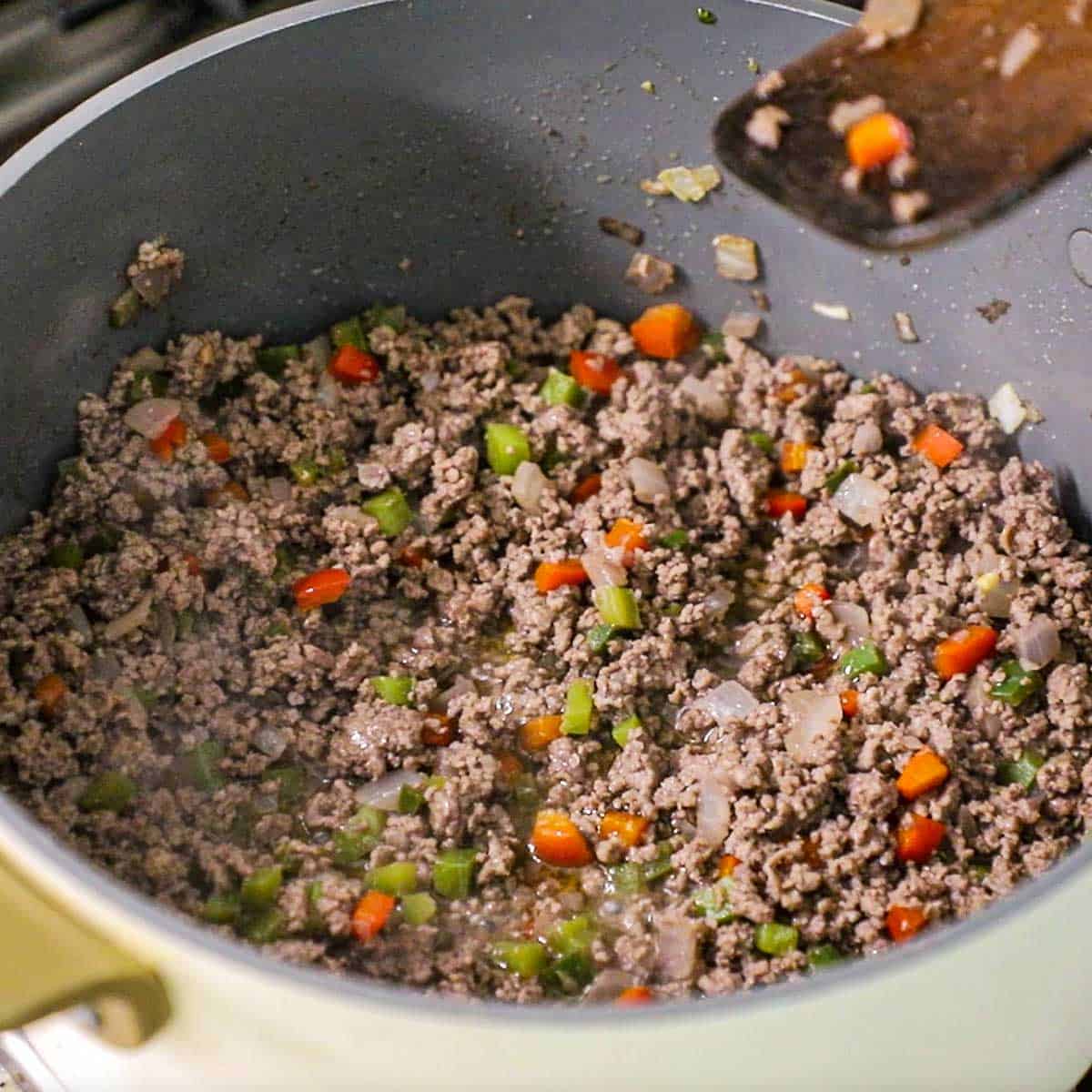
A person pouring a Dijon vinaigrette over an arugula and cherry tomato salad in a large wooden salad bowl.
  1. Step 5: Place the dressing ingredients in a jar with a lid and shake to emulsify. Pour over the arugula, tomatoes, and shallots. Toss to coat.
A person using a large spoon to place a mound of an arugula salad on a plate with a crispy chicken Milanese cutlet on it.
  1. Step 6: Place the cutlet on a plate with a large pile of the salad overlapping the side of the chicken.

Expert Tip

For the most professional, restaurant-quality results, let your breaded chicken cutlets rest on a wire rack for 15 to 20 minutes before they hit the pan. This short resting period allows the flour and egg to fully hydrate and “set,” creating a much stronger bond with the breadcrumbs that ensures your crispy crust stays perfectly attached to the meat instead of flaking off when you slice into it.

🍽️ How to Serve

  • The Classic “Milanese” Plating: For the most authentic presentation, place the hot, crispy chicken cutlet in the center of a large plate and pile a generous mound of the dressed arugula salad directly on top.
  • Add the Finishing Touches: Just before serving, scatter your large, shaved Parmesan curls over the salad and add a final sprinkle of flaky sea salt to the chicken to make the flavors truly pop.
  • Don’t Forget the Citrus: Always serve with extra lemon wedges on the side; a fresh squeeze of bright lemon juice over the hot breading right before eating is what brings the whole dish to life.
  • Perfect Side Pairings: While this is a complete meal on its own, it pairs beautifully with a side of buttery orzo, roasted balsamic potatoes, or a pasta cacio e pepi.
  • Wine Pairing: To complement the rich, fried crust and the acidic lemon dressing, serve this with a crisp, chilled white wine like a Pinot Grigio, Sauvignon Blanc, or even a dry Prosecco.
  • Serve Immediately: For the best experience, plate the dish as soon as the chicken comes out of the pan so you get that irresistible contrast between the sizzling hot meat and the cool, crisp greens.

🙋🏽‍♂️ Frequently Asked Questions

Can I make Crispy Chicken Milanese ahead of time?

You can bread the cutlets up to 4 hours in advance and keep them refrigerated on a parchment-lined tray, but for the best results, they should be fried just before serving. If you need to keep them warm for a short period, place them on a wire rack in a 200°F (95°C) oven to maintain their crunch.

What is the difference between Chicken Schnitzel and Crispy Chicken Milanese?

While both involve breaded and fried meat, the Italian version typically features grated Parmesan cheese mixed into the breading and is traditionally served with a fresh arugula salad and lemon. The German counterpart is often served with heavier sides like potato salad, lingonberry jam, or mushroom gravy.

Can I bake Crispy Chicken Milanese instead of frying it?

Yes, you can place the breaded cutlets on a parchment-lined baking sheet and bake at 400°F (200°C) for about 15–20 minutes, flipping halfway through. For a deep golden color, lightly spray both sides of the breading with olive oil before putting them in the oven.

How do I prevent the breading from falling off my Crispy Chicken Milanese?

Make sure the meat is patted completely dry before dredging it in flour, and always shake off any excess flour so the egg wash can stick properly. Pressing the breadcrumbs firmly into the surface and letting the prepared pieces rest for a few minutes before cooking also helps the coating stay perfectly intact.

What is the best way to reheat leftovers of Crispy Chicken Milanese?

To restore the original texture, avoid the microwave and instead place the cutlets in a 350°F (175°C) oven or an air fryer for 3–5 minutes until heated through. This ensures the crust stays firm and delicious rather than becoming soft or soggy.

A person squeezing a lemon wedge over a crispy chicken Milanese cutlet next to an arugula salad with cherry tomatoes.

🇮🇹 More Classic Italian Chicken Recipes

  • A black dinner plate filled with a serving of chicken Parmesan (Parmigiana) resting on a bed of cooked linguine and marinara sauce.
    Chicken Parmesan (Parmigiana)
  • An overhead view of a beaded white platter filled with a row of freshly prepared classic chicken piccata cutlets with lemon wedges placed along the side of the dish.
    Classic Chicken Piccata
  • An oval white platter filled with chicken marsala with a serving spoon off to the side.
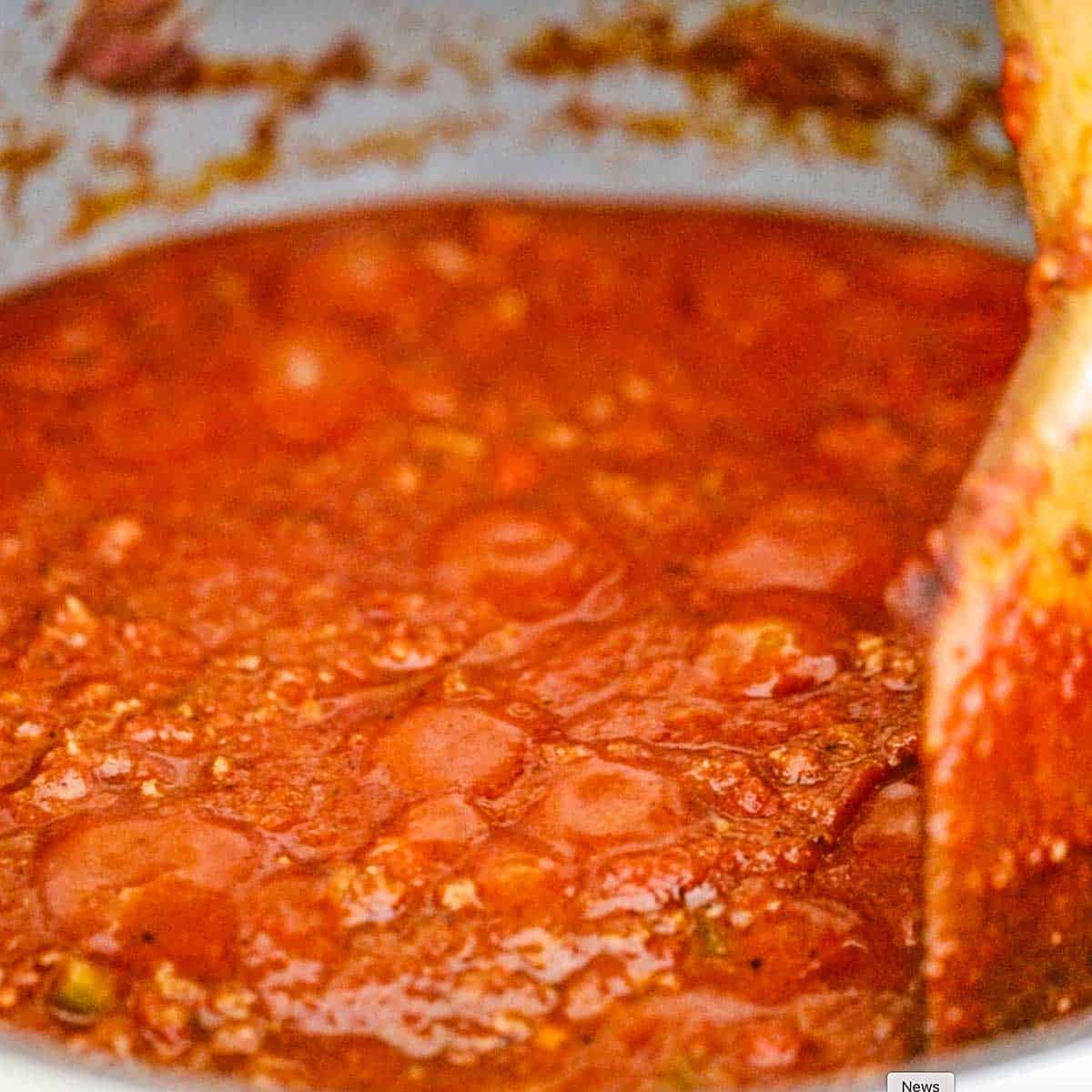
    Authentic Chicken Marsala
  • A straight-on view of a white dinner plate that is holding a serving of chicken saltimbocca with a white wine butter sauce next to roasted baby potatoes and an arugula salad.
    Chicken Saltimbocca with White Wine Sauce

Ready to make the best chicken dish this side of Milan, Italy? Go for it!

And when you do, be sure to take a photo of it, post it on Instagram, and tag @HowToFeedaLoon and hashtag #HowToFeedaLoon!

A close-up view of a dinner plate filled with a serving of crispy chicken Milanese alongside an arugula salad with a couple of lemon wedges next to it.
Print Recipe
5 from 3 votes

Perfectly Crispy Chicken Milanese with Arugula Salad

This classic Italian dish features tender chicken cutlets fried to a perfect golden-brown in a savory Parmesan and double-breadcrumb crust. Topped with a bright, citrusy arugula salad and heirloom tomatoes, it’s a sophisticated yet simple meal that brings restaurant-quality elegance to your dinner table.
Prep Time15 minutes mins
Cook Time15 minutes mins
Total Time30 minutes mins
Course: Entree
Cuisine: Italian
Servings: 4
Calories: 768kcal
Author: Kris Longwell

Equipment

  • 1 Large skillet 12"

Ingredients

For the Chicken Milanese

  • 2 large chicken breasts skinless, boneless
  • salt and pepper
  • 1 cup all-purpose flour
  • 3 large eggs
  • 1 cup Panko breadcrumbs
  • 1 cup Italian breadcrumbs fine
  • ½ cup Parmesan cheese grated
  • ½ cup olive oil
  • 4 tablespoon unsalted butter

For the Arugula Salad

  • 3 tablespoon extra-virgin olive oil
  • 1 tablespoon lemon juice usually from 1 lemon
  • 1 teaspoon Dijon mustard
  • salt and pepper
  • 4 cups arugula
  • 1 cup cherry tomatoes multi-colored, halved
  • 1 shallot finely chopped

For Serving

  • Parmesan cheese shaved, for garnish
  • lemon wedges
  • coarse sea salt optional

Instructions

Prepare the Chicken Milanese

  • Either butterfly the chicken breasts and pound to ¼-inch thickness (this will give you two cutlets) or cut the breasts in half (lengthwise) and pound to ¼-inch thickness (this will give you four cutlets). Liberally salt and pepper the breasts all over. Set aside.
    2 large chicken breasts, salt and pepper
  • Set up a dredging station: In the first pan, add the flour. In a second pan, add the eggs and lightly beat with a splash (1 tbsp) of water. In a third pan, combine the Panko breadcrumbs, Italian breadcrumbs, Parmesan cheese, 1 teaspoon salt, and ½ teaspoon black pepper.
    1 cup all-purpose flour, 3 large eggs, 1 cup Panko breadcrumbs, 1 cup Italian breadcrumbs, ½ cup Parmesan cheese
  • Dredge each cutlet in the flour (shake off excess), dip in the egg wash, and then press firmly into the breadcrumb mixture until fully coated.
  • In a large skillet, heat the olive oil and butter over medium heat. Once the butter is foaming, add the chicken (don't crowd the pan). Fry for 3 to 4 minutes per side until they are crispy and golden. Transfer to a wire rack and continue with the remaining cutlet(s).
    ½ cup olive oil, 4 tablespoon unsalted butter

Prepare the Salad

  • In a small jar (with a lid) or a small bowl, add the extra-virgin olive oil, lemon juice, Dijon, and a pinch of salt and pepper. Shake (or whisk) vigorously until fully combined.
    3 tablespoon extra-virgin olive oil, 1 tablespoon lemon juice, 1 teaspoon Dijon mustard, salt and pepper
  • Place the arugula, tomatoes, and shallot in a large bowl. Toss to combine. Just before serving, drizzle some of the dressing over the salad, and toss until coated (don't overdress! You will have extra dressing for another salad).
    4 cups arugula, 1 cup cherry tomatoes, 1 shallot

Plate the Dish

  • Place one cutlet on each plate. Pile a generous mound of the dressed salad over the side of the cutlet, or directly over the middle of it.
  • Scatter the shaved Parmesan curls over the salad and place 1 or 2 lemon wedges on the side. Add a sprinkle of coarse sea salt, if desired.
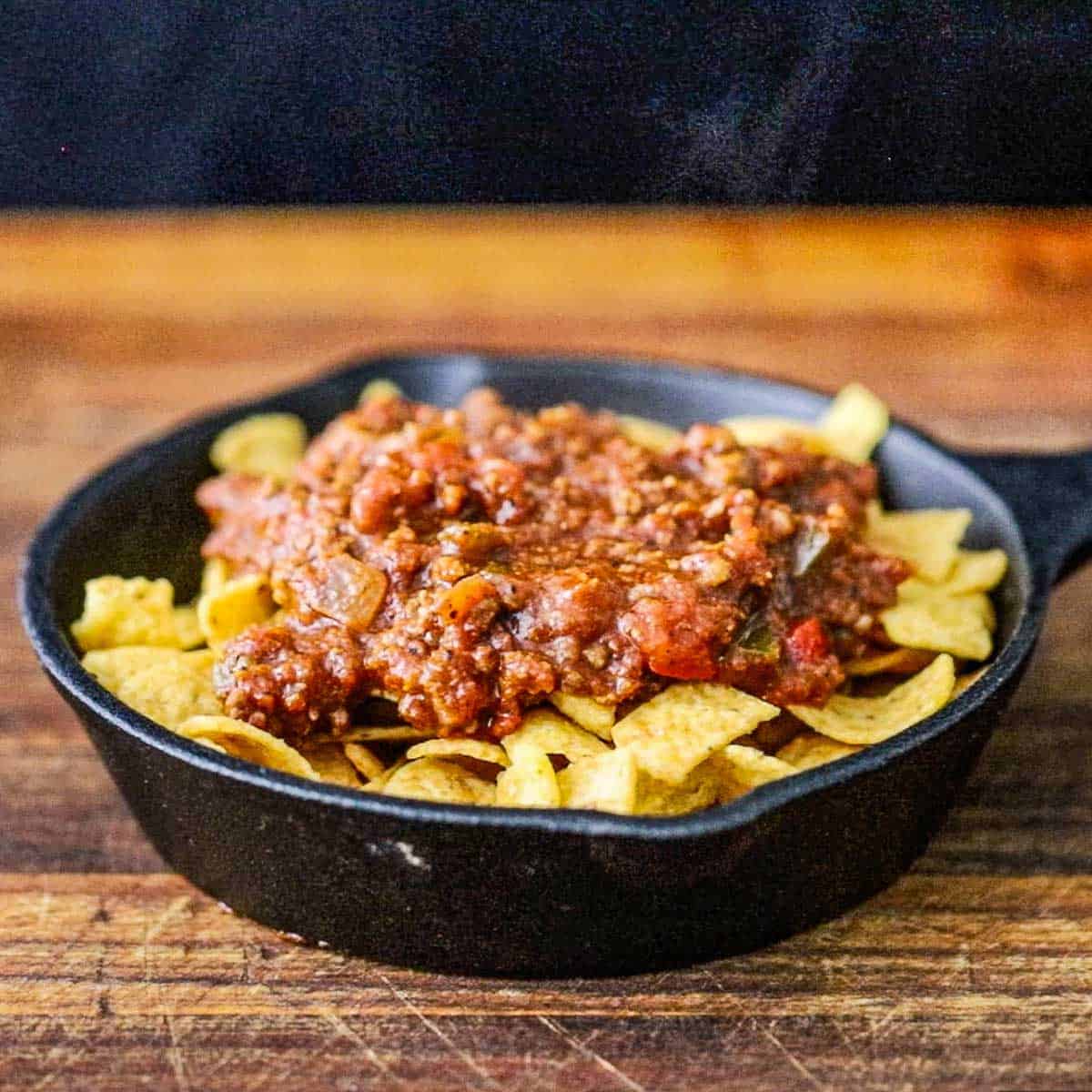
    Parmesan cheese, lemon wedges, coarse sea salt

Video

Notes

NOTE: Watch the video in the recipe card for visual guidance.
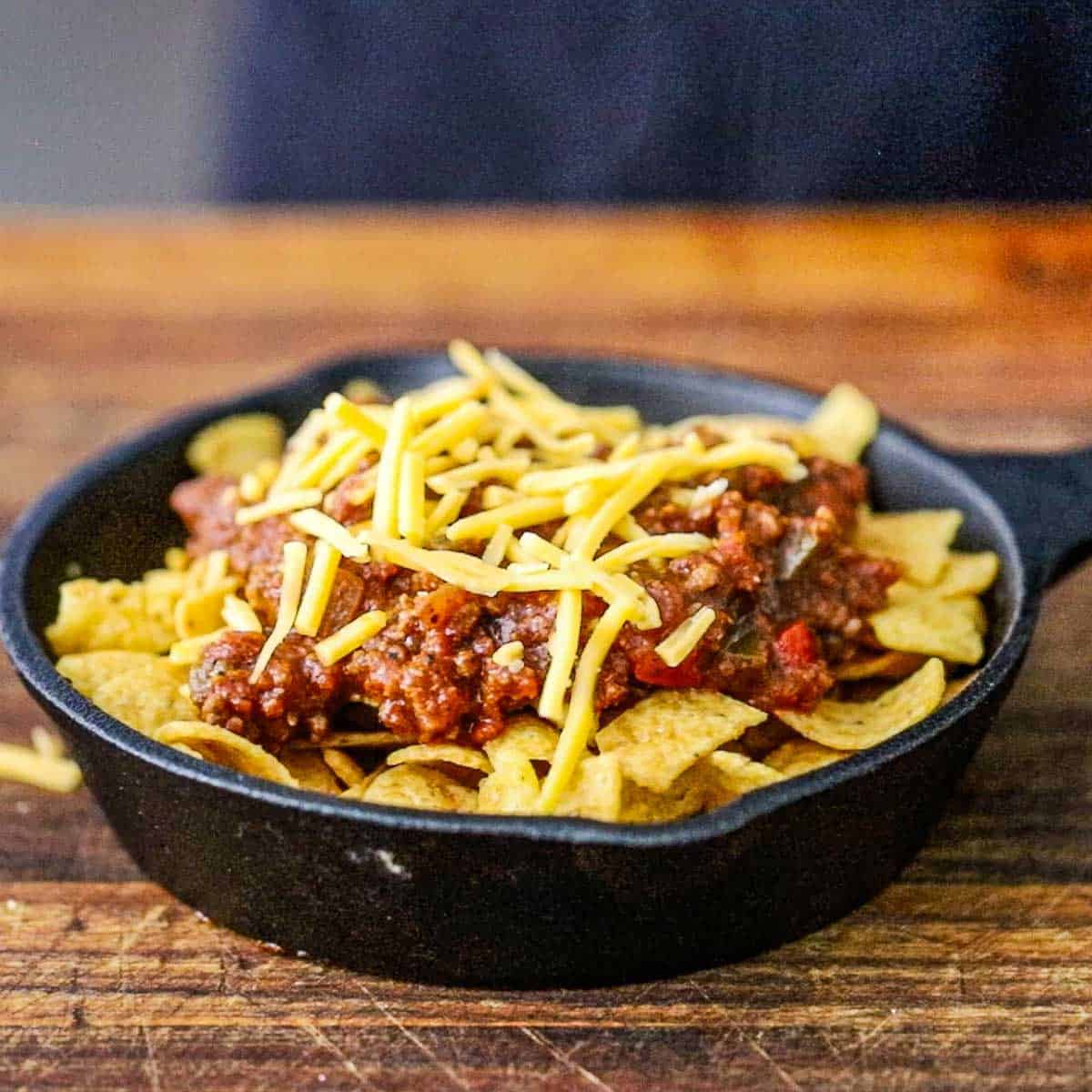
  • Serving Size & Prep: For a dramatic, restaurant-style presentation, butterfly the chicken breasts and pound them into two large, plate-filling cutlets (ideal for 2 servings). Alternatively, cut each breast in half before pounding to create four standard-sized portions that are easier to handle in the pan.

  • Maintain the Crunch: To keep the breading perfectly crispy, drain the fried cutlets on a wire cooling rack rather than paper towels; this prevents steam from building up underneath and making the crust soggy.
  • The “Last Second” Salad: Only toss the arugula and heirloom tomatoes with the lemon vinaigrette right before you are ready to plate, as the acidity in the lemon juice will wilt the delicate greens if they sit for too long.
  • Oil Temperature: If the oil isn’t hot enough, the breading will absorb the fat and become greasy; test the pan by dropping in a few breadcrumbs—if they sizzle and brown immediately, you are ready to fry.
  • Fresh is Best: For the most authentic flavor and a golden-brown crust, use freshly grated Parmigiano-Reggiano in your breadcrumb mixture rather than the pre-shredded variety.

Nutrition

Calories: 768kcal | Carbohydrates: 59g | Protein: 44g | Fat: 28g | Saturated Fat: 7g | Polyunsaturated Fat: 3g | Monounsaturated Fat: 10g | Trans Fat: 0.5g | Cholesterol: 251mg | Sodium: 766mg | Potassium: 799mg | Fiber: 4g | Sugar: 5g | Vitamin A: 1400IU | Vitamin C: 16mg | Calcium: 305mg | Iron: 6mg

The Ultimate Crispy Beer-Battered French Fries

February 20, 2026 by Kris Longwell 2 Comments

An overhead view of a pile of Crispy Beer Battered French Fries on a crumpled piece of brown paper with a small vessel filled with ketchup nearby.

If you’re looking for that perfect, shatteringly crisp pub-style crunch, you’ve come to the right place because these are truly the ultimate Beer-Battered French Fries. We’ve mastered the secret to a light, airy coating and a fluffy potato center that makes every single bite absolutely fabulous. Trust us, once you try this restaurant-quality recipe at home, you’ll never settle for a basic fry again!

An overhead view of a pile of Crispy Beer Battered French Fries on a crumpled piece of brown paper with a small vessel filled with ketchup nearby.
[feast_advanced_jump_to]

🥔 The Ingredients

We’ve combined simple pantry staples with a few professional secrets to create a perfectly seasoned, shatteringly crisp coating that turns humble spuds into a total showstopper. Find ingredient notes (including substitutions and variations) below.

An arrangement of ingredients for Crispy Beer Battered French Fries on a grey wooden background including Russet potatoes, a bottle of better, conrstarch, baking powder, flour, oil, and seasonings.

📝 Ingredient Notes and Substitutions

  • Russet Potatoes: These are the gold standard for fries because their high starch content creates a fluffy, mashed-potato interior. If you’re in a pinch, Yukon Golds will work, though they will be slightly creamier and less “starchy-crisp.”
  • Distilled White Vinegar: Adding this to your soaking water is a restaurant secret that helps the potato structure hold together so they don’t break during the double-fry process. Apple cider vinegar can be used as a substitute, though it may slightly darken the potato.
  • Peanut Oil: We love peanut oil for its high smoke point and clean flavor, but any neutral oil with a high smoke point—like canola, vegetable, or grapeseed oil—will work perfectly.
  • Cold Beer: The carbonation is what makes the batter light and airy! A light lager or pilsner is our favorite for a clean taste, but you can substitute with ice-cold club soda or seltzer water for a non-alcoholic version that still delivers a great crunch.
  • The Seasoning Blend: Our mix of garlic powder and smoked paprika adds a subtle, savory depth to the batter. Feel free to swap the smoked paprika for cayenne pepper if you want a little extra kick!
  • Baking Powder: Do not skip this! It reacts with the beer to create tiny air bubbles, which is the key to that “shatteringly crisp” texture.

Refer to the recipe card (with video) below for a full list of ingredients and measurements.

📌 Tips and Tricks for the Ultimate Crunch

  • Keep the Beer Ice-Cold: This is the most important rule! The cold temperature of the beer prevents the flour from absorbing too much oil, while the carbonation creates those tiny air pockets that make the batter light and airy.
  • Bone-Dry Potatoes are Happy Potatoes: After soaking your potatoes in the water and vinegar, make sure to pat them completely dry with paper towels or a clean kitchen towel.
  • Don’t Overmix the Batter: When you add the beer to your dry ingredients, whisk until just combined. A few small lumps are perfectly fine! Overmixing develops the gluten in the flour, which can make your coating “bread-like” and chewy instead of shatteringly crisp.
  • Use a Thermometer: Don’t guess the oil temperature! A deep-fry thermometer is essential. If the oil is too cool, the fries will be greasy; if it’s too hot, the batter will burn before the potato is cooked through.
  • Fry in Batches: Overcrowding the pot will cause the oil temperature to plummet. Fry in small batches so each fry has plenty of “elbow room” to get golden and crispy.
  • The Immediate Salt Sprinkle: Always season your fries with that coarse sea salt the second they come out of the oil.
  • The Vinegar Secret: Don’t skip the vinegar in the soaking water! The acid helps strengthen the potato’s pectin, which ensures your fries stay intact and don’t turn into mush during the double-fry process.

👩🏼‍🍳 How to Make Crispy Beer-Battered French Fries

A person using a mandolin to slice a large Russet potato into long strips of potato to be turned into French fries.
  1. Step 1: Use a sharp knife or a mandolin to cut the potatoes into ½-inch strips.
A person pouring distilled white vinegar from a small white bowl into a large glass bowl that is filled with raw strips of potato in the shape of French fries that are submerged in water.
  1. Step 2: Place the potatoes in a large bowl and fill with water. Swish the water, then drain by holding the potatoes back with your hand. Repeat three times. Now, fill again with water and stir in the distilled white vinegar.
A person using a metal spider to life par-cooked French fries from a large pot of hot oil.
  1. Step 3: Heat the oil to 325°F and fry the potatoes (in batches) until pale and limp, about 4 to 5 minutes.
A person tossing par-cooked French fries in all-purpose flour in a circular baking pan.
  1. Step 4: Toss the par-cooked potatoes in flour. Shake off excess.
Four partially fried French fries that have been coated with flour and then a beer batter and are resting on a baking rack over a foil-lined baking pan.
  1. Step 5: In a bowl, mix the batter ingredients. Submerge the floured fries in the batter. Shake off excess and then place them on a baking rack, allowing excess batter to fall off.
A person using a metal spider to lift crispy beer battered French fries from a large pot of hot oil.
  1. Step 6: Turn the heat up to 375°F and fry the French fries until deeply golden and very crisp. Place on a baking rack and hit them with a pinch of coarse sea salt. Serve hot!

Expert Tip: The “Drip and Smooth” Technique

To ensure your fries have a shatteringly crisp, thin coating rather than a heavy, doughy one, place the battered fries on a wire baking rack set over a foil-lined pan for a few seconds before they hit the oil. This allows the excess batter to drip off naturally; if you still see a heavy buildup, simply use your fingers to gently smooth it into a thin, even layer for that perfect, restaurant-quality finish!

🍽️ How to Serve the Ultimate Beer-Batter French Fries

While these fries are absolutely incredible on their own, they are even better when paired with the right dips and dishes! Here is how we love to serve them:

  • The Ultimate Appetizer Spread: For a crowd-pleasing starter, serve these piled high in a basket alongside a variety of dipping sauces. We highly recommend our homemade ketchup, a zesty Cajun remoulade, or a cool, creamy homemade Ranch. For a truly sophisticated snack, a Garlic Basil aioli is the perfect partner for that crisp coating.
  • The Perfect Side Dish: These fries are the natural companion to any of our favorite sandwiches. They bring that authentic pub-style experience to our Perfect Cheeseburger, add the perfect crunch to a Fried Fish Sandwich, or provide a savory balance to our Honey Mustard Grilled Sandwich.

No matter how you serve them, just make sure you have plenty on hand—they disappear fast!

🙋🏽‍♂️ Frequently Asked Questions

What is the best type of beer to use for Beer-Battered French Fries?

A light-bodied lager or pilsner is the ideal choice because it provides a clean flavor and plenty of carbonation without overpowering the potato. Avoid dark stouts or heavy IPAs, as they can make the coating look burnt or add a bitter aftertaste.

Can I make these Beer-Battered French Fries in an air fryer?

This specific recipe requires hot oil to instantly “set” the wet coating. If you try to use an air fryer, the liquid will simply drip through the basket before it has a chance to become crispy.

Why did my Beer-Battered French Fries turn out soggy?

This usually happens if the oil temperature drops too low or if the potatoes weren’t dried thoroughly before dipping. It is also essential to ensure only a thin, even layer of batter is on each fry; if the coating is too thick, it will trap moisture and prevent that signature crunch. Make sure your oil stays at 375°F for the final fry and pat those spuds bone-dry to ensure the coating sticks and crisps up perfectly.

Can I prep Beer-Battered French Fries in advance?

You can definitely do the first “blanching” fry ahead of time and keep the potatoes at room temperature for a few hours. However, for the best results, you should wait to mix the batter and perform the final fry right before you are ready to serve.

A person plunging the ultimate beer battered French fry into a small condiment vessel filled ketchup next a pile of more French fries.

😋 More Amazing Gastro-Pub Sides or Apps

  • A large baking dish filled with cross hatch sweet potato chips with a small glass jar of spicy remoulade nestled into the chips.
    Crosshatch Sweet Potato Chips
  • A pile of garlic parmesan steak fries sitting on a board lined with parchment paper with a small bowl of ketchup on one side and a bowl of aioli on the other side.
    Garlic Parmesan Steak Fries
  • Steak house onion rings on a large baking sheet
    Steak House Onion Rings
  • A close-up view of a large platter of crispy homemade potato chips with two small bowls of dipping sauce nearby.
    Perfectly Crispy Homemade Potato Chips

Ready to make the best fries in town? Go for it!

And when you do, be sure to take a photo of them, post it on Instagram, and tag @HowToFeedaLoon and hashtag #HowToFeedaLoon!

An overhead view of a pile of Crispy Beer Battered French Fries on a crumpled piece of brown paper with a small vessel filled with ketchup nearby.
Print Recipe
5 from 1 vote

The Ultimate Crispy Beer-Battered French Fries

Get ready for the ultimate pub-style experience at home with these shatteringly crispy Beer-Battered French Fries! Using our secret double-fry method and a light, airy batter, these golden-brown beauties are fluffy on the inside and perfectly crunchy on the outside—truly the best fry you'll ever make.
Prep Time15 minutes mins
Cook Time30 minutes mins
Rest time in water1 hour hr
Total Time1 hour hr 45 minutes mins
Course: Appetizer or Side
Cuisine: American
Servings: 8
Calories: 367kcal
Author: Kris Longwell

Equipment

  • 1 large study pot or skillet or deep-fryer
  • baking pan lined with a baking rack

Ingredients

  • 3 large Russet potatoes cut into ½-inch sticks
  • 1 tablespoon distilled white vinegar
  • peanut oil or canola, or vegetable – for frying
  • 1½ cup all-purpose flour divided
  • ½ cup cornstarch
  • 1 teaspoon baking powder
  • 1 teaspoon garlic powder
  • 1 teaspoon smoked paprika
  • 2 teaspoon Kosher salt
  • 1 teaspoon black pepper
  • 12 oz beer Lager or Pilsner, ice cold
  • coarse sea salt for finishing, optional

Instructions

  • Peel the potatoes (or leave the skin on for a rustic look and feel), and cut them into ½-inch sticks. Place them in a bowl and cover them with cool tap water. Swish the potatoes around to help release the starch. Use your hand to hold back the potatoes and drain the water into the sink. Repeat this process 3 times; by the third time, the water should be clear. Drain and cover again with cool tap water. Stir in the distilled white vinegar and let the potatoes sit for at least 1 hour, or up to 6 hours.
    3 large Russet potatoes, 1 tablespoon distilled white vinegar
  • In a heavy-bottomed pot, heat 2 to 3 inches of oil to 325°F, ensuring you leave at least 2 inches of "headroom" at the top to safely allow for bubbling. Or, heat your deep-fryer to 325°F.
    peanut oil
  • Drain the potatoes and pat them completely dry with paper towels. Fry the French fries in batches for about 4 to 5 minutes. They should be pale and limp, but not browned. Remove and drain on a wire rack over a baking pan lined with foil (for easy cleanup).
  • Increase the oil temperature to 375°F.
  • Add ½ cup of flour to a shallow pan and set aside.
    1½ cup all-purpose flour
  • In a large bowl, whisk the remaining 1 cup of flour, cornstarch, baking powder, garlic powder, smoked paprika, salt, and pepper together until combined. Just before frying, pour in the ice-cold beer. Whisk until just combined (a few lumps are okay).
    ½ cup cornstarch, 1 teaspoon baking powder, 1 teaspoon garlic powder, 1 teaspoon smoked paprika, 2 teaspoon Kosher salt, 1 teaspoon black pepper, 12 oz beer
  • Toss the par-cooked fries in the flour in the shallow pan. Then, dip the floured fried into the batter and let the excess drip off. Place them on the baking rack in a foil-lined baking pan to continue allowing the excess batter to drop off.
  • Working in batches, lower the fries into the hot oil. There should be a thin layer of batter on the fries. If they are thick with batter, use your fingers to rub some of the batter off.
  • Fry them until they are deeply golden and very crispy, usually about 3 to 5 minutes. Remove from the oil and place them on the baking rack. Immediately sprinkle them with the coarse sea salt (if using). Repeat with the remaining French fries. Serve at one with your favorite condiment(s).
    coarse sea salt

Video

Notes

NOTE: Watch the video in the recipe card for visual guidance.
  • Thin is In: For that signature “shatter-crisp” texture, avoid a heavy, doughy coating. Let the excess batter drip off the fries on a wire rack for a few seconds; if the coating still looks thick, use your fingers to smooth it into a thin, even layer before dropping them into the oil.
  • The Cold Factor: Keep your beer in the back of the fridge until the very last second. The colder the beer, the less oil the batter will absorb, which is the secret to a light, airy, and non-greasy fry.
  • Oil Safety: Always leave at least 2 inches of “headroom” at the top of your pot. When you add the battered fries, the oil will bubble up vigorously, and you want to ensure there is plenty of space to prevent any overflows.
  • Make-Ahead Tip: You can perform the first “blanching” fry (at 325°F) up to 2 hours in advance. Simply leave the par-cooked fries at room temperature, then batter and do the final “golden” fry (at 375°F) right before you’re ready to eat!
  • The Salt Window: There is a very short window to get your seasoning to stick! Be sure to sprinkle the fries with coarse sea salt the very second they come out of the hot oil while the surface is still glistening.

Nutrition

Calories: 367kcal | Carbohydrates: 53g | Protein: 6g | Fat: 23g | Saturated Fat: 6g | Polyunsaturated Fat: 4g | Monounsaturated Fat: 2g | Sodium: 592mg | Potassium: 678mg | Fiber: 3g | Sugar: 1g | Vitamin A: 126IU | Vitamin C: 8mg | Calcium: 47mg | Iron: 2mg

The Essential Croque Monsieur: A Parisian Bistro Classic

February 18, 2026 by Kris Longwell 2 Comments

An overhead view of two plates both filled with a freshly prepared Essential Croque Monsieur with a bowl filled with a green salad nearby.

Transport your kitchen to the heart of Paris with our Essential Croque Monsieur, a decadent masterpiece of melted Gruyère and silky Béchamel sauce. For the full experience, serve this golden-toasted sandwich alongside a crisp French bistro salad with a sharp vinaigrette to perfectly balance the rich, savory flavors. It’s the sophisticated “Mister” to our beloved Croque Madame and every bit as delicious!

An overhead view of two plates both filled with a freshly prepared Essential Croque Monsieur with a bowl filled with a green salad nearby.
[feast_advanced_jump_to]

🧀 The Ingredients

This authentic recipe relies on high-quality French staples—from the nutty, bubbling cheese to the silky, nutmeg-infused sauce—to create a sandwich that is truly more than the sum of its parts. Find ingredient notes (including substitutions and variations) below.

An arrangement of ingredients for The Essential Croque Monsieur on a grey wooden background including Gruyere cheese, sliced ham, sourdough bread slices, Dijon mustard, milk butter, flour, Parmesan, and seasonings.

📝 Ingredient Notes and Substitutions

  • The Bread: For the most authentic experience, use a high-quality Pain de Mie or a sturdy Sourdough. You want a bread that is sliced thick enough to hold the Béchamel without becoming soggy, but soft enough to provide that classic “bistro” bite. If you’re in a pinch, a thick-cut brioche works beautifully, though it will be much richer.
  • The Cheese: Gruyère is the gold standard here because of its nutty flavor and superior melting capabilities. If you can’t find it, Emmental or Comté are excellent traditional substitutes. In a pinch, a high-quality Swiss cheese will work, but we always recommend grating it yourself from a block to avoid the anti-clumping agents found in pre-shredded bags.
  • The Ham: Look for Jambon de Paris or a high-quality, thinly sliced deli ham. Avoid “honey-glazed” or heavily sweetened hams, as they can clash with the savory Béchamel. You want something salty and savory to balance the richness of the cheese.
  • The Béchamel: This “mother sauce” is what makes the sandwich. Don’t skip the pinch of nutmeg—it’s the secret ingredient that provides that unmistakable French flavor profile. For an extra layer of depth, don’t forget to add Dijon mustard directly into the sauce.

📌 Tips and Tricks for the Perfect Croque Monsieur

  • The Secret to Silky Béchamel: To avoid a lumpy sauce, always use warm milk and add it to your roux incrementally. Start by whisking in just a splash of milk until a smooth paste forms, then gradually add the rest. This prevents “temperature shock” and ensures a velvety, professional-grade sauce every single time.
  • Don’t Skip the Pre-Toast: Toasting your bread slices in the oven for a few minutes before assembling the sandwich is a game-changer. This creates a light “crust” that prevents the Béchamel from soaking into the bread, ensuring your sandwich stays sturdy and crisp rather than soggy.
  • Grate Your Own Cheese: While pre-shredded cheese is convenient, it’s often coated in potato starch to prevent clumping, which can lead to a grainy melt. For that iconic, gooey “cheese pull,” buy a block of Gruyère and grate it yourself just before using.
  • Watch the Broiler: The difference between a “good” Croque Monsieur and a “great” one is the leopard spots. When you put the sandwiches under the broiler, stay close! You want the cheese to be bubbling with deep golden-brown spots. This adds a toasted, nutty flavor that is essential to the dish.

👩🏼‍🍳 How to Make a Classic Béchamel Sauce

A person using a whisk to create a roux of melted butter and all-purpose flour in the bottom of a steel saucepan on a gas stove.
  1. Step 1: Make a roux by whisking the flour into the melted butter for 1 to 2 minutes over medium heat.
A person using a whisk to combine whole milk being poured from a measuring cup into a saucepan filled with a roux on a gas stove.
  1. Step 2: Warm the milk, and then gradually add it to the roux, whisking constantly. You should have a smooth and silky bechamel.
A person using a wooden spoon to stir a bechamel sauce that has slightly thickened in a saucepan on a gas stove.
  1. Step 3: Stir the sauce until thickened and coats the back of a spoon.
A person transferring Dijon mustard from a small white bowl into a saucepan that is filled with a bechamel sauce with small mounds of pepper, paprika, and grated parmesan on the surface.
  1. Step 4: Remove from heat, and stir in the salt, pepper, nutmeg, and Dijon. Stir to combine. Set aside to cool slightly (it will thicken as it cools).

👨‍🍳 How to Make the Essential Croque Monsieur

Four slices of toasted sourdough bread on a small sheet pan on a wooden cutting board.
  1. Step 1: Meanwhile, toast the bread slices in a 450°Foven until lightly browned, about 8 to 10 minutes (flipping them over after about 7 minutes).
A person using a spoon to add a layer of bechamel sauce onto slices of toasted sourdough bread on a small baking pan on a wooden cutting board.
  1. Step 2: Spread a liberal layer of the bechamel onto half of the toasted bread (you’ll top the sandwiches with the other slices).
A person placing thinly sliced ham over a slice of toasted bread that has a layer of bechamel sauce and grated Gruyere cheese on it.
  1. Step 3: Add a layer of shredded Gruyere and then a pile of the sliced ham.
A person placing shredded Gruyere cheese over the top of assemble Essential Croque Monsieur sandwiches that are resting on a small baking pan.
  1. Step 4: Top with the remaining toasted bread slices and then add a layer of Béchamel sauce over each top layer of bread, and then sprinkle more Gruyère on top.
A close-up view of a Croque Monsieur sandwich that is covered with melted Gruyere cheese and is fresh out of the oven.
  1. Step 5: Bake at 400°F for 10 minutes, or until cheese is melted. Turn on the broiler and cook until a few brown spots appear (keep an eye on them!).
A close-up view of a freshly made Essential Croque Monsieur and is garnished with a sprinkling of snipped chives.
  1. Step 6: Serve at once, garnished with snipped chives.

🍞 Expert Tip: The Perfect Sourdough Slice

For a Croque Monsieur that is both sturdy and easy to eat, slice your sourdough loaf into consistent ½ to ¾-inch slices. This thickness is the “Goldilocks” zone—it’s substantial enough to hold the weight of the Béchamel and ham without collapsing, yet thin enough to toast through to a perfect crunch. For the best results, use a sharp serrated bread knife and a gentle sawing motion to avoid squashing the airy, open crumb of the sourdough.

🍽️ How to Serve

  • The Classic Bistro Pairing: Serve with a crisp French bistro salad tossed in a sharp mustard vinaigrette. The acidity is essential for balancing the rich Béchamel and melted Gruyère.
  • Add a Traditional Crunch: Include a side of tart cornichons. These tiny French pickles provide a vinegary pop that cleanses the palate between savory, cheesy bites.
  • Make it a “Madame”: For the ultimate upgrade, top the sandwich with a sunny-side-up egg. The runny yolk turns this into our famous Croque Madame.
  • The Perfect Sip: Pair with a strong Café au Lait for brunch, or a crisp, dry white wine like a Sauvignon Blanc for a sophisticated lunch or light dinner.
  • Serve Immediately: This sandwich is best enjoyed piping hot. Let it rest for just one minute so the sauce sets, then slice diagonally and serve while the cheese is still bubbling and gooey.

🙋🏽‍♂️ Frequently Asked Questions

What exactly is a Croque Monsieur?

It is a classic French grilled ham-and-cheese sandwich that is elevated with a rich Béchamel sauce and baked until bubbling and golden. While it originated in Parisian bistros in the early 1900s, it has become one of the most famous comfort foods in the world.

What is the difference between a Croque Monsieur and a Croque Madame?

The distinction is simple: the “Madame” version is topped with a sunny-side-up fried egg, which is said to resemble a woman’s hat. Both recipes use the same base of ham, Gruyère, and creamy white sauce.

What is the best cheese to use for an Essential Croque Monsieur?

Gruyère is the traditional choice because of its nutty flavor and excellent melting properties. If you can’t find it, Emmental or Comté are also fantastic, authentic alternatives that provide that signature gooey texture.

Can I make a Croque Monsieur ahead of time?

You can prepare the Béchamel sauce up to two days in advance and even assemble the sandwiches a few hours before baking. Just keep them covered in the refrigerator until you’re ready to pop them into the oven.

What is the best way to reheat a Croque Monsieur?

To maintain the crispness of the sourdough and the creaminess of the sauce, it is best to use a 350°F oven or an air fryer for a few minutes. Avoid the microwave, as it will make the bread rubbery and the sauce oily.

Do I have to use Béchamel for an Essential Croque Monsieur?

While some quick versions skip it, this creamy white sauce is what truly defines the dish. It provides the luxurious, velvety texture that separates this French classic from a standard grilled cheese sandwich.

Two Croque Monsieur sandwiches that have both been split in half and stacked, revealing the ham and melty cheese interior.

🇫🇷 More Classic French Bistro Recipes

  • Two savory crêpes on a plate with one that has been broken open with mushrooms and spinach spilling out of it.
    Stuffed Savory Crêpes
  • A fully cooked cheese soufflé with cheese in a white dish surrounded by a white linen napkin.
    Cheese Soufflé with Asparagus
  • Two white soup bowl filled with homemade French onion soup with slices of a toasted baguette nearby.
    Homemade French Onion Soup
  • A large silver sauce pan with mussels and garlic and wine in it
    Mussels with Garlic and Wine

Ready to make the best grilled ham-and-cheese sandwich this side of Paris? Go for it!

And when you do, be sure to take a photo of it, post it on Instagram, and tag @HowToFeedaLoon and hashtag #HowToFeedaLoon!

A close-up view of two plates both filled with a freshly prepared Essential Croque Monsieur with a bowl filled with a green salad nearby.
Print Recipe
5 from 1 vote

The Essential Croque Monsieur: A Parisian Bistro Classic

This authentic Parisian bistro sandwich features salty ham and nutty Gruyère tucked between thick slices of sourdough, all smothered in a velvety Béchamel sauce and baked to golden, bubbling perfection. It’s a decadent French classic that is surprisingly easy to make in your own kitchen.
Prep Time15 minutes mins
Cook Time20 minutes mins
Resting time5 minutes mins
Total Time40 minutes mins
Course: Brunch / Lunch
Cuisine: French
Servings: 4
Calories: 898kcal
Author: Kris Longwell

Equipment

  • 1 Medium saucepan
  • 1 baking pan

Ingredients

For the Toasted Bread and Classic Béchamel Sauce

  • 8 slices sourdough bread see NOTES
  • 3 tablespoon unsalted butter
  • 3 tablespoon all-purpose flour
  • 2 cups whole milk warmed
  • 2 tablespoon Dijon mustard
  • ½ teaspoon ground nutmeg
  • ½ teaspoon Kosher salt
  • ½ teaspoon freshly ground black pepper
  • ¼ cup Parmesan cheese freshly grated

For the Sandwich

  • 12 oz Gruyere cheese shredded
  • 12 oz deli ham thinly sliced
  • 2 tablespoon chives snipped, for garnish

Instructions

  • Preheat oven to 450°F.
  • Place the bread slices on a baking sheet and toast them in the oven for about 8 to 10 minutes, or until lightly browned. You'll want to flip the slices over after about 6 to 7 minutes. Set aside.
    8 slices sourdough bread
  • Lower the oven temperature to 400°F.
  • Make the Béchamel sauce by melting the butter in a medium saucepan over medium heat. Whisk in the flour and stir for 1 to 2 minutes.
    3 tablespoon unsalted butter, 3 tablespoon all-purpose flour
  • Slowly, add the warmed milk in increments, whisking constantly to remove any lumps. Continue whisking and stirring until thickened enough to coat the back of a wooden spoon. Remove from the heat and stir in the Dijon, nutmeg, salt, pepper, and Parmesan cheese. Let cool slightly (the sauce will thicken more as it cools).
    2 cups whole milk, 2 tablespoon Dijon mustard, ½ teaspoon ground nutmeg, ½ teaspoon Kosher salt, ½ teaspoon freshly ground black pepper, ¼ cup Parmesan cheese

Assemble the Sandwiches

  • Spread a generous layer of the Béchamel on four of the toasted bread slices. Top with a generous layer of grated Gruyère, then fold the ham to fit perfectly over the cheese.
    12 oz Gruyere cheese, 12 oz deli ham
  • Place the remaining four slices of bread on top of each sandwich. Spread ahick layer of Béchamel sauce over the top slice of each sandwich. Sprinkle the remaining Gruyère cheese over the Béchamel sauce.
  • Place in the oven on the middle rack and bake for 8 to 10 minutes, until the cheese is melted. Turn the broiler on HIGH and broil until a few dark spots appear on the cheese (Keep an eye on them, don't let them burn!). This usually takes about 1 to 2 minutes.
  • Remove from the oven and plate the sandwiches. Sprinkle the snipped chives over the top and serve at once.
    2 tablespoon chives

Video

Notes

NOTE: Watch the video in the recipe card for visual guidance.
  • The Sourdough Slices: For the best structure and crunch, slice your sourdough loaf into consistent ¾-inch thick slices. This “Goldilocks” thickness is substantial enough to hold the weight of the Béchamel and ham without becoming soggy, yet thin enough to toast through to a perfect, golden crisp.
  • Shredding the Gruyère: We highly recommend grating your Gruyère fresh from a block. Pre-shredded cheeses are often coated in anti-clumping starches that can prevent a smooth melt and result in a grainy texture. Grating it yourself ensures that iconic, gooey “cheese pull” every time.
  • Lump-Free Béchamel: To ensure a velvety sauce, use warm milk and add it to your roux incrementally. Start with just a splash, whisking until a smooth paste forms, then gradually whisk in the rest. This prevents “temperature shock” and keeps the sauce perfectly silky.
  • The “Leopard Spots”: Don’t be afraid of a little color! When broiling the sandwiches, look for those deep golden-brown “leopard spots” on the cheese. This caramelization provides a nutty, toasted flavor that is essential to an authentic Parisian bistro experience.
  • Make it a Madame: To easily swap this recipe, simply top the finished sandwich with a sunny-side-up fried egg. You’ve just turned your Monsieur into our famous Croque Madame!

Nutrition

Calories: 898kcal | Carbohydrates: 78g | Protein: 65g | Fat: 36g | Saturated Fat: 12g | Polyunsaturated Fat: 5g | Monounsaturated Fat: 7g | Trans Fat: 0.3g | Cholesterol: 188mg | Sodium: 798mg | Potassium: 676mg | Fiber: 3g | Sugar: 12g | Vitamin A: 1386IU | Vitamin C: 1mg | Calcium: 1166mg | Iron: 6mg

Classic New Orleans Fried Shrimp Po-Boy

February 15, 2026 by Kris Longwell 2 Comments

A person using two hands to hold a large New Orleans Fried Shrimp Po-boy over a basket lined with red and white checkered wax paper.

Bring the taste of New Orleans home with this authentic Fried Shrimp Po-Boy, featuring crispy cornmeal-crusted shrimp piled high on legendary Gambino’s French bread. We’re skipping the toaster to keep it traditional, ensuring that signature “shatter” in every bite of this perfectly “dressed” sandwich. Slathered in our killer Cajun Remoulade, it’s the ultimate recipe to celebrate Mardi Gras like a local.

A person using two hands to hold a large New Orleans Fried Shrimp Po-boy over a basket lined with red and white checkered wax paper.
[feast_advanced_jump_to]

🍤 The Ingredients

Every element of this sandwich, from the premium Gulf seafood and perfectly seasoned coating to the traditional bakery bread and zesty “dressed” toppings, is carefully selected to recreate the iconic flavor of a true Louisiana classic. Find ingredient notes (including substitutions and variations) below.

An arrangement of ingredients for New Orleans Fried Shrimp Po-boy on a grey wooden background including raw gulf shrimp, cornmeal, flour, buttermilk, oil, French bread, remoulade, pickles, lettuce, tomatoes, and seasonings.

📝 Ingredient Notes and Substitutions

  • Gulf Shrimp: For the most authentic flavor, use wild-caught Gulf shrimp. We recommend Extra-Large (26/30 count) so they stay juicy inside while the outside gets crispy; just be sure to peel, devein, and remove the tails before breading.
  • Gambino’s French Bread: This is the “gold standard” for a reason—it has a thin, crackly crust and an airy center. If you can’t find it locally, look for a “soft” French bread loaf at your grocery store bakery, but avoid hard, chewy “artisan” baguettes, which can be difficult to bite through.
  • Cajun Remoulade: Our homemade recipe is the ultimate flavor booster, offering a creamy, tangy, and zesty kick that perfectly complements the fried seafood. Mayonnaise is a great alternative and very traditional.
  • Fine Yellow Cornmeal: Using a fine-grind cornmeal is crucial for that signature “shatter-crunch.” Avoid coarse or stone-ground cornmeal, which can feel gritty and won’t adhere as well to the shrimp.
  • Peanut Oil: We prefer peanut oil for its high smoke point and clean finish, which allows the flavor of the Cajun spices to shine. If you have an allergy, Canola or Vegetable oil are excellent substitutes.
  • Buttermilk: The acidity in the buttermilk helps tenderize the shrimp while acting as a “glue” for the dredge. If you’re out, you can make a quick substitute by adding 1 tablespoon of lemon juice or white vinegar to a cup of whole milk and letting it sit for 5 minutes.

Refer to the recipe card (with video) below for a full list of ingredients and measurements.

🔥 Tips and Tricks for the Perfect Po-Boy

To ensure your Fried Shrimp Po-Boy is as authentic as a trip to the French Quarter, keep these expert tips and tricks in mind:

  • Don’t Toast the Bread: Authentic Po-boy bread should be fresh and soft on the inside with a naturally crackly crust. If your bread feels a little soft, place the whole loaf in a 350°F oven for just 2–3 minutes to “wake up” the crust without hardening the interior.
  • Hollow Out the Top: If your Gambino’s loaf is particularly fluffy, many locals like to “hollow out” some of the soft white bread from the top half. This creates a “cradle” for more shrimp and ensures the perfect ratio of bread to filling.
  • Let the Breading Set: After dredging the shrimp in the cornmeal mixture, let them rest on a wire rack for about 5 to 10 minutes before frying. This allows the buttermilk and flour to form a “paste” that sticks to the shrimp, preventing the breading from falling off in the hot oil.
  • Fry in Batches: Never overcrowd your pot. Adding too many shrimp at once will drop the oil temperature, resulting in greasy, soggy breading instead of a light, shatter-crisp finish.
  • Drain on a Wire Rack: Instead of piling fried shrimp on paper towels (which can trap steam and make the bottom soggy), drain them on a metal wire cooling rack set over a baking sheet. This allows air to circulate all the way around the shrimp, keeping them crispy.
  • The Final Flourish: Don’t skip the fresh lemon squeeze and extra dash of hot sauce right before closing the sandwich. The acidity cuts through the richness of the fried shrimp and creamy sauce, making all the flavors pop.

👩🏼‍🍳 How to Make Classic New Orleans Fried Shrimp Po-Boy

A person using a whisk to combine the ingredients for Cajun Remoulade in a glass bowl on a wooden cutting board.
  1. Step 1: Place all of the Cajun Remoulade ingredients in a bowl and whisk to combine. Chill for at least 1 hour.
A glass bowl filled with raw Gulf shrimp soaking in a mixture of buttermilk and hot sauce.
  1. Step 2: Combine the buttermilk and hot sauce in a bowl and add the shrimp (peeled and deveined).
A round baking pan that is filled with a breading mixture of cornmeal, flour, and seasonings with fully breaded shrimp resting in the pan.
  1. Step 3: In a shallow bowl or pan, whisk the cornmeal, flour, Cajun seasoning, garlic powder, and salt. Drain the shrimp and dredge until coated with the cornmeal/flour mixture.
A metal spider being used to raise lightly fried shrimp from a large cast-iron skillet that is filled with hot oil.
  1. Step 4: Heat oil to 350°F and fry the shrimp until golden, about 3 minutes. Drain on a wire rack.
A person using a spoon to spread a layer of cut and opened up.
  1. Step 5: Add a generous layer of the romoulade over the bottom of the opened French bread.
A person placing fried shrimp on top of a French roll that is filled with a layer of Cajun remoulade, then sliced tomatoes, pickles, and shredded lettuce.
  1. Step 6: Add layers of the shredded lettuce, sliced tomatoes, pickles, and then a pile of the fried shrimp. Serve at once with hot sauce and lemon wedges!

Why is it called a Po-Boy?

The iconic name dates back to the 1929 streetcar strike in New Orleans. Former streetcar conductors turned restaurant owners, Bennie and Clovis Martin, vowed to feed the striking workers for free at their coffee stand and restaurant. Whenever a hungry striker walked into their shop, the brothers would call out to the kitchen, “Here comes another poor boy!”

To make the sandwiches more filling and consistent, they even worked with a local baker to develop a uniform, 40-inch-long loaf of French bread. Over time, the local dialect shortened the name to “Po-boy,” and a legendary New Orleans staple was born.

🙋🏽‍♂️ Frequently Asked Questions

What is the best bread to use for an authentic Fried Shrimp Po-Boy?

Look for a New Orleans-style French loaf, such as Gambino’s or Leidenheimer, which features a thin, crackly crust and a light, airy interior. If those aren’t available, a soft French bread from your local bakery is the next best choice.

What does it mean to order a Fried Shrimp Po-Boy “dressed”?

This traditional term means your sandwich will come loaded with shredded iceberg lettuce, thin slices of tomato, pickles, and a generous amount of mayonnaise or remoulade sauce. It provides the perfect balance of cool, crisp textures against the hot seafood.

Can I use frozen seafood for my Fried Shrimp Po-Boy?

Yes, as long as you thaw it completely and pat it dry with paper towels before starting the breading process. Removing excess moisture is the key to ensuring the coating sticks and becomes perfectly golden brown in the fryer.

What is the best way to reheat a leftover Fried Shrimp Po-Boy?

To restore the crunch without making the bread tough, place the seafood in an air fryer or a 350°F oven for a few minutes. It is best to remove the cold toppings like lettuce and tomatoes before warming the rest of the sandwich.

Why is peanut oil recommended for a Fried Shrimp Po-Boy?

This specific oil has a high smoke point and a neutral flavor profile, allowing the Cajun spices in the breading to stand out. It also produces a cleaner, crispier finish compared to heavier fats.

A close-up view of a New Orleans Fried Shrimp Po-Boy sandwich in a red plastic basket lined with red and white checkered wax paper.

😋 More Cajun and New Orleans Recipes

  • A quarter slice of a muffuletta sandwich on a cutting board surrounded by other slices and a mug of beer.
    Muffuletta
  • A large oval blue Dutch oven filled with jambalaya with a wooden spoon inserted into the mixture.
    Authentic Jambalaya
  • A white bowl chicken and sausage gumbo on top of patterned napkin with a spoon next to it.
    Chicken and Sausage Gumbo
  • A circular plate filled with a pile of freshly fried beignets with powdered sugar being sprinkled over the top.
    Classic New Orleans Beignets

Ready to make the best sandwich this side of Bourbon Street? Go for it!

And when you do, be sure to take a photo of it, post it on Instagram, and tag @HowToFeedaLoon and hashtag #HowToFeedaLoon!

A close-up view of a New Orleans Fried Shrimp Po-Boy sandwich in a red plastic basket lined with red and white checkered wax paper.
Print Recipe
5 from 1 vote

Classic New Orleans Fried Shrimp Po-Boy

Experience a true New Orleans classic with this authentic Fried Shrimp Po-Boy. Featuring golden, cornmeal-crusted Gulf shrimp piled onto soft Gambino’s bread and "dressed" with our zesty Cajun remoulade, this sandwich delivers the perfect "shatter-crisp" crunch in every bite.
Prep Time20 minutes mins
Cook Time10 minutes mins
Remoulade chill time1 hour hr
Total Time1 hour hr 30 minutes mins
Course: Lunch / Sandwich
Cuisine: American / Louisiana
Servings: 4
Calories: 689kcal
Author: Kris Longwell

Ingredients

  • Cajun remoulade

For the Shrimp

  • 1 cup buttermilk
  • 2 tablespoon hot sauce ie, Louisiana hot sauce or Tabasco
  • 1 lb large shrimp preferably Gulf, peeled, deveined, and tails removed
  • peanut oil for frying, or canola or vegetable oil
  • 1 cup cornmeal fine, not coarse or stone-ground
  • 2 teaspoon Cajun seasoning see NOTES
  • 1 teaspoon garlic powder
  • 1 teaspoon Kosher salt
  • ½ teaspoon cayenne pepper

For the Sandwich

  • 2 French loaves split lengthwise, see NOTES
  • 1 cup iceberg lettuce shredded
  • 4 medium tomatoes sliced
  • salt and pepper
  • dill pickle chips
  • lemon wedges for serving
  • hot sauce for serving

Instructions

Do Ahead

  • Make the Cajun Remoulade and chill (covered) for at least 1 hour, or even better, overnight. (Click the link in the Ingredients list)
    Cajun remoulade

Fry the Shrimp

  • In a large bowl, add the buttermilk and hot sauce and whisk to combine. Add the shrimp and toss to completely coat and submerge. Cover with plastic wrap and chill for 20 to 30 minutes.
    1 cup buttermilk, 2 tablespoon hot sauce, 1 lb large shrimp
  • Add 1 to 2 inches of oil to a heavy-duty skillet or pot. It shouldn't go more than about halfway up the side of the skillet. Heat the oil to 350°F.
    peanut oil
  • In a shallow pan or dish, whisk the cornmeal, flour, Cajun seasoning, garlic powder, salt, and cayenne together until completely combined.
    1 cup cornmeal, 2 teaspoon Cajun seasoning, 1 teaspoon garlic powder, 1 teaspoon Kosher salt, ½ teaspoon cayenne pepper
  • Working in batches, remove the shrimp from the buttermilk (let the excess drip off) and toss them into the cornmeal/flour mixture. Toss until completely coated. Let the shrimp rest on a wire rack while you coat the remaining shrimp.
  • Working in batches, fry the shrimp until crispy and golden brown, only about 2 to 3 minutes. Don't overcook! Remove with a metal slotted spoon and drain on a wire rack (rather than paper towels) to keep them from getting soggy.

Assemble the Po-Boy

  • Slather a generous layer of the Cajun Remoulade over the bottom half of each French loaf.
    2 French loaves
  • Add a layer of lettuce, then tomatoes seasoned with a pinch of salt and pepper sprinkled over the tops of each one, pickles, and a pile of the fried shrimp. Serve immediately with lemon wedges and plenty of hot sauce.
    1 cup iceberg lettuce, 4 medium tomatoes, dill pickle chips, lemon wedges, hot sauce

Video

Notes

NOTE: Watch the video in the recipe card for visual guidance.
  • Cajun Seasoning Substitute: If you can’t find a pre-made Cajun or Creole seasoning blend, you can make a quick DIY version by mixing equal parts salt, black pepper, garlic powder, onion powder, and smoked paprika, adding cayenne pepper to your preferred heat level.
  • Choosing the Right Bread: Look for “soft” French bread in your grocery store bakery. Unlike a traditional crusty baguette, which can be too tough to bite through, Po-Boy bread should have a very thin, crackly crust and a light, airy interior.
  • Sizing and Preparation: A traditional New Orleans Po-Boy is typically about 9 to 10 inches long. To prepare your loaf, cut the crusty ends off, then slice the loaf in half lengthwise to create the top and bottom pieces.
  • Serving Size: These are large, hearty sandwiches. Two 10-inch Po-Boys are quite substantial and can easily be cut in half to serve four guests.
  • Shrimp Prep: Always ensure your shrimp are completely peeled and the tails are removed before breading. This ensures every bite of the sandwich is effortless and authentic.

Nutrition

Calories: 689kcal | Carbohydrates: 39g | Protein: 7g | Fat: 24g | Saturated Fat: 6g | Polyunsaturated Fat: 4g | Monounsaturated Fat: 3g | Cholesterol: 7mg | Sodium: 827mg | Potassium: 572mg | Fiber: 6g | Sugar: 7g | Vitamin A: 1821IU | Vitamin C: 22mg | Calcium: 91mg | Iron: 2mg

Classic Jumbo Shrimp Cocktail

February 13, 2026 by Kris Longwell Leave a Comment

A close-up view of Classic Jumbo Shrimp Cocktail on a plate filled with shaved ice, lemon wedges and a small bowl filled with homemade cocktail sauce.

Elevate your next dinner with this Classic Jumbo Shrimp Cocktail, a timeless appetizer that balances elegance with effortless preparation. By poaching the shrimp in a fragrant Court Bouillon, you ensure a tender, snappy texture that far surpasses store-bought alternatives. When paired with our easy homemade cocktail sauce, this sophisticated dish becomes the perfect opening act for a romantic Valentine’s Day or any special occasion.

A close-up view of Classic Jumbo Shrimp Cocktail on a plate filled with shaved ice, lemon wedges and a small bowl filled with homemade cocktail sauce.
[feast_advanced_jump_to]
An arrangement of ingredients for Classic Jumbo Shrimp Cocktail on a grey wooden background including uncooked shrimp, lemon juice, Worcestershire sauce, ketchup, horseradish, wine, lemon, celery, onion, herbs, and seasonings.

🍤 The Ingredients

This sophisticated dish pairs succulent, aromatically infused seafood with a zesty, handcrafted sauce that perfectly balances bright citrus notes and a signature savory heat. Find ingredient notes (including substitutions and variations) below.

📝 Ingredient Notes and Substitutions

  • Jumbo Shrimp: For the most elegant presentation, use 12–15 count (Jumbo) or 16–20 count (Extra Large) shrimp. If buying frozen, ensure they are fully thawed in the refrigerator before poaching, and always leave the tails on for a classic look and easy handling.
  • Dry White Wine: A crisp Sauvignon Blanc or Pinot Grigio is ideal for the poaching liquid. If you prefer to omit the alcohol, substitute with an equal amount of water and an extra tablespoon of fresh lemon juice.
  • Prepared Horseradish: Ensure you are using “Prepared Horseradish” (grated horseradish in vinegar) rather than “Horseradish Sauce,” which contains cream or mayo. This keeps the cocktail sauce vibrant and provides that signature sharp bite.
  • Aromatics (Onion & Celery): These provide the savory foundation of the Court Bouillon. If you don’t have celery on hand, fresh fennel or leeks make excellent sophisticated substitutes.
  • Hot Sauce: A vinegar-forward sauce like Tabasco is the traditional choice for this recipe. For a different profile, you can substitute with a pinch of cayenne pepper or a dash of Sriracha for a hint of sweetness.
  • Fresh Lemon: Always use freshly squeezed lemon juice rather than bottled; the bright acidity is essential for cutting through the richness of the shrimp and balancing the heat of the horseradish.

Refer to the recipe card (with video) below for a full list of ingredients and measurements.

Expert Tip: The Secret of the Court Bouillon

A Court Bouillon—French for “short broth”—is a rapidly cooked, highly aromatic poaching liquid designed to infuse delicate proteins with flavor. While many home cooks simply boil their shrimp in plain water, using this classic mixture of white wine, citrus, and aromatics ensures the shrimp are seasoned from the inside out.

To truly elevate your dish, let the bouillon simmer for at least 15 minutes before adding the shrimp; this “pre-infusion” extracts the essential oils from the herbs and spices, resulting in a more sophisticated, multi-dimensional flavor and a remarkably tender texture that defines a gourmet shrimp cocktail.

🧊 Tips and Tricks for Success

  • The “C” Shape Rule: Keep a close eye on the shrimp while poaching. Perfectly cooked shrimp form a gentle “C” shape. If they curl tightly into an “O” shape, they are overcooked and will likely be rubbery.
  • Pat Them Dry: Before plating, use a paper towel to thoroughly pat the chilled shrimp dry. If the shrimp are wet, the cocktail sauce will slide right off instead of clinging to them.
  • Let the Sauce Meld: While the sauce is easy to whip up, it tastes even better if made at least an hour in advance. This gives the horseradish, Worcestershire, and hot sauce time to fully integrate for a more balanced flavor.
  • Use Crushed Ice: For a high-end restaurant presentation, keep the shrimp chilled over a layer of crushed ice. You can usually get crushed ice from the place you got your shrimp from.
  • Deveining Secret: If you are cleaning the shrimp yourself, use a small pairing knife or a toothpick to gently pull the vein out. Keeping the shell on during the poaching process (if using “easy-peel”) can actually add more flavor to the meat, though peeling them before poaching is easier for beginners.

👩🏼‍🍳 How to Make Classic Jumbo Shrimp Cocktail

A person using a small whisk to combine ketchup, horseradish sauce, lemon juice, hot sauce, and Worcestershire sauce in glass bow for homemade cocktail sauce.
  1. Step 1: Whisk all of the ingredients for the cocktail sauce in a small bowl. Cover and chill for at least 1 hour.
A person adding black peppercorns from a small white bowl into a large pot filled with water, onion quarters, bay leaves, and chopped celery.
  1. Step 2: In a large pot of water, add the white wine, lemon, onion, celery, bay leaves, black peppercorns, and a pinch of salt.
A large pot filled with simmering water and quartered onions, bay leaves, celery, and black peppercorns.
  1. Step 3: Bring the water to a boil, lower the heat to medium, and simmer for 10 minutes.
A person holding a shallow white bowl filled with uncooked pink shrimp over a pot of simmering water filled with aromatics.
  1. Step 4: Carefully drop the shrimp into the simmering Court Bouillon. Once they are opaque and have formed a “C”, remove them. This should only take a few minutes. Don’t overcook the shrimp!
A close-up view of cooked shrimp in an ice bath in a large glass bowl on a cutting board.
  1. Step 5: Immediately add to an ice bath in a large bowl. Let them rest in the cold water for 5 minutes.
A person placing cooked shrimp onto a plate that is lined with crushed ice and topped with more shrimp, lemon wedges, and a small bowl filled with homemade cocktail sauce.
  1. Step 6: Drain and chill the shrimp. Arrange the shrimp over crushed ice and serve with lemon wedges and the cocktail sauce. Serve ice cold!

🍽️ How to Serve

  • The Chilled Platter: For a grand, shared presentation, fill an attractive, chilled plate or shallow bowl with a generous bed of crushed ice. Place a small bowl of the cocktail sauce in the center and arrange the jumbo shrimp elegantly around it.
  • Individual Glassware: For a sophisticated bistro-style aesthetic, serve individual portions in chilled martini or coupe glasses. You can either place the sauce at the bottom of the glass and drape the shrimp over the rim or nestle a small ramekin of sauce into a glass filled with crushed ice.
  • The Final Flourish: Garnish the platter or glasses with fresh lemon wedges and vibrant sprigs of parsley. The lemon provides a bright pop of color and allows guests to add an extra spritz of citrus to their shrimp.
  • Temperature is Key: To maintain the “classy” experience, ensure the shrimp, sauce, and even the serving dishes are thoroughly chilled. Serving this dish over ice isn’t just for looks—it keeps the seafood at the perfect, crisp temperature throughout the course.

🙋🏽‍♂️ Frequently Asked Questions

Can I prepare the Classic Jumbo Shrimp Cocktail in advance?

Yes, you can poach the shrimp and mix the sauce up to 24 hours before your event. Store the shrimp in an airtight container in the coldest part of your refrigerator to ensure they stay crisp and fresh.

Can I use frozen shrimp for this Classic Jumbo Shrimp Cocktail?

Absolutely. High-quality frozen shrimp are often fresher than the “fresh” ones at the seafood counter because they are frozen immediately after being caught. Just be sure to thaw them completely in the refrigerator overnight before poaching.

How do I prevent the shrimp from becoming rubbery?

The key is to watch for the visual cue of a “C” shape and immediately move them to an ice bath. The ice water stops the residual heat from cooking the protein further, locking in that perfect, snappy texture.

Can I make the sauce for the Classic Jumbo Shrimp Cocktail less spicy?

You can easily customize the heat by adjusting the amount of prepared horseradish and hot sauce. Start with half the recommended amount, taste, and gradually add more until it reaches your preferred level of zing.

How long will leftovers of the Classic Jumbo Shrimp Cocktail stay fresh?

When kept in a sealed container in the refrigerator, they are best enjoyed within two days. For the most vibrant flavor and best texture, try to serve them as close to the preparation time as possible.

A person squeezing a lemon wedge over a plate filled with Classic Jumbo Shrimp Cocktail.

🎩 More Elegant Appetizer Recipes

  • A straight-on view of a whole crispy fried burrata that is resting on a bed of smokey romesco sauce in a black cast-iron skillet.
    Crispy Fried Burrata with Smoky Romesco Sauce
  • A close-up view of a white platter filled with crab-stuffed shrimp with lemon wedges nearby.
    Crab-Stuffed Shrimp
  • An oval platter filled with pieces of beef negimaki sitting on their sides topped with brown sauce and sesame seeds all sitting next to a bowl of the sauce.
    Beef Negimaki
  • A row of oysters Rockefeller each sitting on rock salt on a dark grey serving tray.
    Oysters Rockefeller

Ready to make the best shrimp appetizer in town? Go for it!

And when you do, be sure to take a photo of it, post it on Instagram, and tag @HowToFeedaLoon and hashtag #HowToFeedaLoon!

An overhead view of Classic Jumbo Shrimp Cocktail on a white plate lined with crushed ice with lemon wedges placed throughout and a small bowl filled with homemade cocktail sauce off to the side of the shrimp.
Print Recipe
No ratings yet

Classic Jumbo Shrimp Cocktail

A timeless, elegant appetizer featuring jumbo shrimp poached in a fragrant French Court Bouillon for a perfectly tender, snappy texture. Paired with a zesty, handcrafted cocktail sauce, it’s the ultimate sophisticated starter for any special occasion.
Prep Time10 minutes mins
Cook Time15 minutes mins
Chill time1 hour hr
Total Time1 hour hr 25 minutes mins
Course: Appetizer
Cuisine: French / American
Servings: 4
Calories: 234kcal
Author: Kris Longwell

Equipment

  • Large pot for poaching the shrimp

Ingredients

  • Homemade cocktail sauce

For the Poaching Liquid (Court Bouillon) and Shrimp

  • 8 cups water
  • 1 cup dry white wine Sauvignon Blanc or Chardonnay
  • 1 large lemon halved and squeezed
  • 1 medium onion quartered
  • 1 stalk celery chopped, or sliced
  • 2 bay leaves
  • 1 teaspoon whole black peppercorns
  • ½ teaspoon Kosher salt
  • 1 lb jumbo shrimp shells on, but preferably deveined. Keep the tails on.

For Serving

  • Lemon wedges
  • Several sprigs parsley

Instructions

Do Ahead

  • Prepare the homemade cocktail sauce, cover, and chill for at least 1 hour, or even better, overnight. (Click the link in the Ingredients list)
    Homemade cocktail sauce

Prepare the Shrimp Cocktail

  • In a large pot, combine the water, wine, lemon juice, onion, celery, bay leaves, peppercorns, and salt. Bring to a boil, then reduce the heat and simmer for about 10 minutes. This will "season" the water.
    8 cups water, 1 cup dry white wine, 1 large lemon, 1 medium onion, 1 stalk celery, 2 bay leaves, 1 teaspoon whole black peppercorns, ½ teaspoon Kosher salt
  • While the liquid simmers, prepare a large bowl filled with ice and cool water. This is important to stop the shrimp from cooking and keep them tender.
  • With the water simmering, gently drip the shrimp in. Once they turn opaque and form a "C" shape, they are done. This usually takes about 2 to 3 minutes.
    1 lb jumbo shrimp
  • Immediately remove the shrimp with a slotted spoon and transfer them to the ice bath. Let them sit in the cold water for 5 minutes.
  • Once cold, peel the shells off, but leave the tails intact. If they weren't already deveined, make a shallow slit down the back and remove the vein. Pat them completely dry with paper towels. Refrigerate until ready to use.
  • Arrange the shrimp on a serving plate or platter over crushed ice. Garnish with lemon wedges, sprigs of parsley or dill, and the cocktail sauce. Or, chill martini glasses and place a scoop of the cocktail sauce in the bottom of the glass and hook 3 to 4 shrimp around the rim of the glass, facing inward. Serve ice-cold!
    Lemon wedges, Several sprigs parsley

Video

Notes

NOTE: Watch the video in the recipe card for visual guidance.
  • The Ice Secret: When purchasing your shrimp, ask the fishmonger at the seafood counter for a bag of crushed ice. Most markets will provide it for free, giving you the perfect professional base for an elegant, chilled presentation at home.
  • Don’t Skip the Dry: After the ice bath, ensure you pat each shrimp thoroughly dry with a paper towel. This allows the cocktail sauce to cling to the shrimp rather than sliding off.
  • Advance Prep: You can poach the shrimp and prepare the sauce up to 24 hours in advance. Keep them tightly covered in the refrigerator until the moment you are ready to plate and serve.
  • The “C” Shape: Remember that a “C” stands for “Cooked” and an “O” stands for “Overcooked.” Pull the shrimp from the bouillon the moment they reach that perfect “C” curve.

Nutrition

Calories: 234kcal | Carbohydrates: 9g | Protein: 16g | Fat: 12g | Saturated Fat: 2g | Polyunsaturated Fat: -0.8g | Monounsaturated Fat: 1g | Trans Fat: 0.01g | Cholesterol: 143mg | Sodium: 765mg | Potassium: 289mg | Fiber: 2g | Sugar: 3g | Vitamin A: 265IU | Vitamin C: 17mg | Calcium: 104mg | Iron: 1mg

Crispy Fried Burrata with Smoky Romesco Sauce

February 11, 2026 by Kris Longwell 2 Comments

A straight-on view of a whole crispy fried burrata that is resting on a bed of smokey romesco sauce in a black cast-iron skillet.

Elevate your next dinner party or date night with this showstopping Fried Burrata served over a vibrant, smoky Romesco sauce. This restaurant-quality appetizer features an ultra-crispy golden shell that breaks open to reveal a luxuriously creamy center for the perfect contrast of textures. Deceptively simple to prepare in just 15 minutes, it’s the ultimate sophisticated starter for anyone looking to impress with minimal effort.

A straight-on view of a whole crispy fried burrata that is resting on a bed of smokey romesco sauce in a black cast-iron skillet.
[feast_advanced_jump_to]

🍶 The Ingredients

This dish pairs a smoky, nut-infused Mediterranean sauce with a delicately breaded and flash-fried ball of fresh cheese for a sophisticated balance of bold flavors and contrasting textures. Find ingredient notes (including substitutions and variations) below.

An arrangement of ingredients for Crispy Fried Burrata with Smokey Romesco Sauce including red bell pepper, diced tomatoes, oil, burrata cheese, flour, eggs, breadcrumbs, and seasonings.

📝 Ingredient Notes and Substitutions

  • Fresh Burrata: Ensure your cheese is very cold and patted completely dry before breading; if you can’t find burrata, a ball of fresh “fior di latte” mozzarella is the best substitute, though it will lack the signature creamy center.
  • Blanched Almonds: These provide the traditional nutty base for the sauce, but you can easily swap them for toasted hazelnuts or walnuts for a deeper, earthier flavor profile.
  • Panko Breadcrumbs: Panko is essential for achieving that signature restaurant-style crunch, but you can substitute with gluten-free panko or standard breadcrumbs if necessary.
  • Red Wine Vinegar: This adds a bright acidity to balance the smoky peppers, though sherry vinegar is a fantastic traditional alternative, and lemon juice can be used in a pinch.
  • The Thickener: A single cube of white bread gives the Romesco its classic, hearty body; for a gluten-free version, use a gluten-free bread cube or omit it entirely and add an extra tablespoon of almonds.
  • Frying Oil: Use a neutral oil with a high smoke point, like vegetable, canola, or grapeseed oil, to ensure the burrata browns beautifully without burning.

Refer to the recipe card (with video) below for a full list of ingredients and measurements.

🔥 Tips and Tricks for the Perfect Fried Burrata

  • The “Set and Chill” Method: For the best results, place your breaded burrata in the freezer for 15–20 minutes after you’ve finished the double-breading process. This firms up the cheese and helps the crust “lock” into place so it doesn’t fall off in the fryer.
  • Dry, Dry, Dry: Use paper towels to pat the burrata balls until they are completely dry before you start the flour dredge. Moisture is the enemy of a crispy crust!
  • The “Insurance” Coating: Always double-bread the cheese. That second dip in the egg and panko creates a reinforced shell that prevents the creamy center from leaking into the hot oil.
  • Maintain Oil Temperature: Use a kitchen thermometer to keep your oil at a steady 350°F. If the oil is too cold, the breading will soak up grease; if it’s too hot, the exterior will burn before the cheese is warmed through.
  • Fry One at a Time: To keep the oil temperature stable, fry only one burrata ball at a time. This gives you total control over the quick 60-second frying process.
  • Make the Romesco in Advance: Romesco sauce tastes even better after the flavors have had time to meld. Make it up to 3 days in advance and bring it to room temperature or warm it slightly before plating.

👩🏼‍🍳 How to Make Crispy Fried Burrata with Smoky Romesco Sauce

A person using a spoon to hold up a spoonful of smokey romesco sauce that is in the bowl of a food processor.
  1. Step 1: Place all of the Romesco ingredients into a food processor (or blender) and purée until smooth.
A person using two hands to dredge of large ball of burrata cheese through all-purpose flour that is in a baking pan.
  1. Step 2: Pat the burrata dry with paper towels, and then gently coat it with the flour in a pan.
A person using two hands to coat an egg wash all over a large ball of burrata cheese in a baking pan.
  1. Step 3: Submerge the burrata in the egg bath until coated all over.
A person using two hands to dredge a large ball of burrata cheese that had ben covered in an egg wash and it now being covered all over with seasoned Panko breadcrumbs.
  1. Step 4: In a third pan, mix the Panko with the paprika, oregano, and salt. Gently dredge the Burrata until fully coated. Repeat dredging through the egg and then the Panko mixture one more time. Place in the freezer for 15 minutes.
A person using a metal spatula to raise a crispy fried burrata from a pot of hot oil.
  1. Step 5: Heat oil to 350°F and then carefully fry the Burrata until golden.
A person using a metal spatula to place a crispy fried burrata into a skillet that has a layer of smokey romesco sauce in it.
  1. Step 6: Gently heat the Romesco sauce in a pan, place the crispy Burrata on top of the sauce, and serve immediately.

Expert Tip: Choosing the Right Size

This recipe works beautifully regardless of the size of burrata you find at the market. A large 8-ounce ball makes a stunning, “tear-and-share” centerpiece for a group of four, while the smaller 4-ounce balls are ideal for individual plated appetizers or a more intimate dinner for two. Both sizes fry up perfectly using the “set and chill” method—just ensure your frying vessel is deep enough to fully submerge the larger ball for an even, golden-brown finish.

🍽️ How to Serve Fried Burrata with Romesco

  • The “Sauce First” Rule: Always spoon a generous pool of the Romesco sauce onto the plate before adding the burrata. Placing the fried cheese on top of the sauce—rather than pouring sauce over it—ensures the breading stays ultra-crispy until the very last bite.
  • Essential Dippers: Serve the dish with plenty of warm, toasted baguette slices, crostini, or grilled sourdough. You’ll want a sturdy bread to scoop up the combination of the smoky sauce and the creamy, oozing center.
  • Fresh Garnishes: Add a pop of color and freshness by topping the burrata with hand-torn basil leaves, fresh parsley, or microgreens. A final sprinkle of flaky sea salt (like Maldon) is highly recommended to make the flavors sing.
  • The Sweet & Spicy Finish: For a modern flavor profile, add a light drizzle of hot honey or a thick balsamic glaze over the top. The sweetness beautifully balances the acidity of the vinegar and the smokiness of the paprika in the Romesco.
  • The “Big Reveal”: For the best guest experience, bring the dish to the table whole. Break the golden crust open with a knife right before eating to let the creamy stracciatella flow into the red sauce for a dramatic, restaurant-style presentation.
  • Perfect Pairings: This rich, savory appetizer pairs wonderfully with a crisp, bubbly Prosecco, a dry Rosé, or a light-bodied red like Pinot Noir to cut through the creaminess of the cheese.

🙋🏽‍♂️ Frequently Asked Questions

Can I make Fried Burrata with Romesco ahead of time?

You can prepare the sauce up to three days in advance and keep it refrigerated, but the cheese itself should be fried and served immediately to ensure the crust stays crispy and the center remains perfectly melted.

How do I prevent the cheese from leaking when making Fried Burrata with Romesco?

The most effective way to keep the center contained is to use a double-breading technique and then place the breaded balls in the freezer for about 20 minutes before frying; this creates a reinforced shell that holds up under high heat.

Can I use an air fryer for Fried Burrata with Romesco?

Yes, simply spray the breaded balls generously with a neutral oil and cook them at 400°F for 4 to 5 minutes until the exterior is golden brown and crunchy.

What is the best way to reheat leftovers of Fried Burrata with Romesco?

While this dish is best enjoyed fresh, you can crisp it back up in an air fryer or toaster oven at 350°F for a few minutes. Avoid using a microwave, as it will make the breading soggy and the cheese rubbery.

What should I serve alongside Fried Burrata with Romesco?

Toasted baguette slices, grilled sourdough, or crunchy crostini are the best options for scooping up the combination of the smoky red sauce and the creamy, oozing cheese.

A person using a thin piece of toast to lift creamy burrata from a cast-iron skillet the is filled with a crispy fried burrata with smokey romesco sauce.

😋 More Delicious Appetizer Recipes

  • An overhead view of a pile of bacon parmesan gourgeres on a square white wax piece of paper.
    Bacon Parmesan Gougères
  • A close-up view crispy Southern crab beignets sitting on a white platter next to a small bowl of white remoulade sauce.
    Southern Crab Beignets
  • Three sea scallops with pancetta sitting on a black plate with a yellow egg and chive sauce on the plate, as well.
    Sea Scallops with Pancetta
  • A platter filled with sausage-stuffed mushrooms next to a plate of the same.
    Sausage-Stuffed Mushrooms

Ready to make the most impressive (and yummy) appetizer in town? Go for it!

And when you do, be sure to take a photo of it, post it on Instagram, and tag @HowToFeedaLoon and hashtag #HowToFeedaLoon!

A close-up view of a whole crispy fried burrata that is resting on a bed of smokey romesco sauce in a black cast-iron skillet.
Print Recipe
5 from 1 vote

Crispy Fried Burrata with Smoky Romesco Sauce

This restaurant-quality appetizer features golden-fried burrata with an ultra-crispy shell and a luxuriously creamy center. Served over a vibrant, smoky Romesco sauce, it’s a sophisticated and impressive starter that comes together in a short amount of time.
Prep Time10 minutes mins
Cook Time5 minutes mins
Chill time in the freezer15 minutes mins
Total Time30 minutes mins
Course: Appetizer
Cuisine: Mediterranean
Servings: 4
Calories: 2450kcal
Author: Kris Longwell

Equipment

  • deep pot for frying You'll need enough oil to submerge the breaded burrata
  • metal spatula or spider, for deep-frying

Ingredients

  • 2 cups easy Romesco sauce
  • 1 8 oz burrata or 2 4-ounce balls of Burrata
  • 1 cup all-purpose flour
  • 2 large eggs plus a tablespoon of water or milk
  • 1 cup Panko breadcrumbs
  • 1 teaspoon dried oregano
  • ½ teaspoon smoked paprika
  • 1 teaspoon Kosher salt
  • vegetable oil for frying
  • 2 tablespoon fresh basil chopped
  • coarse sea salt for finishing (optional)
  • bread slices toasted

Instructions

Do Ahead – Prepare the Romesco Sauce

  • Use your food processor or blender to purée the Romesco sauce (click link in the Ingredients list for easy recipe).
    2 cups easy Romesco sauce

Prepare the Crispy Fried Burrata

  • Remove the Burrata from its liquid and pat dry with paper towels.
    1 8 oz burrata
  • Set up your breading/dredging station. Bowl 1: All-purpose flour. Bowl 2: Lightly beaten eggs with a splash of water. Bowl 3: Panko whisked together with oregano, paprika, and salt.
    1 cup all-purpose flour, 2 large eggs, 1 cup Panko breadcrumbs, 1 teaspoon dried oregano, ½ teaspoon smoked paprika, 1 teaspoon Kosher salt
  • Very carefully dredge the Burrata through the flour until coated. Then gently turn it through the egg wash until coated. And then coat it with the seasoned Panko. Repeat with the egg dredge and then again with the seasoned Panko.
  • Place the Burrata on a small plate and place it in the fridge for 20 minutes. Meanwhile, heat about 2 to 3 inches of the oil to 350°F (don't fill the pot more than halfway).
    vegetable oil
  • Gently heat the Romesco sauce in a small skillet (preferably cast-iron).
  • Remove the Burrata from the freezer and use a metal slotted spoon or spider to gently lower it into the hot oil. Fry until golden brown, usually 2 to 3 minutes.
  • Carefully remove the Burrata from the oil and place it in the center of the warmed Romesco sauce. Garnish with chopped basil and a sprinkle of coarse sea salt (if using). Serve at once with toasted bread slices.
    2 tablespoon fresh basil, coarse sea salt, bread slices

Video

Notes

NOTE: Watch the video in the recipe card for visual guidance.
  • The Freezer Secret: For the best results, place your breaded burrata in the freezer for 15–20 minutes after the double-breading process is complete. This “sets” the crust and ensures the cheese remains intact and doesn’t leak during the high-heat fry.
  • Double Breading is Key: Do not skip the second dip in the egg and panko. This reinforced shell is what creates that satisfying crunch and acts as a barrier for the creamy center.
  • Oil Temperature: Use a kitchen thermometer to maintain an oil temperature of 375°F (190°C). If the oil is too cool, the breading will become greasy; if it is too hot, the exterior will brown before the cheese has softened.
  • Size Options: This recipe works for both small (4-ounce) and large (8-ounce) burrata balls. Smaller balls are perfect for individual servings, while a large 8-ounce ball makes a dramatic, shareable centerpiece.
  • Make-Ahead Romesco: You can prepare the Romesco sauce up to 3 days in advance. Store it in an airtight container in the refrigerator and bring it to room temperature or warm it slightly before serving.
  • Keep it Crispy: Always plate the burrata on top of the sauce rather than pouring the sauce over the cheese. This prevents the breading from getting soggy and preserves that signature crunch.
  • Pat Dry: Ensure the burrata is patted extremely dry with paper towels before you begin the flour dredge. Any excess moisture will prevent the breading from sticking properly.

Nutrition

Calories: 2450kcal | Carbohydrates: 35g | Protein: 8g | Fat: 28g | Saturated Fat: 3g | Polyunsaturated Fat: 4g | Monounsaturated Fat: 3g | Trans Fat: 0.01g | Cholesterol: 93mg | Sodium: 659mg | Potassium: 106mg | Fiber: 2g | Sugar: 1g | Vitamin A: 313IU | Vitamin C: 0.2mg | Calcium: 50mg | Iron: 3mg

The Ultimate Slow Cooker Beef Tips and Gravy

February 8, 2026 by Kris Longwell 15 Comments

A shallow white bowl filled slow cooker beef tips and gravy over a pile of mashed potatoes with a glass of iced tea nearby.

Move over, pot roast! Following the success of our favorite pot roast recipe, we’ve perfected The Ultimate Slow Cooker Beef Tips and Gravy. This from-scratch version skips the salty packets in favor of a rich, savory gravy and beef so tender it melts in your mouth. It’s the perfect “set-it-and-forget-it” meal, especially when served over creamy homemade mashed potatoes or buttery egg noodles.

A shallow white bowl filled slow cooker beef tips and gravy over a pile of mashed potatoes with a glass of iced tea nearby.
[feast_advanced_jump_to]

🥩 The Ingredients

By combining a perfectly marbled cut of beef with a curated blend of savory aromatics and umami-rich pantry staples, you get a deep, complex flavor that no store-bought seasoning packet can match. Find ingredient notes (including substitutions and variations) below.

An arrangement of ingredients of slow cooker beef tips and gravy on a grey wooden background including chunks of beef chuck roast, chopped onions, tomato paste, cornstarch, beef stock, soy sauce, Worcestershire sauce, balsamic vinegar, and seasonings.

📝 Ingredient Notes and Substitutions

  • Beef Chuck Roast: For the most tender results, buy a whole chuck roast and cube it yourself. It has much better marbling than pre-cut “stew meat,” which can often lean out and become tough in the slow cooker.
  • Better Than Bouillon (Beef Base): This is our “secret weapon” for a rich, restaurant-quality gravy. If you don’t have it, you can substitute with two extra beef bouillon cubes or additional beef stock, though the flavor won’t be quite as concentrated.
  • Tomato Paste: This provides a deep mahogany color and savory “umami” depth. If you’re out, a tablespoon of ketchup can work in a pinch, though it will add a slight sweetness.
  • Soy Sauce & Worcestershire: These replace the need for salty seasoning packets. For a gluten-free version, swap the soy sauce for tamari or coconut aminos.
  • Balsamic Vinegar: A tiny splash of acidity is essential to cut through the richness of the beef. You can substitute this with red wine vinegar or even a splash of dry red wine.
  • Cornstarch Slurry: This is the key to a glossy, thick gravy. If you prefer a different thickener, arrowroot powder works perfectly as a 1:1 substitute.

Refer to the recipe card (with video) below for a full list of ingredients and measurements.

🔥 Tips and Tricks for Success

  • Don’t Skip the Sear: Searing the beef is the most important step for both flavor and color. It creates a caramelized crust (the Maillard reaction) that provides the base for a deep, dark gravy that looks as good as it tastes.
  • Sear in Batches: Avoid crowding the skillet when browning the meat. If you put too much beef in at once, the temperature drops and the meat will steam in its own juices rather than getting that golden-brown crust.
  • Deglaze the Pan: After searing the beef, use a splash of the beef broth to scrape up the brown bits (the fond) from the bottom of the skillet. Those bits are concentrated flavor—make sure they make it into the slow cooker!
  • Low and Slow is Best: While most slow cookers have a “High” setting, beef chuck becomes most tender when cooked on “Low.” This gives the connective tissue plenty of time to break down, resulting in that signature melt-in-your-mouth texture.
  • The Cold Water Secret: Always whisk your cornstarch into cold water before adding it to the slow cooker. If you add cornstarch directly to the hot liquid, it will clump instantly and leave you with lumpy gravy.
  • The Glossy Finish: For a professional, restaurant-style look, stir in a tablespoon of cold butter right at the end. It gives the gravy a silky mouthfeel and a beautiful glossy sheen that pops in photos.

👩🏼‍🍳 How to Make the Ultimate Slow Cooker Beef Tips and Gravy

A person using a large wooden spatula to sear large chunks of chuck roast in a large oval Dutch oven on a gas stove.
  1. Step 1: Working in batches, sear the seasoned chunk of beef in a large pot with olive oil over medium heat until brown all over. Remove the beef and set it aside.
A person pouring a quarter cup of beef stock from a small container into a large Dutch oven that has onions that have been sautéd in oil and tomato paste.
  1. Step 2: Sauté the onions in oil over medium heat until softened. Stir in the tomato paste and cook until deepened in color. Add ¼-cup of broth and deglaze the pot with a wooden spatula.
A person pouring beef stock from a 2-cup glass measuring cup into a slow-cooker filled with seared chunks of beef, sautéed onions, and seasonings.
  1. Step 3: Add the seared beef chunks, sautéed onions, seasonings, and beef stock into the slow cooker.
A person pouring a cornstarch slurry from a small glass bowl into a slow cooker that is filled with tender chunks of beef simmering in a dark broth.
  1. Step 4: Cook on LOW for 7 or 8 hours. Stir in the cornstarch slurry and let cook for another 10 to 15 minutes, stirring occasionally, until thickened.
A person dumping two small pads of butter into a slow cooker that is filled with beef tips and gravy.
  1. Step 5: Just before serving, stir in two tablespoons of unsalted butter.
A close-up view of a wooden spoon being used to hold up a serving of slow cooker beef tips and gravy over the slow cooker filled with the same.
  1. Step 6: Serve once with mashed potatoes or cooked noodles.

Expert Tip: The “Chuck” Secret for Tenderness

To guarantee a melt-in-your-mouth texture, skip the pre-cut “stew meat” at the grocery store—which is often comprised of lean, mismatched trimmings—and instead hand-cube a well-marbled chuck roast. The higher fat content and connective tissue in the chuck roast are essential for a long slow-cook, as they break down into rich gelatin that keeps the beef succulent and creates a naturally velvety gravy that “stew meat” simply can’t provide.

🍽️ How To Serve

  • Creamy Mashed Potatoes: The classic choice. Ladle the beef and extra gravy over a mountain of buttery mashed potatoes for the ultimate comfort food experience.
  • Buttery Egg Noodles: For a different texture, serve the tips over wide egg noodles tossed in butter; they are the perfect vessel for catching every drop of the rich sauce.
  • Southern-Style Green Beans: Add a savory, salty side with slow-simmered green beans to round out the plate with a traditional “Sunday dinner” feel.
  • Skillet Dinner Rolls: You won’t want to leave any gravy behind! Serve warm, fluffy skillet rolls on the side to soak up every bit of the mahogany-rich sauce.
  • Easy Bistro Green Salad: To balance the heartiness of the meal, add a simple green salad with a light vinaigrette. The crisp texture and bright acidity provide a refreshing contrast to the savory beef.

🙋🏽‍♂️ Frequently Asked Questions

Can I use pre-cut stew meat for The Ultimate Slow Cooker Beef Tips and Gravy?

While you can use it in a pinch, it isn’t recommended. Stew meat is often a mix of various lean trimmings that can cook unevenly or become tough. For the best results, hand-cut a chuck roast to ensure every bite is consistently tender and well-marbled.

Can I cook The Ultimate Slow Cooker Beef Tips and Gravy on the high setting to save time?

It is highly recommended to cook this dish on LOW for 7–8 hours. Beef chuck needs time for the connective tissue to break down; cooking it too fast on HIGH can result in meat that is chewy or rubbery rather than melt-in-your-mouth tender.

How do I thicken the sauce in The Ultimate Slow Cooker Beef Tips and Gravy if it’s too thin?

Whisk together a slurry of equal parts cornstarch and cold water, then stir it into the liquid. Turn the heat to high for the final 20–30 minutes of cooking, as the heat is necessary to “activate” the cornstarch and create that thick, glossy finish.

Can I freeze leftovers of The Ultimate Slow Cooker Beef Tips and Gravy?

Yes, this dish freezes beautifully. Store it in an airtight container or a heavy-duty freezer bag for up to three months. When you’re ready to serve, thaw it in the refrigerator overnight and reheat it slowly on the stovetop, adding a splash of beef broth if the gravy has become too thick.

Is The Ultimate Slow Cooker Beef Tips and Gravy gluten-free?

To make this dish gluten-free, you will need to swap the soy sauce for tamari or coconut aminos and ensure your Worcestershire sauce and beef bouillon are certified gluten-free brands. The cornstarch used for thickening is naturally gluten-free.

A close up view of a large wooden spoon being used to raise a helping of slow cooker beef tips and gravy from the slow cooker holding the dish.

😋 More Amazing Slow Cooker Recipes

  • Two side-by-side blue soup bowls filled with slow-cooker beef stew.
    Slow-Cooker Beef Stew
  • A straight-on view of a slow cooker pulled pork sandwich sitting on a red checkered sandwich wrapper with kettle chips scattered around it.
    Slow Cooker Pulled Pork
  • An overhead view of two side-by-side bowls both filled with a serving of slow cooker lasagna soup.
    Slow Cooker Lasagna Soup
  • A large white bowl filled with slow cooker asparagus risotto next to a pepper grinder and a glass of white wine.
    Slow Cooker Asparagus Risotto

Ready to make the ultimate comfort food? Go for it!

And when you do, be sure to take a photo of it, post it on Instagram, and tag @HowToFeedaLoon and hashtag #HowToFeedaLoon!

A close-up view of a shallow white bowl filled with slow cooker beef tips and gravy over a pile of mashed potatoes.
Print Recipe
4.80 from 5 votes

The Ultimate Slow Cooker Beef Tips and Gravy

This "from-scratch" masterpiece delivers melt-in-your-mouth tender beef smothered in a rich, mahogany gravy—all without the need for salty seasoning packets or canned soups. By using well-marbled chuck roast and a few umami-rich secrets, you get a restaurant-quality meal that’s easy enough for a weeknight but special enough for Sunday dinner. It’s the ultimate comfort food when served over a bed of creamy mashed potatoes or buttery egg noodles.
Prep Time15 minutes mins
Cook Time8 hours hrs
Total Time8 hours hrs 15 minutes mins
Course: Entree
Cuisine: American
Servings: 8
Calories: 348kcal
Author: Kris Longwell

Equipment

  • 1 6-quart slow-cooker
  • 1 large skillet or Dutch oven for searing and sautéing

Ingredients

  • 2½ lbs chuck roast cut into 1.5-inch pieces
  • salt and pepper
  • 2 tablespoon olive oil divided
  • 1 large onion chopped
  • 1 tablespoon tomato paste
  • 1 tablespoon beef base "Better Than Bouillon" see NOTES
  • 2 tablespoon Worcestershire sauce
  • 1 tablespoon soy sauce
  • 1 teaspoon balsamic vinegar
  • 1 teaspoon onion powder
  • 1 teaspoon garlic powder
  • 1 teaspoon dried thyme
  • 2 cups beef stock or broth
  • 3 tablespoon cornstarch + ¼ cup cool water
  • 2 tablespoon unsalted butter

Instructions

  • Pat the beef chunks dry with a paper towel and season liberally all over with salt and pepper. Heat 1 tablespoon of the oil in a large skillet or Dutch oven over medium heat. Working in batches (don't overcrowd the pan), sear the beef all over until browned on all sides. Remove and repeat until all the beef has been seared. Set aside.
    2½ lbs chuck roast, salt and pepper, 2 tablespoon olive oil
  • Add the remaining 1 tablespoon of oil to the pan and heat over medium heat. Add the onions and sauté until tender, about 3 to 4 minutes. Stir in the tomato paste and cook, stirring often, for 1 to 2 minutes. Add about ¼ cup of the beef broth and use a wooden spatula to unlodge any bits that are stuck to the pan.
    1 large onion, 1 tablespoon tomato paste
  • Add the beef and any accumulated juices to the slow cooker. Top with the sautéed onion and then the beef base, Worcestershire sauce, soy sauce, balsamic vinegar, onion powder, garlic powder, thyme, 1 teaspoon salt, and ½ teaspoon black pepper. Pour in the rest of the beef broth. Stir everything with a large wooden spoon. Cover and cook on LOW for 7 to 8 hours.
    1 tablespoon beef base, 2 tablespoon Worcestershire sauce, 1 tablespoon soy sauce, 1 teaspoon balsamic vinegar, 1 teaspoon onion powder, 1 teaspoon garlic powder, 1 teaspoon dried thyme, 2 cups beef stock
  • When the beef is very tender, but not completely shredded, combine the cornstarch with the cool water in a small bowl. Stir the cornstarch slurry into the slow cooker and gently stir. Allow to cook for another 10 to 15 minutes, stirring now and then. Once the gravy has thickened, turn off the heat, and gently stir in the butter until melted.
    3 tablespoon cornstarch, 2 tablespoon unsalted butter
  • Serve at once with mashed potatoes or cooked noodles!

Video

Notes

NOTE: Watch the video in the recipe card for visual guidance.
  • The Better Than Bouillon Secret: This is the key to a rich, restaurant-quality gravy without using a seasoning packet. We highly recommend the Roasted Beef Base for the deepest flavor. It can be found near the soup section of most well-stocked supermarkets. If you must substitute, use two beef bouillon cubes, but the paste provides a much more concentrated, savory punch.
  • Meat Selection: For the best results, hand-cube a well-marbled chuck roast. Avoid pre-cut “stew meat,” which is often made from leaner trimmings that can become dry or tough during the long cooking process.
  • Don’t Crowd the Pan: When searing the beef, work in batches. If the pan is too full, the meat will steam in its own juices rather than developing that dark, caramelized crust that is essential for a mahogany-colored gravy.
  • Low and Slow: While it’s tempting to use the “High” setting to save time, beef chuck becomes most tender when cooked on “Low.” This allows the connective tissues to fully break down into a melt-in-your-mouth texture.
  • Salt to Taste: Since the bouillon, soy sauce, and Worcestershire all contain sodium, wait until the very end to add any additional salt. You’ll often find that the “umami” ingredients provide all the seasoning you need.

Nutrition

Calories: 348kcal | Carbohydrates: 7g | Protein: 29g | Fat: 23g | Saturated Fat: 9g | Polyunsaturated Fat: 2g | Monounsaturated Fat: 12g | Trans Fat: 1g | Cholesterol: 105mg | Sodium: 582mg | Potassium: 680mg | Fiber: 1g | Sugar: 2g | Vitamin A: 145IU | Vitamin C: 3mg | Calcium: 44mg | Iron: 4mg

Homemade French Onion Dip

February 6, 2026 by Kris Longwell 2 Comments

An overhead view of an oval bowl filled with homemade French onion dip garnished with snipped chives on a platter filled with Kettle potato chips.

Elevate your game day spread with this rich and savory Homemade French Onion Dip, featuring deeply caramelized onions and a perfectly seasoned creamy base. It is the ultimate party appetizer that pairs perfectly with crispy, golden homemade potato chips for a snack that puts store-bought versions to shame.

An overhead view of an oval bowl filled with homemade French onion dip garnished with snipped chives on a platter filled with Kettle potato chips.
[feast_advanced_jump_to]

🧅 The Ingredients

This recipe relies on a handful of simple, high-quality pantry staples that are transformed through slow-cooking into a rich and deeply flavorful masterpiece. Find ingredient notes (including substitutions and variations) below.

An arrangement of ingredients for homemade French onion dip on a grey wooden background including chopped onions, olive oil, butter, sour cream, mayonnaise, Worcestershire sauce, sugar, and spices.

📝 Ingredient Notes and Substitutions

  • Onions: Yellow onions are the standard choice for their balanced flavor, but Vidalia or other sweet onions work beautifully for a milder, sweeter dip. Ensure they are finely diced so the dip is easy to scoop.
  • Butter and Olive Oil: Using a combination of both allows for the rich, nutty flavor of butter. At the same time, the oil helps prevent the milk solids from burning during the long caramelization process.
  • Sour Cream: For the best texture and flavor, full-fat sour cream is highly recommended. If you want a lighter version, you can substitute plain Greek yogurt, though it will be slightly tangier.
  • Mayonnaise: This provides a silky richness that balances the tang of the sour cream. If you prefer to omit it, simply replace the measurement with additional sour cream.
  • Worcestershire Sauce: This is the “secret ingredient” that adds a savory, umami depth. If you don’t have it on hand, a teaspoon of soy sauce or balsamic vinegar can be used as a substitute.
  • Garlic Powder: Powdered garlic is used here because it incorporates smoothly into the cold base; fresh minced garlic can often be too pungent and sharp when left to sit in a dip.
  • Chives: Freshly snipped chives offer a bright finish. If they aren’t available, the green tops of scallions (green onions) make an excellent substitute.

Refer to the recipe card (with video) below for a full list of ingredients and measurements.

📌 Tips and Tricks for the Perfect Dip

  • Practice Patience: True caramelization cannot be rushed. If you try to cook the onions on high heat, they will burn and become bitter rather than sweet and jammy. Keep the heat low and slow.
  • Deglaze the Pan: If you notice a dark brown film (called fond) building up on the bottom of your skillet, add a tablespoon of water or beef broth and scrape it up with a wooden spoon. That film is concentrated flavor that you want back in your onions!
  • Cooling is Crucial: Never mix warm onions directly into the sour cream and mayo base. It will cause the dairy to break down and result in a thin, watery dip. Let the onions reach room temperature first.
  • Make it Ahead of Time: This is a rare dish that actually tastes better the next day. Making it 24 hours in advance allows the onion and Worcestershire flavors to permeate the creamy base fully.
  • The “Dip-ability” Factor: If the dip feels too thick after chilling, stir in a teaspoon of milk or heavy cream at a time until it reaches your desired consistency.
  • Season at the End: Salt levels can shift as flavors meld. Always give the dip one final taste test right before serving to see if it needs an extra crack of black pepper or a pinch of salt.
  • Temper the Dip: For the best texture, take the dip out of the refrigerator about 15 minutes before serving. This softens the base slightly, making it easier to scoop with a chip without it breaking.

👩🏼‍🍳 How to Make Homemade French Onion Dip

A person using a wooden spatula to stir about 3 cups of chopped onion that are being sautéed in a large oval Dutch oven on a gas stove.
  1. Step 1: Heat the butter and oil over medium-low heat and add the finely chopped onions. Stir every 5 to 10 minutes.
An overhead view of a large oval Dutch oven that has deeply caramelized chopped onions in the bottom of the pot.
  1. Step 2: Stir in the sugar, salt, pepper, Worcestershire sauce, and garlic powder. Cook until the onions are caramelized, about 45 to 60 minutes. Remove from the pan and let them cool completely.
A large glass bowl filled with sour cream, mayonnaise, salt, pepper, and garlic powder resting on a wooden cutting board.
  1. Step 3: In a large bowl, add the sour cream, mayonnaise, garlic powder, salt, and pepper.
A large glass bowl filled with a seasoned sour cream and mayonnaise mixture with a pile of deeply caramelized onions on top.
  1. Step 4: Stir the sour cream and mayo until smooth. Add the cooled caramelized onions.
A person placing plastic wrap over the top of a glass bowl that contains freshly made homemade French onion soup.
  1. Step 5: Stir until combined. Cover with plastic wrap and chill for at least 2 to 4 hours.
A person sprinkling snipped chives over the top of a small oval bowl that is filled with homemade French onion dip.
  1. Step 6: Transfer to a bowl and garnishwith snipped chives.

Expert Tip

For a truly restaurant-quality depth of flavor, deglaze your skillet with a splash of dry sherry or beef broth once the onions have reached a deep mahogany color. This process lifts the concentrated, browned bits (the fond) from the bottom of the pan and incorporates them back into the onions, resulting in a more complex, savory profile that mimics a classic French Onion Soup.

🙋🏽‍♂️ Frequently Asked Questions

Can I make Homemade French Onion Dip ahead of time?

Yes, it is highly recommended! Making it at least 24 hours in advance allows the caramelized onion flavors to fully develop and meld with the creamy base. Just keep it stored in an airtight container in the refrigerator until you are ready to serve.

How long does Homemade French Onion Dip last in the fridge?

When stored properly in an airtight container, it will stay fresh for 3 to 5 days. Be sure to give it a good stir before serving, as some natural separation may occur.

Can I freeze Homemade French Onion Dip?

Freezing is not recommended. Because the base is made of sour cream and mayonnaise, the texture will become grainy, and the ingredients will separate once thawed, losing that signature creamy consistency.

What are the best onions to use for Homemade French Onion Dip?

Yellow onions are the most common choice because they have a high sugar content and a robust flavor that stands up well to long cooking. However, Vidalia or Walla Walla sweet onions are also excellent if you prefer a slightly sweeter finished product.

Is Homemade French Onion Dip gluten-free?

Most of the ingredients are naturally gluten-free, but you should always check the label on your Worcestershire sauce. Some brands use barley malt vinegar, which contains gluten. If you are serving guests with a sensitivity, look for a certified gluten-free brand.

Why is my Homemade French Onion Dip watery?

This usually happens if the onions were still warm when they were added to the sour cream, or if the onions weren’t cooked long enough to evaporate their moisture. Ensure your onions are jammy and fully cooled to room temperature before mixing.

A person holding a potato chip that has a mound of homemade French onion dip on it over a bowl of the dip.

🫕 More Delicious Dips to Make at Home

  • An overhead view of an oval baking dish filled with Ultimate Hot Bacon and Cheddar Dip garnished with chopped scallions and crumbled bacon.
    Ultimate Hot Bacon and Cheddar Dip
  • A small cast-iron skillet filled with baked spinach and artichoke dip with several small slices of toasted baguette nearby.
    Classic Spinach and Artichoke Dip
  • A large white bowl filled with Texas caviar surrounded by tortilla chips and scallions.
    Texas Caviar
  • An oval black baking dish filled with baked clam dip sitting next to slices of toasted bread.
    Incredible Baked Clam Dip

Ready to make the best dip in town?

Go for it! And when you do, be sure to take a photo of it, post it on Instagram, and tag @HowToFeedaLoon and hashtag #HowToFeedaLoon!

An overhead view of an oval bowl filled with homemade French onion dip garnished with snipped chives on a platter filled with Kettle potato chips.
Print Recipe
5 from 1 vote

Homemade French Onion Dip

This Homemade French Onion Dip features deeply caramelized onions folded into a rich, savory cream base for a flavor that store-bought versions simply can't match. It’s the ultimate game-day appetizer, especially when served alongside crispy, golden homemade potato chips.
Prep Time10 minutes mins
Cook Time50 minutes mins
Chill time (or longer)3 hours hrs
Total Time4 hours hrs
Course: Appetizer
Cuisine: American / French
Servings: 8
Calories: 240kcal
Author: Kris Longwell

Equipment

  • 1 Large pot cast-iron and Dutch oven both work well

Ingredients

For the Caramelized Onions

  • 1 tablespoon olive oil
  • 3 tablespoon unsalted butter
  • 3 large yellow onions finely chopped
  • 1 teaspoon sugar
  • 1 teaspoon Kosher salt
  • 2 teaspoon Worcestershire sauce

For the Dip

  • 16 oz sour cream
  • ¼ cup mayonnaise
  • 1 teaspoon garlic powder
  • ½ teaspoon Kosher salt
  • ½ teaspoon black pepper
  • 1 tablespoon chives snipped, for garnish (optional)
  • potato chips for serving

Instructions

Caramelize the Onions

  • In a large skillet or Dutch oven, heat the oil and butter over medium-low heat. Stir in the onions, sugar, and salt. Stir every 5 to 10 minutes, for about 45 to 60 minutes, until they turn a deep, mahogany brown. In the last 5 minutes of cooking, stir in the Worcestershire sauce. If they start to stick, add a splash of beef broth or water to de-glaze the pan (this adds even more flavor).
    1 tablespoon olive oil, 3 tablespoon unsalted butter, 3 large yellow onions, 1 teaspoon sugar, 1 teaspoon Kosher salt, 2 teaspoon Worcestershire sauce
  • Once the onions are jammy and dark brown, remove them from the heat. Use a spoon to transfer them to a bowl to completely cool. You can place them in the fridge to expedite this. Do not add warm onions to the sour cream/mayo mixture!

Make the Dip

  • In a medium bowl, stir the sour cream, mayonnaise, garlic powder, salt, and pepper until smooth. Add the cooled caramelized onions and stir until fully combined.
    16 oz sour cream, ¼ cup mayonnaise, 1 teaspoon garlic powder, ½ teaspoon Kosher salt, ½ teaspoon black pepper
  • Cover the bowl with plastic wrap and chill in the fridge for 2 to 4 hours, or even better, overnight.
  • 15 to 20 minutes before serving, remove the dip from the fridge and give it a good stir. Place in a serving bowl and garnish with snipped chives (if desired) and plenty of potato chips or cut veggies.
    1 tablespoon chives, potato chips

Video

Watch as simple onions are transformed into a rich, savory masterpiece in this step-by-step video for Homemade French Onion Dip. From the slow-sizzle of caramelization to the final creamy swirl, see exactly how to create this crowd-pleasing appetizer that pairs perfectly with the crunch of golden, homemade potato chips.

Notes

NOTE: Watch the video in the recipe card for visual guidance.
  • Don’t Rush the Onions: The key to this dip is the caramelization. It can take anywhere from 45 to 60 minutes to reach that deep mahogany color. Keep the heat low to prevent the onions from burning or becoming bitter.
  • Cool Completely: Ensure the caramelized onions are at room temperature before mixing them into the dairy base. Adding hot onions will cause the sour cream to break down and result in a thin, watery consistency.
  • Make Ahead: For the best flavor, prepare the dip at least 4 hours (or up to 24 hours) before serving. This allows the savory onion flavor to fully infuse into the cream.
  • Storage: Store leftovers in an airtight container in the refrigerator for up to 5 days. Stir well before serving.
  • Serving Tip: If the dip is too firm after chilling, let it sit on the counter for 15 minutes to soften slightly, or stir in a teaspoon of milk to reach your desired consistency.

Nutrition

Calories: 240kcal | Carbohydrates: 9g | Protein: 2g | Fat: 18g | Saturated Fat: 10g | Polyunsaturated Fat: 4g | Monounsaturated Fat: 6g | Trans Fat: 0.2g | Cholesterol: 48mg | Sodium: 521mg | Potassium: 175mg | Fiber: 1g | Sugar: 5g | Vitamin A: 508IU | Vitamin C: 5mg | Calcium: 75mg | Iron: 0.3mg

“Better Than Takeout” Cashew Chicken

February 4, 2026 by Kris Longwell Leave a Comment

An overhead view of a black bowl filled with a serving of cashew chicken on white rice with two chopsticks resting on the side of the bowl.

Skip the delivery and whip up this restaurant-quality Cashew Chicken, featuring tender velveted chicken and crunchy toasted nuts in a glossy, savory glaze. It’s an easy 30-minute meal that tastes even better when served over a bed of perfectly steamed rice.

An overhead view of a black bowl filled with a serving of cashew chicken on white rice with two chopsticks resting on the side of the bowl.

🫑 The Ingredients

A blend of traditional aromatics, crisp vegetables, and a rich, mahogany glaze transforms these simple staples into a deeply savory masterpiece that rivals your favorite takeout. Find ingredient notes (including substitutions and variations) below.

An arrangement of ingredients for cashew chicken on a grey wooden background including chicken, cashews, bell peppers, garlic, ginger, chicken broth, scallions, and Chinese flavor boosters.

📝 Ingredient Notes and Substitutions

  • Chicken Thighs: We recommend boneless, skinless thighs for the juiciest, most tender texture, but you can easily substitute chicken breasts or even firm tofu if you prefer.
  • Shaoxing Wine: This traditional Chinese cooking wine is the secret to an authentic flavor profile; if you can’t find it, dry sherry is an excellent substitute, or you can use extra chicken stock for an alcohol-free version.
  • Dark Soy Sauce: Used primarily for that dramatic, deep mahogany color you see in restaurant-style dishes, this can be replaced with regular soy sauce if needed (though the sauce will be lighter in color).
  • Oyster Sauce: This provides the essential savory “umami” backbone of the glaze; for a shellfish-free alternative, a vegetarian mushroom stir-fry sauce works perfectly.
  • Peanut Oil: This is ideal for high-heat stir-frying due to its high smoke point, but any neutral oil, like peanut, canola, vegetable, or grapeseed oil, will yield great results.
  • Raw Cashews: Starting with raw nuts allows you to toast them fresh in the pan, which provides a much more intense, nutty flavor and a superior crunch compared to pre-roasted varieties.

Refer to the recipe card (with video) below for a full list of ingredients and measurements.

🔥 Tips and Tricks for Perfect Cashew Chicken

  • Prep Everything in Advance: Stir-frying is a high-speed cooking process. Have your sauce mixed, vegetables chopped, and aromatics ready in small bowls before you turn on the stove, as you won’t have time to prep once the pan is hot.
  • Don’t Skip the Velveting: Marinating the chicken in cornstarch and liquid (a technique called “velveting”) creates a protective barrier. This is the secret to getting that silky, tender restaurant texture and preventing the meat from drying out under high heat.
  • Get the Pan Ripping Hot: To achieve a beautiful sear without overcooking the center, ensure your oil is shimmering before adding the chicken. If you are using a smaller skillet, sear the chicken in two batches to avoid crowding the pan, which causes the meat to steam rather than brown.
  • Watch the Cashews Closely: When toasting raw cashews, they can go from perfectly golden to burnt in a matter of seconds. Stay at the stove and keep them moving constantly until they are fragrant and just lightly colored.
  • Whisk the Sauce Before Pouring: Cornstarch naturally settles at the bottom of the bowl as it sits. Give your sauce a final, vigorous whisk right before adding it to the wok to ensure the glaze thickens evenly and achieves that stunning, camera-ready sheen.
  • The “Gloss” Finish: If the sauce becomes too thick while simmering, add a tablespoon of chicken broth or water to thin it out. For an extra-glossy “Discover-worthy” finish, toss in a tiny drizzle of sesame oil right before serving.

👩🏼‍🍳 How to Make the Best Cashew Chicken

A person using two wooden spoons to toss together cubed chicken thighs with a Chinese marinade in a glass bowl on a wooden cutting board.
  1. Step 1: Toss to cover the chicken pieces with the soy sauce, Shaoxing wine, sesame oil, and cornstarch. Let it chill for 15 to 20 minutes.
A person using two large wooden spoons to toss raw cashews that are being roasted in a large black wok on a gas stove.
  1. Step 2: Toast the raw cashews in a very hot wok or skillet for 3 to 5 minutes, until golden brown and fragrant. Remove and set aside.
A person using two large wooden spoons to toss chunks of marinated chicken thighs that are being seared and cooked in a large wok on a gas stove.
  1. Step 3: Dump the chicken with the marinade into the screaming hot wok and leave undisturbed for about 2 minutes. Stir and continue cooking until nearly cooked through, about another 2 minutes. Remove from the wok onto a plate and set aside.
A person using two large wooden spoons to stir-fry roughly chopped red bell pepper, green bell pepper, and minced garlic and ginger in a large wok on a gas stove.
  1. Step 4: Add the oil to the hot wok and then stir-fry the garlic and ginger for 30 seconds. Add the red peppers, green bell peppers, and half of the scallions and stir-fry for another 2 minutes.
A person pouring a Chinese stir-fry sauce from a small glass bowl into a wok that is filled with cooked chicken pieces and tender pieces of bell peppers.
  1. Step 5: In a small bowl, whisk the sauce ingredients until all the cornstarch is dissolved. Add the chicken and the sauce to the wok and stir-fry until the sauce has thickened, about 2 more minutes.
A person transferring roasted cashews from a small glass bowl into a wok that is filled with simmering cashew chicken on a gas stove.
  1. Step 6: Stir in the cashews and serve at once over steamed rice, garnished with additional scallions.

Expert Tip: The Mahagoney Glow

For that authentic, deep mahogany color, use a teaspoon of dark soy sauce. It provides a rich, restaurant-quality glaze and a subtle sweetness that regular soy sauce alone can’t achieve.

🍽️ How to Serve

  • Over Fluffy Rice: Serve immediately over a bed of perfectly steamed jasmine or white rice to soak up the rich, savory sauce.
  • Fresh Garnishes: Top each bowl with a generous sprinkle of sliced green scallions and an extra handful of toasted cashews for added crunch.
  • Add a Side: Pair with a refreshing cucumber salad or sautéed bok choy to provide a crisp, light contrast to the savory glaze.
  • Optional Heat: For those who like a kick, serve with a side of chili crisp or a drizzle of Sriracha to cut through the sweetness of the sauce.

🙋🏽‍♂️ Frequently Asked Questions

Can I use chicken breast instead of thighs for Cashew Chicken?

Absolutely. Just be sure to monitor the cooking time closely, as leaner white meat can dry out more quickly than darker cuts.

How do I store leftover Cashew Chicken?

Keep any extra portions in an airtight container in the refrigerator for up to three days.

Is Cashew Chicken gluten-free?

As written, it is not; however, you can easily adapt the recipe by using tamari and a certified gluten-free oyster sauce alternative.

Can I make Cashew Chicken ahead of time?

You can prep the sauce and chop the vegetables a day in advance, but for the best texture, it is recommended to stir-fry the dish just before serving.

What is the best way to reheat Cashew Chicken?

Warm it in a skillet over medium heat with a splash of water or broth to help the glaze regain its original silky consistency.

An overhead view of a large wok filled with freshly prepared cashew chicken garnished with chopped scallions.

🥡 More Classic Chinese Takeout Recipes

  • A white bowl of General Tso's Chicken with a pair of chop sticks next to it.
    Authentic General Tso’s Chicken
  • An overhead view of a colorful serving bowl filled with crispy chili beef garnished with slivers of red peppers, chopped scallions, and toasted sesame seeds.
    Crispy Chili Beef
  • A white bowl of steamed pork dumplings with a spicy peanut sauce over the top.
    Pork Dumplings with Peanut Sauce
  • A white bowl filled with shrimp lo mein with cashews garnished with chopped scallions on top and two brown chopsticks resting side by side on the edge of the bowl.
    Shrimp Lo Mein with Cashews

Ready to make a takeout classic that will rival any takeout in town? Go for it!

And when you do, be sure to take a photo of it, post it on Instagram, and tag @HowToFeedaLoon and hashtag #HowToFeedaLoon!

A close-up view of a serving of Cashew Chicken resting on a bed of white rice in a black bowl with chopsticks resting on the side.
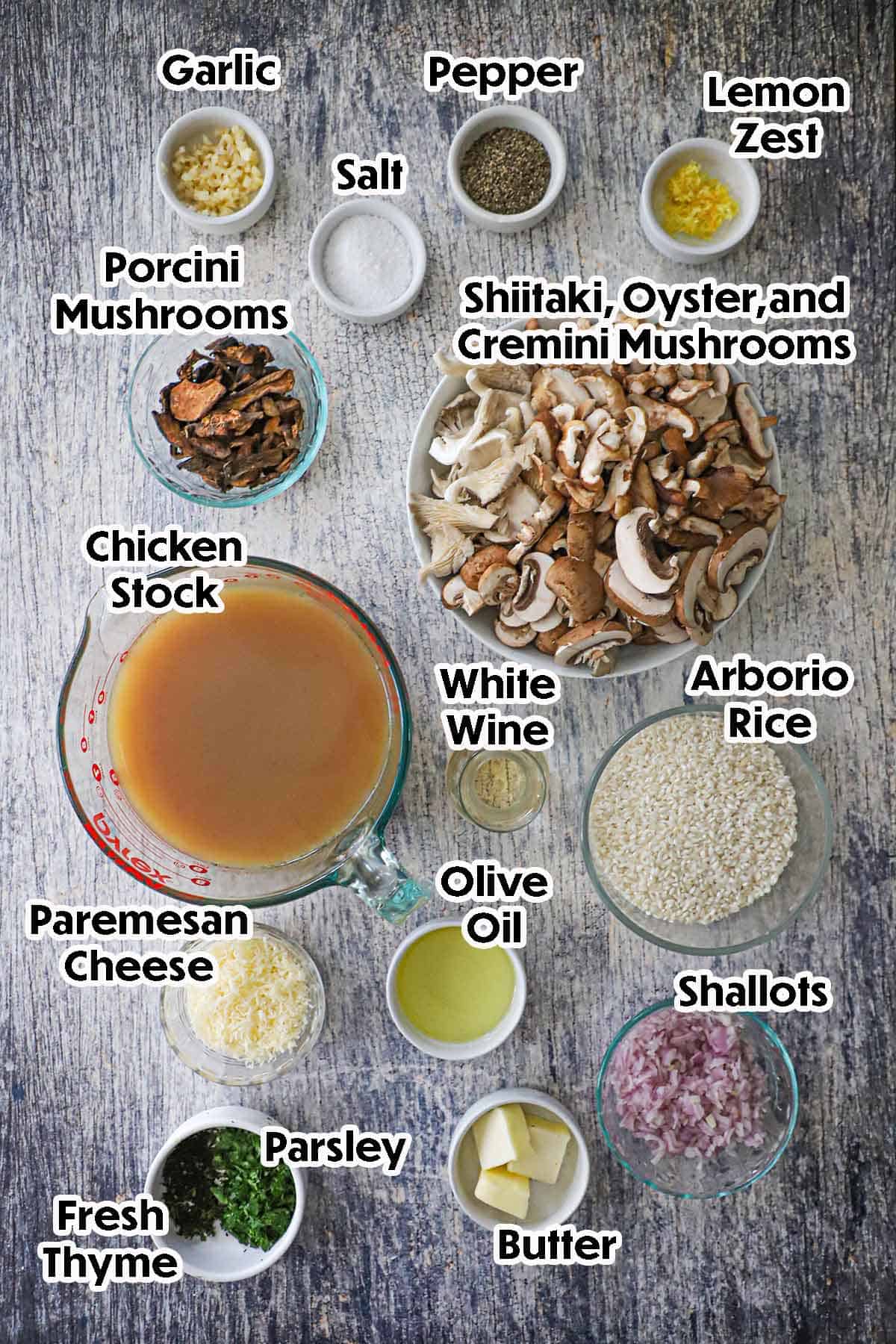
Print Recipe
No ratings yet

“Better Than Takeout” Cashew Chicken

This "better-than-takeout" Cashew Chicken features tender, velveted chicken and crunchy toasted nuts tossed in a rich, mahogany glaze. Ready in just 30 minutes, it’s a savory, glossy masterpiece that’s perfect for a quick and impressive weeknight dinner.
Prep Time20 minutes mins
Cook Time10 minutes mins
Total Time30 minutes mins
Course: Entree
Cuisine: Chinese
Servings: 4
Calories: 568kcal
Author: Kris Longwell

Equipment

  • 1 Wok or skillet

Ingredients

For the Chicken and Marinade

  • 1 lb chicken thighs boneless, skinless, cut into 1-inch cubes
  • 1 tbsp soy sauce
  • 1 tablespoon Shaoxing wine or dry sherry
  • 1 teaspoon sesame oil
  • 1 teaspoon cornstarch

For the Classic Sauce

  • ½ cup chicken stock or broth
  • 2 tablespoon oyster sauce
  • 1 tablespoon soy sauce
  • 1 tablespoon dark soy sauce
  • 1 tablespoon dark brown sugar
  • 1 teaspoon white pepper optional
  • 1 tablespoon cornstarch

For the Stir-Fry

  • 1 cup raw cashews
  • 2 tablespoon peanut oil divided
  • 3 cloves garlic minced
  • 1 tablespoon ginger fresh, minced
  • 1 red bell pepper Seeded and cut into 1-inch squares
  • 1 green bell pepper Seeded and cut into 1-inch squares
  • 4 green onions cut into 1-inch strips
  • steamed rice for serving

Instructions

Marinate (Velvet) the Chicken

  • In a medium bowl, toss the chicken with the soy sauce, Shaoxing wine, sesame oil, and cornstarch. Let it chill in the refrigerator for 15 to 30 minutes.
    1 lb chicken thighs, 1 tablespoon soy sauce, 1 tablespoon Shaoxing wine, 1 teaspoon sesame oil, 1 teaspoon cornstarch

Roast the Cashews and Stir-Fry the Veggies and Chicken

  • In a small bowl, whisk the chicken stock, oyster sauce, soy sauce, dark soy sauce, brown sugar, white pepper (if using), and corn starch together until the cornstarch has completely dissolved.
    ½ cup chicken stock, 2 tablespoon oyster sauce, 1 tablespoon soy sauce, 1 tablespoon dark soy sauce, 1 tablespoon dark brown sugar, 1 teaspoon white pepper, 1 tablespoon cornstarch
  • Add the cashews to a dry wok or large skillet over medium heat. Toss frequently until they are golden brown and fragrant, about 3 to 5 minutes. Remove and set aside.
    1 cup raw cashews
  • Heat 1 tablespoon of the oil in the wok over high heat until shimmering. Add the chicken (with marinade) in a single layer. Let it sear undisturbed for a couple of minutes. Then, stir-fry until nearly cooked through, about 1 to 2 more minutes. Remove the chicken from the wok and set aside.
    2 tablespoon peanut oil
  • Wipe out the wok if needed, and add the remaining 1 tablespoon of oil over high heat. Add the garlic and ginger and stir-fry for 30 seconds. Add the red bell pepper, green bell peppers, and half of the green onions. Stir-fry for 2 minutes.
    3 cloves garlic, 1 tablespoon ginger, 1 red bell pepper, 1 green bell pepper, 4 green onions
  • Return the chicken to the wok. Give the sauce another whisk and then pour it into the wok. Toss everything constantly for 1 to 2 minutes, until the sauce thickens and turns into a glossy glaze that coats everything.
  • Fold in the toasted cashews. Toss one last time and serve at once with steamed rice. Garnish with the remaining green onions.
    steamed rice

Video

Notes

NOTE: Watch the video in the recipe card for visual guidance.
  • Velveting: For the most tender results, do not skip the 20-minute marinade. This “velveting” technique creates a protective barrier that keeps the meat juicy during high-heat cooking.
  • Substitutions: If you cannot find Shaoxing wine, dry sherry is an excellent substitute. If dark soy sauce is unavailable, you can use regular soy sauce, though the glaze will be lighter in color.
  • Prep Work: Stir-frying moves very quickly. Ensure all vegetables are chopped, the chicken is marinated, and the sauce is whisked before you turn on the stove.
  • Toasting Cashews: If starting with raw cashews, toast them in a dry pan over medium heat for 3–5 minutes until fragrant and golden to ensure maximum crunch.
  • Storage: Leftovers can be stored in an airtight container in the refrigerator for up to 3 days. Reheat with a splash of water or broth to loosen the sauce back to its original glossy consistency.

Nutrition

Calories: 568kcal | Carbohydrates: 23g | Protein: 27g | Fat: 28g | Saturated Fat: 9g | Polyunsaturated Fat: 9g | Monounsaturated Fat: 7g | Trans Fat: 0.1g | Cholesterol: 112mg | Sodium: 888mg | Potassium: 670mg | Fiber: 3g | Sugar: 8g | Vitamin A: 1251IU | Vitamin C: 65mg | Calcium: 49mg | Iron: 4mg

Classic Boston Cream Pie Recipe (From Scratch)

February 1, 2026 by Kris Longwell 2 Comments

A slice of classic Boston cream pie resting on a white dessert plate with the entire dessert on a cake stand in the background.

There is a reason the Boston Cream Pie has remained a beloved classic for over a century: it is the perfect trifecta of airy sponge cake, rich vanilla custard, and decadent chocolate ganache. This from-scratch recipe yields a show-stopping dessert that tastes even better than it looks, featuring a fail-proof filling that holds its shape perfectly for that iconic, beautiful slice.

A slice of classic Boston cream pie resting on a white dessert plate with the entire dessert on a cake stand in the background.
[feast_advanced_jump_to]

🍫 The Ingredients

This timeless dessert transforms simple, high-quality pantry staples and fresh dairy into a sophisticated three-layered masterpiece that tastes far more complex than its humble components suggest. Find ingredient notes (including substitutions and variations) below.

An arrangement of ingredients for Classic Boston Cream Pie on a grey wooden background including flour, milk, eggs, butter, sugar, cornstarch, baking powder, vanilla extract, salt, chocolate, cory syrup, and heavy cream.

📝 Ingredient Notes & Substitutions

  • Whole Milk: This is essential for a rich, sturdy pastry cream; while 2% milk can work in a pinch, avoid skim milk as the custard will lack the necessary body and flavor.
  • Cornstarch: This serves as the thickening agent for the filling; if you need a substitute, you can use arrowroot powder or double the amount of all-purpose flour (though flour will result in a slightly cloudier appearance).
  • All-Purpose Flour: This provides the perfect structure for the hot milk sponge, but for an even finer, more delicate crumb, you can swap it for an equal amount of cake flour.
  • Semi-Sweet Chocolate (56%): For the smoothest ganache, use a high-quality baking bar rather than chocolate chips; if you prefer a deeper, less sweet flavor, bittersweet chocolate (60% or higher) is an excellent alternative.
  • Light Corn Syrup: This is the secret to achieving a professional, high-gloss finish on your ganache; if you prefer not to use it, you can substitute it with honey or simply omit it, though the glaze will be more matte.
  • Unsalted Butter: Using unsalted butter allows you to control the salt content precisely; if you only have salted butter on hand, simply omit the additional pinch of salt from the recipe.

Refer to the recipe card (with video) below for a full list of ingredients and measurements.

📌 Tips and Tricks for the Perfect Boston Cream Pie

  • Temperature Matters for Volume: Ensure your eggs are truly at room temperature before beating them with the sugar; this allows the eggs to trap more air, resulting in a taller, fluffier sponge cake.
  • The “Skin” Secret: To prevent a rubbery skin from forming on your pastry cream, press plastic wrap directly onto the surface of the custard while it is still warm and keep it there until you are ready to assemble the cake.
  • Strain for Smoothness: For a professional, melt-in-your-mouth texture, always pass your cooked pastry cream through a fine-mesh sieve; this catches any tiny bits of cooked egg and ensures a perfectly silky filling.
  • Master the “Slow Drip”: Timing is everything with ganache. Let it sit for about 10–15 minutes until it is slightly thickened but still pourable; if it’s too hot, it will run right off the cake, but if it’s the right temperature, it will create those beautiful, thick drips.
  • The Clean Slice Technique: To get those stunning, Pinterest-worthy slices Wesley is looking for, dip a sharp knife in hot water and wipe it completely dry between every single cut to prevent the chocolate and cream from smearing.
  • Don’t Rush the Chill: While it’s tempting to serve it immediately, letting the assembled cake rest in the fridge for at least 30 minutes “sets” the layers, ensuring the pastry cream stays put instead of squishing out the sides when you cut it.

👩🏼‍🍳 How to Make the Perfect Vanilla Pastry Custard

A person using a whisk to stir simmering milk on a gas stove.
  1. Step 1: Whisk the milk and sugar in a saucepan and bring to a slight simmer over medium heat.
A view into the bottom of the bowl of a stand mixer that has eggs yolks that have been vigorously whisked with sugar, cornstarch, and salt.
  1. Step 2: Use a stand mixer or hand mixer to whisk the egg yolks with the sugar, cornstarch, and salt until pale, about 3 minutes.
A person adding warm milk to creamed eggs that are being tempered in a stand-mixer.
  1. Step 3: Pour about half of the warm milk/sugar liquid into the egg/sugar mixture, whisking constantly. This is tempering the eggs.
A person pouring tempered eggs from a large mixing bowl into a silver saucepan with simmering cream in it on a gas stove.
  1. Step 4: Pour the tempered eggs from the bowl into the saucepan with the simmering milk. Whisk constantly to prevent the eggs from scrambling.
A person pouring vanilla extract from a small bowl into a saucepan that is filled with a vanilla custard.
  1. Step 5: Whisk and stir until thickened to the consistency of custard. Remove from the heat and stir in the softened butter and vanilla.
A person using a wooden spatula to pass a vanilla custard through a fine-mesh sieve into a glass bowl sitting on a wooden cutting board.
  1. Step 6: Strain the custard through a fine-mesh sieve into a bowl. Press plastic wrap onto the surface of the custard and chill while you make the sponge cake.

Expert Tip: The “Full Boil” Rule for Stability

The most common mistake when making pastry cream is removing it from the heat the moment it starts to thicken; however, to ensure your custard is stable enough to support the weight of the top cake layer, you must wait until you see large “blub-blub” bubbles popping on the surface. Once those bubbles appear, continue whisking vigorously over the heat for a full 60 seconds to fully activate the cornstarch and neutralize the alpha-amylase enzyme in the egg yolks, which—if not properly cooked out—can actually break down the starch and turn your beautiful filling into a runny liquid after it sits in the fridge.

👨‍🍳 How to Make a Hot Milk Sponge Cake

A person using a whisk to combine flour in a glass bowl with baking powder and salt.
  1. Step 1: In a medium bowl, whisk together the flour, baking powder, and salt.
A person using a white rubber spatula to stir cubed butter and simmering milk in a small saucepan on a gas stove.
  1. Step 2: Heat the whole milk and cubed butter in a small saucepan over medium heat until melted and barely simmering.
A view into the bowl of a stand mixer that is filled with eggs that have been vigorously whipped with sugar and are not pale and fluffy.
  1. Step 3: Meanwhile, beat the eggs with the sugar on high until they become pale and slightly thickened, about 4 to 5 minutes.
A person pouring warm milk with melted butter from a small saucepan into a the bowl of a stand mixer filled with a batter for custard.
  1. Step 4: Turn the mixer to low, and alternatively add the flour mixture and the hot milk mixture, starting and ending with the flour mixture.
A person pouring a sponge cake batter from a glass bowl into a cake pan that has been greased, floured, and fitted with a circular piece of parchment paper.
  1. Step 5: Grease and flour two 9-inch cake pans and then split the batter between them both.
A person pulling a layer of parchment paper from the top of a sponge cake that has been inverted and removed from a cake pan on a baking rack on a wooden cutting board.
  1. Step 6: Bake for 15 to 18 minutes, until an inserted toothpick comes out clean. Remove from the oven, let rest for 10 minutes, invert the cakes onto a baking rack, remove the parchment paper, and let rest until completely cooled.

🧑🏾‍🍳 How to Assemble a Classic Boston Cream Pie

A person pouring hot cream from a saucepan into a small glass bowl filled with chunks of semi-sweet chocolate.
  1. Step 1: Heat the cream and then pour it over the chopped chocolate with the light corn syrup. Let rest.
A person using a red rubber spatula to spread vanilla custard onto the surface of a thin sponge cake that is resting on a white circular plate on a cutting board.
  1. Step 2: Place one of the sponge cakes on a circular cake stand and top with cooled pastry cream. Spread to about ½-inch from the edge of the cake.
A person using a small whisk to combine hot cream with melting chunks of semi-sweet chocolate in a small glass bowl on a wooden cutting board.
  1. Step 3: Stir the chocolate with the warm cream until smooth and fully incorporated.
A person placing a thin, circular sponge cake of a mound of vanilla custard that is resting on another circular sponge cake on a white plate on a cutting board.
  1. Step 4: Top with the other sponge cake and smooth the pastry cream along the edges of the cake.
A person pouring a warm chocolate ganache mixture over the top of a freshly assembled Boston cream pie resting on a white plate on a wooden cutting board.
  1. Step 5: Pour the ganache over the top of the cake and spread to the edges, allowing some to slightly spill over the sides.
  1. Step 6: Chill for 30 minutes, or until the ganache sets. Slice and serve!

🙋🏽‍♂️ Frequently Asked Questions

How should I store a Classic Boston Cream Pie?

Because of the dairy-based custard filling, this dessert must be kept in the refrigerator. Place it in an airtight container or loosely cover it with plastic wrap to keep it fresh for up to three days.

Can I make a Classic Boston Cream Pie in advance?

Yes, you can prepare the components separately a day ahead. Store the pastry cream in the fridge and the sponge cake at room temperature, then assemble and glaze the dessert a few hours before serving for the best texture.

Why is it called a Classic Boston Cream Pie if it is actually a cake?

This name is a historical holdover from the 19th century when cakes and pies were often baked in the same types of shallow tins. Despite the “pie” label, it consists of two layers of sponge cake with a custard center.

How do I prevent my Classic Boston Cream Pie from getting soggy?

Make sure both the cake and the custard are completely cold before assembly. Additionally, spreading a very thin layer of melted chocolate or apricot jam on the cut sides of the sponge can act as a moisture barrier to keep the cake crumb firm.

Can you freeze a Classic Boston Cream Pie?

Freezing is not recommended because the cornstarch-based custard tends to weep and become grainy upon thawing. It is much better enjoyed fresh or within a few days of being made for the best quality.

A side-view of a homemade classic Boston cream pie resting on a cake stand with a blue napkin wrapped around the base of the stand.

🍰 Other Classic Cake Recipes

  • A slice of German chocolate cake on a white dessert plate in front of a cake stand with the cake on it.
    German Chocolate Cake
  • A triple layered carrot cake with a large slice missing from it.
    Carrot Cake with Coconut and Macadamia Nuts
  • A pineapple upside-down cake on a white platter next to a glass of orange and a cup of coffee.
    Classic Pineapple Upside-Down Cake
  • A 3-layered slice of coconut cream cake standing upright on a plate in front of the cake on a cake stand.
    Coconut Cream Cake

Ready to make the best cake this side of…well…Boston? Go for it!

And when you do, be sure to take a photo of it, post it on Instagram, and tag @HowToFeedaLoon and hashtag #HowToFeedaLoon!

A close-up view of a slice of Classic Boston Cream Pie sitting on a white dessert plate with a fork resting nearby.
Print Recipe
5 from 1 vote

Classic Boston Cream Pie Recipe (From Scratch)

This quintessential Boston Cream Pie features a light-as-air sponge cake, a rich and silky vanilla custard filling, and a stunningly glossy chocolate ganache. It’s a fail-proof, from-scratch classic that is guaranteed to be the star of any dessert table.
Prep Time20 minutes mins
Cook Time40 minutes mins
Rest and chill time1 hour hr
Total Time2 hours hrs
Course: Dessert
Cuisine: American
Servings: 8
Calories: 588kcal
Author: Kris Longwell

Equipment

  • Stand mixer or an electric hand mixer, or both
  • 2 9-inch straight cake pans lined with parchment paper (optional, but helpful)

Ingredients

For the Vanilla Pastry Cream (Custard)

  • 2 cups whole milk
  • ½ cup sugar
  • ¼ cup cornstarch
  • ¼ teaspoon salt
  • 4 large egg yolks
  • 2 tablespoon unsalted butter
  • 2 teaspoon vanilla extract

For the Hot Milk Sponge Cake

  • 1½ cups all-purpose flour
  • 1½ teaspoon baking powder
  • ¼ teaspoon salt
  • 3 large eggs room temperature
  • 1 cup sugar
  • ¾ cup whole milk
  • 6 tablespoon unsalted butter cut into cubes
  • 1 teaspoon vanilla extract

For the Chocolate Ganache

  • 4 oz semi-sweet chocolate 56% cacao, finely chopped
  • 1 tablespoon light corn syrup
  • ½ cup heavy cream

Instructions

Prepare the Vanilla Pastry Cream (Custard)

  • In a medium saucepan, whisk together the milk and ¼ cup of the sugar. Bring to a slight simmer.
    2 cups whole milk, ½ cup sugar
  • Meanwhile, in a medium-sized bowl (or in the bowl of your stand mixer), whisk the remaining ¼ cup of sugar, cornstarch, and salt. Add the egg yolks and use an electric hand mixer (or your stand mixer with whisk attachment) to whisk until the mixture is pale and slightly thickened, about 3 to 4 minutes.
    ¼ cup cornstarch, ¼ teaspoon salt, 4 large egg yolks
  • Temper the egg mixture by slowly pouring about half of the hot milk into it, whisking constantly to prevent scrambling the eggs.
  • Pour the egg mixture back into the saucepan with the rest of the hot milk, whisking constantly. Continue to whisk and stir until the mixture thickens and begins to bubble on the surface. Remove from the heat and stir in the butter and vanilla.
    2 tablespoon unsalted butter, 2 teaspoon vanilla extract
  • Strain through a fine-mesh sieve into a bowl. Press plastic wrap directly onto the surface of the custard and refrigerate until completely chilled.

Prepare the Hot Milk Sponge Cakes

  • Preheat your oven to 350°F. Grease and flour 2 9-inch round cake pans. Line with parchment paper and spray with cooking spray (optional, but helpful).
  • In a medium-sized bowl, whisk the flour, baking powder, and salt together. Set aside.
    1½ cups all-purpose flour, 1½ teaspoon baking powder, ¼ teaspoon salt
  • In a stand mixer (or in a bowl with an electric hand mixer), beat the eggs and sugar on HIGH speed for about 5 minutes until very pale and smooth.
    3 large eggs, 1 cup sugar
  • While beating the eggs, heat the milk and cubed butter in a small saucepan over medium heat until the butter is melted and the milk is just starting to simmer. Stir in the vanilla.
    ¾ cup whole milk, 6 tablespoon unsalted butter, 1 teaspoon vanilla extract
  • Turn the mixer to LOW. Alternatively, add the flour mixture and the hot milk mixture, starting with one third of the flour mixture, then half of the milk mixture, another third of the flour, then the rest of the milk, and finally the rest of the flour. Mix until just combined.
  • Pour into the prepared pans and bake for 15 to 20 minutes, or until an inserted toothpick comes out clean. Place the pans on a baking rack.
  • Cool in the pans for 10 minutes. Run a sharp knife along the sides of the pan and then gently turn the cakes out onto the wire rack to cool completely.

Prepare the Chocolate Ganache and Assemble the Cake

  • Place the chopped chocolate and corn syrup into a heatproof bowl or measuring cup.
    4 oz semi-sweet chocolate, 1 tablespoon light corn syrup
  • Heat the heavy cream until it just starts to simmer. Pour the hot cream over the chocolate and let it rest for a few minutes. Stir or whisk until the chocolate is smooth and glossy. Let it rest for only a few minutes to slightly cool (it should still be pourable).
    ½ cup heavy cream
  • Meanwhile, place one of the cakes on your serving plate. Stir or whisk the chilled pastry cream (custard) until smooth. Use a spatula to spread the pastry cream evenly over the cake, leaving a ½-inch border at the edge.
  • Place the second cake on top. Press down very gently so the cream reaches the edges but doesn't spill over. Smooth with a spatula, if desired.
  • Pour the warm (but not hot) ganache over the center of the cake. Use an offset spatula to gently push it toward the eggs, letting some of it drip slightly down the sides.
  • Chill for about 30 minutes to allow the ganache to set before slicing.

Video

Notes

NOTE: Watch the video in the recipe card for visual guidance.
  • Storage: Because of the custard filling, this cake should be stored in the refrigerator. It will stay fresh in an airtight container for up to 3 to 4 days. Freezing is not recommended as the pastry cream texture will break down.
  • Make-Ahead Tip: You can prepare the pastry cream up to 24 hours in advance. The sponge cake can also be baked a day early; once completely cool, wrap it tightly in plastic wrap and store at room temperature until you are ready to assemble.
  • Custard Consistency: To ensure your filling doesn’t squish out the sides, make sure the pastry cream reaches a full boil (large, slow bubbles) for at least one minute. This “activates” the cornstarch so it sets firmly.
  • The Perfect Drip: Let your ganache cool for 10–15 minutes before pouring. It should be thick enough to coat a spoon but still fluid; if it’s too hot, it will run off the cake rather than creating those beautiful, thick drips.
  • Serving: For the best flavor and texture, take the cake out of the fridge about 20 minutes before serving to let the sponge cake soften slightly, but keep it cool enough that the custard remains stable.

Nutrition

Calories: 588kcal | Carbohydrates: 72g | Protein: 10g | Fat: 22g | Saturated Fat: 11g | Polyunsaturated Fat: 2g | Monounsaturated Fat: 8g | Trans Fat: 0.5g | Cholesterol: 219mg | Sodium: 217mg | Potassium: 363mg | Fiber: 2g | Sugar: 47g | Vitamin A: 935IU | Vitamin C: 0.1mg | Calcium: 183mg | Iron: 3mg

Avocado Toast 3 Ways: Classic, Protein & Elote

January 30, 2026 by Kris Longwell 2 Comments

An overhead view of Avocado Toast - Ways, with the Classic version on the end, the cottage cheese and egg in the middle, and the eloté version on the other end.

Avocado toast may be a morning staple, but these three creative variations prove that this simple dish can be so much more than just mashed fruit on bread. We’ve curated a lineup featuring an herb-flecked Elevated Classic, a high-protein Jammy Egg version, and a bold, flavorful Mexican Street Corn Elote style. Each recipe is designed to be quick, healthy, and packed with enough texture and flavor to make it your new favorite way to start the day.

An overhead view of Avocado Toast - Ways, with the Classic version on the end, the cottage cheese and egg in the middle, and the eloté version on the other end.
[feast_advanced_jump_to]

🥑 The Ingredients

Each recipe pairs perfectly ripe produce with a thoughtful selection of savory seasonings and high-quality proteins to create a gourmet breakfast that is as nourishing as it is flavorful. Find ingredient notes (including substitutions and variations) below.

📝 Ingredient Notes: The Keys to Success

  • The Avocado: For the best texture, use Hass avocados that give slightly to gentle pressure. If they are too firm, they won’t mash; if they are too soft, they will be stringy and brown.
  • The Bread: We recommend thick-cut, artisanal slices. Brushing the bread with olive oil before toasting creates a golden, fried-like crust that prevents the avocado from making the bread soggy.
  • The “Jammy” Egg: To get that perfect custard-like center for the High-Protein toast, boil your egg for exactly 6 ½ minutes, then immediately plunge it into an ice bath to stop the cooking process.
  • Charred Corn: For the Elote version, using a cast-iron skillet is the best way to get those smoky, blackened edges on the corn without overcooking it.

📌 Smart Substitutions for Avocado Toast: 3 Ways

  • The Cheese: If you aren’t a fan of cottage cheese, whole-milk ricotta, or a thick Greek yogurt are excellent high-protein alternatives. For the Elote toast, Feta cheese is the best substitute for Cotija as it provides a similar salty, crumbly bite.
  • The Bread: These recipes work beautifully on gluten-free sourdough or even sweet potato “toast” slices for a grain-free option.
  • The Crema: If you can’t find Mexican crema, simply mix sour cream with a squeeze of lime juice and a splash of milk to reach a drizzling consistency.
  • The Herbs: While we love the combination of chives, dill, and cilantro for these specific toasts, feel free to swap in fresh parsley or basil depending on what you have in your garden.
  • The Spice: If you don’t have Everything Bagel seasoning, a mix of toasted sesame seeds, garlic flakes, and flaky salt works perfectly. For the Elote toast, Tajín is a great alternative to standard chili powder.

👩🏼‍🍳 How to Make Classic Avocado Toast

A slice of sourdough bread being toasted in a large cast-iron skillet over a gas stove.
  1. Step 1: Brush a thick slice of sourdough bread with olive oil and then toast it over medium-high heat in a cast-iron skillet (or in a toaster oven).
A person sprinkling Kosher salt over two pieces of avocado flesh in a shallow white bowl.
  1. Step 2: Place the avocado flesh in a bowl and add a splash of citrus (lime or lemon) and a pinch of salt.
A person using a fork to spread smashed avocado flesh onto a sliced of toasted sourdough bread on a wooden cutting board.
  1. Step 3: Smash the avocado and spread it onto the toasted bread.
A close-up view of someone sprinkle seasonings over the top of a classic avocado toast on a wooden cutting board.
  1. Step 4: Top with a drizzle of olive oil, salt, everything bagel seasoning, and snipped chives. Serve at once.
A close-up view of a classic avocado toast with freshly smashed avocado spread onto a toasted slice of sourdough bread and topped with seasonings and snipped chives.

👨‍🍳 How to Make High-Protein Avocado Toast (Cottage Cheese and Jammy Eggs)

A slice of multi grain bread being toasted in a large cast-iron skillet on a gas stove.
  1. Step 1: Brush a slice of multi-grain bread with olive oil and then toast it over medium-high heat in a cast-iron skillet (or in a toaster oven).
A person using a chef's knife to slice a soft-boiled egg into slices on a wooden cutting board.
  1. Step 2: Place an egg in a pot of boiling water for 7 to 8 minutes, then transfer it to an ice bath. Once cooled, cut into slices.
A person using a spoon to spread cottage cheese across the top of a toasted slice of multi grain bread on a wooden cutting board.
  1. Step 3: Spread the cottage cheese over the toasted slice of bread. Season liberally with salt and pepper.
A close-up view of an egg and cottage cheese avocado toast that is topped with chopped dill and is being sprinkled with salt and pepper.
  1. Step 4: Slice the avocado and place it over the cottage cheese. Top with the sliced eggs, and garnish with chopped dill and cracked black peppercorns. Serve at once.
A close-up view of a high-protein avocado toast with a slice of toasted multi grain bread on the bottom, topped with a layer of cottage cheese, sliced avocaod, and slices of a soft-boiled egg and garnished with fresh dill, salt, and pepper.

🧑🏾‍🍳 How to Make Mexican Street Corn (Eloté) Avocado Toast

A slice of sourdough bread being toasted in a large cast-iron skillet over a gas stove.
  1. Step 1: Brush a thick slice of sourdough bread with olive oil and then toast it over medium-high heat in a cast-iron skillet (or in a toaster oven).
Sweet corn kernels being roasted in a hot cast-iron skillet on a gas stove.
  1. Step 2: Roast the corn in a hot cast-iron skillet with a splash of olive oil until lightly browned. Set aside.
A person using a spoon to place charred, roasted corn kernels on top of smashed avocado flesh that is resting on a slice of toasted sourdough bread.
  1. Step 3: Smash the avocado with a splash of citrus (lime or lemon) and a pinch of salt. Spread it over the toast and top with the roasted corn.
A close-up view of an avocado toast that is topped with roasted corn, Mexican crema, crumbled Cotija cheese, chopped cilantro, and is being dusted with chili powder.
  1. Step 4: Top with a zig-zag of Mexican cream, crumbled Cotija cheese, chopped cilantro, and a dusting of chili powder. Serve at once.
A close-up view of an Eloté avocado toast with a slice of toasted sourdough bread on the bottom, then topped with smashed avocado, charred corn, cream, Cotija cheese, and chopped cilantro.

🍽️ How to Serve Your Avocado Toast

  • Serve Immediately: Avocado toast is best enjoyed the moment it’s assembled. To prevent the bread from losing its “crunch” and the avocado from browning, aim to serve these within minutes of toasting.
  • The “Brunch Board” Presentation: If you are serving a group, arrange the three different toasts on a large wooden board or platter. The contrast between the vibrant green avocado, the bright yellow corn, and the “jammy” egg yolk creates a stunning, restaurant-quality display.
  • Slice for Sharing: For a tapas-style brunch, slice each piece of toast into halves or thirds. This allows everyone to sample the Classic, the High-Protein, and the Elote versions without having to commit to just one.
  • The Perfect Pairings: Balance the richness of the avocado with a bright, acidic side like a fresh citrus salad or a bowl of seasonal berries. For drinks, these savory toasts pair beautifully with a crisp iced coffee, a spicy tomato juice, or a light herbal tea.
  • Final Garnish: Add your “crunchy” toppings—like the everything bagel seasoning, chili powder, or fresh herbs—at the very last second. This keeps the textures distinct and the colors looking vibrant for your photos!

🙋🏽‍♂️ Frequently Asked Questions

How do I prevent the bread from getting soggy in Avocado Toast 3 Ways?

The secret is to use thick-cut, toasted artisan bread and brush it with a little olive oil before toasting to create a moisture-resistant barrier between the bread and the creamy toppings.

Can I make the recipes from Avocado Toast 3 Ways ahead of time?

While you can char the corn or boil the eggs in advance, it is best to mash the avocado and assemble the toast just before serving to ensure the best texture and color.

How do I keep the avocado from browning for Avocado Toast?

Adding an acidic element like fresh lemon or lime juice directly to the mash helps slow down oxidation and keeps the green color vibrant for much longer.

What is the best type of bread to use for Avocado Toast 3 Ways: Classic, Protein & Elote?

Sourdough or a sturdy multi-grain is the top choice because they provide a crunchy contrast to the creamy toppings and can support the weight of the ingredients without folding.

How do I get the perfect “jammy” egg for the high-protein version of Avocado Toast?

Boil the egg for exactly 7 minutes, then immediately transfer it to a bowl of ice water to stop the cooking and achieve that signature custard-like yolk.

🌞 Other Amazing Breakfast/Brunch Recipes

  • An overhead view of two large black plate filled with breakfast tacos that are stuffed with eggs, chorizo, bacon, potatoes, and sitting next to a bowl of pico de gallo.
    Breakfast Tacos (3 Ways)
  • An overhead view of a large skillet filled with shakshuka with a spoon in it sitting next to a white bowl filled with poached eggs in a tomato sauce with pita triangles scattered around.
    Shakshuka
  • Two savory crêpes on a plate with one that has been broken open with mushrooms and spinach spilling out of it.
    Stuffed Savory Crêpes
  • A serving of huevos rancheros on a black plate garnished with crumbled Cotija cheese and chopped fresh cilantro.
    Authentic Huevos Rancheros

Ready to make the yummiest breakfast/brunch dish in town? Go for it!

And when you do, be sure to take a photo of it, post it on Instagram, and tag @HowToFeedaLoon and #HowToFeedaLoon!

Three avocado toasts sitting next to each other on a crumpled brown paper, with one being a classic avocado toast, and the one in the middle topped with sliced soft-boilded eggs and herbs, and the last one being a Mexican street corn, eloté, version.
Print Recipe
5 from 1 vote

Avocado Toast 3 Ways: Classic, Protein, and Eloté

Experience the ultimate breakfast upgrade with these three distinct avocado toast variations: a zesty Elevated Classic, a high-protein Jammy Egg & Cottage Cheese version, and a bold Mexican Street Corn Elote style. Whether you’re looking for a simple morning staple or a flavor-packed gourmet meal, these easy-to-follow recipes turn basic toast into a restaurant-quality brunch in under 15 minutes.
Prep Time15 minutes mins
Cook Time15 minutes mins
Total Time30 minutes mins
Course: Breakfast / Brunch
Cuisine: American
Servings: 6
Calories: 376kcal
Author: Kris Longwell

Equipment

  • Cast-iron skillet for toasting bread, or use a toaster oven – also for charring the corn
  • small pan for soft-boiling the egg

Ingredients

For the Classic

  • 1 teaspoon olive oil
  • 2 slices sourdough bread about ½-inch thick each
  • 1 medium avocado ripe, peeled, and pit removed
  • ½ teaspoon lemon juice or lime
  • 1 pinch salt
  • 1 tablespoon extra-virgin olive oil or regular olive oil
  • 1 pinch coarse sea salt
  • 1 teaspoon everything bagel seasoning optional
  • 1 tablespoon chives snipped

For the Protein (Cottage Cheese and Egg)

  • 2 medium eggs
  • 1 teaspoon olive oil
  • 2 slices multi-grain bread about ½-inch thick each
  • 1 medium avocado ripe, peeled, and pit removed
  • ½ cup cottage cheese small curd, whole milk
  • salt and pepper
  • 1 teaspoon dill fresh, finely chopped (or any herb)
  • cracked black pepper

For the Mexican Street Corn (Eloté)

  • olive oil
  • 1 cup corn kernels fresh off the cob, or frozen (thawed)
  • 2 slices sourdough bread about ½-inch thick each
  • 1 medium avocado
  • ½ teaspoon lime juice or lemon
  • 1 pinch salt
  • 2 tablespoon Mexican crema or sour cream thinned with a splash of lime juice
  • ¼ cup Cotija cheese crumbled
  • cilantro fresh, chopped
  • chili powder for garnish
  • lime wedge for garnish

Instructions

Prepare the Classic Avocado Toast

  • Brush a little of the oil on both sides of the slices of bread. Heat a cast-iron skillet over medium-high heat. Add the bread slices and toast until golden brown. Set aside.
    1 teaspoon olive oil, 2 slices sourdough bread
  • Add the avocado flesh to a shallow bowl and add a splash of lemon or lime juice and a pinch of salt. Use the back of a fork to mash the avocado, leaving it a bit chunky, if desired.
    1 medium avocado, ½ teaspoon lemon juice, 1 pinch salt
  • Smear the avocado over the toast and then drizzle on the extra-virgin olive oil, a pinch of coarse sea salt, a sprinkle of everything bagel seasoning, and the chives. Serve at once.
    1 tablespoon extra-virgin olive oil, 1 pinch coarse sea salt, 1 teaspoon everything bagel seasoning, 1 tablespoon chives

Prepare the Protein (Cottage Cheese and Egg) Avocado Toast

  • Bring a small pot of water to a boil. Gently add the eggs and boil for exactly 7 minutes. While the eggs are in the boiling water, set up an ice bath in a medium-sized bowl. Transfer the soft-boil eggs immediately to the ice bath. Once cool, peel the eggs and cut them into slices. Set aside.
    2 medium eggs
  • Brush a little of the oil on both sides of the slices of bread. Heat a cast-iron skillet over medium-high heat. Add the bread slices and toast until golden brown. Set aside.
    1 teaspoon olive oil, 2 slices multi-grain bread
  • Slice the avocado into thin slices.
    1 medium avocado
  • Add a layer of cottage cheese to the top of the toast. Liberally sprinkle salt and pepper over the cottage cheese. Top with the sliced avocado. Top that with the sliced eggs. Garnish with fresh dill and freshly ground black pepper. Serve at once.
    ½ cup cottage cheese, salt and pepper, 1 teaspoon dill, cracked black pepper

Prepare the Eloté Avocado Toast (Mexican Street Corn)

  • Place a small skillet over medium-high heat. Add 1 teaspoon of olive oil and the corn kernels. Cook, stirring often, until the corn is lightly browned and very tender. Remove from the skillet and set aside.
    olive oil, 1 cup corn kernels
  • Brush a little of the oil on both sides of the slices of bread. Heat a cast-iron skillet over medium-high heat. Add the bread slices and toast until golden brown. Set aside.
    2 slices sourdough bread
  • Add the avocado flesh to a shallow bowl and add a splash of lemon or lime juice and a pinch of salt. Use the back of a fork to mash the avocado, leaving it a bit chunky, if desired.
    1 medium avocado, ½ teaspoon lime juice, 1 pinch salt
  • Smear the avocado over the top of the toasted bread. Add a layer of roasted corn. Drizzle a zig-zag of the cream, and then garnish with Cotija cheese, chopped cilantro, and a dusting of chili powder. Serve at once with lime wedges on the side.
    2 tablespoon Mexican crema, ¼ cup Cotija cheese, cilantro, chili powder, lime wedge

Video

Notes

NOTE: Watch the video in the recipe card for visual guidance.
  • The Bread: For the best results, use a sturdy, thick-cut artisan bread like sourdough or multi-grain. Brushing the bread with olive oil before toasting creates a “crunch barrier” that prevents the avocado from making the toast soggy.
  • Avocado Ripeness: Look for avocados that yield slightly to gentle pressure. If they are too firm, they won’t mash; if they are too soft, they may have brown spots and a stringy texture.
  • The “Jammy” Egg: For that perfect custard-like yolk, boil the egg for exactly 6 ½ minutes. Immediately transfer it to an ice bath for 2 minutes to stop the cooking and make peeling easier.
  • Charring the Corn: If using frozen or canned corn for the Elote version, make sure to pat the kernels completely dry before adding them to the hot skillet to ensure they char rather than steam. Frozen is better than canned. 
  • Make it Vegan: To make all three versions vegan, swap the cottage cheese for a dairy-free ricotta, use a vegan mayo/lime mixture instead of crema, and replace the egg with seasoned chickpeas or silken tofu.
  • Storage: Avocado toast is best served immediately. If you have leftover mashed avocado, store it in an airtight container with a piece of plastic wrap pressed directly against the surface to prevent browning.

Nutrition

Calories: 376kcal | Carbohydrates: 40g | Protein: 13g | Fat: 24g | Saturated Fat: 5g | Polyunsaturated Fat: 3g | Monounsaturated Fat: 14g | Trans Fat: 0.01g | Cholesterol: 66mg | Sodium: 593mg | Potassium: 642mg | Fiber: 9g | Sugar: 5g | Vitamin A: 335IU | Vitamin C: 11mg | Calcium: 112mg | Iron: 3mg

Crispy Pan-Fried Pork Chops with Brown Gravy

January 28, 2026 by Kris Longwell 8 Comments

A person pouring brown gravy from a glass gravy boat over the top of a crispy pan-fried pork chop on a white dinner plate also containing a pile of mashed potatoes and steamed green beans.

Enjoy extra-crispy pan-fried pork chops smothered in a rich, savory brown gravy. This easy recipe ensures a golden crust and juicy meat in every bite. It pairs perfectly with homemade mashed potatoes and Southern-style green beans for the ultimate comfort food dinner.

[feast_advanced_jump_to]

🥚 The Ingredients

This recipe transforms simple pantry staples and savory seasonings into a perfectly golden, Parmesan-infused crust and a rich, homemade sauce that tastes like pure comfort. Find ingredient notes (including substitutions and variations) below.

📝 Ingredient Notes and Substitutions

  • Pork Chops: Use thick-cut chops (at least 1-inch) to ensure they stay juicy while the breading gets crispy; bone-in chops are a great substitute if you prefer extra flavor.
  • Panko Breadcrumbs: These provide a much airier, superior crunch than regular breadcrumbs, though you can use crushed crackers or even gluten-free crumbs if necessary.
  • Parmesan Cheese: This adds a salty, savory depth to the crust; for the best texture, use finely grated cheese rather than large shreds.
  • Beef Stock: A low-sodium stock is best so you can control the salt level of your gravy; chicken stock can be used for a lighter, milder flavor.
  • Worcestershire Sauce: This is the secret to a deep, “umami” gravy; if you don’t have it, a teaspoon of soy sauce or balsamic vinegar works as a quick swap.
  • Frying Fat: Using a combination of vegetable oil and butter allows for a higher smoke point while still giving the pork that rich, buttery taste.

🔥 Tips and Tricks for Success

  • Pat the Meat Dry: Before breading, use paper towels to remove all surface moisture from the pork chops. This ensures the flour sticks properly and prevents the breading from sliding off during frying.
  • The “Sizzle” Test: Wait until the oil is shimmering before adding the meat. If the breading doesn’t sizzle immediately upon contact, the crust will soak up the oil and become greasy instead of crispy.
  • Don’t Crowd the Pan: Fry the chops in batches if necessary. Overcrowding drops the oil temperature, which leads to steaming rather than searing, ruining that golden-brown crust.
  • Use a Meat Thermometer: Pork is perfectly safe and much juicier with a hint of pink in the middle. Pull the chops from the pan when they hit 145°F (63°C) to avoid the “dry and rubbery” trap.
  • Rest on a Wire Rack: Instead of placing fried chops on a paper towel, rest them on a wire cooling rack. This allows air to circulate underneath, preventing the steam from making the bottom breading soggy.
  • Scrape the “Fond”: When making the gravy, use a whisk to scrape up the brown bits (the fond) from the bottom of the skillet. Those bits are concentrated flavor and are the secret to a professional-tasting sauce.
  • Whisk Constantly: To ensure a lump-free gravy, add the beef stock slowly while whisking vigorously. This allows the roux to incorporate smoothly into the liquid.

👩🏼‍🍳 How to Make Crispy Pan-Fried Pork Chops with Brown Gravy

A person wearing a black latex glove dredging a boneless pork chop through seasoned flour that is in a round baking pan.
  1. Step 1: Pat the chops dry with a paper towel, and then dredge them through the flour mixed with the paprika and garlic powder.
A person dredging a floured boneless pork chop through an egg bath that is in a round baking pan.
  1. Step 2: Dip into the lightly beaten egg in a separate pan. Turn to coat and shake off excess.
A person wearing a black latex glove dredging a boneless pork chop that a breadcrumb and Parmesan cheese mixture that is in a round baking pan.
  1. Step 3: In a third pan, mix together the breadcrumbs with the Parmesan cheese. Press the chops firmly into the Panko mixture until fully coated.
Two breaded boneless pork chops being pan-fried in a large non-stick skillet with a oil and butter on a gas stove.
  1. Step 4: Pan-fry the chops (2 at a time) in a large non-stick skillet with vegetable oil and butter over medium heat, about 5 minutes per side.
A person using a large wooden spoon to stir flour combined with oil and melted butter to create a roux in a large non-stick skillet on a gas stove.
  1. Step 5: Place the chops on a baking rack and melt the remaining butter in the same skillet. Whisk in the flour.
A person holding a small white bowl filled with 1 teaspoon of garlic powder in one hand and holding another small white bowl holding 1 teaspoon of Worcestershire sauce both over a skillet filled with a brown gravy.
  1. Step 6: Whisk in the beef stock and stir until lumps are gone. Stir in the Worcestershire sauce, onion powder, salt, and pepper.

🍽️ How to Serve

  • The Classic Platter: For the ultimate comfort meal, serve these chops alongside a generous scoop of creamy homemade mashed potatoes and a side of slow-simmered Southern-style green beans.
  • Preserve the Crunch: To keep the breading as crispy as possible, pour the gravy over only half of the chop or serve it in a gravy boat on the side so guests can dip as they go.
  • Add a Pop of Color: Garnish the plate with a sprinkle of freshly chopped parsley or chives. This adds a burst of freshness that cuts through the richness of the brown gravy.
  • Lighten it Up: If you want a lighter alternative to potatoes, these chops pair beautifully with a crisp garden salad or a tangy diner-style coleslaw to balance the savory flavors.
  • Serve Immediately: For the best experience, serve the pork chops as soon as they come out of the pan while the crust is at its peak crispiness and the gravy is piping hot.

Expert Tip: Let the Breading “Set”

For a crust that stays perfectly intact, let your breaded pork chops rest on a plate for about 10–15 minutes before placing them in the pan. This brief waiting period allows the flour and egg to hydrate and “set,” creating a stronger bond that prevents the breading from sliding off or buckling when you flip the chops in the skillet.

🙋🏽‍♂️ Frequently Asked Questions

How do I keep Pan-Fried Pork Chops from getting dry?

The key is to use a meat thermometer and pull them from the heat as soon as they reach an internal temperature of 145°F. Choosing thick-cut chops also provides a better buffer against overcooking compared to thin ones.

Why did the breading fall off my Pan-Fried Pork Chops with Brown Gravy?

This usually happens if the meat was not patted completely dry before dredging or if the chops were flipped too early. Make sure to use paper towels to remove all moisture and let the breaded meat rest for 10 minutes before frying to help the crust “set.”

How should I reheat leftover Pan-Fried Pork Chops with Brown Gravy?

To maintain the crispy texture, reheat the chops in an oven or air fryer at 350°F until warmed through. The sauce should be reheated separately on the stovetop with a small splash of broth or water to thin it back out to its original consistency.

Is it safe if there is a little pink inside these Pan-Fried Pork Chops?

Yes, it is perfectly safe. Modern food safety guidelines state that pork is done at 145°F, which often leaves a slight hint of pink in the center; this is actually preferred as it ensures the meat is tender rather than tough.

A white dinner plate filled with a serving of Crispy Pan-Fried Pork Chops and Gravy along with mashed potatoes with gravy, and a small serving of steam green beans.

😋 More Amazing Pork Chop Recipes

  • A serving of pork chop agrodolce with mushrooms on a white dinner plate with a glass of white wine next to it.
    Pork Chop Agrodolce with Mushrooms
  • An overhead view of four pan-seared bone-in pork chops sitting in a large skillet of Spanish-style rice.
    Pan-Seared Pork Chops with Rice
  • A front-on view of a black plate filled with mashed potatoes and a seared pork chop with caper sauce on top of it.
    Seared Pork Chops With Caper Sauce
  • A close-up view of two Southern-fried pork chops on a dinner plate with cream gravy drizzled over the top of them and sitting next to mashed potatoes and green beans.
    Southern-Fried Pork Chops with Cream Gravy

Ready to make the best pork chop in town? Go for it!

And when you do, be sure to take a photo of it, post it on Instagram, and tag @HowToFeedaLoon and hashtag #HowToFeedaLoon!

A person pouring brown gravy from a glass gravy boat over the top of a crispy pan-fried pork chop on a white dinner plate also containing a pile of mashed potatoes and steamed green beans.
Print Recipe
5 from 4 votes

Crispy Pan-Fried Pork Chops with Brown Gravy

Golden, extra-crispy breaded pork chops smothered in a rich, savory brown gravy made from scratch. A 30-minute comfort food classic that stays tender and juicy every time!
Prep Time10 minutes mins
Cook Time20 minutes mins
Course: Entree
Cuisine: American
Servings: 4
Calories: 453kcal
Author: Kris Longwell

Equipment

  • 1 Large skillet preferably non-stick
  • baking rack

Ingredients

For the Pork Chops

  • 4 thick pork chops half to 1-inch in thickness, boneless
  • salt and pepper
  • ½ cup all-purpose flour
  • 1 teaspoon smoked paprika
  • 1 teaspoon garlic powder
  • 2 large eggs
  • 1½ cups Panko breadcrumbs
  • ½ cup Parmesan cheese grated
  • 3 tablespoon olive oil
  • 1 tablespoon unsalted butter

For the Brown Gravy

  • pan drippings from pan-frying the chops
  • 2 tablespoon unsalted butter
  • ¼ cup all-purpose flour
  • 2 cups beef stock or broth
  • 1 tablespoon Worcestershire sauce
  • ½ teaspoon onion powder
  • ½ teaspoon Kosher salt
  • ¼ teaspoon black pepper

Instructions

Pan-Fry the Pork Chops

  • Pat the chops dry with paper towels. It is critical that they are completely dry. Liberally season all over with salt and pepper.
    4 thick pork chops, salt and pepper
  • Set up the breading/dredging station by placing the flour, paprika, and garlic powder in one pan or platter. Mix with a fork. In a second platter or pan, add the lightly beaten eggs. In a third platter or pan, mix together the breadcrumbs with the grated Parmesan.
    ½ cup all-purpose flour, 1 teaspoon smoked paprika, 1 teaspoon garlic powder, 2 large eggs, 1½ cups Panko breadcrumbs, ½ cup Parmesan cheese
  • Dredge each chop in the seasoned flour and shake off excess. Dip in egg to cover. Then, press firmly into the Panko mixture until fully coated.
  • Heat the oil and 1 tablespoon butter in a large skillet over medium heat. Once shimmering, add the chops (usually two at a time). Cook for 4 to 5 minutes, per side, moving them around from time to time for even browning. Carefully flip the chops over and cook for another 4 to 5 minutes. Place the chops on a baking rack and repeat process with remaining chops. If desired, keep the cooked chops warm in a low-temperature oven (225°F).
    3 tablespoon olive oil, 1 tablespoon unsalted butter
  • You'll need about 2 tablespoons of grease/fat in the skillet. If there is more than that, spoon some of it out. Add the remaining two tablespoons of the butter and heat over medium heat until melted, stirring often.
    pan drippings, 2 tablespoon unsalted butter
  • Whisk in the flour and cook for 1 to 2 minutes, stirring often.
    ¼ cup all-purpose flour
  • Slowly pour the the beef stock into the skillet, whisking constantly. Scrape the bottom of the pan to get the "bits" free. Whisk and stir the gravy until all the lumps are gone and it has thickened, about 3 to 4 minutes. Stir in the Worcestershire sauce, onion powder, salt, and pepper. Cook for another minute. Taste and add more salt, if needed.
    2 cups beef stock, 1 tablespoon Worcestershire sauce, ½ teaspoon onion powder, ½ teaspoon Kosher salt, ¼ teaspoon black pepper
  • Plate the chops and pour the gravy halfway over them, or serve the gravy on the side.
Video

Notes

NOTE: Watch the video in the recipe card for visual guidance.
  • Chop Thickness: Aim for 1-inch thick chops. Thinner chops often overcook and become dry before the breading has a chance to turn golden brown.
  • The 10-Minute Rest: For the best results, let the breaded chops sit on a plate for 10 minutes before frying. This “sets” the breading so it doesn’t slide off in the pan.
  • Don’t Overcook: Use a meat thermometer! Pull the pork at 145°F (63°C). It will be tender, juicy, and have a slight hint of pink, which is perfectly safe and much tastier.
  • Gravy Consistency: If your gravy becomes too thick, simply whisk in an extra tablespoon of beef stock at a time until it reaches your desired silkiness.
  • Keep it Crispy: If you are cooking in batches, keep the finished chops on a wire rack in a warm oven (200°F) while you finish the rest and make the gravy. This prevents the bottom from getting soggy.
  • Storage & Reheating: Store leftovers in an airtight container for up to 3 days. To keep the “crunch,” reheat in an air fryer or oven at 350°F rather than the microwave.

Nutrition

Calories: 453kcal | Carbohydrates: 38g | Protein: 16g | Fat: 19g | Saturated Fat: 10g | Polyunsaturated Fat: 3g | Monounsaturated Fat: 12g | Trans Fat: 0.4g | Cholesterol: 125mg | Sodium: 756mg | Potassium: 402mg | Fiber: 2g | Sugar: 3g | Vitamin A: 745IU | Vitamin C: 1mg | Calcium: 227mg | Iron: 4mg

The Ultimate Philly Cheesesteak Sloppy Joes

January 25, 2026 by Kris Longwell 8 Comments

A black dinner plate filled with a stuffed Ultimate Philly Cheesesteak Sloppy Joe next to a pile of homemade potato chips with a glass of beer nearby.

These Philly Cheesesteak Sloppy Joes swap the sugary tomato sauce for a savory beef gravy, sautéed peppers, and melted provolone. This cheesy, 30-minute meal is the ultimate weeknight comfort-food mashup. Serve them on toasted buns with a side of crispy homemade potato chips for the perfect salty, golden crunch!

A black dinner plate filled with a stuffed Ultimate Philly Cheesesteak Sloppy Joe next to a pile of homemade potato chips with a glass of beer nearby.
[feast_advanced_jump_to]

🧅 The Ingredients

This recipe transforms everyday kitchen staples and fresh produce into a rich, savory filling that tastes like an elevated deli classic. Find ingredient notes (including substitutions and variations) below.

An arrangement of ingredients for Ultimate Philly Cheesesteak Sloppy Joes on a grey wooden background including ground beef, chopped mushrooms, onions, green bell pepper, garlic, beef stock, oil, butt, buns, provolone cheese, cornstarch, and seasonings.

📝 Ingredient Notes and Substitutions

  • Ground Beef: We recommend using 85/15 or 90/10 lean ground beef so the sandwiches aren’t overly greasy; however, ground turkey or chicken are great lighter alternatives.
  • The Veggies: Traditional Philly style uses green bell peppers, but you can use red or orange peppers for a slightly sweeter flavor.
  • The “Secret” Mushrooms: These provide the moisture and umami that mimic shaved ribeye; if you must skip them, simply add an extra ¼ pound of beef.
  • Provolone Cheese: Mild Provolone is the classic choice for its meltability, but White American cheese or even a drizzle of Cheez Whiz will provide that authentic “Philly” experience.
  • Steak Sauce: If you don’t have A.1. on hand, you can substitute it with a teaspoon of balsamic vinegar or just an extra splash of Worcestershire sauce.
  • The Buns: Brioche buns add a lovely buttery sweetness, but toasted hoagie rolls or even slider buns work perfectly if you’re feeding a crowd.

Expert Tip: The Mushroom Secret

For the perfect “meaty” texture, use a food processor to pulse 4 ounces of mushrooms until they are finely crumbled. This specific amount is the “sweet spot”—it’s just enough to add a deep, savory umami boost without being overwhelming. By processing them into tiny bits, the mushrooms blend seamlessly with the ground beef and practically disappear into the sauce, providing incredible moisture and a rich flavor that mimics authentic shaved ribeye.

📌 Tips and Tricks for Perfect Philly Cheesesteak Sloppy Joes

  • Master the Caramelization: For the deepest flavor, sauté your diced onions in unsalted butter first. Let them cook undisturbed for a few minutes until they are lightly browned and fragrant before adding your peppers and mushrooms. This creates a sweet, savory base that defines a great Philly cheesesteak.
  • The Food Processor Hack: To make the mushrooms “invisible” to picky eaters, pulse 4 ounces of mushrooms in a food processor until they are finely crumbled. This small amount is the perfect secret weapon—it adds incredible moisture and umami to the beef without making the dish taste like mushrooms.
  • Don’t Skip the Toast: To prevent the “sloppy” filling from making the bread soggy, always toast your buns. Spread a thin layer of butter on the cut sides and toast them in a skillet or under the broiler until golden brown and crisp.
  • Control the Consistency: If you prefer a “saucier” sandwich, add an extra splash of beef broth. If you like it thicker, let the mixture simmer for an extra minute after adding the cornstarch slurry to allow it to fully tighten up.
  • The Perfect Cheese Melt: For that iconic gooey texture, lay the provolone slices over the meat and cover the pan with a lid for about 60 seconds. Once melted, gently fold the cheese into the beef so you get cheesy ribbons in every single bite.
  • The Ultimate Side: These sandwiches are rich and savory, so they pair perfectly with something crunchy. Serve them with a pile of crispy homemade potato chips to add a salty, golden contrast to the tender filling.

👩🏼‍🍳 How to Make Ultimate Philly Cheesesteak Sloppy Joes

A person using a large wooden spatula to stir sautéed onions with chopped green bell peppers and finely chopped mushroom in a large skillet.
  1. Step 1: Sauté the onions in melted butter in a large skillet over medium heat. Then add the chopped bell pepper and mushrooms. Sauté until most of the liquid is gone.
A person using a large wooden spoon to stir ground beef in a hot skillet with sautéed onions, green bell peppers, and chopped mushrooms.
  1. Step 2: Add the ground beef and cook, stirring often, until no longer pink. Discard most of the rendered grease.
A person pouring steak sauce from a small white bowl in one hand and beef stock from a measuring up into a skillet filled with cooked ground beef with sautéed onions, green bell peppers, and onion powder.
  1. Step 3: Stir in the garlic, beef broth, Worcestershire sauce, steak sauce, onion powder, salt, and black pepper.
A person pouring a cornstarch slurry into a skillet filled with a simmering Philly cheesesteak sloppy Joes mixture.
  1. Step 4: Mix together the cornstarch with the water (1 tbsp) to create a slurry. Pour into the meat mixture and stir and cook until thickened, about 1 to 2 more minutes.
A person placing circular slices of Provolone cheese into over the surface of simmering Philly cheesesteak sloppy Joes in a large skillet.
  1. Step 5: Turn the heat off, place the cheese slices over the meat, and cover the skillet.
A person using two large wooden utensils to stir melted Provolone cheese into a skillet filled with Philly cheesesteak sloppy Joes.
  1. Step 6: After 1 to 2 minutes, remove the lid and use two large wooden utensils to fold the cheese into the meat mixture.
A person holding a lightly toasted brioche bun that was toasted, along with other buns, on a hot cast-iron skillet.
  1. Step 7: Butter the buns and toast them on a hot skillet, in a toaster oven, or on a grill.
A person using a spoon to place a pile of Philly cheesesteak sloppy Joes onto the bottom of a toasted Brioche bun on a black plate.
  1. Step 8: Pile the sloppy Joes onto the toasted bun bottoms, top with the top bun, and serve at once.

🍽️ How to Serve

  • The Ultimate Side: For the perfect texture contrast, serve these Sloppy Joes with a generous pile of crispy homemade potato chips or sweet potato crosshatch fries. The salty, golden crunch of the chips is the ideal partner to the saucy, cheesy beef.
  • Choose Your Bun: While toasted brioche buns offer a delicious buttery sweetness, you can also serve the filling on toasted hoagie rolls for a more traditional “sub” feel or on slider buns for a party-friendly appetizer.
  • Add a Tangy Topping: If you like a bit of heat or acidity to cut through the rich cheese, top your sandwich with pickled jalapeños, banana peppers, or a spoonful of spicy giardiniera.
  • Go Low-Carb: For a lighter option, skip the bun entirely and serve the Philly meat mixture inside roasted green bell pepper halves or over a bed of cauliflower rice.
  • Balance the Plate: Since this is a hearty, savory meal, a crisp green salad with a light vinaigrette or a scoop of vinegar-based coleslaw makes for a refreshing side dish.

🙋🏽‍♂️ Frequently Asked Questions

Can I make Philly Cheesesteak Sloppy Joes ahead of time?

Yes, the meat mixture can be prepared up to three days in advance and stored in an airtight container in the refrigerator. Simply reheat it on the stovetop with a splash of beef broth to loosen the sauce before serving on fresh, toasted buns.

What is the best cheese to use for Philly Cheesesteak Sloppy Joes?

Provolone is the traditional choice because it melts beautifully and has a mild, creamy flavor. However, White American or even a sharp cheddar are excellent alternatives if you prefer a different taste profile.

Can I freeze Philly Cheesesteak Sloppy Joes?

Absolutely! Once the filling has cooled completely, transfer it to a freezer-safe bag or container for up to three months. Thaw it overnight in the fridge and warm it through on the stove when you’re ready for dinner.

Are Philly Cheese Sloppy Joes kid-friendly?

Definitely. Since the vegetables are finely diced—and the mushrooms can be pulsed in a food processor—the texture is very consistent, making it a hit with even the pickiest eaters who love a savory, cheesy meal.

How do I prevent Philly Cheese Sloppy Joes from making the bun soggy?

The key is to toast your bread with a little butter until it forms a golden crust. This creates a barrier that keeps the savory juices from soaking into the roll too quickly.

🍔 More Amazing Beefy Sandwiches to Make!

  • Two homemade Philly cheesesteaks sitting next to each other on wrinkled brown paper with kettle chips, pickle spears, and two beers resting near the sandwiches.
    Homemade Philly Cheesesteak (Juicy, Cheesy, and Easy to Make)
  • Slammin' Sloppy Joes sandwich on a white plate next to a jar of pickles.
    Slammin’ Sloppy Joes
  • An Italian meatball sub sandwich on a cutting board
    Best-Ever Meatball Sub Sandwich
  • Two best-ever smash burgers with toasted brioche buns sitting on crumpled brown paper with two glasses of dark beer in the background.
    Best-Ever Smash Burger | Crispy, Juicy, and Easy to Make

Ready to make the best sandwiches this side of Philadelphia? Go for it!

And when you do, be sure to take a photo of it, post it on Instagram, and tag #HowToFeedaLoon and hashtag #HowToFeedaLoon!

A close-up view of a black dinner plate filled with a stuffed Ultimate Philly Cheesesteak Sloppy Joe next to a pile of homemade potato chips with a glass of beer nearby.
Print Recipe
4.60 from 5 votes

The Ultimate Philly Cheesesteak Sloppy Joes

A savory 30-minute twist on a classic, these Philly Cheesesteak Sloppy Joes feature juicy ground beef, caramelized onions, and peppers smothered in a rich beef gravy and melted provolone. Perfectly messy and full of umami, they are best served on toasted brioche buns with a side of crispy homemade potato chips!
Prep Time10 minutes mins
Cook Time20 minutes mins
Total Time30 minutes mins
Course: Lunch / Dinner
Cuisine: American
Servings: 4
Calories: 754kcal
Author: Kris Longwell

Equipment

  • 1 Large skillet
  • Food processor for chopping mushrooms, or just use a sharp knife and a steady hand

Ingredients

  • 2 tablespoon unsalted butter plus extra softened butter for the bun
  • 1 medium onion chopped, about 1 cup
  • 1 green bell pepper seeded and chopped
  • 4 oz white button mushrooms chopped (you'll need about 1 cup after chopped)
  • 1 lb ground beef 85 to 90% lean
  • 3 cloves garlic minced
  • 1 cup beef stock or broth
  • 2 tablespoon Worcestershire sauce
  • ¼ cup steak sauce
  • 1 teaspoon onion powder
  • 1½ teaspoon Kosher salt see NOTES
  • 1 teaspoon black pepper
  • 1 tablespoon cornstarch
  • 1 tablespoon water
  • 6 slices Provolone cheese
  • 4 Brioche buns or hoagie rolls

Instructions

  • In a large skillet over medium heat, melt the butter. Add the onions and sauté until lightly browned and just starting to caramelize. Add the chopped green bell peppers and mushrooms, and cook until soft and most of the moisture is gone.
    2 tablespoon unsalted butter, 1 medium onion, 1 green bell pepper, 4 oz white button mushrooms
  • Add the ground beef to the skillet. Break it up with a wooden spoon and cook until browned and no longer pink. Drain most of the rendered grease, but leave a little for flavor.
    1 lb ground beef
  • Stir in the garlic, beef stock, Worcestershire sauce, onion powder, salt, and pepper. Simmer for a few minutes.
    3 cloves garlic, 1 cup beef stock, 2 tablespoon Worcestershire sauce, ¼ cup steak sauce, 1 teaspoon onion powder, 1½ teaspoon Kosher salt, 1 teaspoon black pepper
  • Mix 1 tablespoon of water with the cornstarch in a small bowl to create a slurry. Pour the slurry into the simmering meat mixture. Stir and simmer for a few minutes, until thickened and saucy.
    1 tablespoon cornstarch, 1 tablespoon water
  • Turn the heat off and place the cheese slices over the meat mixture. Cover with the lid and let it rest for about 1 to 2 minutes. The cheese should be very melty. Use a couple of wooden spoons or spatulas to fold the melted cheese into the meat mixture.
    6 slices Provolone cheese
  • Meanwhile, butter the buns and toast them on a hot skillet or in a toaster oven.
    4 Brioche buns
  • Scoop a generous amount of the Philly mixture onto each bun. Serve at once!

Video

Notes

NOTE: Watch the video in the recipe card for visual guidance.
  • Seasoning is Key: These sandwiches are best when they are not under-seasoned. Start with 1½ teaspoons of kosher salt, taste the mixture, and then decide if you want to add another half teaspoon. We usually find that a full 2 teaspoons is the “sweet spot” to make all the savory flavors pop.
  • The Mushroom Hack: For a seamless texture, pulse your mushrooms in a food processor until they are finely crumbled. This allows them to blend perfectly with the ground beef, providing moisture and umami without any large, chunky pieces.
  • Don’t Rush the Onions: Taking the time to sauté the onions in butter until they are lightly browned before adding the other vegetables creates a crucial layer of caramelized sweetness that defines the Philly flavor.
  • Make it Saucier: If you prefer a “sloppier” sandwich, feel free to add an extra ¼ cup of beef broth. If the sauce gets too thin, just simmer it for an extra minute or two to let it reduce.
  • Storage: Leftover filling keeps beautifully in the refrigerator for up to 3 days. Reheat it on the stovetop with a small splash of broth to bring back that glossy, saucy consistency.

Nutrition

Calories: 754kcal | Carbohydrates: 53g | Protein: 39g | Fat: 28g | Saturated Fat: 9g | Polyunsaturated Fat: 1g | Monounsaturated Fat: 6g | Trans Fat: 2g | Cholesterol: 259mg | Sodium: 869mg | Potassium: 775mg | Fiber: 2g | Sugar: 5g | Vitamin A: 1309IU | Vitamin C: 29mg | Calcium: 321mg | Iron: 4mg

Easy Homemade Socca (French Chickpea Flatbread)

January 24, 2026 by Kris Longwell 2 Comments

An overhead view of easy homemade socca that has been cut into triangles sitting in a large black plate next to two glasses of white wine and a red checkered napkin.

After falling in love with authentic Socca in Nice, France, we were determined to bring that crispy, peppery magic to our own kitchen. We kept testing and tweaking our method until we finally perfected the technique for the home cook. This Easy Homemade Socca is naturally gluten-free, uses just four simple ingredients, and delivers that authentic French Riviera flavor right from your own oven.

An overhead view of easy homemade socca that has been cut into triangles sitting in a large black plate next to two glasses of white wine and a red checkered napkin.
[feast_advanced_jump_to]

💦 The Ingredients

This recipe transforms a few humble pantry staples and fresh, aromatic seasonings into a sophisticated Mediterranean classic. Find ingredient notes (including substitutions and variations) below.

An arrangement of ingredients of ingredients for easy homemade socca on a wooden grey background including chickpea flour olive oil, water, sea salt, black pepper, and fresh rosemary.

📝 Key Ingredient Notes

  • Chickpea Flour: This is the star of the show and is naturally gluten-free and high in protein. You can find it in the baking aisle or health food section, often labeled as Garbanzo bean flour or Besan. You can also order it online.
  • Extra-Virgin Olive Oil: Because the ingredient list is so short, a high-quality oil makes a big difference in flavor. It’s also essential for achieving that signature crispy, “fried” bottom in the cast-iron skillet.
  • Warm Water: Using lukewarm water instead of cold helps the flour hydrate more effectively during the resting period, resulting in a smoother, more cohesive batter.
  • Fine Sea Salt: This is vital for bringing out the nutty, earthy flavors of the chickpeas.
  • Fresh Rosemary: Adding chopped rosemary provides a wonderful woodsy aroma that pairs beautifully with the olive oil. If you don’t have rosemary, fresh thyme, or even a pinch of dried herbes de Provence work well too.
  • Freshly Ground Black Pepper: To stay true to the tradition of Nice, don’t be shy with the pepper! Freshly cracked black pepper provides a sharp, spicy contrast to the creamy center of the flatbread.

🔥 Tips and Tricks for Success

  • Master Your Oven: Every oven is different, and finding the perfect balance of heat can take a little practice. Don’t be discouraged if your first attempt isn’t flawless; you may need to make minor adjustments to your rack height or broiler timing to get those signature charred spots without burning the edges.
  • Don’t Skip the Rest: Letting the batter sit for at least 30 to 60 minutes is crucial. This allows the chickpea flour to fully hydrate, which ensures the center of your flatbread is creamy rather than grainy.
  • The Screaming Hot Pan: For the best results, your cast-iron skillet and the oil should be shimmering and hot before the batter hits the pan. That initial “sizzle” is what creates the irresistible crispy bottom and prevents the socca from sticking.
  • The “Wait” Period: Once you remove the socca from the oven, let it sit in the pan for a minute or two before trying to slide it out. This brief rest allows the steam to help release the crust from the skillet, making it much easier to serve.
  • Use a Thin Spatula: A flexible metal fish spatula is the best tool for the job. It’s thin enough to slide right under the crispy edges to ensure a clean release from the cast iron.

👩🏼‍🍳 How to Make Easy Homemade Socca

A person using a whisk to mix chickpea flour with water and olive oil in a large glass bowl.
  1. Step 1: Use a whisk to combine the chickpea flour, warm water, oil, and salt. Whisk until smooth.
A person placing plastic wrap over a glass bowl that contains batter for easy homemade socca on a wooden cutting board.
  1. Step 2: Cover and let rest on the counter for 30 minutes to an hour.
A person wearing oven mitts swirling olive oil in an extremely hot skillet.
  1. Step 3: Meanwhile, place a 10″ heatproof skillet in your oven and set the temperature to 450°F. Once 450°F is reached, carefully remove the skillet and swirl the oil in it.
A person pouring socca batter from a glass bowl into an extremely hot skillet that has a small layer of olive oil in it.
  1. Step 4: Quickly pour in the batter and return to the oven for 10 to 15 minutes (until the edges have browned, but not burned).
A person wearing oven mitts placing an extremely hot skillet with freshly baked easy homemade socca in down onto a hot pad on a wooden cutting board.
  1. Step 5: Turn the broiler onto HIGH for 60 seconds, and then remove from the oven. Let it rest for 1 to 2 minutes.
A person adding ground black pepper from a pepper grinder onto a freshly baked easy homemade socca on a wooden cutting board.
  1. Step 6: Use a thin spatula to remove from the skillet and garnish with a drizzle of olive oil, fresh herbs, and plenty of freshly ground black pepper.

🍽️ How To Serve

  • The Authentic Nice Style: For the most traditional experience, cut the socca into irregular wedges or jagged pieces while it’s still piping hot. Hit it with one last generous dusting of freshly cracked black pepper and eat it with your hands.
  • As a Gourmet Flatbread: Use the socca as a gluten-free base for your favorite toppings. It pairs beautifully with caramelized onions, crumbled goat cheese, olives, or a handful of fresh arugula tossed in a light lemon vinaigrette.
  • The Perfect Side Dish: Serve these crispy wedges alongside a large Mediterranean salad, a bowl of ratatouille, or a hearty vegetable soup. It’s the perfect alternative to traditional dinner rolls or focaccia.
  • With Dips and Spreads: Socca makes a fantastic vessel for dipping. Serve it on a platter with homemade hummus or creamy tzatziki for a crowd-pleasing appetizer.
  • The Riviera Pairing: To truly transport yourself to the South of France, serve your warm socca with a chilled glass of dry Provençal rosé or a crisp white wine. The acidity of the wine cuts through the richness of the olive oil perfectly.

Expert Tip: The Stovetop-to-Oven Method

For the ultimate control over texture and to ensure the flatbread never sticks, start your socca on the stovetop. Heat your oil in the cast-iron skillet over medium-high heat until it shimmers, pour in the batter, and let it sear for about 2 minutes to “set” the bottom crust. Only then should you transfer the pan to the oven to finish. This hybrid technique guarantees a perfectly crispy, golden base while allowing the top to brown beautifully without overcooking the edges.

🙋🏽‍♂️ Frequently Asked Questions

What is the best way to store leftover Easy Homemade Socca?

Keep any remaining pieces in an airtight container in the refrigerator for up to three days. To regain that signature crispiness, reheat them in a dry skillet or a toaster oven rather than the microwave, which can make the texture too soft.

Is Easy Homemade Socca naturally gluten-free?

Yes! Because the primary ingredient is chickpea flour, this dish is a fantastic option for those with gluten sensitivities or anyone looking for a protein-rich, plant-based bread alternative.

Can I prepare the batter for Easy Homemade Socca in advance?

Absolutely. You can whisk the mixture together and store it in the fridge for several hours or even overnight. Just be sure to give it a good stir before pouring it into the hot pan, as the flour tends to settle at the bottom over time.

What should I do if my Easy Homemade Socca is sticking to the pan?

This usually happens if the skillet or the oil wasn’t quite hot enough when the batter was added. Ensure the pan is shimmering before you pour, and don’t be afraid to use a generous amount of olive oil to create a proper non-stick barrier.

Can I make Easy Homemade Socca without a cast-iron skillet?

While cast iron is the gold standard for achieving those crispy edges, you can use a heavy-duty, oven-safe non-stick pan or even a preheated cake pan. Just keep a close eye on the broiler, as different materials conduct heat differently and may require a shorter cooking time.

🇫🇷 More Classic French Recipes

  • An overhead view of a large wooden salad bowl filled with Classic French Bistro Salad surrounded by small bowls of snipped herbs, sliced French bread, and two glasses of white wine.
    Classic French Bistro Salad with Dijon Vinaigrette
  • Two white soup bowl filled with homemade French onion soup with slices of a toasted baguette nearby.
    Homemade French Onion Soup
  • A large oval Dutch oven filled with beef bourguignon being held by two hands.
    Beef Bourguignon
  • A straight-on view of two dinner plates that are holding servings of fish en papillote with a lemon wedge off to the side.
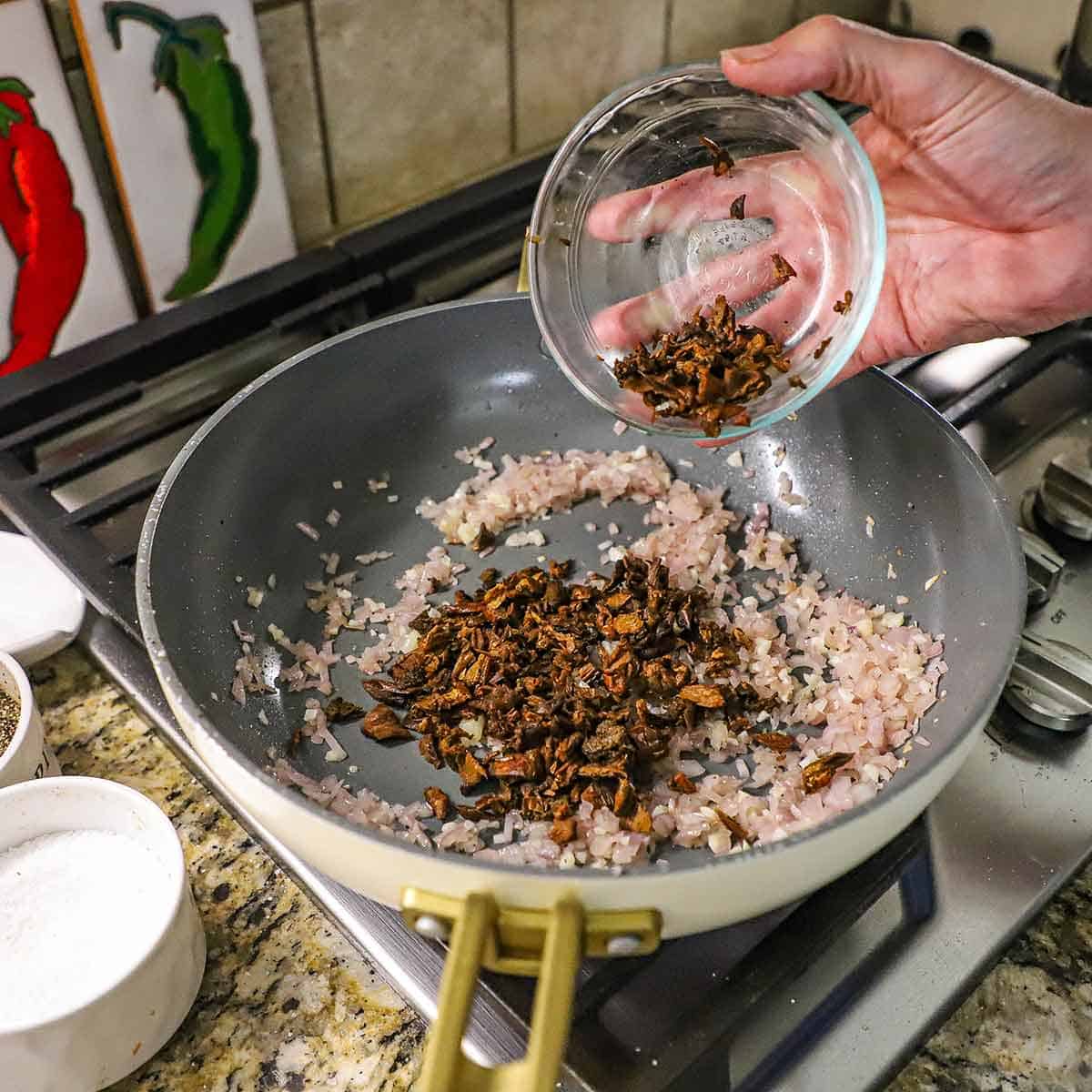
    Fish en Papillote (Cod in Parchment)

Ready to make the flatbread just like they do in Nice, France? Go for it!

And when you do, be sure to take a photo of it, post it on Instagram, and tag @HowToFeedaLoon and hashtag #HowToFeedaLoon!

An overhead view of easy homemade socca that has been cut into triangles sitting in a large black plate next to two glasses of white wine.
Print Recipe
No ratings yet

Easy Homemade Socca (French Chickpea Flatbread)

Inspired by the vibrant street food of Nice, France, this Easy Homemade Socca is a crispy, peppery chickpea flatbread perfected for the home kitchen. Made with just four simple ingredients, it’s a naturally gluten-free classic that delivers authentic Mediterranean flavor right from your cast-iron skillet.
Prep Time5 minutes mins
Cook Time12 minutes mins
Resting Time (Before and After)1 hour hr
Total Time1 hour hr 17 minutes mins
Course: Appetizer
Cuisine: French
Servings: 4
Calories: 164kcal
Author: Kris Longwell

Equipment

  • 9 or 10-inch cast-iron skillet
  • thin metal spatula

Ingredients

  • 1 cup chickpea flour
  • 1 cup lukewarm water
  • 1½ tablespoon extra-virgin olive oil plus more for the pan, and for garnish
  • ½ teaspoon fine sea salt plus more for garnish
  • 1 tablespoon rosemary finely chopped, for garnish (optional)
  • freshly ground black pepper for garnish

Instructions

  • In a medium bowl, whisk the chickpea flour, water, olive oil, and sea salt until completely smooth. Cover with plastic wrap and let rest on the counter for 30 to 60 minutes.
    1 cup chickpea flour, 1 cup lukewarm water, 1½ tablespoon extra-virgin olive oil, ½ teaspoon fine sea salt
  • Place the top rack in your oven about 6 inches away from the broiler. Place your skillet on the rack and turn the oven to 450°F.
  • Use oven mitts to carefully remove the skillet from the hot oven. Add 2 tablespoons of extra-virgin olive oil to the pan and quickly swirl it to cover the pan. Immediately pour the batter into the pan and return the skillet to the top rack in the oven.
  • Bake until the edges are starting to turn golden brown. This can take anywhere from 8 to 15 minutes. Turn the broiler to HIGH and broil for 60 to 90 seconds, or until small black "leopard" spots appear on the surface.
  • Remove from the oven and let rest for a few minutes. Use a thin, metal spatula to gently free the socca from the skillet and remove it.
  • Drizzle the socca with more extra-virgin olive oil and add a sprinkle of sea salt, finely chopped rosemary (if using), and plenty of freshly cracked black peppercorns. Cut into triangles or strips and serve immediately.
    1 tablespoon rosemary, freshly ground black pepper

Video

Notes

NOTE: Watch the video in the recipe card for visual guidance.
  • Resting the Batter: For the best texture, allow the batter to rest for at least 30–60 minutes. This allows the chickpea flour to fully hydrate, ensuring a creamy center and a smooth batter.
  • The Right Pan: A well-seasoned cast-iron skillet is highly recommended for this recipe. It retains the high heat necessary to create the signature crispy bottom and helps the flatbread release easily.
  • Oven Variation: Because every oven and broiler performs differently, keep a close eye on the socca during the final minutes of cooking. You may need to adjust the rack height or cooking time to find the perfect balance for your specific appliance.
  • Seasoning: Traditional socca is known for its peppery kick. For the most authentic flavor, be generous with the freshly ground black pepper just before serving.
  • Make Ahead: You can prepare the batter up to 24 hours in advance and store it in the refrigerator. Just be sure to give it a thorough whisk before pouring it into the hot skillet, as the flour will settle.

Nutrition

Calories: 164kcal | Carbohydrates: 18g | Protein: 7g | Fat: 7g | Saturated Fat: 1g | Polyunsaturated Fat: 1g | Monounsaturated Fat: 4g | Sodium: 310mg | Potassium: 259mg | Fiber: 3g | Sugar: 3g | Vitamin A: 28IU | Vitamin C: 0.3mg | Calcium: 20mg | Iron: 2mg

Perfectly Crispy Homemade Potato Chips

January 21, 2026 by Kris Longwell 4 Comments

A close-up view of a large platter of crispy homemade potato chips with two small bowls of dipping sauce nearby.

Nothing beats the crunch of these Perfectly Crispy Homemade Potato Chips! They are the ultimate side for our Slammin’ Sloppy Joes and even better when dunked into Cajun Remoulade or Homemade Ranch. One bite and you’ll never go back to store-bought. Just watch out—once your guests start snacking, they’ll be gone in a flash!

A close-up view of a large platter of crispy homemade potato chips with two small bowls of dipping sauce nearby.
[feast_advanced_jump_to]

🥔 The Ingredients

You only need a few simple pantry staples and a high-heat oil to transform humble spuds into the crunchiest, most delicious snack you’ve ever tasted. Find ingredient notes (including substitutions and variations) below.

An arrangement of ingredients for crispy homemade potato chips on a grey wooden background including four russet potatoes, cooking oil, sea salt, and distilled white vinegar.

📝 Ingredient Notes with Substitutions

  • The Potatoes: Russet potatoes are essential for that classic chip crunch due to their high starch and low moisture content. If you must substitute, Yukon Golds will work, but they contain more sugar and will brown much more quickly in the oil.
  • The Oil: Peanut oil is our top choice because it has a high smoke point and a clean finish. However, you can easily substitute it with other neutral oils like sunflower, canola, or vegetable oil with great results.
  • The Vinegar: Distilled white vinegar is the secret to the perfect texture; it helps the potato slices stay firm and prevents them from over-browning. If you don’t have white vinegar, apple cider vinegar is a suitable alternative for the soak.
  • The Salt: We recommend fine sea salt for the first toss because the small grains adhere perfectly to the hot oil. For a gourmet touch, you can finish the bowl with a sprinkle of coarse sea salt or flaky Maldon salt to give it that extra “Loon” sparkle.
  • The Water: Always use cold water for the soaking process. This helps draw out the excess starch, which is the key to ensuring your chips don’t stick together or turn out soggy.

🔥 Tips and Tricks for Success

  • Safety First: When using a mandoline to get those paper-thin slices, always use the safety guard. We want crispy chips, not a trip to the emergency room!
  • Uniformity is Key: Ensure your slices are all the same thickness. This guarantees that every chip in the batch finishes cooking at the same time, preventing some from burning while others stay soft.
  • Bone-Dry Potatoes: After soaking, make sure you pat the potato slices until they are completely dry. Any lingering moisture will cause the oil to splatter and prevent the chips from reaching maximum crispiness.
  • Monitor the Temp: Use a deep-fry or candy thermometer to keep your oil at a steady 350°F. If the temperature drops too low, the chips will absorb too much oil and become greasy rather than crunchy.
  • Don’t Overcrowd: Fry in small batches! If you add too many slices at once, the oil temperature will plummet, and the chips will stick together.
  • The Agitation: Use a slotted spoon or a “spider” to gently move the chips around as they fry. This ensures they cook evenly on both sides and don’t develop any soft spots.
  • Drain on a Rack: Instead of piling chips onto paper towels (which can trap steam), drain them on a wire cooling rack set over a baking sheet. This allows air to circulate around the chips, keeping them shatteringly crisp as they cool.

👩🏼‍🍳 How to Make Perfectly Crispy Homemade Potato Chips

A person using a mandolin to slice a russet potato into paper thin slices on a wooden cutting board.
  1. Step 1: Use a mandolin to slice the russet potatoes very thin. Use the safety guard for protection!
A person tossing thinly sliced potato slices in a glass bowl that has water filling the bowl from a kitchen faucet.
  1. Step 2: Place the potato slices in a large bowl and cover them with cool water. Toss around to help remove starch. Drain and repeat two more times.
A person pouring distilled white vinegar from a small white bowl into a glass bowl that is filled with thinly sliced potato slices submerged in water.
  1. Step 3: Add more cool water to cover the potatoes and stir in the distilled vinegar.
A person using a blue and white striped kitchen towel to dry thinly cut potato slices on a wooden cutting board.
  1. Step 4: Working in batches, dry the slices between a clean kitchen towel or paper towels. Make sure they are completely dry before frying!
A person using a metal spider to lift crispy homemade potato chips out of a white pot that is filled with hot oil.
  1. Step 5: Heat your oil to 350°F and then fry the chips in small batches until lightly browned, about 3 to 5 minutes.
A person using his fingers to sprinkle fine sea salt over the surface of freshly fried crispy homemade potato chips that are resting on a baking rack inside a baking sheet.
  1. Step 6: Drain on a baking rack (on a baking sheet) and sprinkle immediately with fine sea salt.

Expert Tip: The Flavor Shake!

While we love the simplicity of classic sea salt, these chips are the perfect canvas for your favorite seasonings. The secret is to toss them with your spices—like smoked paprika, garlic powder, or even a little dried dill—the very second they come out of the oil. While the chips are still hot and slightly glistening, the seasoning will adhere perfectly. For the most even coating, toss them gently in a large metal bowl or even a clean brown paper bag to ensure every crunch is packed with flavor!

🍽️ How to Serve

  • The Ultimate Sandwich Side: These chips are the perfect salty companion to a hearty sandwich. They provide a much-needed crunch alongside our Slammin’ Sloppy Joes, the Best-Ever Smash Burger, or an Italian-Style Panini.
  • The Dipping Station: While they are incredible on their own, these sturdy chips are built for dunking! Serve them with a side of cool Homemade Ranch, zesty Cajun Remoulade, or a classic caramelized onion dip.
  • Get Creative with Flavors: Use these classic salt chips as a base for fun variations. Toss them with smoked paprika and brown sugar for a BBQ twist, or add a drizzle of truffle oil and a dusting of Parmesan for a gourmet experience.
  • Party Style: For a gathering, pile them high in a large wooden bowl or serve them in individual parchment-lined wire baskets. They make a fantastic, crowd-pleasing appetizer for game day or a backyard BBQ.
  • Warm and Fresh: For the absolute best experience, serve them while they are still slightly warm from the fryer. There is nothing quite like a fresh, homemade chip to make your guests keep coming back for more!

🙋🏽‍♂️ Frequently Asked Questions

What is the best type of potato for Perfectly Crispy Homemade Potato Chips?

Russets are the gold standard because their high starch and low moisture content result in the lightest, crunchiest snack possible.

How do I store my Perfectly Crispy Homemade Potato Chips to keep them from going stale?

Place them in an airtight container or a sealed zip-top bag at room temperature. They will stay fresh and snappy for up to 5 days (if they even last that long)!

Why do you soak the potatoes in vinegar when making Perfectly Crispy Homemade Potato Chips?

This step draws out the surface starch and reinforces the potato’s cell structure, which allows them to get incredibly crunchy without over-browning in the oil. And they do not make the chips taste like vinegar at all.

Can I use an air fryer to make Perfectly Crispy Homemade Potato Chips?

You certainly can, though for that authentic, deep-fried “shatter” crunch, the traditional stovetop method in peanut oil is hard to beat.

What should I do if my Perfectly Crispy Homemade Potato Chips lose their crunch?

Simply spread them on a baking sheet and warm them in a 300°F oven for a few minutes; this will quickly draw out any moisture and restore that fresh-from-the-fryer texture.

An overhead view of a pile of crispy homemade potato chips resting on crumpled brown paper next to two glasses of beer and two small bowls eacg filled with a dipping sauce.

😋 Other Delicious Sides/Appetizers

  • A silver pan holding homemade French fries next to a small container of ketchup.
    Perfect Homemade French Fries
  • A large baking dish filled with cross hatch sweet potato chips with a small glass jar of spicy remoulade nestled into the chips.
    Crosshatch Sweet Potato Chips
  • Steak house onion rings on a large baking sheet
    Steak House Onion Rings
  • A pile of garlic parmesan steak fries sitting on a board lined with parchment paper with a small bowl of ketchup on one side and a bowl of aioli on the other side.
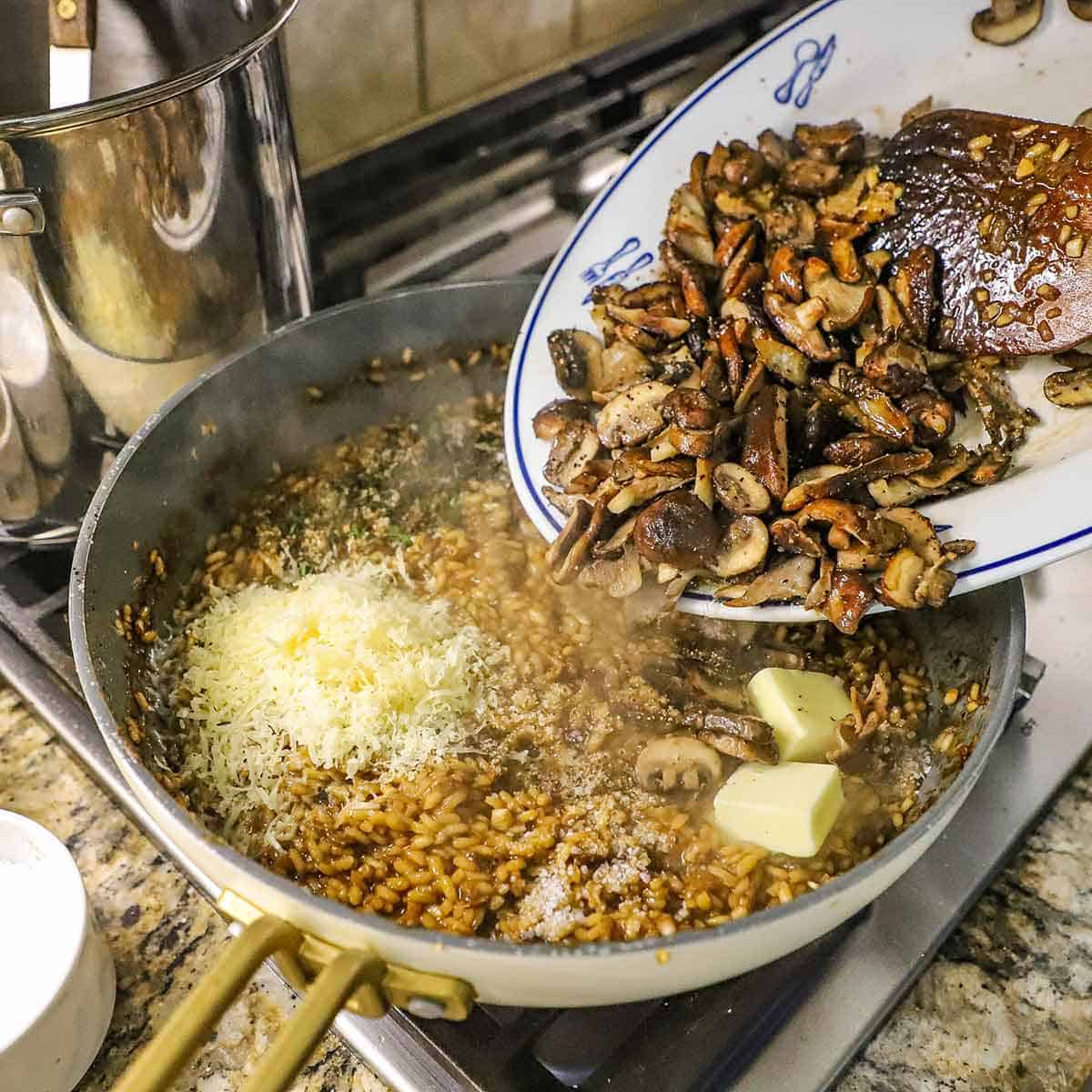
    Garlic Parmesan Steak Fries

Ready to make the best potato chips in town? Go for it!

And when you do, be sure to take a photo of them, post it on Instagram, and tag @HowToFeedadLoon and hashtag #HowToFeedaLoon!

An overhead view of a pile of crispy homemade potato chips resting on crumpled brown paper next to a glass of beer and a small bowl filled with a dipping sauce.
Print Recipe
5 from 2 votes

Perfectly Crispy Homemade Potato Chips

Ditch the store-bought bags for these shatteringly crisp, Perfectly Crispy Homemade Potato Chips! A simple vinegar soak is the secret to their golden color and ultimate crunch. Salty, addictive, and 100% Loon-approved, they are the perfect companion for any sandwich or dip.
Prep Time15 minutes mins
Cook Time20 minutes mins
Soaking time1 hour hr
Total Time1 hour hr 35 minutes mins
Course: Appetizer or Side
Cuisine: American
Servings: 6
Calories: 368kcal
Author: Kris Longwell

Equipment

  • mandolin
  • bowl of soaking potato slices
  • pot for oil or deep-fryer

Ingredients

  • 3 to 4 russet potatoes sliced on the thinnest setting on your mandolin
  • water for rinsing and soaking
  • 2 tablespoon distilled white vinegar
  • peanut oil or canola, sunflower, or vegetable
  • fine sea salt
  • coarse sea salt for extra garnish, optional
  • Cajun remoulade

Instructions

  • Place the thinly sliced potatoes in a large bowl and cover with cool tap water. Swish the potatoes around in the water, helping to remove some of the starch. Use one hand to hold the potatoes in place and tilt the bowl to drain the water into the sink. Repeat this process 2 ot 3 more times until the water is clear.
    3 to 4 russet potatoes, water
  • Drain the potatoes into a colander. Add the potatoes back into the bowl and cover them with cool water. Use your hands (or a large wooden spoon) to stir in the vinegar. Let the potatoes rest in the vinegar water for 45 minutes to 1 hour.
    2 tablespoon distilled white vinegar
  • Heat the oil (about 2 to 3 inches deep) in a large, sturdy skillet or deep-fryer to 350°F. A high-heat thermometer (or a candy thermometer) will help you maintain a consistent oil temperature.
    peanut oil
  • Working in batches, dry the potato slices in a clean, dry kitchen towel (or paper towels). You must get the slices completely dry. If they are wet (or even damp), they won't crisp up and could be soggy.
  • Carefully lower the dried potato slices into the hot oil (working in batches). Use a metal slotted spoon or a metal spider to move the chips around in the hot oil gently. Remove the chips as they are beginning to brown (some may brown a little more quickly than others). This will take about 3 to 5 minutes. Crank the heat up when you add the potatoes because the slices will bring the temperature of the oil down significantly.
  • Place the chips on a baking rack that is in a foil-lined baking sheet (this makes clean-up easy). Immediately sprinkle the fine sea salt over the chips. Repeat until all chips have been fried.
    fine sea salt
  • Serve warm or at room temperature, garnished with a sprinkle of coarse sea salt and Cajun remoulade (if desired).
    coarse sea salt, Cajun remoulade

Video

Notes

NOTE: Watch the video in the recipe card for visual guidance.
  • Safety First: When using a mandoline to get those paper-thin slices, always use the safety guard! We want crispy chips, not a “Loon-sized” injury.
  • The Right Spud: Russet potatoes are the gold standard for this recipe. Their high starch content is what creates that light, airy, and “shatteringly” crisp texture.
  • Don’t Skip the Soak: The vinegar soak is the secret to success. It removes excess starch and reinforces the potato’s structure, allowing it to get perfectly crunchy without burning.
  • Bone Dry is Key: Ensure the potato slices are completely dry before frying. Any moisture left on the surface will cause the oil to splatter, preventing the chips from reaching maximum crispiness.
  • Monitor the Heat: Use a deep-fry thermometer to keep your oil at a steady 350°F. If the oil gets too cold, the chips will be greasy; if it’s too hot, they’ll burn before they crisp.
  • Season Immediately: Always salt your chips as soon as they come out of the oil. The residual heat and oil help the fine sea salt adhere perfectly to every curve.
  • Storage: Store leftovers in an airtight container or a sealed zip-top bag at room temperature for up to 5 days. If they lose their snap, just pop them in a 300°F oven for a few minutes to refresh them!

Nutrition

Calories: 368kcal | Carbohydrates: 19g | Protein: 2g | Fat: 19g | Saturated Fat: 8g | Polyunsaturated Fat: 6g | Monounsaturated Fat: 9g | Sodium: 5mg | Potassium: 444mg | Fiber: 1g | Sugar: 1g | Vitamin A: 1IU | Vitamin C: 6mg | Calcium: 14mg | Iron: 1mg
  • 1
  • 2
  • 3
  • …
  • 22
  • Next Page »

Welcome!

Kris & Wesley (The Loon) live for fun, food, and fabulousness. "How to Feed a Loon" is a celebration of just that. Come join us on this joyous culinary ride.
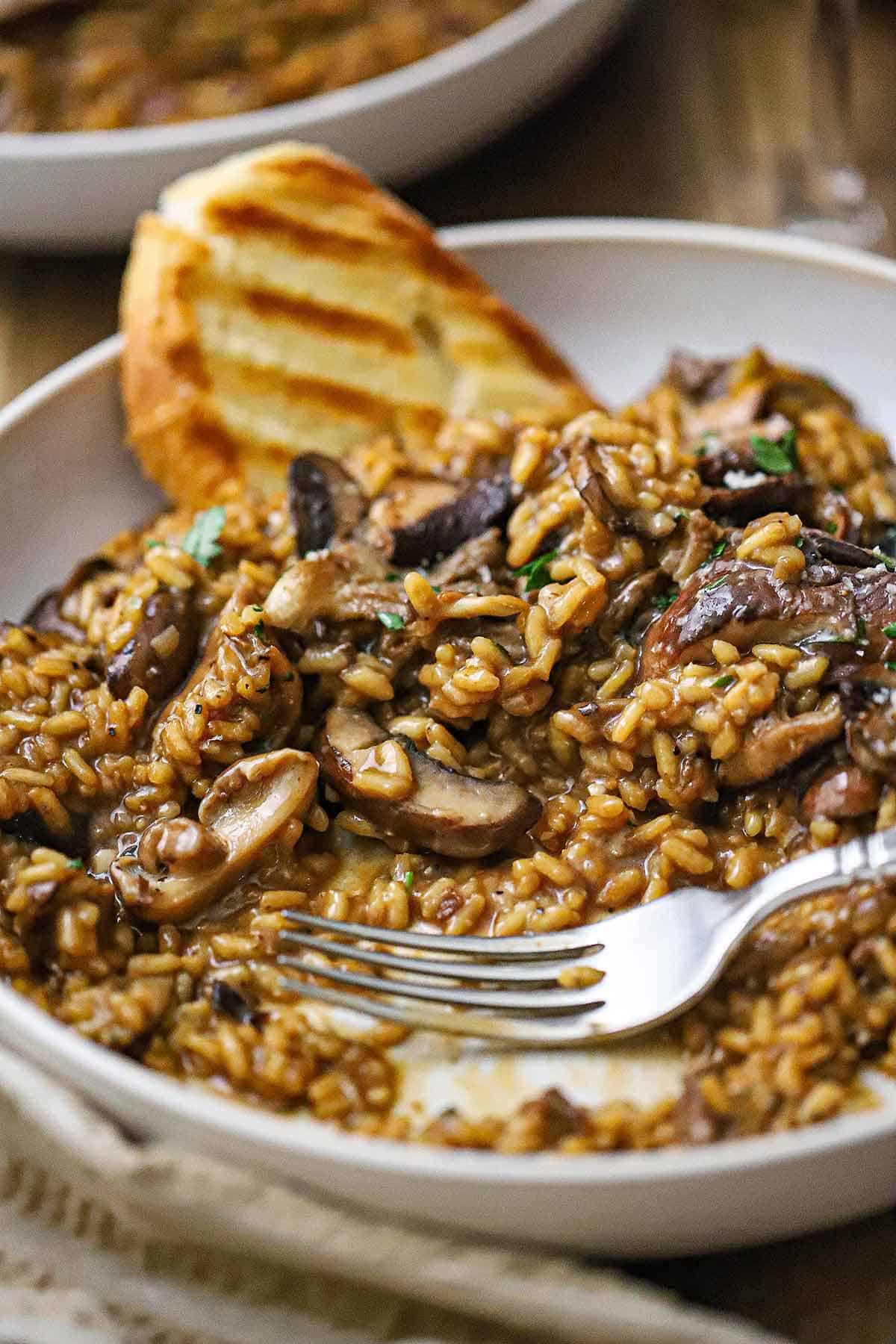
More about us

Salad Favorites

  • A large white platter filled with and Italian chopped salad with homemade vinaigrette with two serving utensils inserted into the side of the salad.
    Italian Chopped Salad with Homemade Vinaigrette
  • An overhead view of a white serving bowl filled with classic macaroni salad with two plates nearby containing more macaroni salad and a ham sandwich.
    Classic Macaroni Salad (Grandma’s Recipe)
  • Grilled chicken Caesar salad in a large wooden bowl with homemade croutons scattered over the dressed lettuce and sliced chicken.
    Grilled Chicken Caesar Salad
  • An overhead view of a fresh strawberry spinach salad with avocado that has been tossed together in a wooden bowl.
    Strawberry and Spinach Salad with Poppyseed Dressing
  • Three tuna salad sandwiches sitting a white lunch plate next to a colorful napkin.
    Best-Ever Tuna Salad
  • An overhead view of a Cobb salad on a large white oval platter flanked by two glasses of white wine and two gold serving spoons.
    Classic Cobb Salad with Roasted Chicken
See more Salads →

Popular Recipes

  • best-ever chicken salad recipe
    Best-Ever Chicken Salad
  • A white soup filled with roasted tomato basil soup next to sliced grilled cheese sandwiches.
    Roasted Tomato Basil Soup
  • Mahi Mahi tacos on a wooden table in a taco holder
    Amazing Mahi Mahi Tacos
  • A lemon wedge being squeezed onto a platter of chicken francese
    Chicken Francese
  • Southern Shrimp and Cheesy Grits recipe
    Southern Shrimp and Cheesy Grits
  • Slow Roasted Pork Shoulder on a platter with a side of gravy
    Slow Roasted Pork Shoulder

Footer

↑ back to top

Explore

  • Recipe Index
  • About Us
  • Subscribe

About

  • Privacy Policy
  • Contact

Copyright © 2026 How to Feed a Loon • This website contains affiliate links, which means that if you click on a product link, we may receive a commission in return. How To Feed a Loon is a participant in the Amazon Services LLC Associates Program, an affiliate advertising program designed to provide a means for sites to earn advertising fees by advertising and linking to Amazon.com.

Rate This Recipe

Your vote:


A rating is required
A name is required
An email is required