


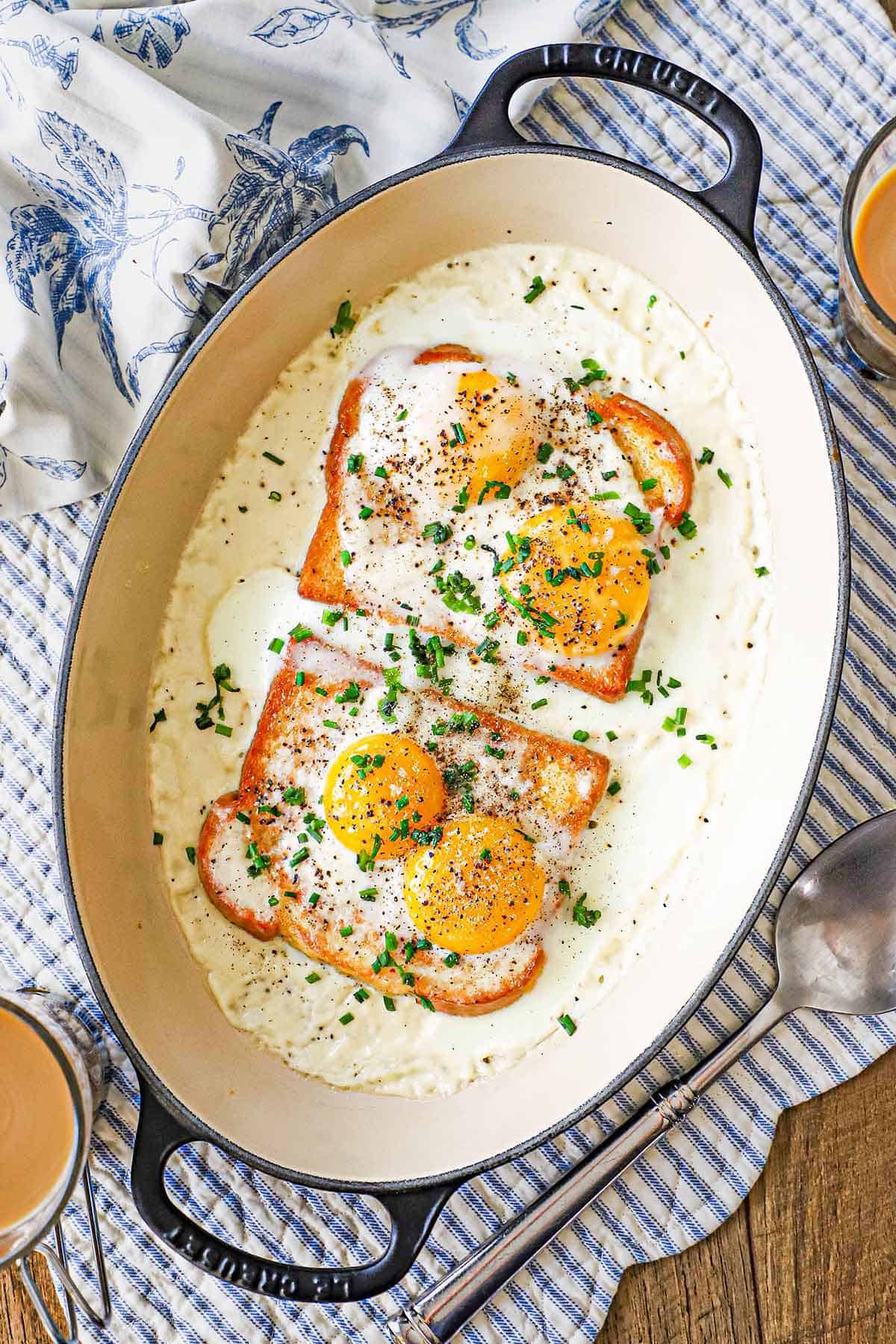
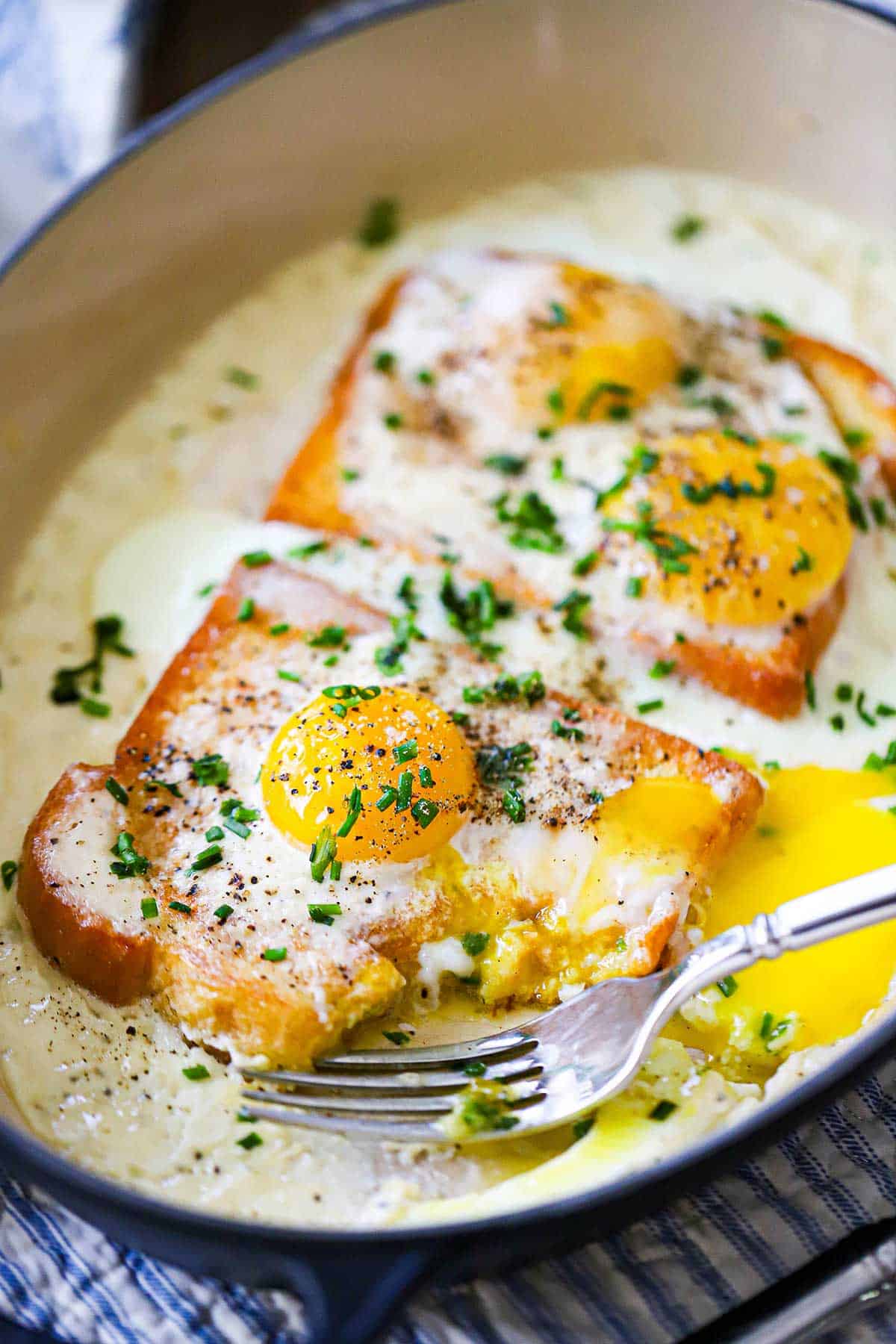
These Creamy French Baked Eggs (Oeufs au Plat Bressanne) epitomize bistro elegance, featuring perfectly set eggs nestled on buttery brioche and bathed in a garlic-infused cream sauce. It is so rich, soul-satisfying, and one of the greatest egg dishes of all time. It’s really that good.
Jump to:
🥚 The Ingredients
This dish transforms a handful of rich, high-quality dairy staples and aromatic accents into a velvety, restaurant-quality masterpiece that perfectly balances pure decadence with a bright, sophisticated finish. Find ingredient notes (including substitutions and variations) below.
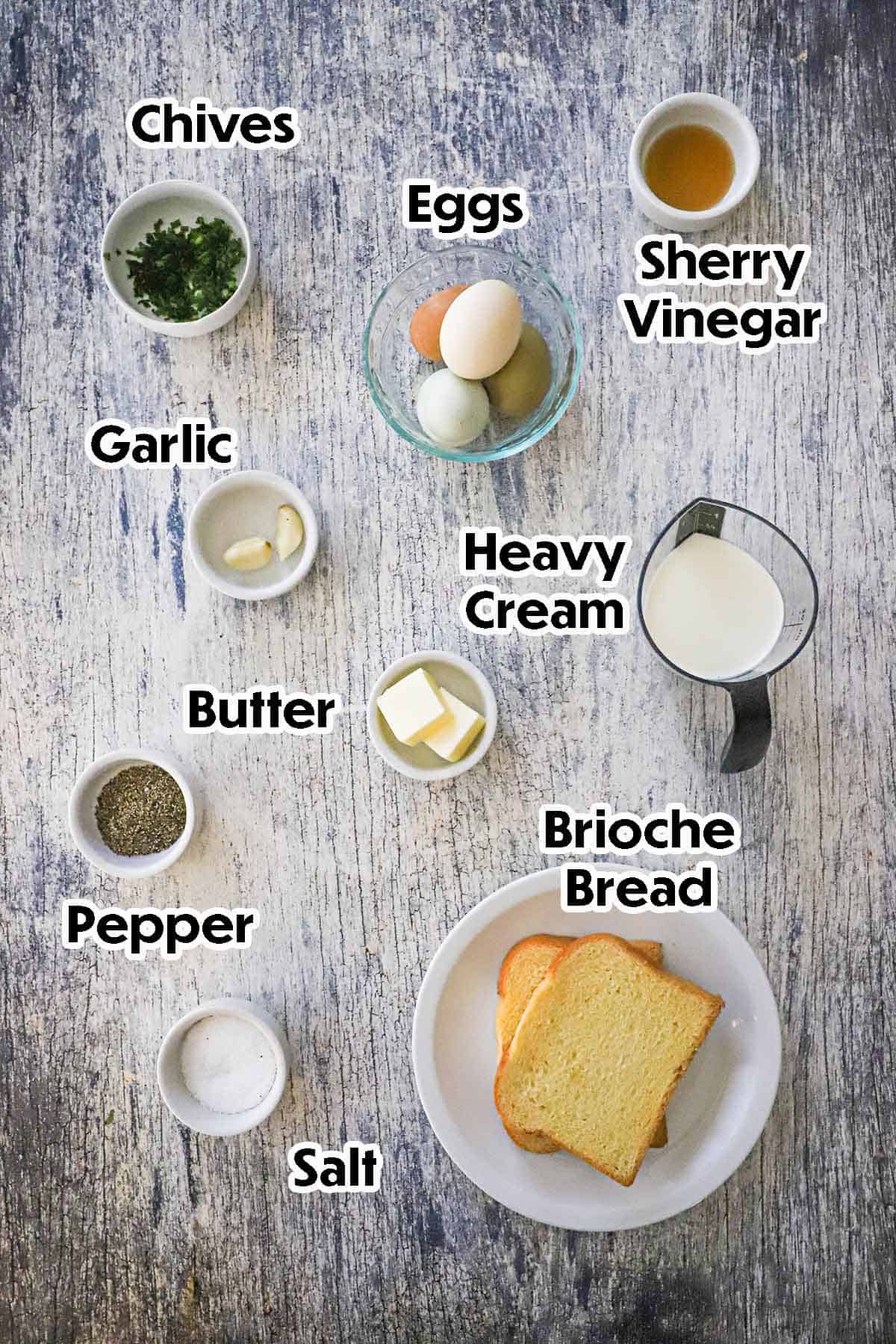
👩🏼🍳 Ingredient Notes and Substitutions
- Brioche: Use a thick-cut “Texas toast” style slice (about 1 inch thick). Brioche is ideal because its high egg and butter content creates a custard-like texture when soaked in cream, but Challah or a thick slice of Sourdough are excellent alternatives.
- Heavy Cream: For the most authentic, velvety sauce, stick with full-fat heavy cream. If you want a slightly tangier profile, you can use Crème Fraîche. Avoid using milk, as it is too thin and won’t thicken properly in the oven.
- Sherry Vinegar: This is the “secret” to the Bressanne style; it cuts through the richness of the dairy. If you don’t have Sherry vinegar on hand, Red Wine Vinegar or Champagne Vinegar will work perfectly as a substitute.
- Farm-Fresh Eggs: Since the eggs are the star of the show, use the highest quality you can find. Farm-fresh eggs typically have sturdy, vibrant orange yolks that look stunning against the white cream.
- Smashed Garlic: We use a smashed whole clove to gently infuse the cream with aromatic flavor without the bitterness of minced garlic bits. If you prefer a milder onion flavor, you can substitute the garlic with a smashed shallot.
- Butter: European-style butter (like Kerrygold) has a higher fat content and less water, which leads to better toast and a richer sauce.
- Snipped Chives: These provide a necessary hit of freshness. If you want to lean further into the French bistro vibe, fresh tarragon or chervil also pair beautifully with the cream.
Refer to the recipe card (with video) below for a full list of ingredients and measurements.
🔥 Tips and Tricks for Perfect French Baked Eggs
- Don’t Skip the Skillet Toast: It might be tempting to just throw the bread in the toaster, but browning the brioche in butter in a skillet creates a golden, crispy “crust.” This acts as a barrier that prevents the bread from becoming soggy once you pour the cream over it.
- The Ramekin Trick: Instead of cracking the eggs directly onto the cream-soaked toast, crack each egg into a small ramekin or bowl first. This allows you to gently “place” the egg exactly where you want it and ensures you don’t accidentally break a yolk or drop a stray shell into your beautiful cream sauce.
- The “Wiggle” Test: Every oven is different! To get that perfect runny yolk, start checking the eggs at the 8-minute mark. Gently shake the pan; you want the whites to be opaque and set, but the yolks should still have a distinct “jiggle.”
- Infuse, Don’t Boil: When simmering the garlic in the cream, keep the heat very low. You want to gently steep the garlic like tea. If the cream boils too vigorously, it can break or reduce too much before it even hits the oven.
- Warm Your Plates: This is a classic French bistro secret. Because the cream sauce is delicate, it can cool down quickly once plated. Putting your serving plates in a warm oven for a few minutes beforehand keeps the dish piping hot from the first bite to the last.
- Freshness Matters: Since there are so few ingredients, their quality really shines. Use the best butter and the freshest eggs you can find—your taste buds (and the Loon) will thank you!
👩🏼🍳 How to Make Creamy French Baked Eggs with Toast
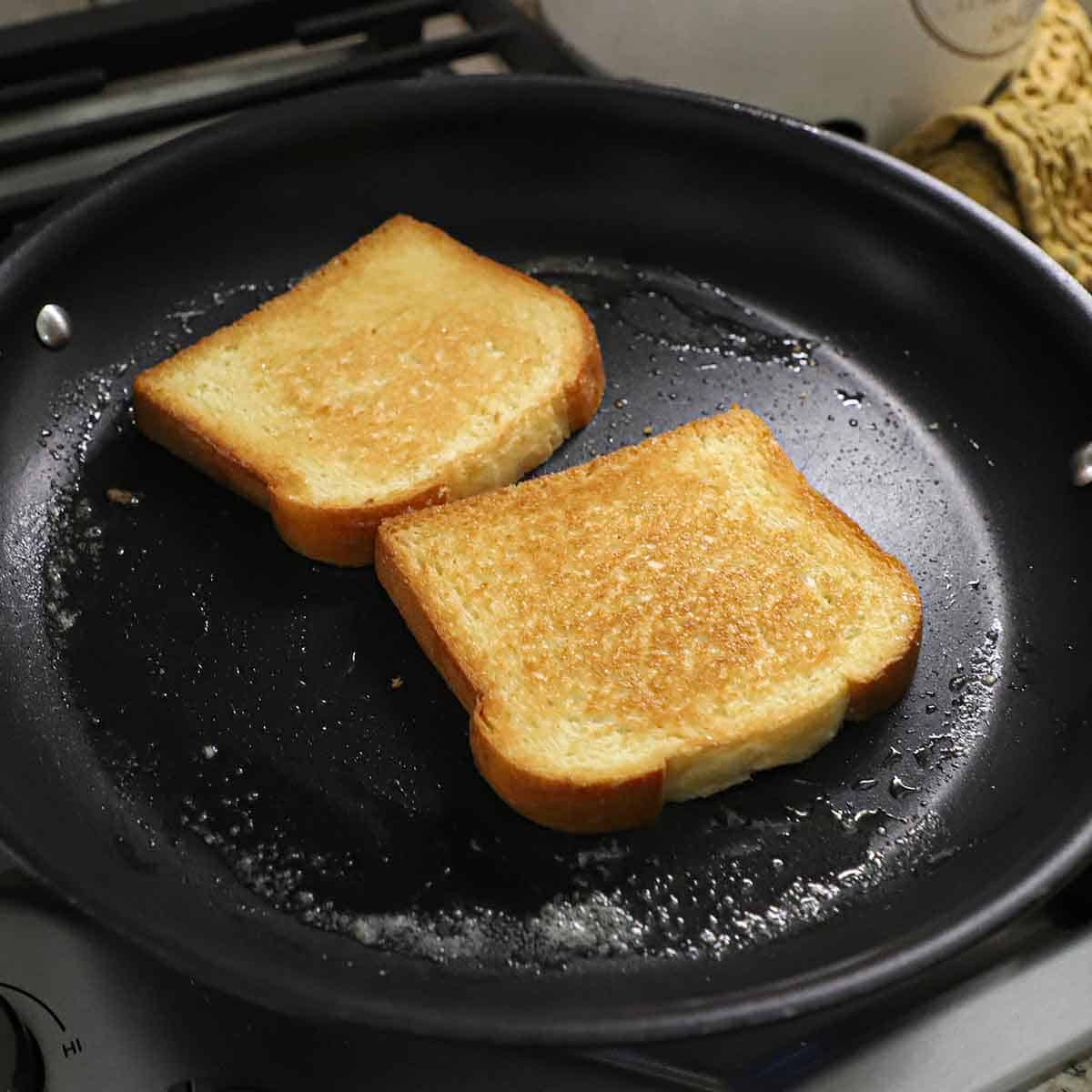
- Step 1: Melt the butter over medium heat in a large skillet. Toast the bread slices until golden on both sides. Place in your baking dish.
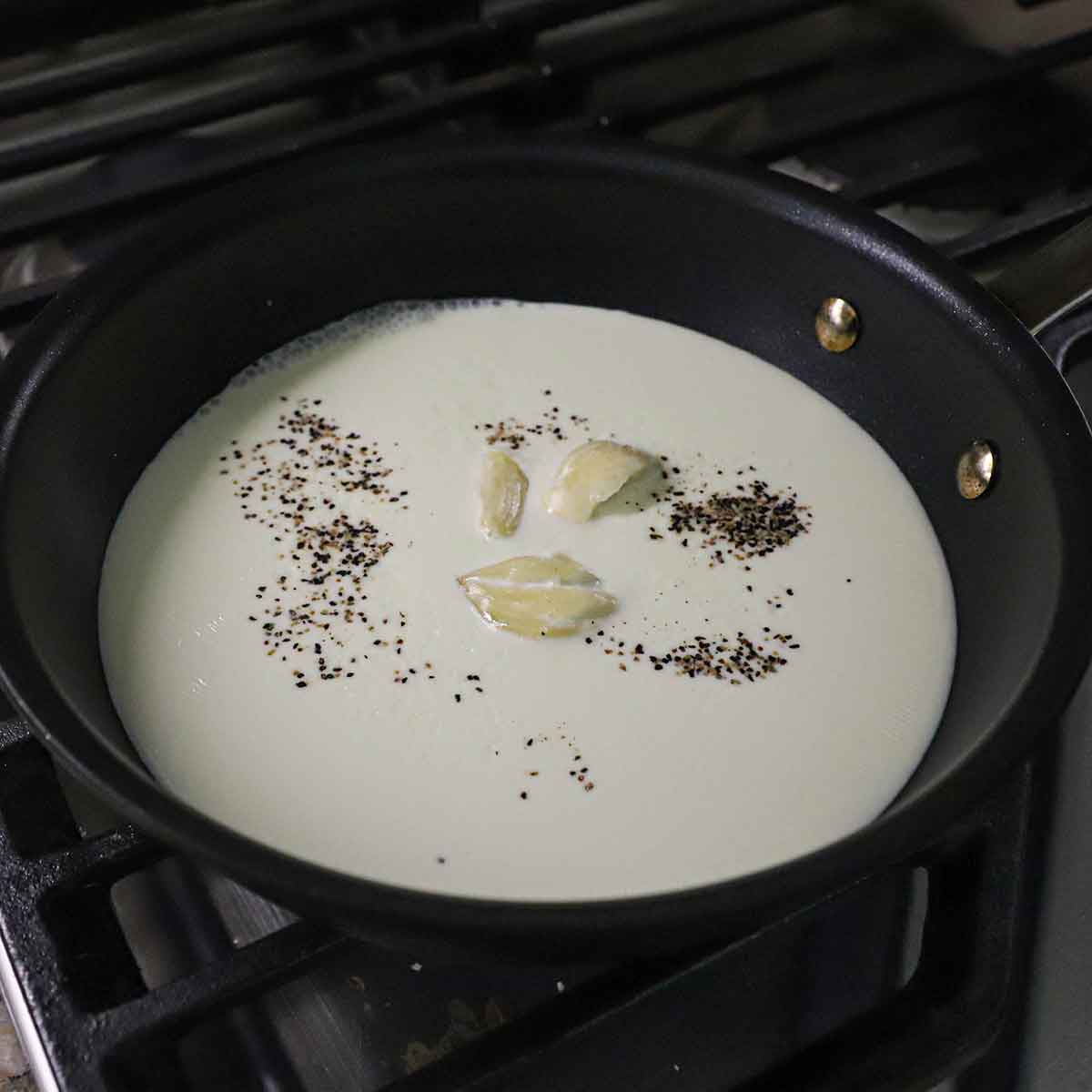
- Step 2: Add the cream, smashed garlic, and a pinch of salt and pepper to a small saucepan over medium-low heat. Gently simmer for 4 to 5 minutes. Remove the garlic.
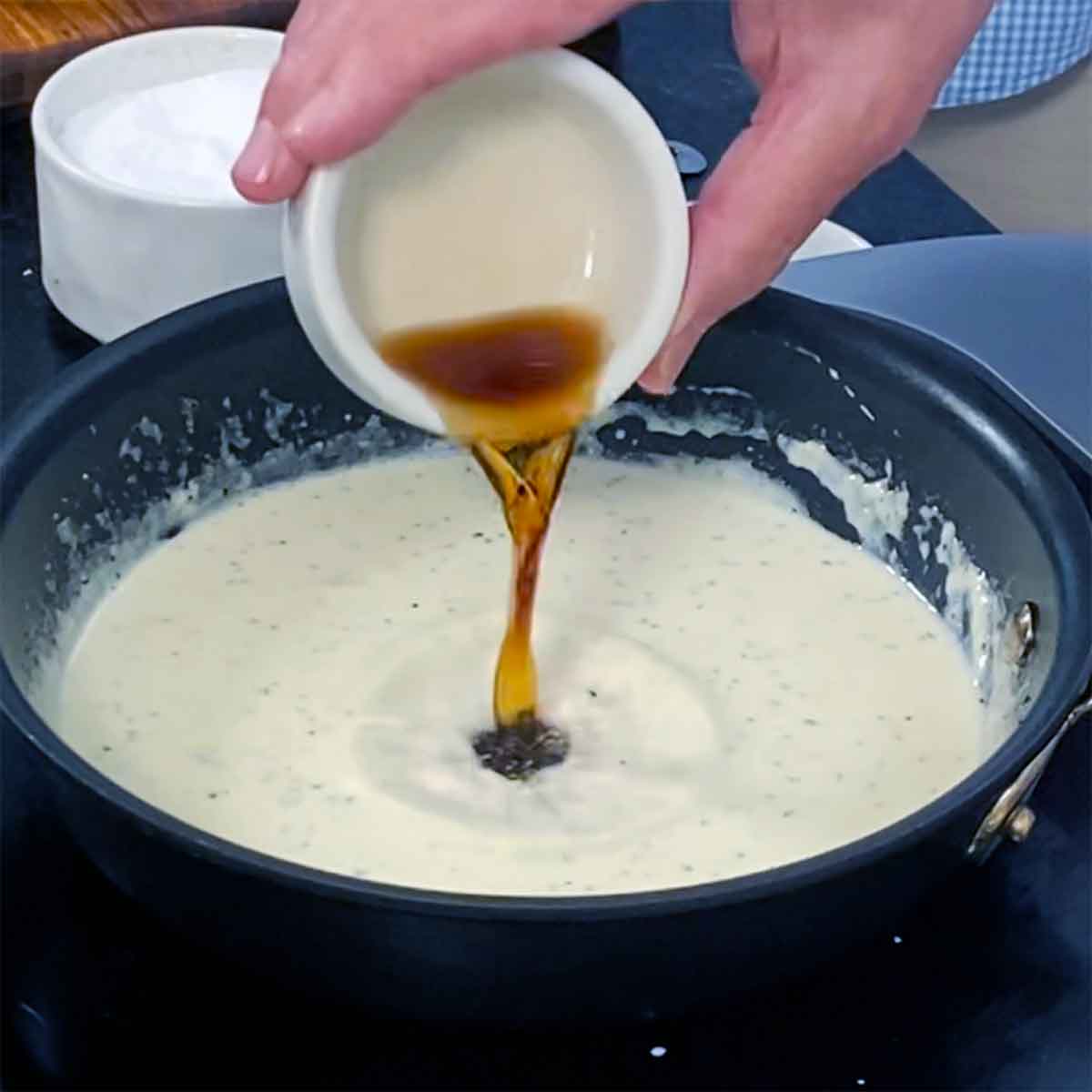
- Step 3: Stir a splash of Sherry vinegar into the cream.
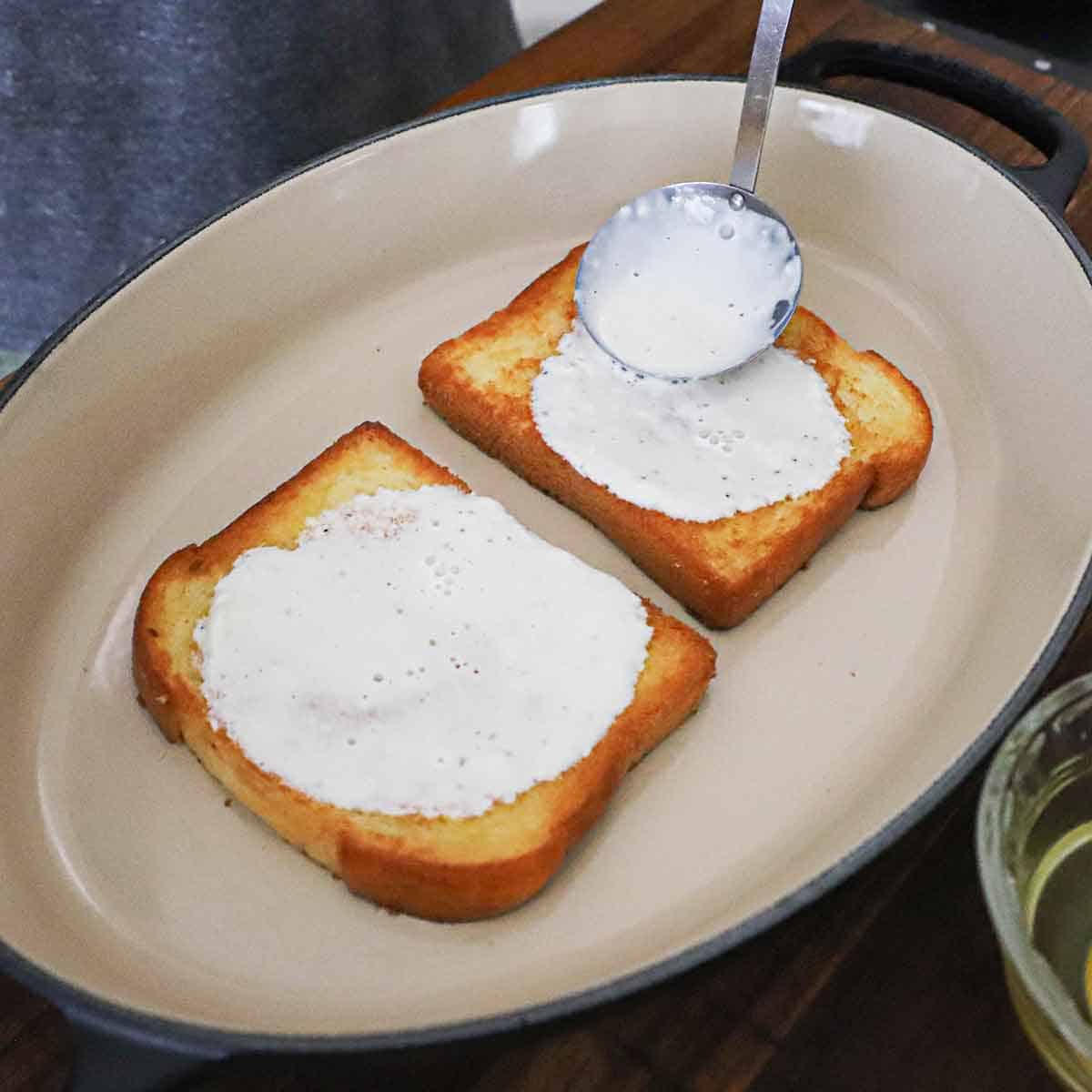
- Step 4: Spoon about 1 tablespoon of the cream over the tops of the toast in the baking dish.
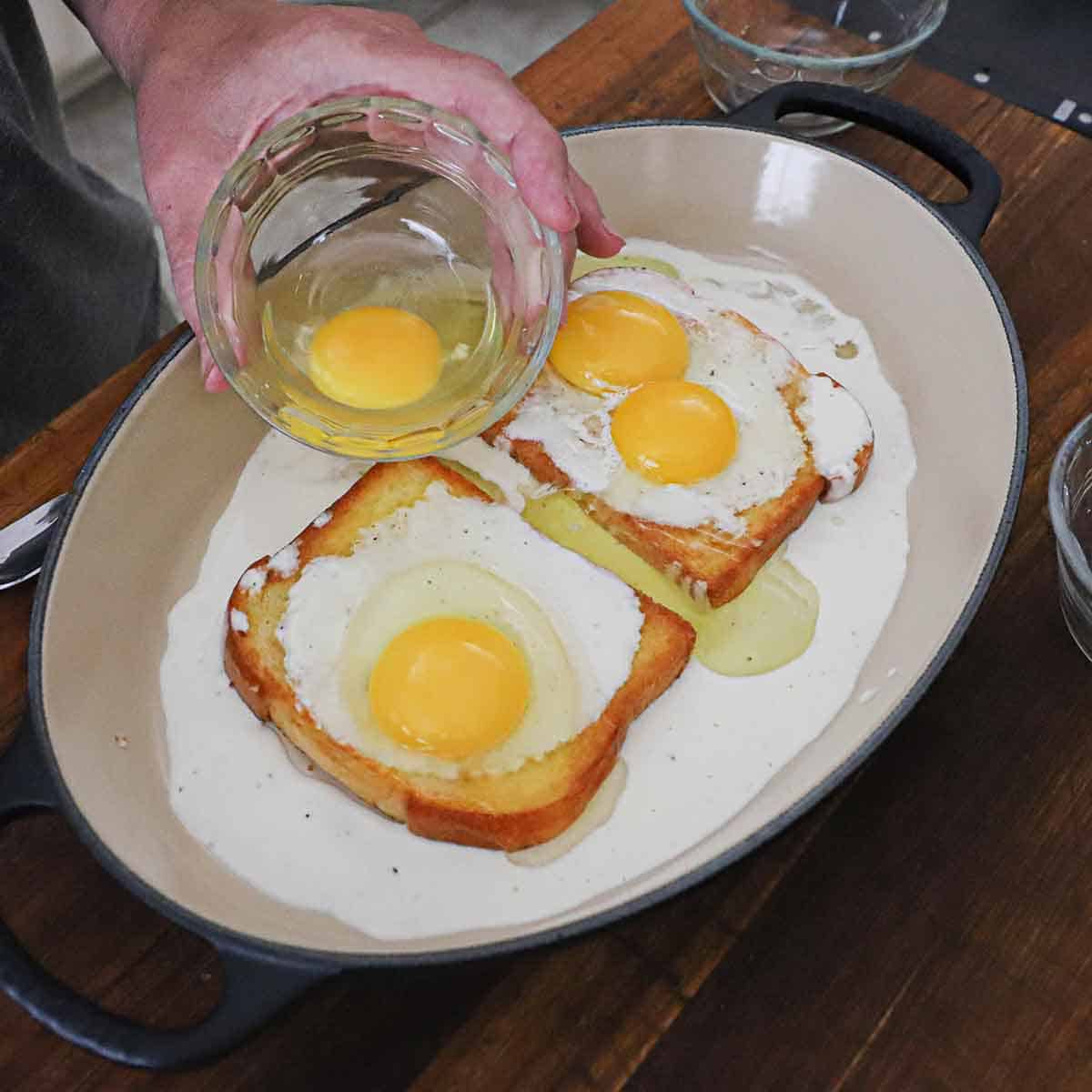
- Step 5: Crack the eggs into a small bowl or ramekin and gently transfer them to the tops of the toast. Making a divot with the back of a spoon in the bread to help keep the eggs from sliding off.
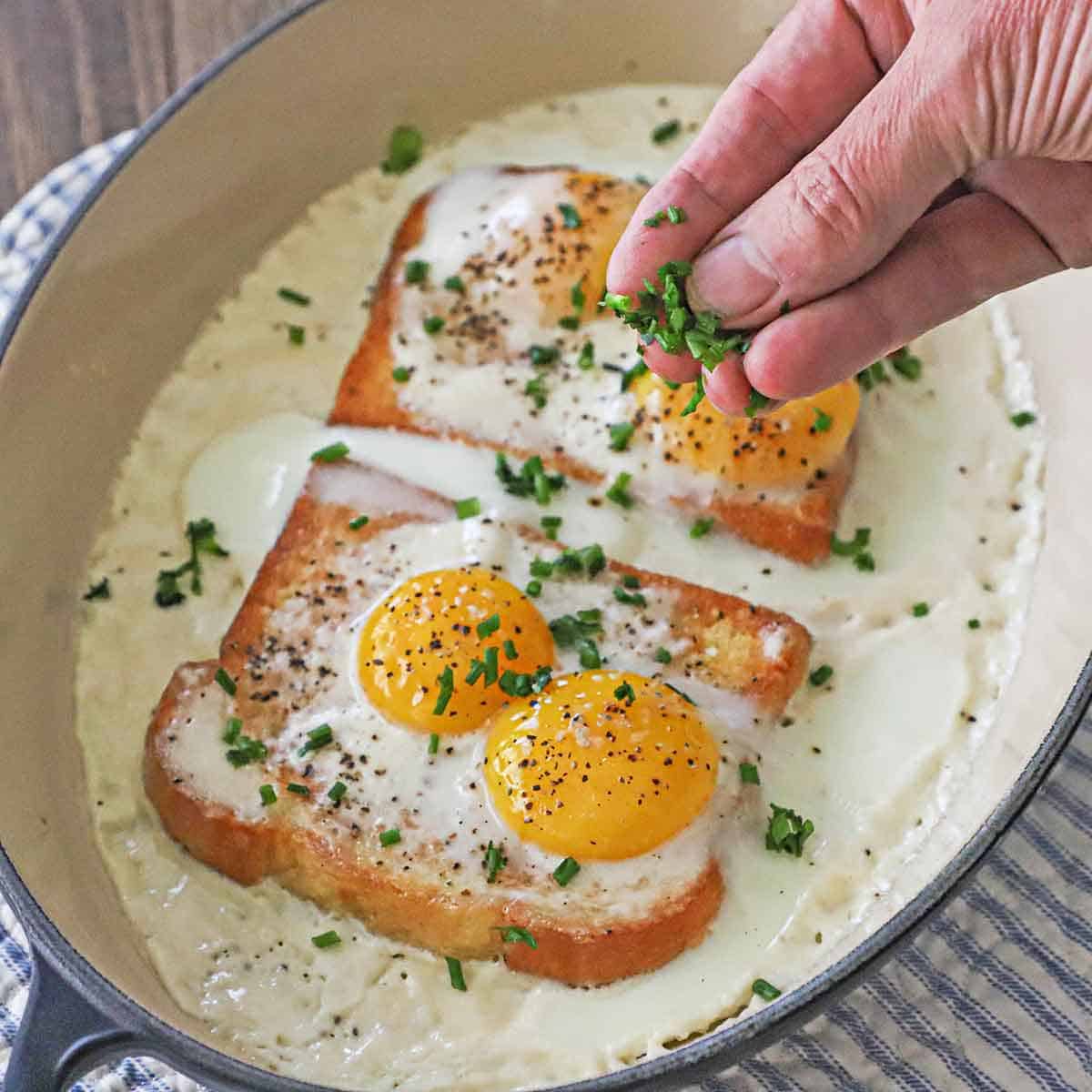
- Step 6: Bake at 375°F for 10 minutes for a runny yolk, or 14 minutes for a set yolk. Garnish with plenty of snipped chives and serve at once.
🍽️ How to Serve
- Choose Your Presentation: For a polished look, use a wide spatula to carefully lift the cream-soaked toast onto individual pre-warmed plates. Alternatively, for a rustic “bistro” feel, you can bake the portions in individual baking dishes or small cast-iron skillets and serve them directly from the oven, which keeps the dish hot and eliminates the need for transferring.
- Don’t Leave the Sauce Behind: Use a spoon to drizzle any remaining cream from the baking dish directly over the eggs and into the nooks and crannies of the toast.
- The Final Garnish: Top the dish with a generous amount of freshly snipped chives and a pinch of flaky sea salt (like Maldon) to make the flavors pop.
- Balance with a Green Salad: Because this dish is incredibly rich, it is traditionally served with a simple salade verte (green salad).
- Add a Side of Fruit: A small bowl of fresh berries or sliced melon provides a sweet, refreshing contrast to the savory, garlicky cream.
- Brunch Pairings: Complete the bistro experience with a bold French Press coffee or a crisp, bubbly Mimosa to cut through the decadence of the dish.
🙋🏽♂️ Frequently Asked Questions
This dish is best enjoyed immediately while the yolks are liquid and the bread is perfectly toasted. However, you can save time by infusing the garlic into the dairy and toasting your bread slices a few hours in advance; just assemble and pop them in the oven right before you are ready to serve.
A thick-cut brioche is the gold standard because its high butter content creates a luxurious, custard-like texture once it soaks up the sauce. If that isn’t available, a sturdy loaf of challah or a thick slice of rustic sourdough will also provide a wonderful base for the dish.
The key is to use the “jiggle test” around the 8-minute mark of baking. Once the whites are opaque and no longer translucent, give the pan a gentle shake; if the centers still have a slight wiggle, they are perfectly cooked and ready to be removed from the heat.
Absolutely! While the classic version is divine on its own, you can easily customize it by adding a layer of sautéed spinach, shredded Gruyere, crispy prosciutto, or even a few sautéed mushrooms onto the toast before adding the liquid and the eggs.
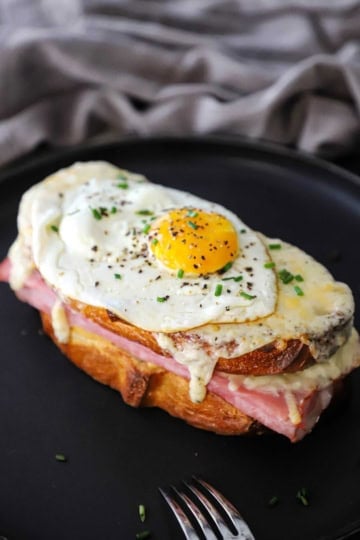
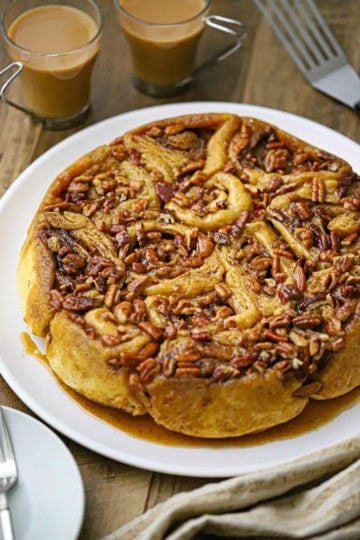
☀️ More Amazing Recipes Starring Eggs



Ready to make the best egg dish this side of Paris? Go for it!
And when you do, be sure to take a photo of it, post it on Instagram, and tag @HowToFeedaLoon and hashtag #HowToFeedaLoon!
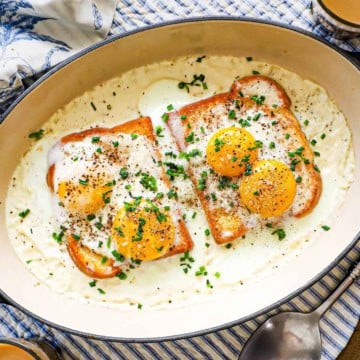
Creamy French Baked Eggs with Toast
Video
Equipment
- Large skillet for toasting bread
- Small saucepan for simmering the cream
- baking dish or individual dish
Ingredients
- 2 tablespoon butter
- 2 slices Brioche bread or sourdough – thick slices, if possible
- ½ cup heavy cream
- 1 clove garlic smashed
- salt and pepper
- ½ teaspoon Sherry vinegar
- 4 large eggs preferably farm fresh
- ¼ cup chives snipped
Instructions
- Preheat the oven to 375°F.
- Melt the butter in a large non-stick skillet. Add the bread slices and move them around to soak up some of the butter. Toast until golden brown on the bottom. Flip the slices and move them around to soak up the rest of the butter. Toast until golden and toasty on both sides. Place them side-by-side in the baking dish.2 tablespoon butter, 2 slices Brioche bread
- In a small saucepan over low heat, combine the heavy cream and smashed garlic with a pinch of salt and pepper. Let it simmer very gently for 3 to 5 minutes. Turn the heat off and stir in the Sherry vinegar.½ cup heavy cream, 1 clove garlic, salt and pepper, ½ teaspoon Sherry vinegar
- Spoon about 1 tablespoon of the cream over the top of each slice of toast. Carefully pour the cream around the sides of the toast.
- Working one egg at a time, crack the eggs into a small bowl. Use the back of a spoon to make a small divot on one half of the toast. Gently transfer the egg into the divot, using the spoon to help the yolk stay on the toast. The whites will fall off the side of the toast. Repeat with the remaining eggs and toast. Sprinkle salt and pepper over the tops of the eggs.4 large eggs
- Carefully place the dish in the oven. Bake 10 minutes for runny yolks, 14 minutes for set yolks (jammy). Remove from the oven and top with a healthy mound of chives.¼ cup chives
Notes
- The Perfect Transfer: To serve, use a wide, flat spatula to lift the cream-soaked toast from the baking dish carefully. Be sure to support the entire bottom of the bread slice to keep the eggs stable and secure as you move them to your serving plate. Or, serve them in individual casserole dishes (see blog post for the link).
- The Sliding Egg: If an egg happens to slide off the toast and into the pool of cream before baking, don’t panic! Simply use a spoon to gently nudge it back onto the bread. To prevent this, you can use the back of a spoon to press a small “nest” or indentation into the center of the toast before adding the eggs to help them stay in place.
- Watch the Clock: Oven temperatures can vary significantly. Start checking your eggs at the 8-minute mark; you are looking for opaque, set whites and a distinct “jiggle” in the yolk for that perfect runny consistency.
- Don’t Waste the Sauce: That garlic-infused cream in the bottom of the dish is liquid gold! Be sure to spoon every last drop over the plated toast before serving.
- Vinegar is Key: While it might seem unusual for breakfast, the small splash of Sherry vinegar is essential. It provides the necessary acidity to “cut” through the richness of the heavy cream and butter, balancing the dish perfectly.
Leave a Reply